HDU Carving Material for CNC Signage & Architectural Applications
CNC-carvable foam for dimensional signage, architectural detailing, and exterior carving applications.
- Machines without grain tear-out -- consistent detail at any scale
- Exterior-rated and moisture-resistant -- suitable for indoor and outdoor installations
- Paintable, primeable, and compatible with faux stone and specialty coatings
STEP · STL · IGES · DWG · DXF · PDF · and more
Uploads are secure & confidential
What Is HDU Foam and Why Does It CNC Carve Better Than Wood?
HDU (High-Density Urethane) is a closed-cell rigid foam engineered for CNC carving and precision routing. Unlike wood, HDU has no grain direction -- which means there is no grain tear-out on fine details, no checking at corners, and no variation in surface quality from one pass to the next. A V-carved letter in HDU comes out clean at any feed rate that would produce tear-out or fuzz in wood.
HDU is the standard substrate for the dimensional signage industry for a reason: it holds fine detail at depth, accepts primer and paint uniformly across the entire surface, and is rated for exterior use without sealing or special treatment. It does not rot, warp, or check in outdoor environments. A properly finished HDU sign installed outdoors will outlast an equivalent wood sign by a significant margin.
For architectural applications, HDU fills a niche between wood moldings and cast plaster: it is lighter than plaster, easier to install than stone, and more dimensionally stable and weather-resistant than wood. Facade elements, trim profiles, column capitals, and decorative medallions in HDU can be CNC-machined to exact specifications and installed with standard construction adhesives.
The primary practical limitation of HDU is structural: it is not a load-bearing material and should not be used where mechanical strength is required. For decorative and signage applications, it is unmatched for precision CNC fabrication.
HDU Density Grades
HDU is available in three primary density grades that determine detail resolution, surface hardness, and cost. The right grade depends on the application -- fine signage lettering, deep architectural relief, or large-format decorative panels each have an optimal density specification.
Low-Density HDU
Lightweight panels for large-format signage and interior applications
Low-density HDU (typ. 0.24-0.30 g/cm³) is the lightest grade -- ideal for large-format signage panels and interior decorative work where weight is a consideration. It machines cleanly for shallow relief work and is the most cost-effective HDU grade. Edge detail is slightly less crisp than higher-density grades at very fine scales.
Best For
- Large-format interior signage panels
- Shallow relief lettering and logos
- Lightweight wall-mounted decorative elements
Medium-Density HDU
The standard grade for most CNC signage and architectural work
Medium-density HDU (typ. 0.30-0.45 g/cm³) is the workhorse grade for CNC signage and architectural detailing. It holds fine V-carved lettering cleanly, supports deep 3D relief carving without cell collapse, and has enough surface hardness to accept paint and primer uniformly. Most dimensional sign blanks and architectural foam moldings use this density range.
Best For
- Dimensional business and retail signage
- Architectural trim, moldings, and facade elements
- Standard depth 3D relief carving
High-Density HDU
Maximum detail resolution for fine carving and exterior durability
High-density HDU (typ. 0.48 g/cm³ and above) provides the finest surface detail and highest edge sharpness available in foam carving substrates. It is specified for intricate sculptural work, fine-scale lettering, and exterior installations where maximum surface hardness is required. Higher cost and weight than standard grades, but the detail resolution approaches that of dense wood.
Best For
- Intricate sculptural relief and fine lettering
- Exterior applications requiring maximum surface durability
- Museum-quality exhibit elements and high-detail props
How OpenSpindle works
We tap our partner network. You get the best-match quote.
Upload your part and we tap our network of partner shops to get you a competitive, all-in quote that is the best match for the job.
One upload
A CAD file or a sketch. That is the whole ask on your end.
Your best-match quote
Sourced from the partner shops set up for your exact part.
All-in, on your timeline
Machining, finishing, and shipping detailed to your turnaround.
What Is HDU Used For?
HDU fills a distinct niche: it is the right choice when a project needs the visual precision of CNC fabrication, exterior durability, and design flexibility that wood and rigid plastics cannot match together. Its applications span signage, architecture, exhibit design, and decorative installation.
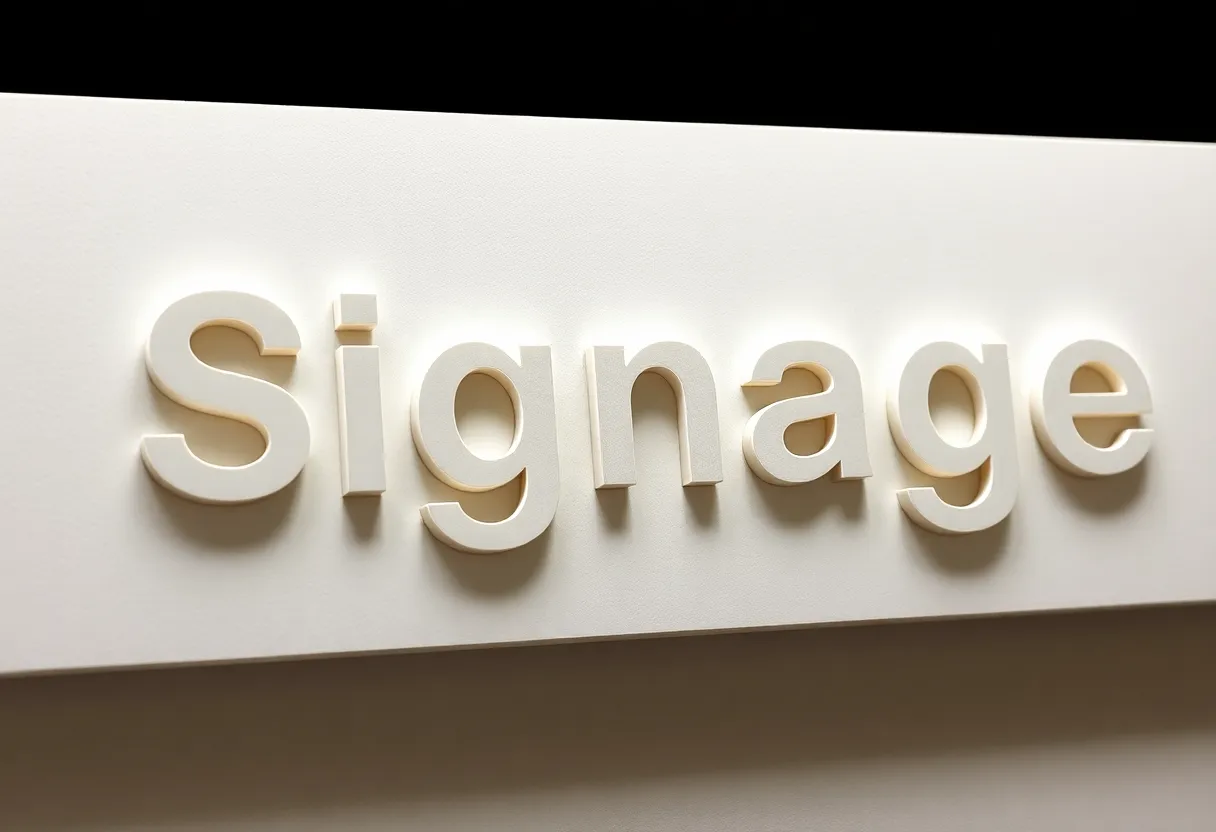
HDU is the primary material for dimensional CNC-carved signage. Its grain-free composition produces clean lettering and logo relief at any depth without the tear-out issues that affect wood sign blanks.
- Dimensional business and retail branding signs
- V-carved and relief-carved lettering in any font
- Layered dimensional signs with raised graphic elements
- Wayfinding and directory signage systems
HDU holds paint and primer uniformly across the entire carved surface -- no grain absorption variation
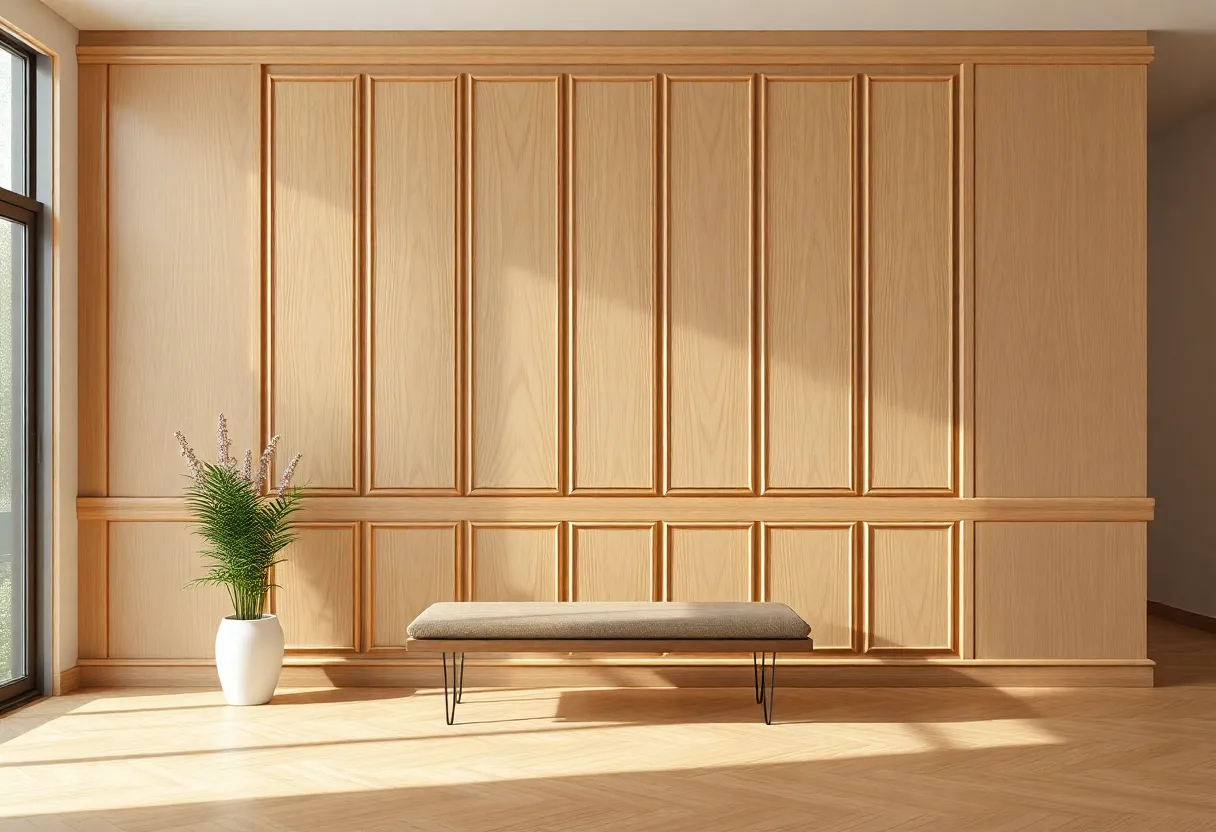
CNC-machined HDU provides a cost-effective alternative to carved stone, cast plaster, and wood millwork for decorative architectural elements. It installs with standard construction adhesives and can be painted to match any finish specification.
- Facade trim profiles, cornices, and crown details
- Column capitals, pilasters, and decorative brackets
- Medallions, rosettes, and ceiling relief panels
- Custom moldings and frame surrounds
HDU architectural elements are lighter than plaster and more dimensionally stable than wood in exterior environments
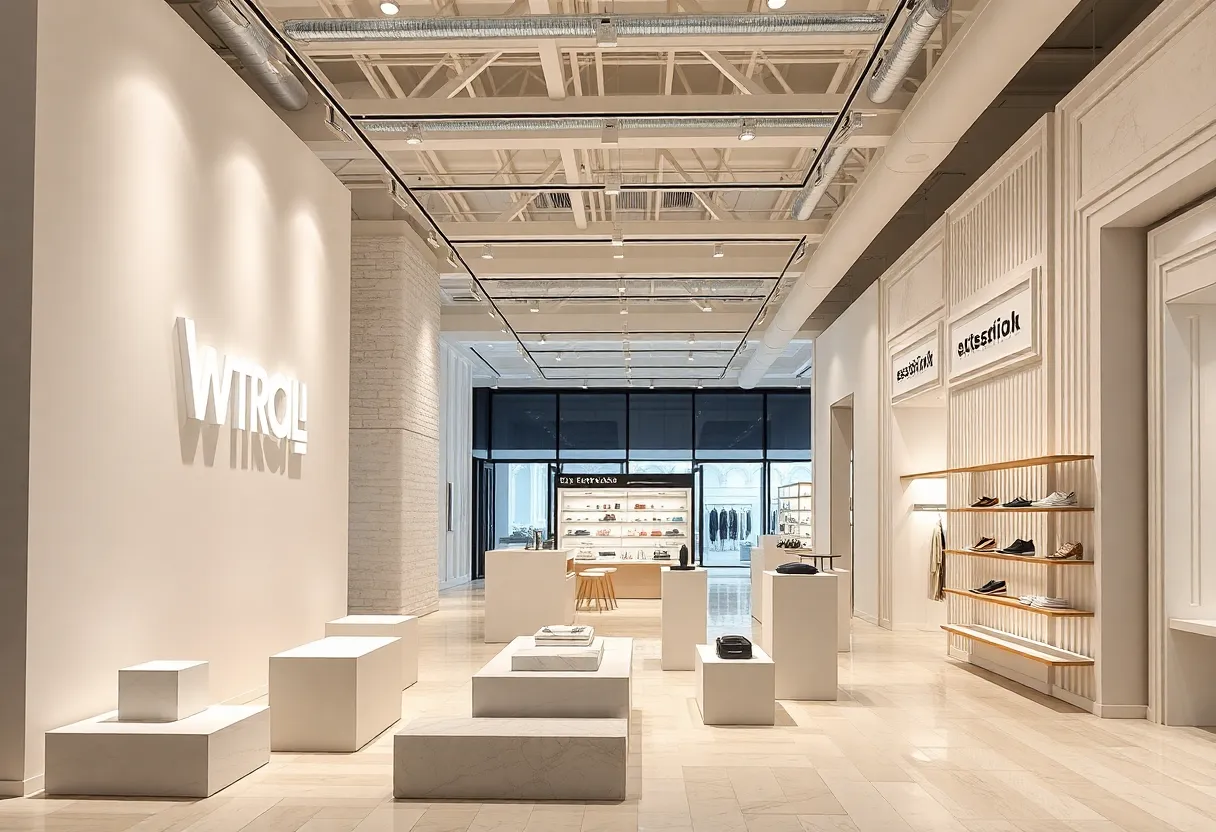
HDU's combination of low weight, machinability, and paintability makes it the material of choice for temporary and permanent installations in exhibit, retail, and film set environments.
- Lightweight sculpted forms and prop construction
- Museum exhibit panels and dimensional displays
- Retail environment fixture elements and brand installations
- Themed environment set pieces and scenic elements
HDU can be shaped, routed, glued, and painted to simulate stone, wood, metal, and other materials
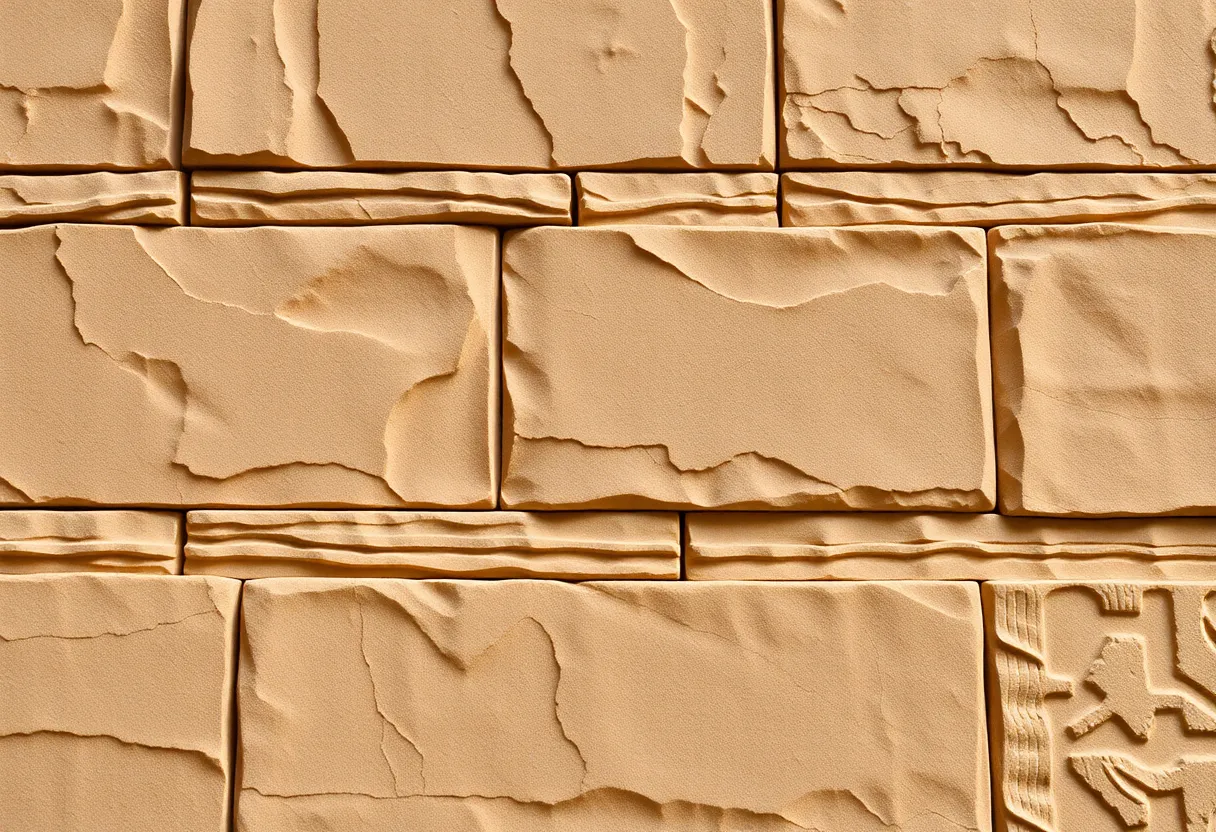
HDU is fully exterior-rated and does not rot, warp, or check in outdoor environments. It is used for decorative exterior installations where wood would require ongoing maintenance or fail prematurely.
- Faux stone and carved stone-look panel systems
- Exterior ornamental details and carved accents
- Outdoor business signage with long service life
- Entry statement elements and monument sign inserts
A properly finished HDU exterior installation will typically outlast an equivalent painted wood installation
How HDU Is CNC Fabricated
HDU machines exceptionally well on standard CNC routing equipment. Its consistent density and absence of grain direction make it predictable to cut, carve, and profile at any scale.
2D CNC Cutting & Profiling
HDU profiles cleanly with standard end mills and spiral upcut bits. Clean edge quality at any thickness makes it well-suited for sign blanks, panel cutouts, and shaped architectural components that require precise outer profiles with smooth sawn edges.
Best For
- Sign blank profiling and shape cutting
- Architectural panel cutouts and shaped elements
- Layered sign construction from stacked profiled sheets
Is This Material Right for Your Project?
HDU is the right material when a project requires exterior durability, fine CNC detail, and design flexibility -- particularly in signage and architectural contexts where wood presents maintenance or performance limitations.
Ideal For
- ✓Signage companies fabricating dimensional business and retail signs
- ✓Architects and millwork shops specifying decorative facade and interior detailing
- ✓Retail designers needing branded environmental elements with exterior durability
- ✓Exhibit builders requiring lightweight sculpted forms that accept realistic painted finishes
- ✓Film and set designers fabricating props and scenic elements
- ✓Any CNC shop producing work that requires grain-free surface consistency
May Not Be Ideal For
- –Structural or load-bearing applications -- HDU has no mechanical strength
- –High-temperature environments above 150°F -- urethane foam softens under sustained heat
- –Continuous water immersion -- exterior-rated but not submersible
- –Projects where material cost is a hard constraint -- HDU is more expensive than MDF or pine
- –Applications requiring natural wood grain appearance and texture
HDU vs Wood, PVC Foam & Metal Signage
HDU occupies a specific performance tier: better than wood for outdoor durability and CNC consistency, more workable than metal, and more detail-capable than standard PVC foam. Understanding these comparisons clarifies when HDU is the right specification.
HDU vs Wood
- HDU has no grain direction -- no tear-out on fine detail, no checking at corners or endpoints
- HDU is exterior-rated without sealing or annual maintenance; painted wood requires ongoing upkeep
- HDU accepts primer and paint uniformly across carved surfaces; wood grain absorbs paint at different rates
- Wood is typically less expensive per sheet; HDU's lower labor cost on CNC carving often offsets this
Choose HDU for exterior signage and any CNC work where grain tear-out or long-term weather performance is a concern. Choose wood when a natural grain appearance is part of the design intent.
HDU vs PVC Foam Board
- HDU holds finer CNC detail than most PVC foam grades -- better for intricate lettering and deep 3D relief
- PVC foam is slightly harder on the surface and more resistant to dents and scuffs in installed signage
- Both are exterior-rated and paintable with similar finishes
- PVC foam sheet stock is generally less expensive; HDU sign-blank grades are comparable in cost
Choose HDU for intricate CNC carving and deep relief work. Choose PVC foam for flat-panel sign applications where surface hardness and scuff resistance matter more than carving resolution.
HDU vs Metal Signage
- HDU is significantly lighter than aluminum or steel -- easier to install, lower shipping cost
- Metal signage offers greater durability and a premium material presence HDU cannot fully replicate
- HDU can be finished to simulate metal appearances; it is not a replacement for actual metal aesthetics
- CNC routing HDU is faster and less expensive than waterjet or plasma cutting metal for comparable shapes
Choose metal for permanent, high-traffic, or premium exterior signage where material presence matters. Choose HDU for budget-sensitive projects, complex carved forms, or installations where weight is a constraint.
How HDU Affects Project Cost
HDU is a mid-tier material by sheet cost but frequently reduces total project cost vs. wood through lower CNC labor time, no grain-related finishing issues, and elimination of maintenance costs for exterior installations.
Cost Impact by Construction Method
Standard Sheet HDU (Medium Density)
Standard medium-density HDU sign blanks for flat-panel and shallow-relief CNC work. Most dimensional signage falls in this category.
Includes
- Medium-density HDU sheet (1" or 1.5" typical)
- 2D profile cutting and shallow V-carve
- Exterior primer and two-coat painted finish
Best For
Deep Relief Carving Projects
3D relief carving and complex sculptural work adds significant CNC machine time and typically requires thicker stock. Setup, toolpath complexity, and finishing labor drive cost.
Includes
- 2" or greater HDU stock for deep relief depth
- Multi-pass 3D toolpaths and fine detail finishing passes
- Specialty finish coatings for dimensional effect
Best For
High-Density Specialty Applications
High-density HDU grades for fine-detail carving and maximum exterior performance command a material premium over standard grades, plus the CNC time for fine-resolution toolpaths.
Includes
- High-density HDU substrate
- Fine-detail multi-pass CNC carving
- Premium exterior coating system
Best For
What Actually Drives HDU Cost
- ·Material density grade -- high-density HDU costs significantly more than standard grades
- ·CNC machine time -- 3D relief carving and fine-detail passes add hours to production
- ·Finish specification -- basic primer-and-paint vs. specialty exterior coating systems
- ·Stock thickness -- thicker blanks for deep relief carving add material cost
Key Insight
HDU's total project cost advantage over wood is most pronounced on exterior installations. Elimination of annual maintenance, no rot or warping replacement, and consistent paint adhesion make HDU economically competitive on a lifetime cost basis even when sheet price is higher.
Finishes & Design Guidance
HDU's surface is dense and uniform -- it accepts primers, paints, and specialty coatings more consistently than wood because there is no grain to create differential absorption. A carved HDU surface, once primed, is virtually indistinguishable from painted wood or lightweight composite. Specialty finishes including faux stone, metallic, and aged effects are all achievable on HDU substrates.
Primed for Paint
HDU accepts oil-based and water-based primer uniformly across both flat and carved surfaces. Priming is the standard preparation for any painted HDU signage or architectural element -- two-coat primer builds a durable base that eliminates the slight texture of the foam surface.
Exterior Coatings
Exterior-rated urethane and polyurea topcoats provide the highest protection for outdoor HDU installations. These coatings bond to primed HDU and create a flexible, weather-resistant shell that extends service life significantly compared to standard latex paint in exposed applications.
Faux Stone & Textured Finishes
HDU's CNC-textured surface accepts stone, stucco, and specialty textured coating systems. Carved surface texture combined with specialty paint techniques produces convincing faux limestone, sandstone, and cast stone appearances -- at a fraction of the weight and installation complexity of real stone.
Pro Tip
Test your primer on an HDU offcut before committing to a production finish schedule. Oil-based primers typically bond more aggressively to HDU foam and provide better isolation against solvent blush from topcoats. Water-based products work well but may require an extra coat over deeply carved surfaces.
Frequently Asked Questions
What is HDU and what is it used for in custom fabrication?
Why is HDU preferred over wood for exterior signs and carved elements?
How much does HDU cost compared to wood for sign and architectural work?
What CNC operations are possible with HDU?
What finishes are used on HDU?
Is HDU UV-resistant for exterior use?
What density of HDU is recommended for different applications?
Can HDU be used for interior architectural millwork?
Ready to Get Started?
Tap our network of partner CNC woodworking shops today. Submit your project details and get a competitive, best-match quote from specialists in your area.
Get a Quote