CNC Routing Services for Wood, Plastics, Composites & Custom Fabrication
Hardwood and plywood, acrylic, composites, foam and aluminum, routed to tolerances as tight as +/-0.01 inches. Send your files and we source the shop set up for the material, then come back with one quote.
STEP · STL · IGES · DWG · DXF · PDF · and more
Uploads are secure & confidential
Specialties
CNC Routing for Custom Cabinet Doors, Drawer Fronts & Casework
CNC fabrication for custom cabinet doors, drawer fronts, and casework. Shaker, slab, and frameless systems built for kitchens, built-ins, and millwork.
CNC Routing for Custom Cabinet Doors & Interior Door Panels
CNC routing for custom cabinet doors -- shaker, slab, and raised panel. Precision door manufacturing for kitchens, interiors, and commercial millwork.
CNC Routing for Custom Signs, Dimensional Lettering & Carved Signage
CNC routing for custom signs, dimensional lettering, and carved signage. V-carving, relief carving, and flat-cut signs in HDU, wood, and MDF.
How It Works
CNC (Computer Numerical Control) routing is a subtractive machining process that uses rotating cutting tools to shape materials along a programmed path. Unlike CNC milling, which operates on three axes and handles harder metals, CNC routing specializes in softer materials and achieves excellent edge quality on wood, plastic, composite, and foam. Our process begins with your digital design file (DXF, DWG, or PDF). We convert your design into machine code, run feasibility checks, and set up your material on our routing bed. The cutting tool then follows the programmed path with precision, removing material to create your custom shape. Typical turnaround: 3–5 business days for standard jobs; rush options available. For CNC cabinet manufacturing specifically, door styles, box construction, sheet nesting, and hardware integration, see [CNC Routing for Cabinets](/capabilities/cnc-routing-cabinets).
Design File
Upload DXF, DWG, PDF, or AI
Programming
Convert to machine code + feasibility check
Setup
Material loaded on the routing bed
Routing
Cutting tool follows the programmed path
Finishing
Optional sanding, edge banding, coating
Delivery
Shipped nationwide or local pickup
Faster production than traditional methods, repeat accuracy across part runs, intricate detail capability, minimal material waste, and cost-effective short to mid-volume production.
Materials We Route
Our routing capabilities span a wide range of materials.
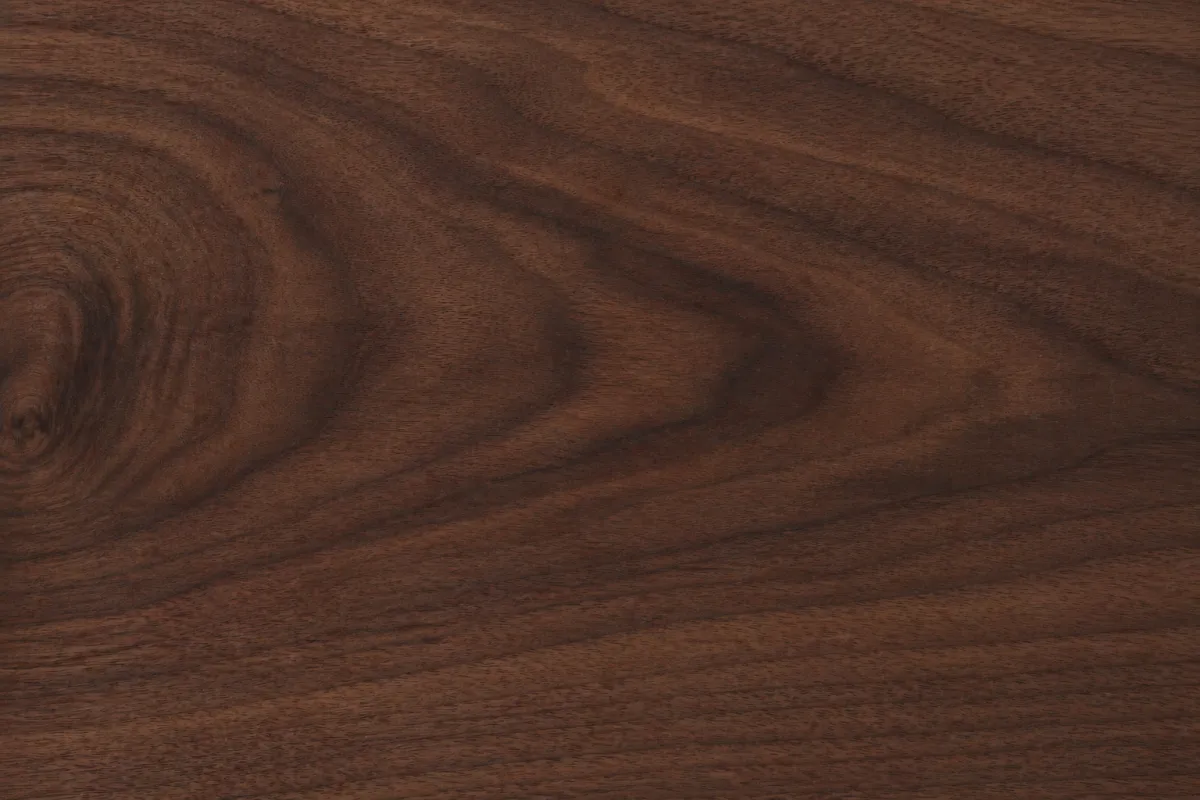
Walnut
Domestic hardwood with rich color and tight grain. See our dedicated Walnut Furniture & Millwork page for finishes and cost factors.
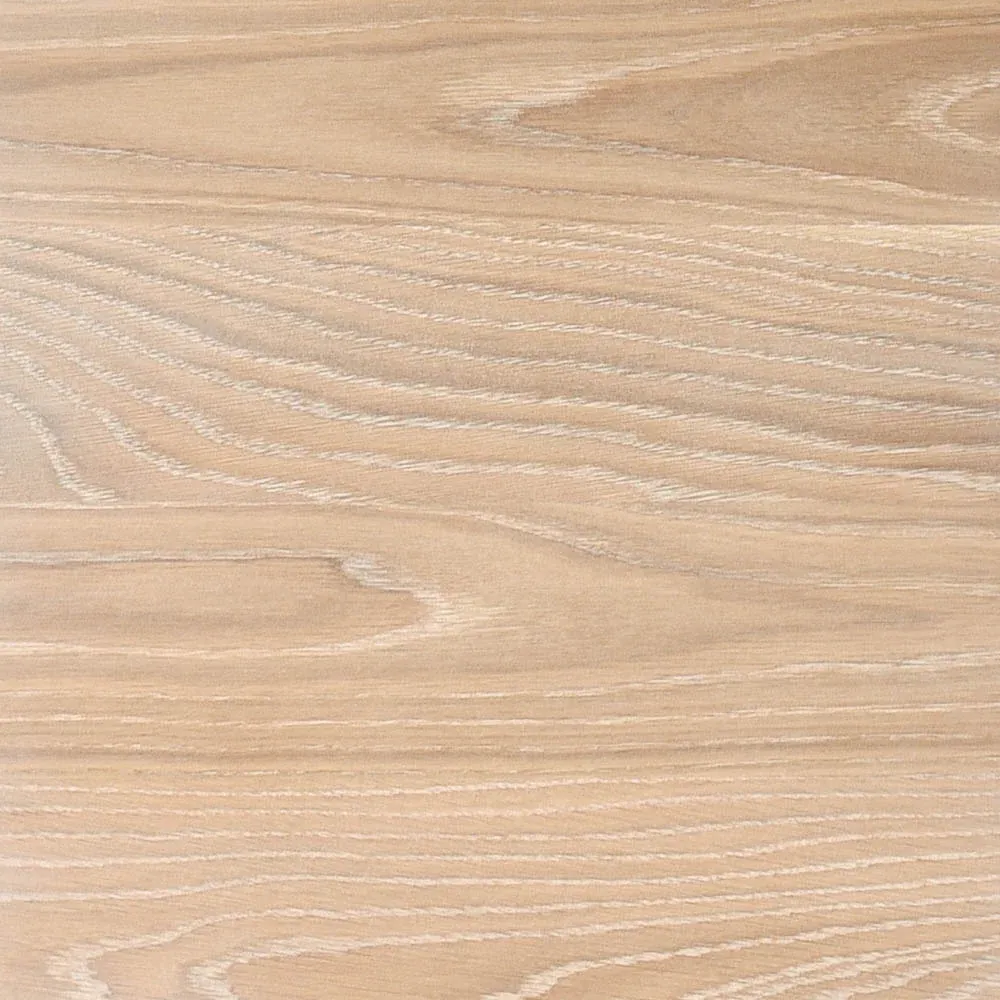
White Oak
Tight grain, durable, pairs well with stains and clear finishes, popular for cabinetry and architectural panels.
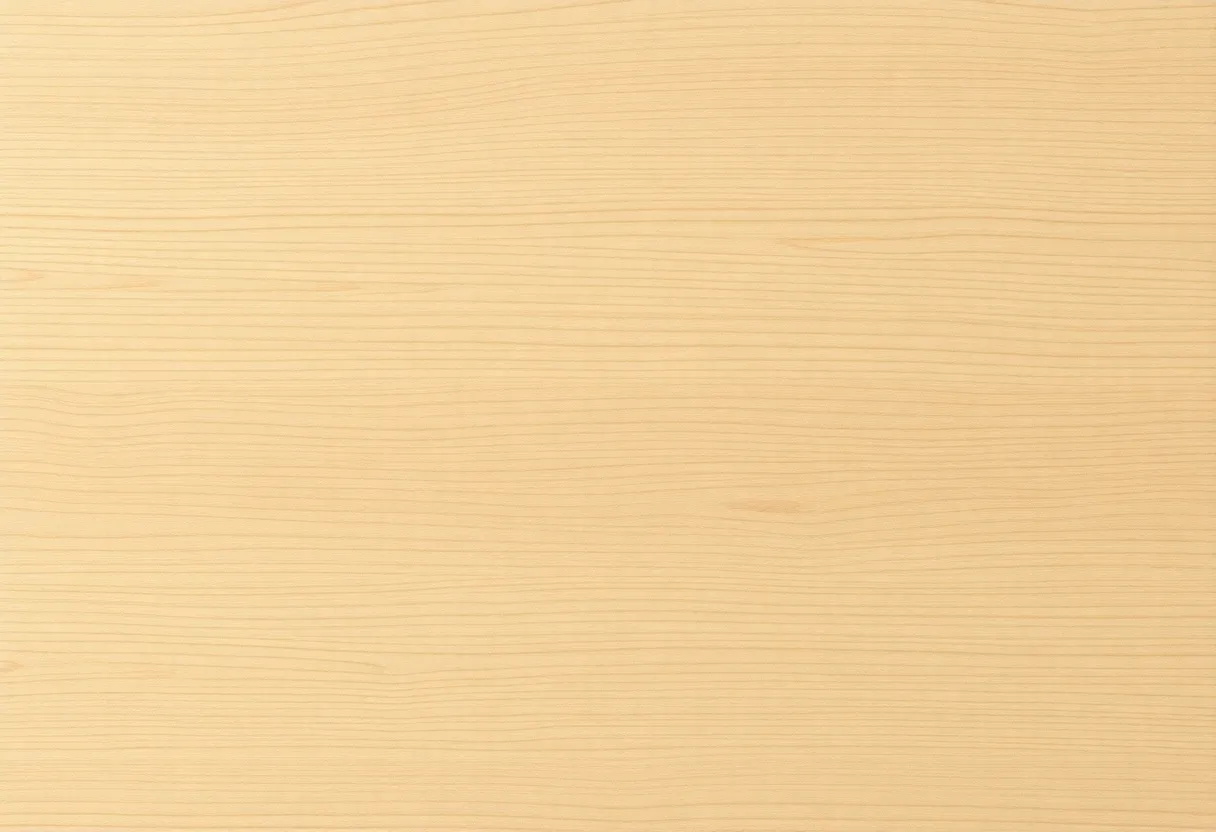
Hard Maple
Pale, fine-textured hardwood ideal for high-traffic surfaces, cabinetry, and painted finishes.
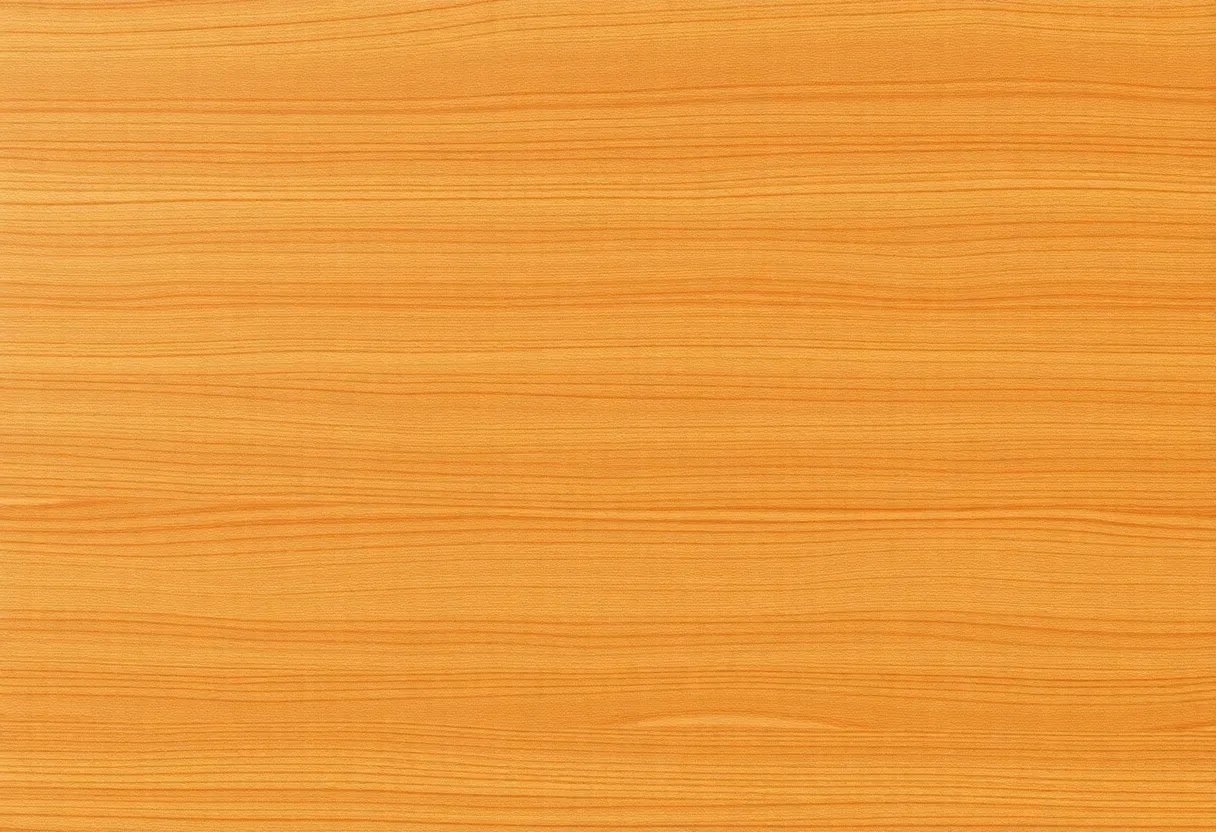
Cherry
Warm reddish-brown that deepens with age. Smooth grain, excellent for furniture-grade cabinetry.
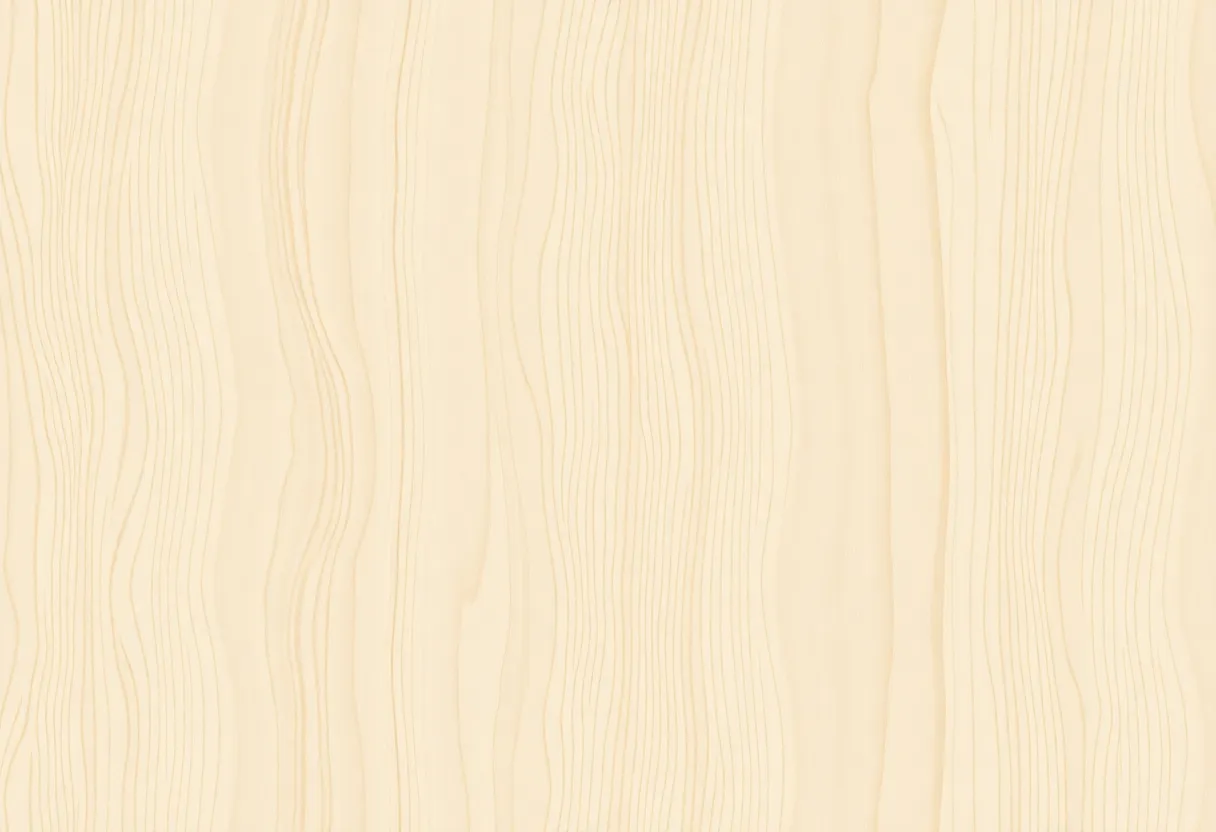
Baltic Birch Plywood
Premium multi-ply panel, clean cuts on cross-grain, void-free core, ideal for cabinet boxes and jigs.
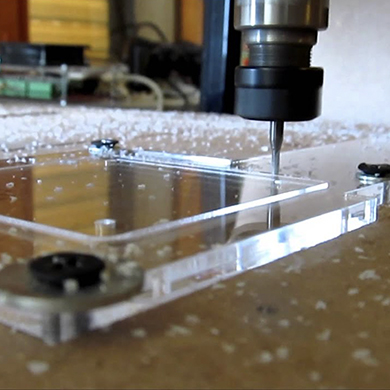
Plastics
Acrylic, HDPE, polycarbonate, PVC, and other thermoplastics with excellent edge quality.
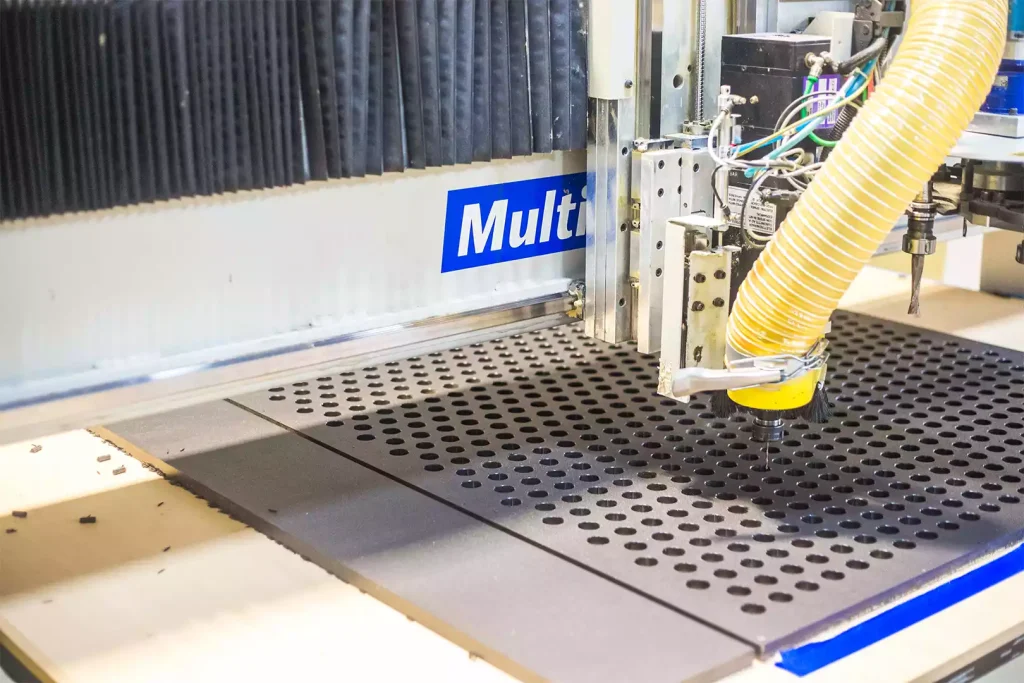
Composites
Fiberglass-reinforced panels, carbon fiber, and glass-filled resins for aerospace and marine applications.
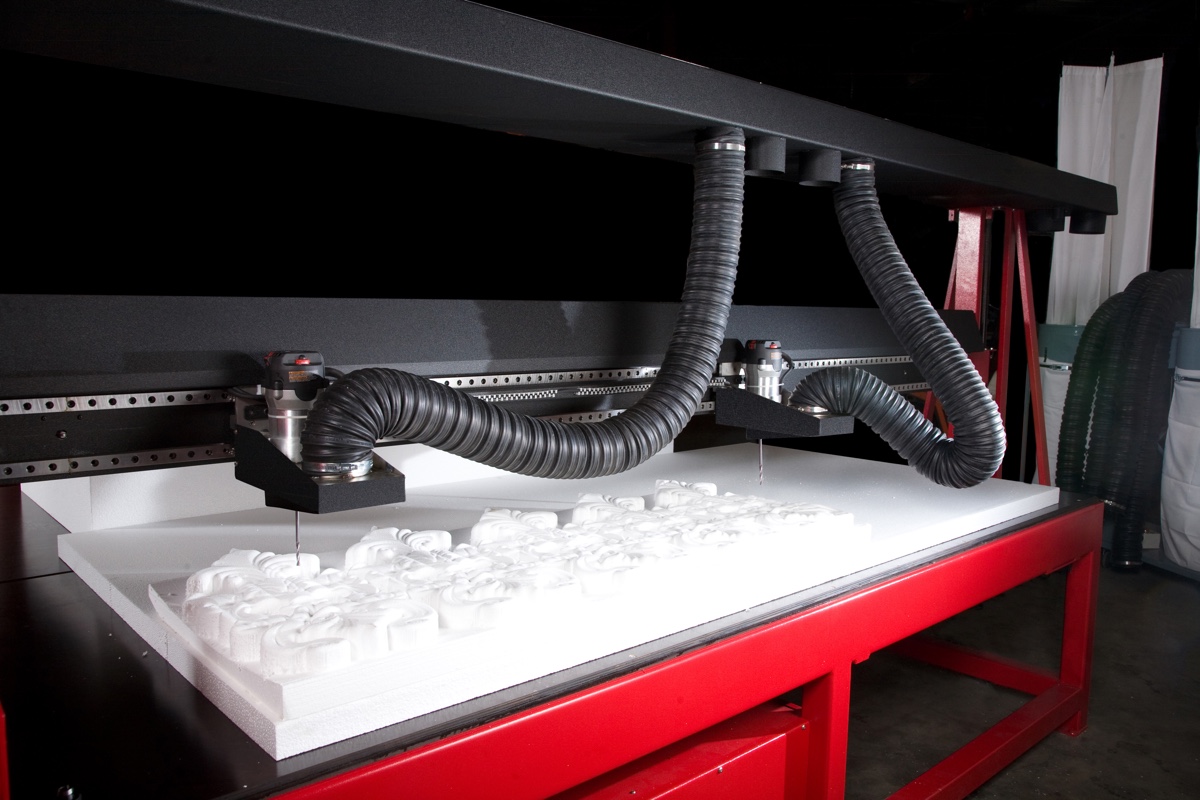
Foam
Rigid foam, structural foam, and EPS for prototyping, signage, and lightweight components.
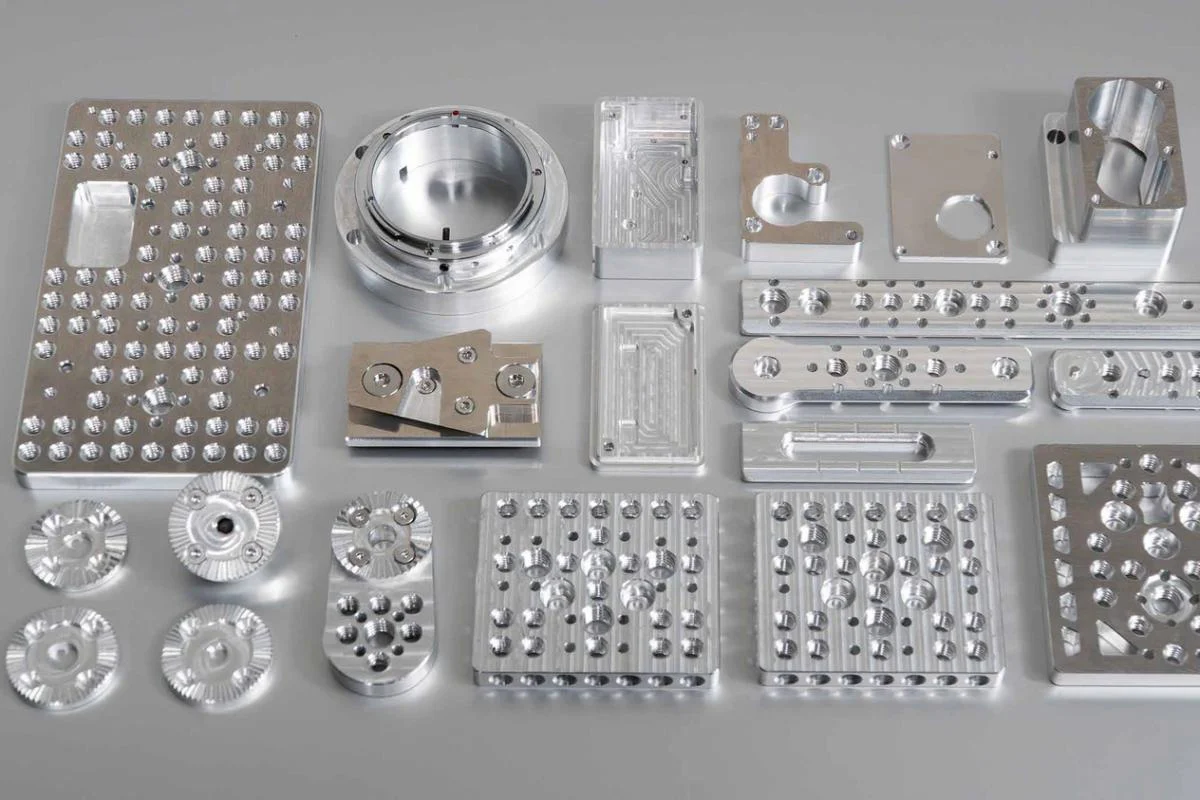
Aluminum
Soft aluminum alloys (up to 6061-T6) for custom panels and frames where edge finish and precision are critical.
Precision & Specifications
What you can expect from our routing process.
| Standard tolerance | ±0.03 in. (up to 24 in. dimensions) |
|---|---|
| Tight tolerance (extra) | ±0.01 to ±0.02 in. on critical features |
| Surface finish | Standard tool marks; sanded or mirror finishes available |
| Min feature size | 0.125 in. interior corners and tight radii |
| File formats | DXF, DWG, PDF (vector), AI, CorelDRAW |
| Edge quality | Clean on most materials; minor cross-grain chipping on wood |
| Color & finish | Routing is mechanical; staining/painting/edge-banding are secondary operations |
Design for Manufacturability
Avoid extremely long, thin walls (prone to vibration); keep inside corners at minimum 0.125-inch radius; specify material thickness clearly. Acrylic may show white stress marks on internal cuts.
Cost & Pricing
CNC routing cost is driven by several factors. The ranges below are illustrative, your actual quote depends on your specific project.
What drives cost
Material cost
Wood is typically $15–$80 per sheet (walnut higher than pine). Plastic and composites $20–$150+. Aluminum $40–$200+.
Setup & tooling
A one-time programming and setup fee ($50–$150) applies per unique design. Repeat orders reuse the same setup.
Run quantity
Single parts cost more per unit than production runs. Batches of 5–50 units reduce unit cost by 20–40% vs. one-offs.
Complexity
Simple rectangular cuts cost less. Intricate detail, tight tolerances, and secondary operations increase price.
Turnaround
Standard 3–5 business day turnaround is included. Rush orders (24–48 hour) incur a 15–25% premium.
Typical ranges
| Individual component | $25–$150 |
|---|---|
| Door panel | $40–$300 |
| Custom signage | $100–$500+ |
Illustrative ranges, request a quote for actual pricing on your project.
Why Choose OpenSpindle
Fast turnaround
Standard 3–5 business day turnaround with 24–48 hour rush options for critical timelines.
Tight tolerances
Standard ±0.03 in., with ±0.01 in. achievable on critical features through secondary operations.
Materials expertise
Hardwood, softwood, plywood, plastics, composites, foam, and aluminum, one shop, one quote.
Local service
Direct communication with the people running the machines. No middleman, no surprises.
Frequently Asked Questions
What is CNC routing and how does it differ from other cutting methods?
What tolerances can you hold on CNC routed parts?
What materials can you CNC route?
What file formats do you accept for CNC routing?
How much does CNC routing cost per piece or per sheet?
How long does CNC routing take from file to finished part?
Is there a minimum order quantity for CNC routing?
Do you offer finishing services after CNC routing?
Can you CNC route aluminum?
How do I request a CNC routing quote?
Ready to Get Started?
Tap our network of partner CNC woodworking shops today. Submit your project details and get a competitive, best-match quote from specialists in your area.
Get a Quote