 Made on OpenSpindle
Swiss Machining partMade on OpenSpindle
The lowest per-part cost at scale, once tooling amortizes. Mass production by molding, casting, stamping, and machining for thousands to millions of parts. Upload your CAD files or drawings and we'll send you one matched quote from a qualified manufacturing partner, with tooling and per-part pricing broken out.
STEP · STL · IGES · DWG · DXF · SLDPRT · and more
No CAD file? Describe your project instead
Made on OpenSpindleSend a part and get a real price. Nothing to commit to, no cost to ask.
One lead from quote to delivery who has sourced it before.
NDA on request. Files shared only with matched shops.
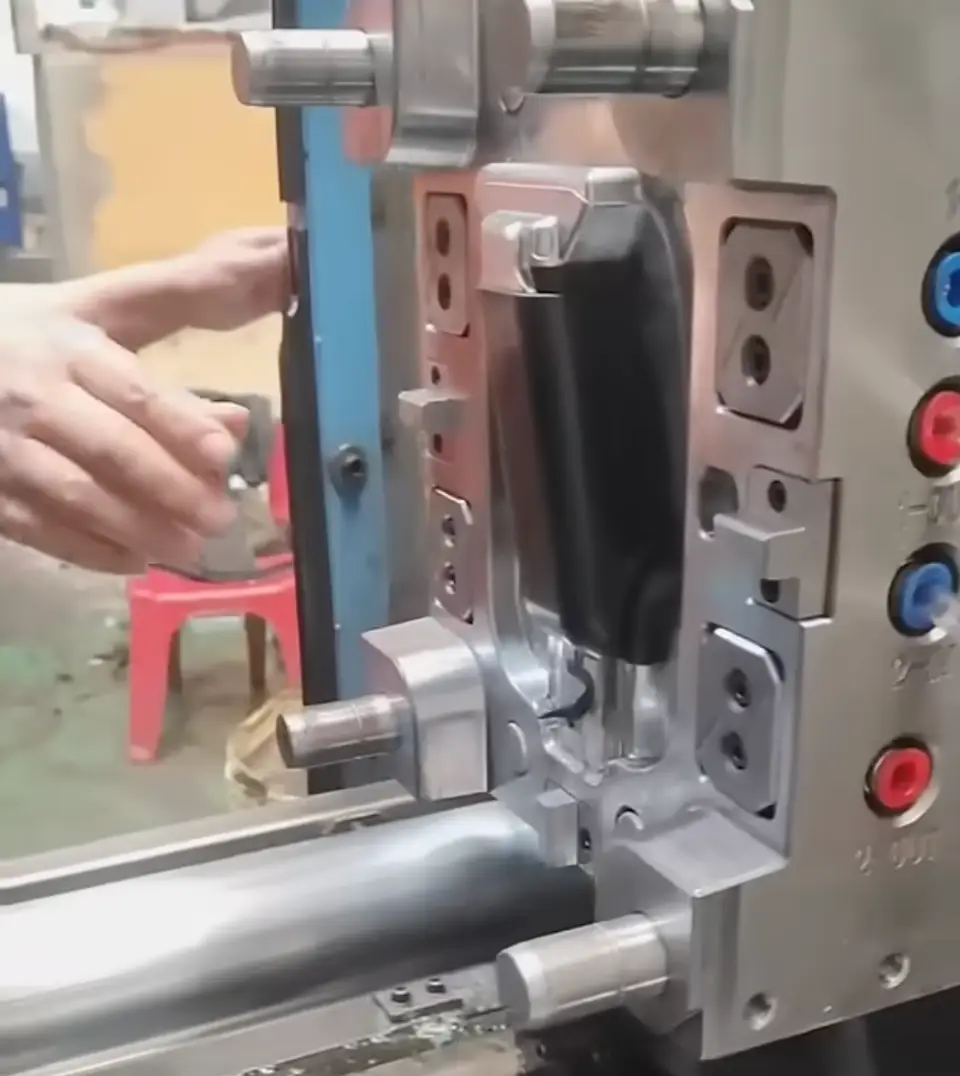 Injection MoldingTypical Lead time4-8 weeks toolingVolume1,000+Lowest per-part cost for plastic parts once the mold is cut.
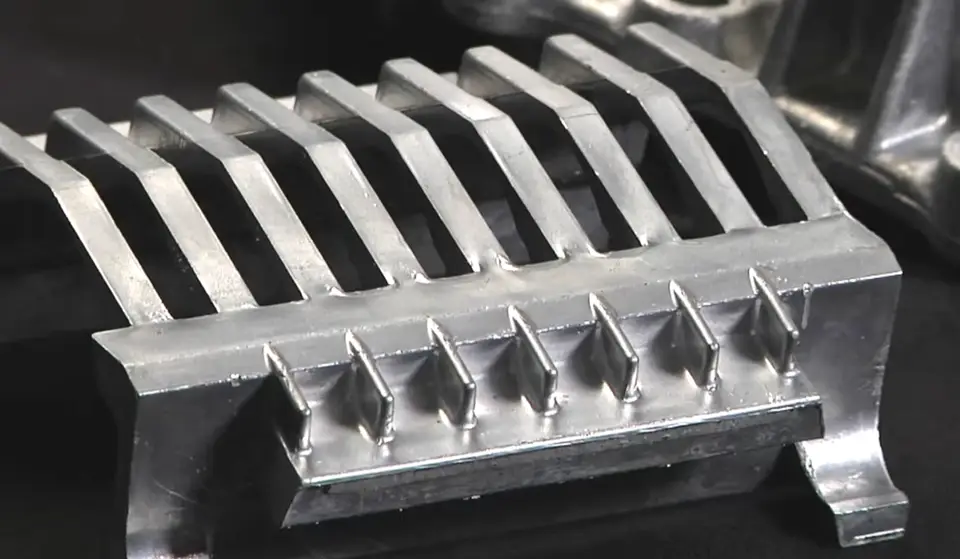 Die CastingTypical Lead time6-10 weeks toolingVolume1,000+Net-shape metal parts at volume, in aluminum and zinc.
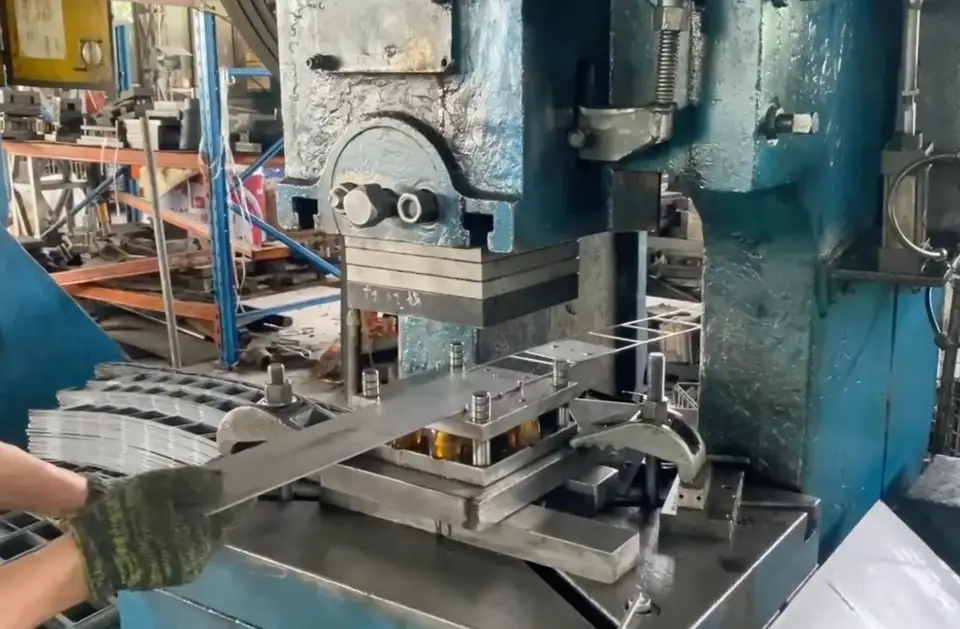 Metal StampingTypical Lead time6-12 weeks toolingVolume10,000+Flat and formed metal parts at the lowest cost at high volume.
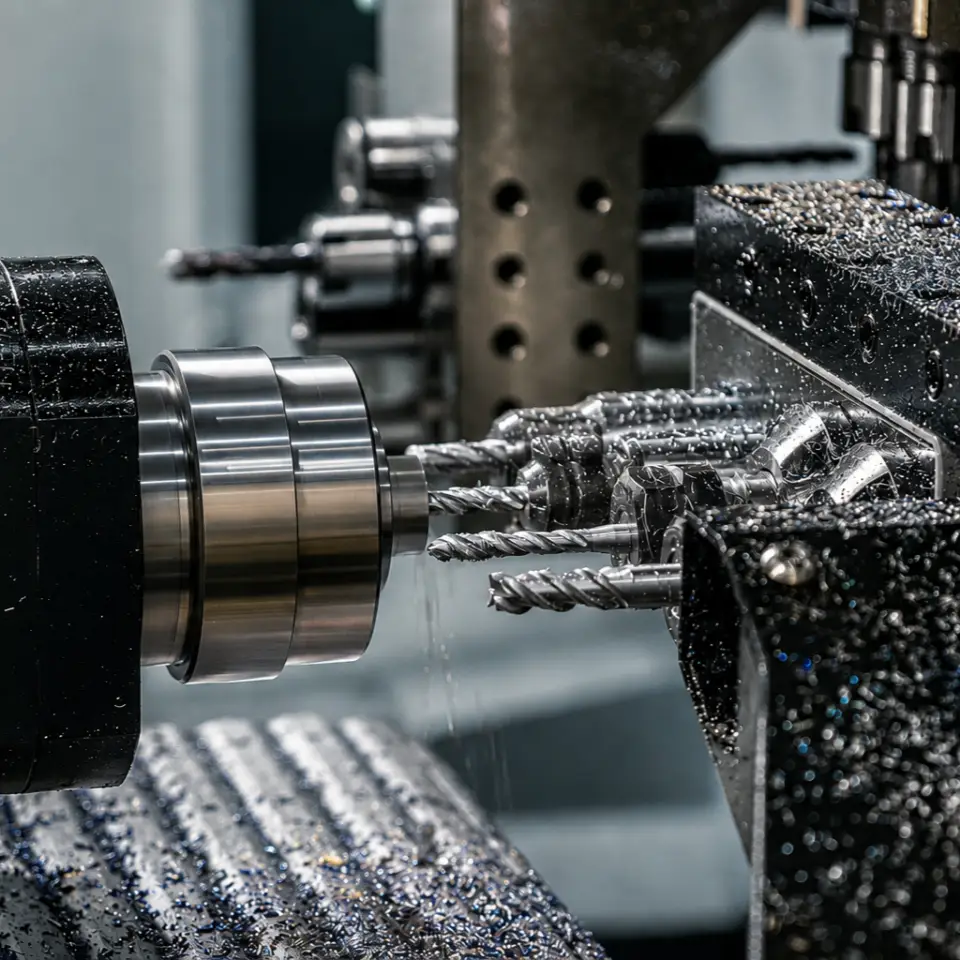
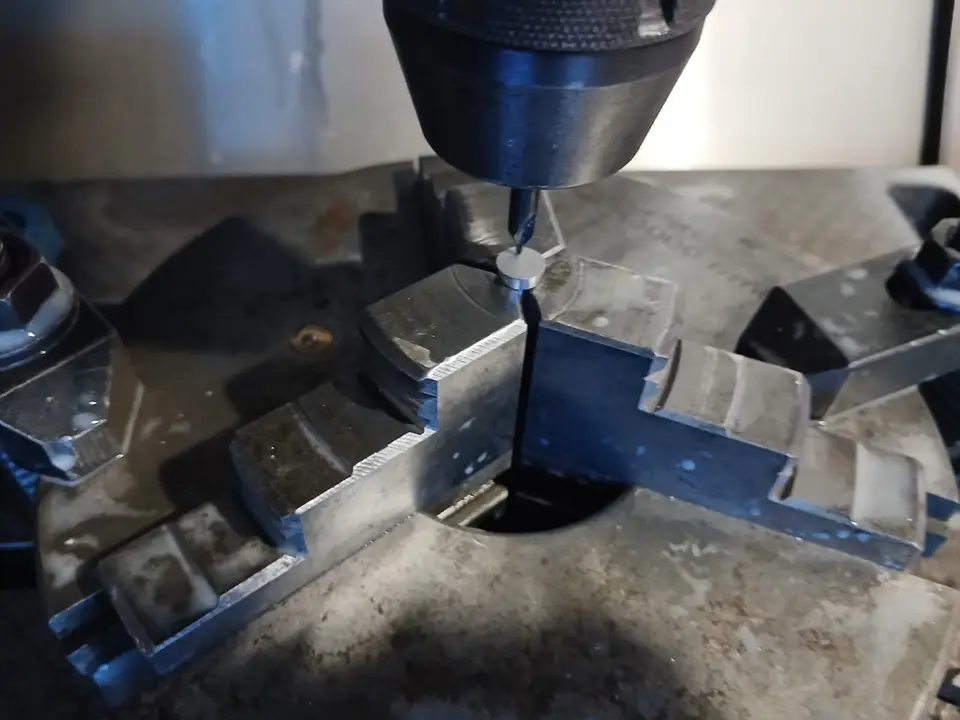 CNC MachiningTypical Lead time1-3 weeksVolume100-10,000No tooling required, so it fits precision production without a mold.Swiss MachiningTypical Lead time2-4 weeksVolume1,000+Small turned parts held tight and produced fast at volume.
A CAD file or a sketch. Free quote in about 24 hours.
The best-fit shop from our network makes it, on your timeline.
Inspected, shipped and tracked in your inbox.
| Approach | Best for | Lead time | Cost |
|---|---|---|---|
| Injection molding | Plastic parts at scale | Lead time: 4-8 wk tool | Cost: lowest/part |
| Die casting | Metal parts at scale | Lead time: 6-10 wk tool | Cost: low/part |
| Metal stamping | Flat and formed metal | Lead time: 6-12 wk tool | Cost: lowest/part at 10k+ |
| CNC | No tooling, precision | Lead time: 1-3 wk | Cost: $$$/part |
The mold, die, or stamping tool is a one-time expense. Per-part price falls as volume rises, because that fixed cost spreads across more parts.
Plastic parts point to injection molding, metal parts to die casting or stamping, and precision or low-tooling-budget parts to CNC. The right fit depends on your material and shape, not just your volume.
Ask shops to price your actual annual volume and the next production tier up, so you can see where a bigger tool or a different process starts to pay off.
At production volumes, how a shop controls quality is as important as its price. Look for the inspection and documentation your part needs, such as PPAP, first-article inspection, in-process checks, and lot traceability, and say up front which are required.
Upload your part and we'll source tooling cost and per-part pricing at volume from qualified manufacturing partners.
STEP · STL · IGES · DWG · DXF · SLDPRT · and more
No CAD file? Describe your project instead
Mass production is making large quantities of the same part at the lowest possible per-part cost, using tooling and repeatable processes like injection molding, die casting, and metal stamping. It is the high-volume end of manufacturing, where a one-time tooling investment is spread across thousands to millions of identical parts. On OpenSpindle it is the same thing as high-volume manufacturing: upload your part and get matched to independent shops set up to run it at scale.
High volume generally starts around 1,000 parts and runs into the millions. Below that, a process with no or low tooling cost, like CNC machining or 3D printing, usually beats paying for a mold or die. Once your annual volume clears roughly 1,000 to 10,000 units depending on the part, tooling starts to pay for itself through a much lower per-part price.
Injection molding and metal stamping both hit the lowest per-part cost at scale, once their tooling is amortized. Molding wins for plastic parts, stamping for flat or formed sheet-metal parts at very high volumes (commonly 10,000+ units). Die casting is the metal equivalent of molding for net-shape parts. The right answer depends on your material and geometry, not just volume, so quote more than one process.
Tooling is a fixed, one-time cost. Divide it across the number of parts you run, and the tooling contribution to each part drops as volume rises. A mold that adds a few dollars per part at 1,000 units might add only cents per part at 100,000. That is why shops quote both a tooling price and a separate per-part price, so you can see the total cost at different volumes.
Most programs start with a low-cost prototype process (3D printing, CNC machining, or a soft prototype tool) to validate the design, then move to production tooling once the design is locked. For molded or cast parts, that often means a prototype aluminum tool first, followed by a hardened production tool once volume is confirmed. Tell shops your prototype process and target production volume so they can plan the tooling transition.
Yes. Production programs are built for repeat orders: your tooling stays with the shop that runs it, parts are saved to your OpenSpindle parts library for quick reorders, and larger or ongoing programs can be planned around your release schedule. If a program needs redundancy, we can help line up more than one qualified shop.