 Made on OpenSpindle
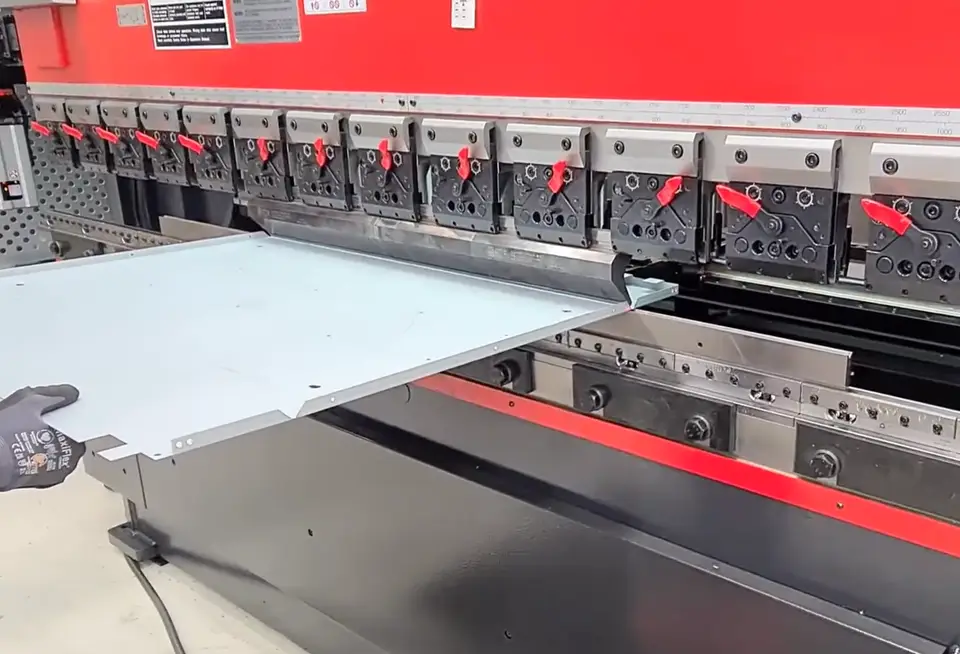
Sheet Metal & Press Brake partMade on OpenSpindle
Custom metal parts and welded assemblies, from a single bracket to a finished frame. Send the whole job, cutting, forming, machining, welding, hardware, and finish, and we'll source one quote from independent fabrication shops in our network.
STEP · STL · IGES · DWG · DXF · SLDPRT · and more
No CAD file? Describe your project instead
Made on OpenSpindleMetal fabrication is the work of turning raw sheet, plate, tube, and bar into finished parts and assemblies by cutting, forming, machining, and joining them. A typical job is laser or plasma cut, bent on a press brake, welded, fitted with hardware, and then powder coated or plated. Custom metal fabrication means the part is built to your drawing rather than picked from a catalog.
Last reviewed
Send a part and get a real price. Nothing to commit to, no cost to ask.
One lead from quote to delivery who has sourced it before.
NDA on request. Files shared only with matched shops.
A CAD file or a sketch. Free quote in about 24 hours.
The best-fit shop from our network makes it, on your timeline.
Inspected, shipped and tracked in your inbox.
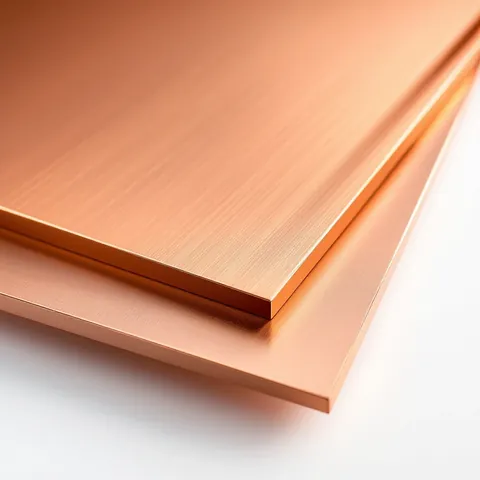
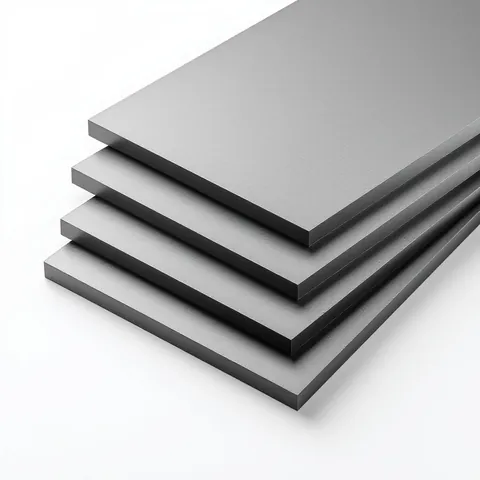
Sheet, plate, tube, and structural shapes in the common fabrication alloys. If yours is not here, ask when you request a quote.
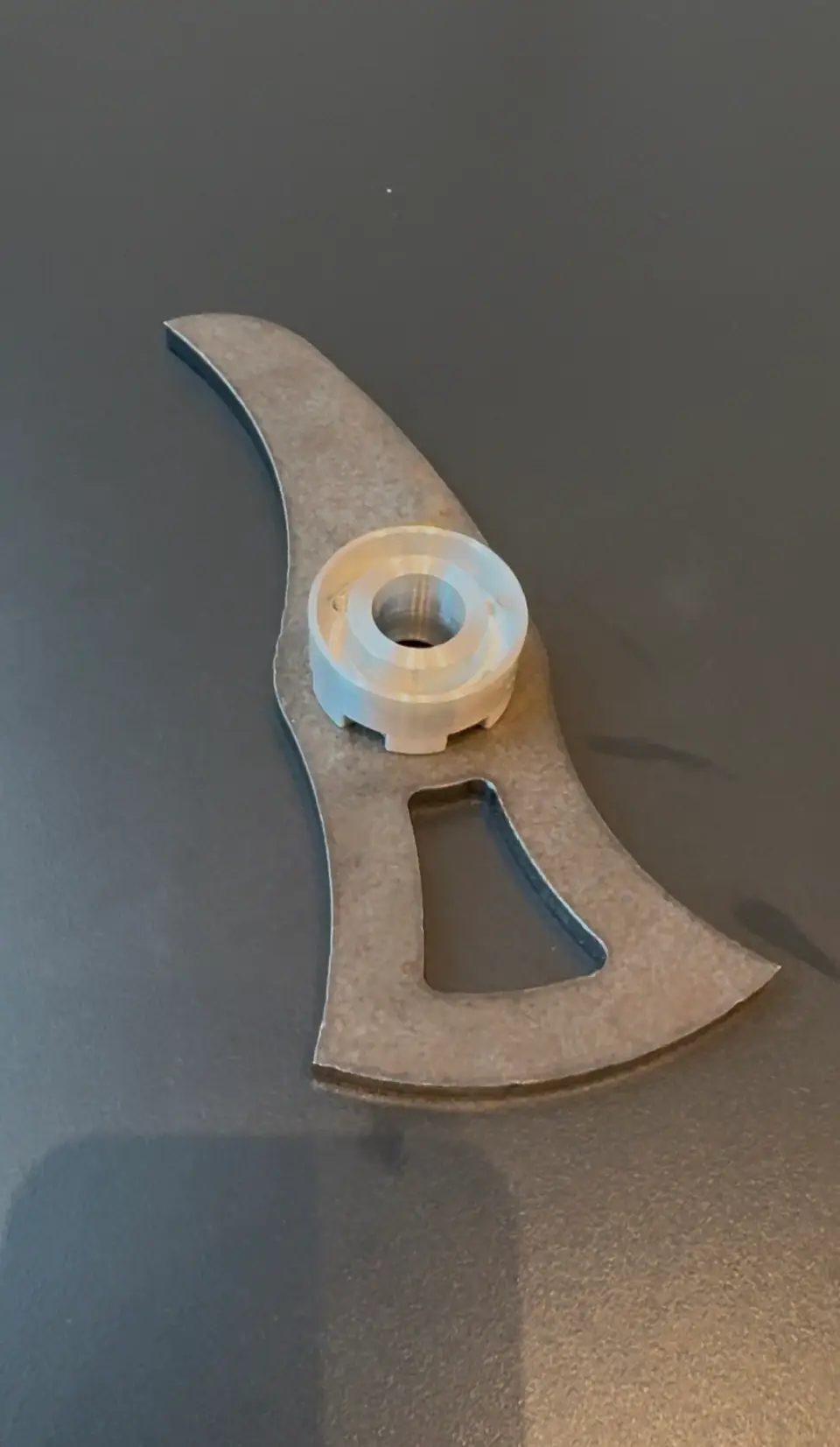
| Feature | With a drawing | No drawing supplied |
|---|---|---|
| Laser or waterjet cut edge | ±0.005 in | ±0.010 in |
| Press brake bend angle | ±1° | ±1° |
| Formed dimension (across a bend) | ±0.010 in | ±0.020 in |
| Welded assembly overall | ±0.030 in | ISO 13920 Class B |
| Machined feature (after welding) | ±0.005 in | ±0.010 in |
Each step adds its own variation, so a welded assembly holds looser overall dimensions than a single cut blank. Call out the features that must be precise and the shop machines them after welding.
Most fabricated parts pass through several of these steps. Quoting them together is what keeps a multi-step job from turning into four separate orders.
| Step | Typical methods | What it adds |
|---|---|---|
| Cut | Laser, plasma, waterjet, saw | Flat blanks, profiles, holes, and cut tube |
| Form | Press brake, roll forming, tube bending | Bends, flanges, hems, rolled cylinders, bent frames |
| Machine | CNC milling, turning, drilling, tapping | Precise bores, faces, threads, and pockets |
| Join | TIG, MIG, and spot welding, riveting | Frames, enclosures, brackets, and structural assemblies |
| Hardware | PEM inserts, studs, standoffs, rivet nuts | Threads and fastening points in thin material |
| Finish | Powder coat, paint, plating, anodize, grinding | Corrosion protection and appearance |
Not every part needs every step. Tell us what the drawing calls for and the shop plans the route.
The choices that most often decide whether a fabricated part is simple or expensive.
| Design rule | Typical spec | Why |
|---|---|---|
| Inside bend radius | ≥ material thickness | A safe default. Tighter or custom radii need specific tooling, so say so on the drawing. |
| Hole to bend distance | ≥ 2x thickness + radius | Closer holes stretch or distort when the flange is bent. |
| Weld access | torch can reach both sides | Boxed-in seams force awkward positions or extra fit-up. |
| Weldable alloys | 5052 / 6061 Al, 304L / 316L | 7075 and 2024 aluminum weld poorly; plan to bolt or rivet them. |
| Mixed thickness | keep one gauge where possible | Each gauge is a separate cut and setup; fewer gauges cut cost. |
| Finish callout | state finish and color | Powder coat and plating change fit on tight holes and threads. |
Guidelines, not hard limits. A shop advises on your specific part.
The shop picks the method from your CAD, and the quote tells you which.
Applied last, after all welding and grinding. Powder coat is the most common on steel; zinc plating and black oxide suit hardware-heavy parts; anodize is for aluminum only.
Threads and inserts. Threads go in as PEM inserts, rivet nuts, or tapped holes in thick plate. Inserts and studs press into the flat before forming; tapped and machined features come after welding so heat does not move them.
| Finish | Materials | Adds to lead time | Can be applied with |
|---|---|---|---|
| Bare, deburred | All | +0 days | Anything |
| Ground / blended welds | All | +1-2 days | Paint, powder coat |
| Powder coat | Steel, aluminum | +3-5 days | After blasting |
| Zinc plating | Steel | +3-5 days | Clear or yellow chromate |
| Anodize | Aluminum only | +3-5 days | Bead blast first |
| Passivation | Stainless | +2 days | Bead blast |
Lead-time adds are typical, not guaranteed, and vary by shop and batch size.
Typical jobs: machine frames and guards, equipment racks and enclosures, bus bars, battery and power trays, mounting brackets, and structural weldments.
| Instead of | Send this |
|---|---|
| "Need a metal bracket made" | "3/16 in A36 bracket, 2 bends, 4 x 3/8 in holes, black powder coat, qty 50" |
| "Weld up this frame" | "6061 tube frame per STEP, TIG welded, bores machined after welding, qty 4" |
| "Stainless enclosure" | "16 ga 304 enclosure, PEM studs per drawing, #4 brushed exterior, qty 25" |
Material, thickness, quantity, and finish set most of the price. A STEP model plus a drawing with the critical dimensions gets the fastest quote.
If your part only needs one step, the single-process page goes deeper on it.
| Process | Best for | Typical volume | Go straight to it when |
|---|---|---|---|
| Sheet Metal Fabrication | Thin-gauge brackets, panels, enclosures | Prototype to production | The part is cut and bent from one sheet under about 1/4 in. |
| Laser Cutting | Flat cut parts | Any | You only need flat profiles, no bends or welds. |
| Welding | Joining parts you already have cut | Any | The parts exist and only need welding. |
| CNC Machining | One-piece precise parts | Prototype to production | The part can be machined from solid instead of built up. |
| Metal Stamping | Thousands of identical formed parts | High volume | Volume is high enough to pay for a die. |
The design choices that move your price and lead time.
A part that is cut in one shop, welded in another, and coated in a third picks up shipping, handling, and finger-pointing at every handoff. Quoting the whole route together is usually cheaper and faster.
A bend is cheaper than a weld seam and holds its shape better. Corners and flanges that can be formed from one blank save welding, grinding, and distortion.
Welding heat moves everything. Mark the bores and faces that have to be precise so the shop machines them after welding instead of chasing distortion.
Powder coat adds a few thousandths per side. If holes and threads need to fit, say whether they are masked or sized for the coating.
Metal fabrication cost depends on how many processes the part passes through, the material, the welding and fit-up labor, and the finish. A fabricated part often combines cutting, forming, machining, welding, and coating, and each step adds setup and handling. Welding is usually labor heavy: the length and type of weld, fixturing, and any grinding or post-weld straightening can drive cost more than the material on many assemblies. Material choice sets the base, and carbon steel is generally less expensive to buy and weld than stainless or aluminum. Tight tolerances on welded assemblies may need machining after welding. Powder coat, galvanizing, and painting are added steps. Larger quantities make fixtures and programming pay off. Clear drawings with weld symbols reduce rework and price uncertainty. Upload a STEP model or drawing package and OpenSpindle returns one quote from a partner shop matched to the full scope of the job.
Metal fabrication lead time depends on the number of operations in the job, material availability, the matched shop's schedule, and outside finishing. A simple cut and bent bracket moves through two steps, while a welded frame may be cut, formed, fit up, welded, straightened, machined, and coated, with time between each. Structural shapes, stainless, and aluminum in uncommon sizes may need to be ordered. Galvanizing, plating, and some coatings are usually done by outside vendors with their own queues. First articles of new assemblies take longer because fixtures are built and fit is checked before the full run. After you upload your files, OpenSpindle usually returns one quote in about 24 hours with a lead time for the whole job. If an install, build, or launch depends on the parts, include that date so the job goes to a shop that has capacity for it and can plan each step.
Upload your drawing and we'll source one quote for the whole job from independent fabrication shops.
STEP · STL · IGES · DWG · DXF · SLDPRT · and more
No CAD file? Describe your project instead
Metal fabrication is the broad trade of making parts from any metal stock: sheet, thick plate, tube, bar, and structural shapes, joined by welding or fasteners. Sheet metal fabrication is the subset that works thin sheet, usually under about 1/4 in, by cutting and bending. A frame welded from tube and plate is metal fabrication; a bent enclosure is sheet metal.
Send the part to OpenSpindle instead of calling shops one by one. We get it quoted by independent fabrication shops in our network that have the right equipment for your material and thickness, and come back with one quote for the whole job, usually in about 24 to 48 hours.
Yes. That is the point of sending it as a fabrication job. The quote covers every step on the drawing, including hardware and finish, so you are not coordinating a laser shop, a welder, and a powder coater separately.
Yes. Custom inside radii, hems, rolled cylinders and cones, and parts that need special tooling are quoted by shops that have it. Put the radius and form on the drawing so the shop can confirm tooling before quoting.
It depends on the process. Press brakes in our network commonly form steel plate up to about 1/2 in, and plasma and waterjet cut well beyond that. Very thick plate or long parts narrow the list of shops, so state the size up front.
No. Shops quote single prototypes and production runs. One-off parts carry a setup and programming charge that is spread out as quantity goes up.
A STEP model for formed or welded parts, a DXF for flat parts, and a PDF drawing with material, thickness, tolerances, weld symbols, finish, and quantity. A drawing with the critical dimensions marked gets the quote back fastest.
Material and thickness, cut length, number of bends and setups, weld length and whether welds are cosmetic, hardware count, finish, and quantity. Tight tolerances on welded assemblies add cost because features have to be machined after welding.
Comparing manufacturing services? See Xometry alternatives