OpenSpindle
The Brief
Short, specific guides on getting parts made: quality documentation, material choices, design for manufacturing, and how sourcing works.
Creating a Shop Drawing: What to Include and Why It Matters
What a shop drawing has to communicate, how it changes a quote, and the fields a manufacturing shop needs most.
Getting Design Help
How OpenSpindle can help turn a sketch, an idea, or an existing part into a manufacturable design and a quotable file set.
Learn About OpenSpindle DFM
What a DFM review from OpenSpindle covers, when it is worth doing, and how to request one against an existing RFQ.
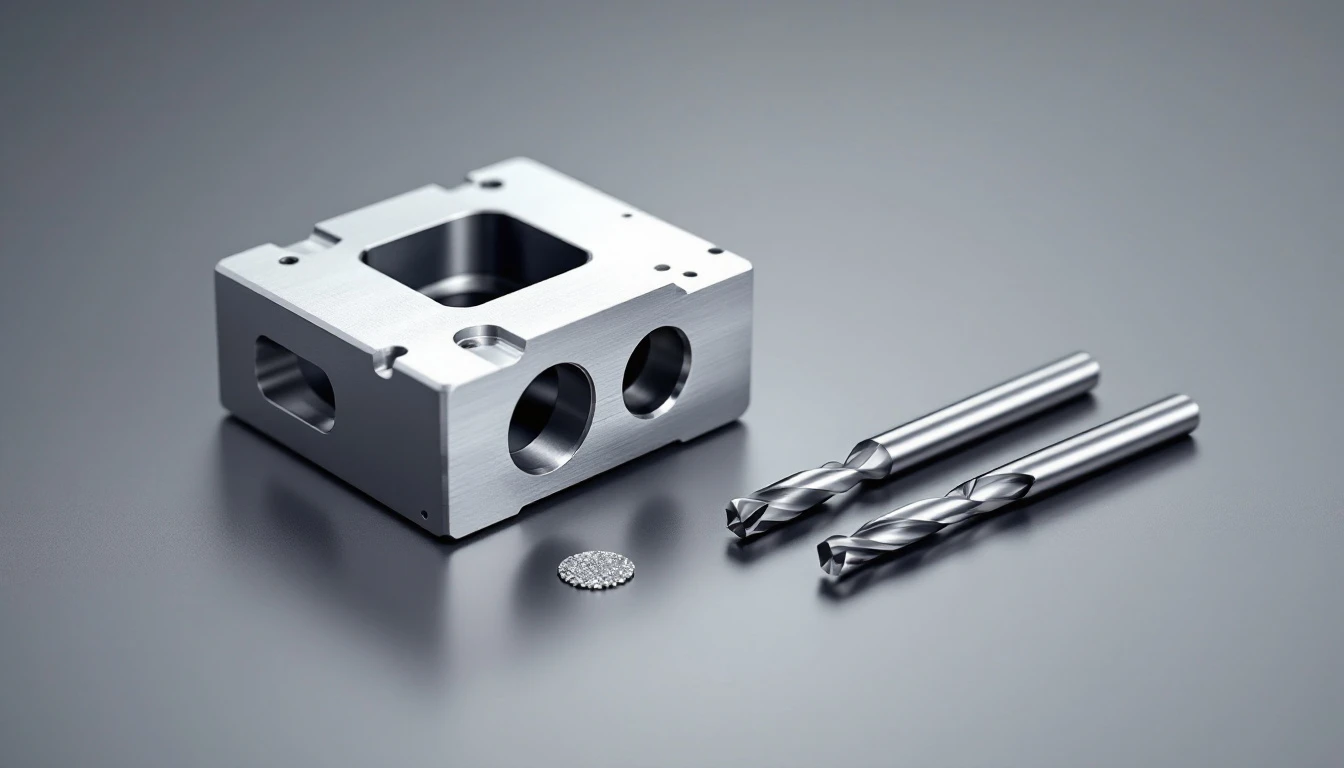
Design for Manufacturing: Why Startups Should Think About the Factory Before the First Prototype
Why startups should design for manufacturing from day one to reduce prototype costs, simplify production and accelerate time to market.
AI Is Making Product Design Easier. The Next Opportunity May Be Manufacturing It.
AI is lowering barriers to product design. Why low-volume manufacturing, CNC equipment and flexible machine shops could see growing demand.
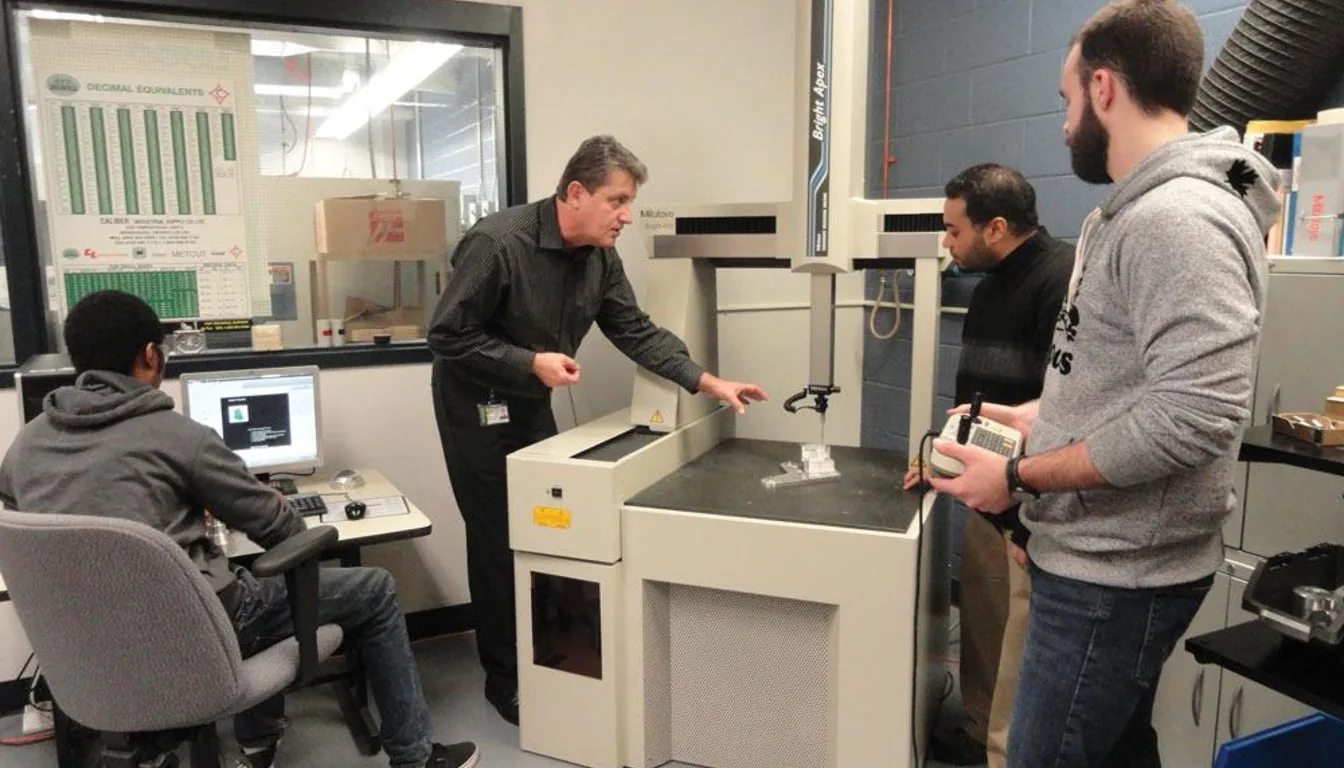
Engineering Students Need More Time in the Machine Shop, Not Just More Time in CAD
Why engineering students need hands-on machining, fabrication and manufacturing experience to design better products and prepare for industry.
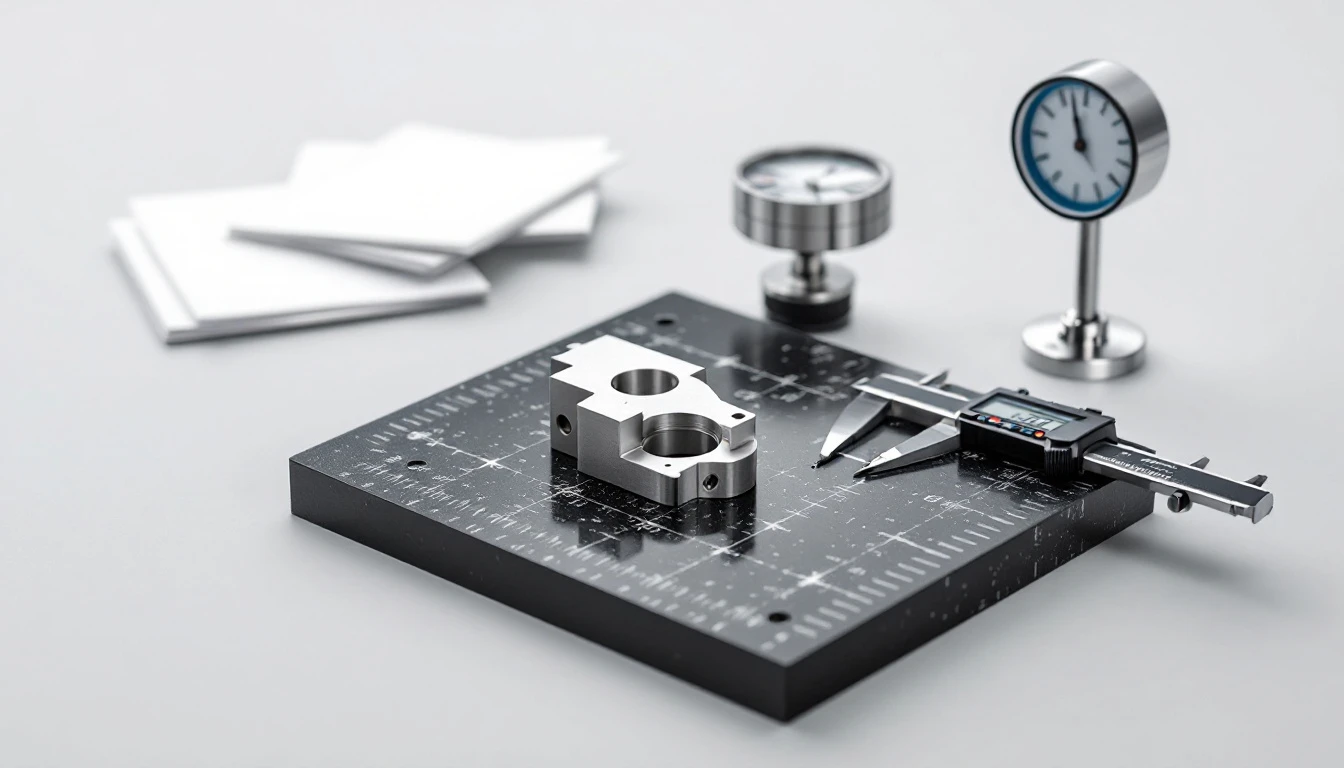
AI Can Design a Part. Who Makes Sure It Can Actually Be Manufactured?
AI-generated CAD is accelerating product development, but human engineering review remains critical before designs go to manufacturing.
Why Is Your CNC Part So Expensive? The Manufacturing Process May Be the Problem.
How CNC machine selection, tolerances, material and part geometry drive manufacturing costs, and how to design more affordable machined parts.
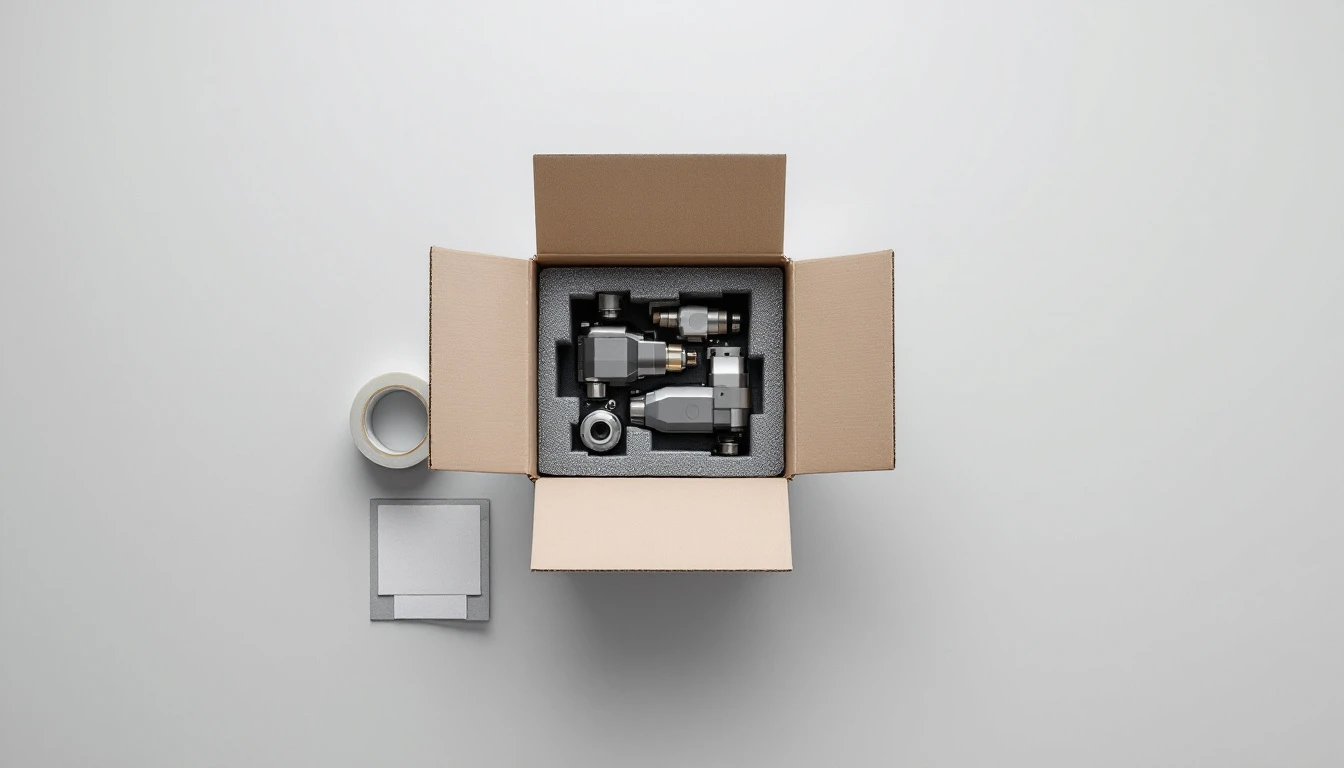
One Machine Shop Isn't a Manufacturing Strategy: Why Hardware Startups Need a Flexible Supplier Network
Why hardware startups need access to multiple manufacturing suppliers and how a flexible manufacturing network reduces sourcing bottlenecks.
Your First 10 Products Shouldn't Cost a Fortune: How to Manufacture Hardware Before You Have Customers
How to manage prototype costs, choose manufacturing processes and build your first 10 to 100 hardware products before committing to mass production.
Which Manufacturing Process at What Volume: Running the Crossover
Process choice is a crossover calculation, not a rule of thumb. How to find the quantity where tooling pays for itself, and when volume is the wrong axis.
Your CNC Machine Doesn't Have to Sit Idle: Turning Available Shop Capacity Into New Revenue
How CNC shops can use available machine capacity, flexible production scheduling and manufacturing marketplaces to find additional revenue.
CNC Routing DFM: Designing for a Router, Not a Mill
Routing is held down, not clamped, and it cuts sheets rather than blocks. How hold-down, tabs, nesting and tool diameter change what you should draw.
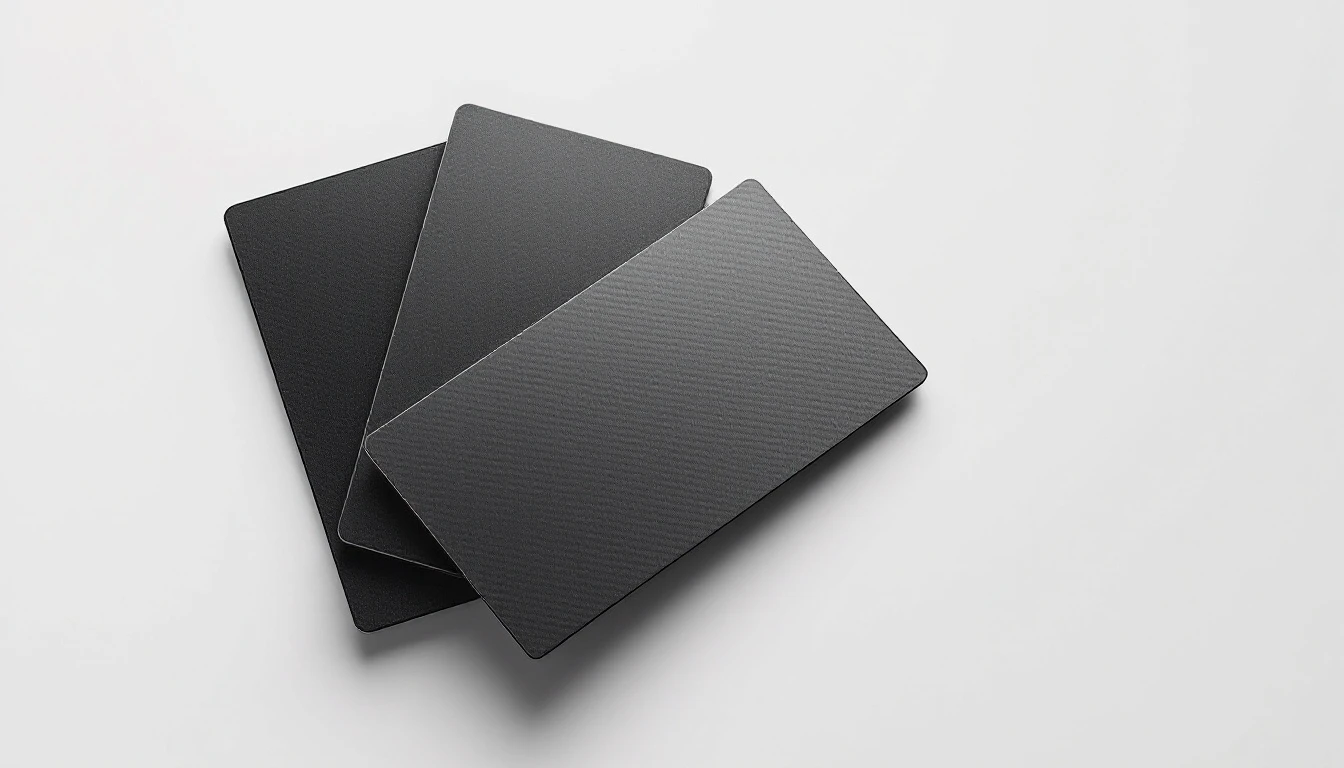
Carbon Fiber and Composite DFM: Designing for a Laminate
A laminate is not a metal. How ply layup, delamination, abrasive tool wear and thickness variation change the design rules for carbon fiber and G10 parts.
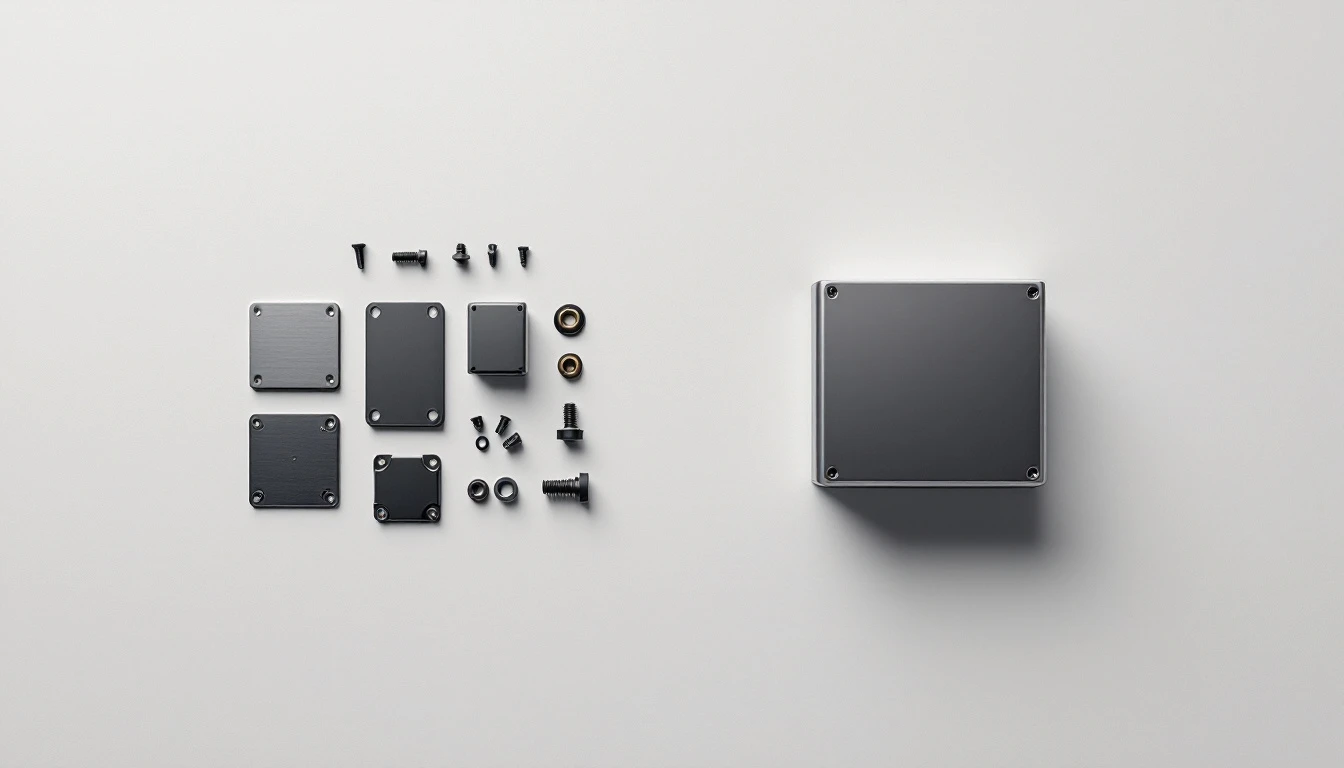
Design for Assembly: Part Count First, Fasteners Second
The cheapest part is the one you delete. A decision ladder for part count, plus how to choose between screws, PEM, snap-fits and welding.
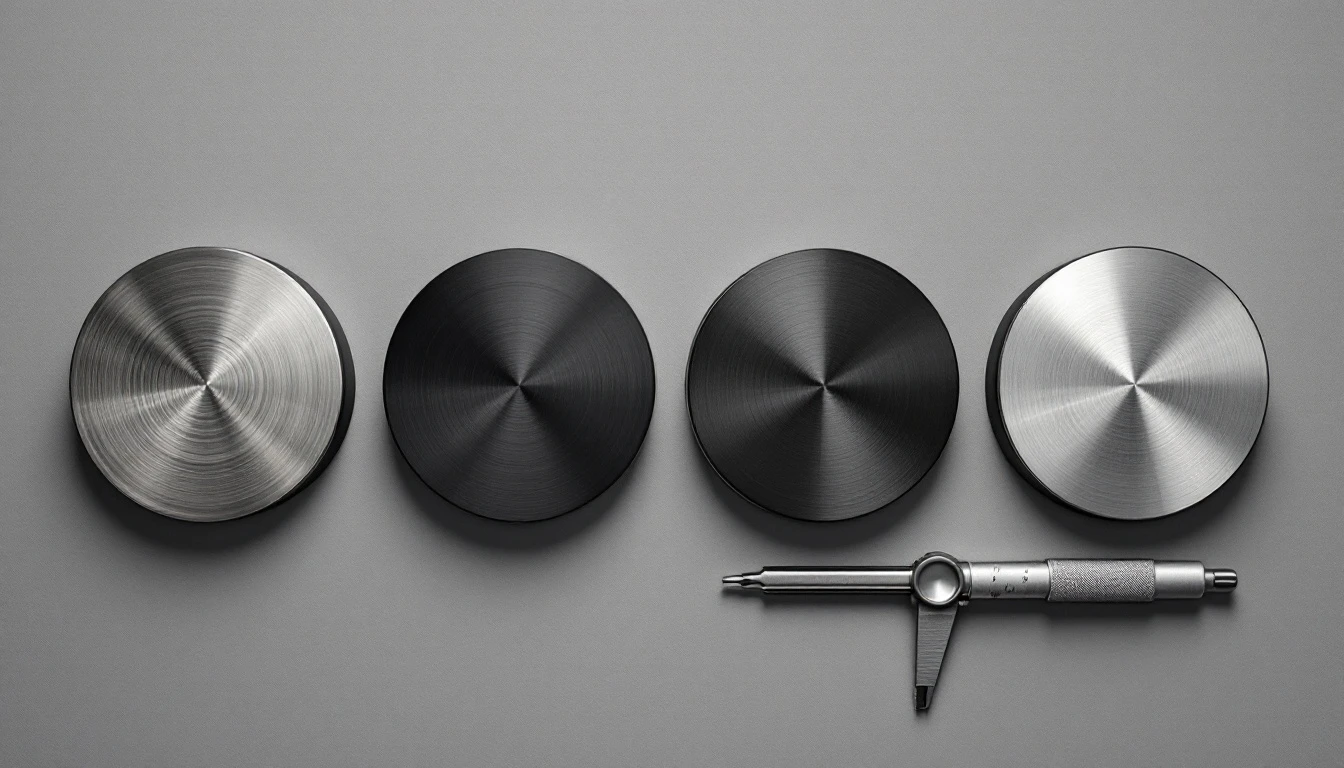
How Surface Finish Changes Your Tolerances
Finishes add material to every coated surface. How much each one adds, how it stacks in a bore or a fit, and what to put on the drawing so parts still assemble.
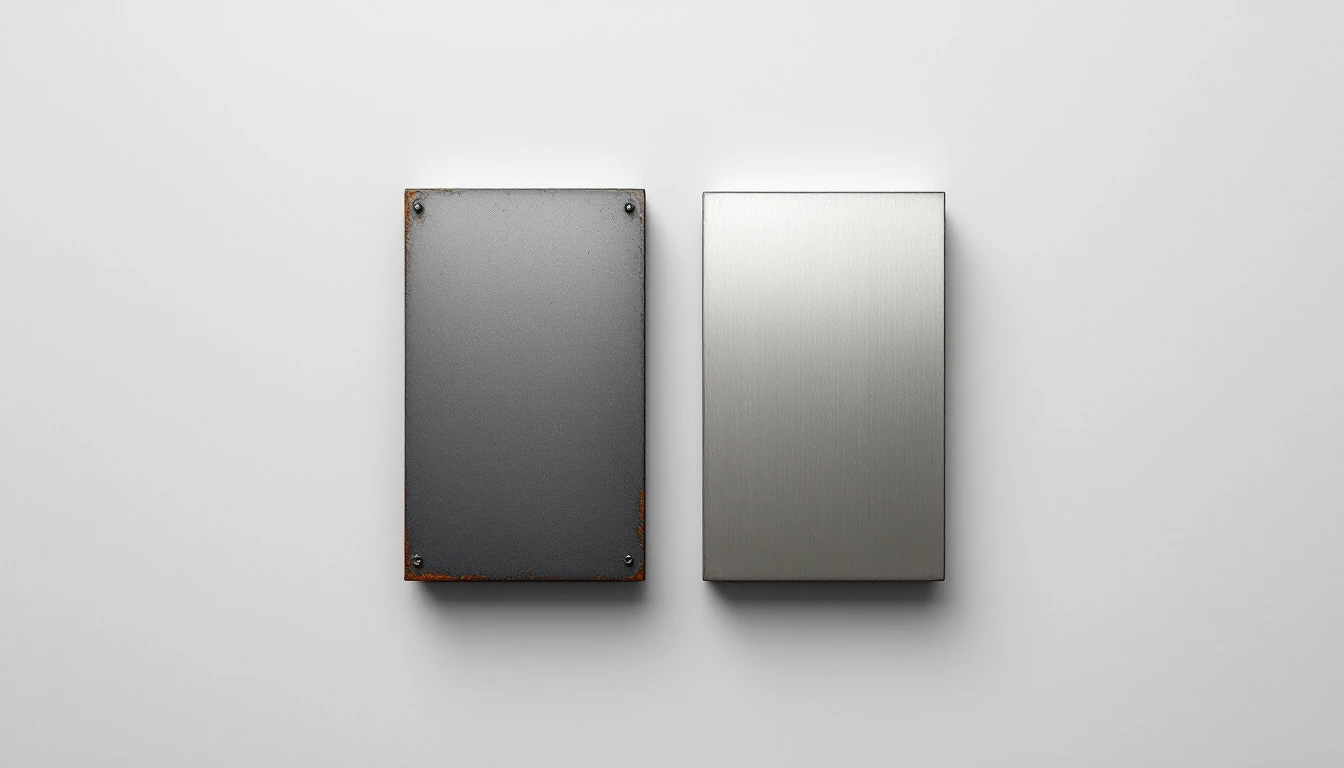
Mild Steel vs Stainless: Which One Your Part Should Be
Stainless costs more and machines slower but needs no coating. How to compare the two on delivered cost rather than on material price.
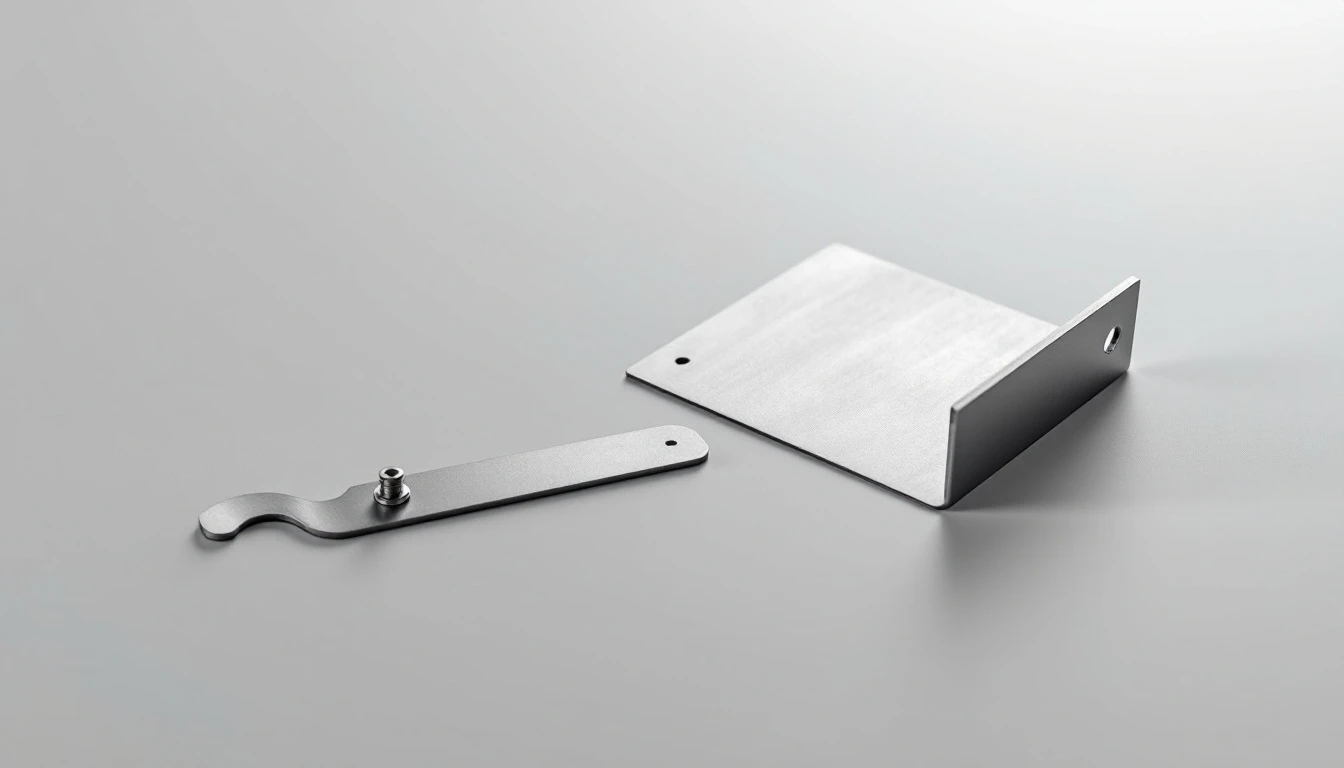
Sheet Metal DFM: The Six Ways a Bent Part Goes Wrong
Cracked bends, ovaled holes, collapsed flanges and blown-out countersinks: the failure behind each sheet metal design rule, and the geometry that prevents it.
Stop Emailing 10 Machine Shops for the Same Quote: A Smarter Way to Source Custom Parts
How to simplify manufacturing procurement, compare custom part quotes and reduce the time spent sourcing CNC machining and fabrication.
The Future of Manufacturing May Be a Network of Small Shops, Not One Giant Factory
How distributed manufacturing, independent machine shops, AI and digital sourcing platforms are changing access to custom manufacturing.
How to Build a Supplier Scorecard
Four metrics carry almost all the signal. How to define on-time delivery, weight the score and run the review, plus what the program costs to run.
Anodizing vs Powder Coating
One grows out of the aluminum, the other sits on top of it. How each behaves on dimensions, threads, color and wear, with a selector by application.
Aluminum vs Steel for Machined Parts
Steel is three times stiffer, aluminum three times lighter, and the machined part is usually cheaper in aluminum. How to decide on stiffness, fatigue and cost.
What CAD Files to Send for a Manufacturing Quote
STEP, STL, native CAD, DXF or a PDF drawing? What each file format carries and loses, what to send for each process, and the file mistakes that stall quotes.
How to Specify Tolerances Without Overpaying
Set a general tolerance, tighten only the features that function, use fits and GD&T where a ± falls short, and put tolerances in an RFQ the right way.
How to Write an RFQ That Gets Accurate Quotes
What a manufacturing RFQ has to tell a shop, what gets left out most often, and a checklist for sending custom part requests that come back priced right.
Material Certifications: Which Type Proves What
EN 10204 defines four inspection document types. What each one proves, which ones cover your actual heat of material, and how to ask for the right one.
Tapped Holes: Design, Callouts and Quoting
How tapped holes are made, how deep to thread them, how to call them out on a drawing, and how to put them in an RFQ so the quote comes back right.
Threaded Inserts: Types, Sizing, Callouts and Quoting
When a threaded insert or clinch nut beats a tapped hole, how each type changes the hole, how to call them out, and how to add them to an RFQ correctly.
The AS9102 FAIR Form Explained
What each AS9102 form accounts for, when a first article inspection report is triggered, what changed in Rev C, and the mistakes that get a FAIR rejected.
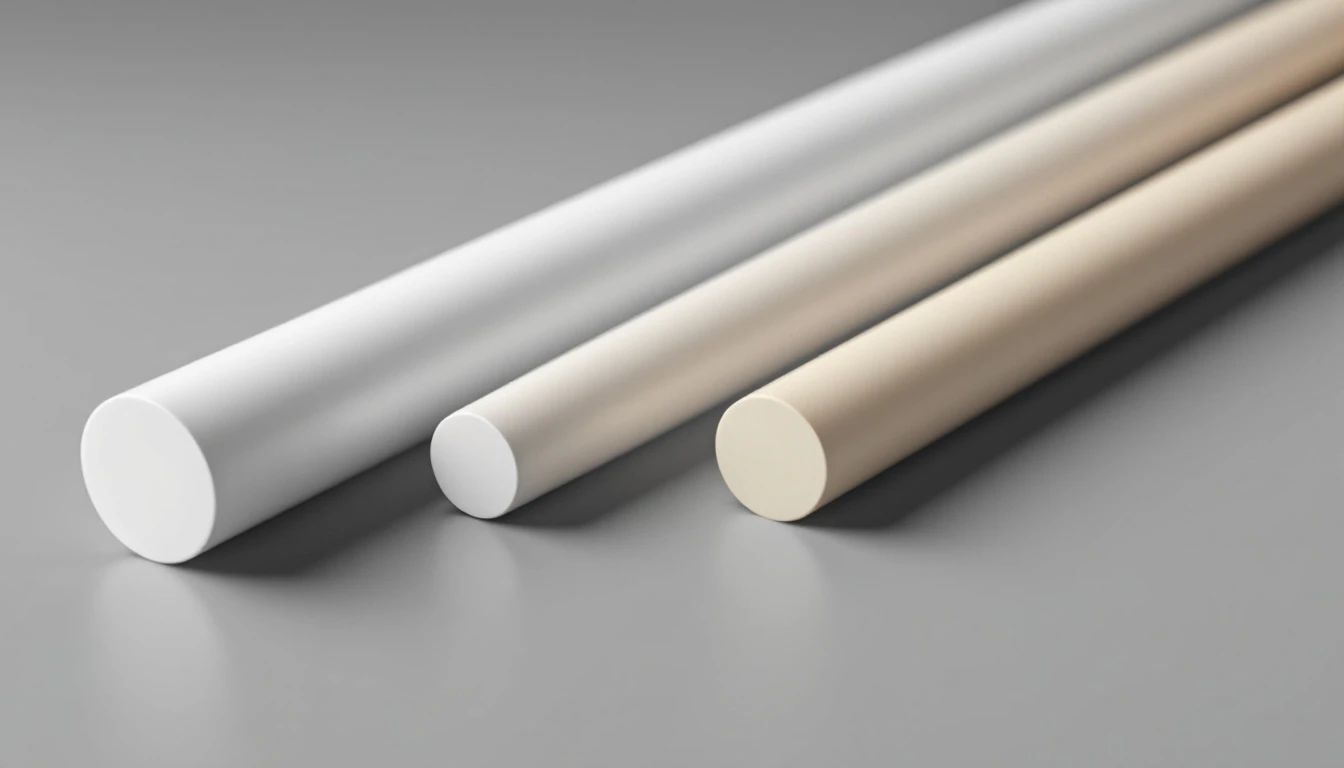
Delrin vs Nylon: Which to Machine
Acetal holds tolerance, nylon absorbs moisture and moves. Stiffness, wear, water absorption and machinability compared, with a selector by application.
Injection Molding vs 3D Printing: The Break-Even Quantity
Tooling is the only variable that matters. Where the crossover lands by tool class, what moves it, and why the bridge tool exists.
Should-Cost Analysis for Machined Parts
Build a defensible estimate from material, setup, cycle time and machine rate. A worked bracket at three quantities, and how to use the number properly.
Bead Blasting: Media and Finishes
Bead blasting evens out a surface, hides tool marks and changes your dimensions slightly. Media selection, the finishes each produces, and what to mask.
Zinc Plating: When to Spec It
Zinc protects steel by corroding instead of it. How to choose thickness and passivate, what it does to threads, and when zinc nickel or a coating is better.
What Drives the Cost of a Printed Part
Printed part pricing is machine time and labor, not material. What each process charges for, and the design changes that move the number.
Carbon Fiber 3D Printing
Chopped fiber adds stiffness, not strength. Continuous fiber is a different process. What each buys, what it costs, and when metal is still the answer.
Deburring Methods Compared
Every machined edge has a burr and somebody pays to remove it. The methods compared by geometry and volume, and how to specify edges so you get what you want.
RoHS and REACH for Custom Parts
What each regulation requires of a custom machined or molded part, which documents to ask a supplier for, and where compliance quietly breaks.
TIG vs MIG Welding
TIG is slower and more controllable; MIG lays metal down fast. How thickness, material, cosmetics and volume decide which your part needs.
UL Certification for Custom Enclosures and Assemblies
What UL Listed, Recognized and Classified mean, which mark your enclosure needs, and what your machine shop can and cannot do for you.
Choosing a 3D Printing Material
The process picks the material shortlist, not the other way around. Properties by process, what each material survives, and the four questions that decide it.
Value Engineering: Taking Cost Out of a Part
The part works and costs too much. The levers that remove cost from a machined part, ranked by payback, and when a redesign costs more than it saves.

FDM vs SLA vs SLS: Choosing a Process
Three processes with three different failure modes. Accuracy, strength, materials and cost compared, plus when to stop printing and start machining.
Cp and Cpk: Reading Process Capability Numbers
Cpk tells you whether a shop can hold your tolerance before you order 10,000 parts. What 1.33 and 1.67 mean in defect rates, and how to read a low Cpk.
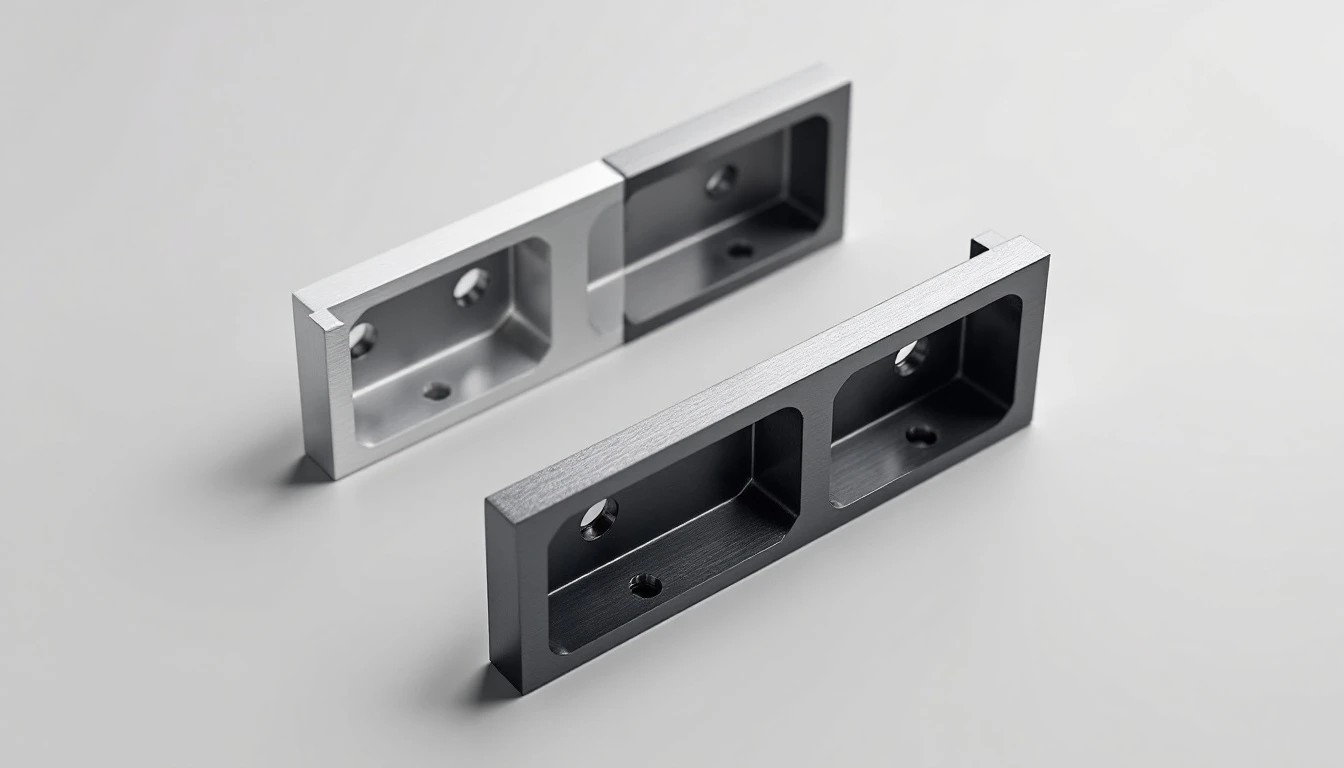
Stainless vs Aluminum: How to Choose
Aluminum is a third the density and machines far faster. Stainless is stronger, stiffer and harder wearing. How that tradeoff shows up in your quote.
Powder Coating vs Paint: How to Choose
Powder is tougher and cheaper at volume. Wet paint wins on thin films, color matching and heat sensitive parts. What decides it, and what it does to your fits.
APQP: The Five Phases Before Your Part Ships
APQP is the plan and PPAP is the evidence it worked. The five phases, what the buyer owes at each one, and how to scale it down for low volume.
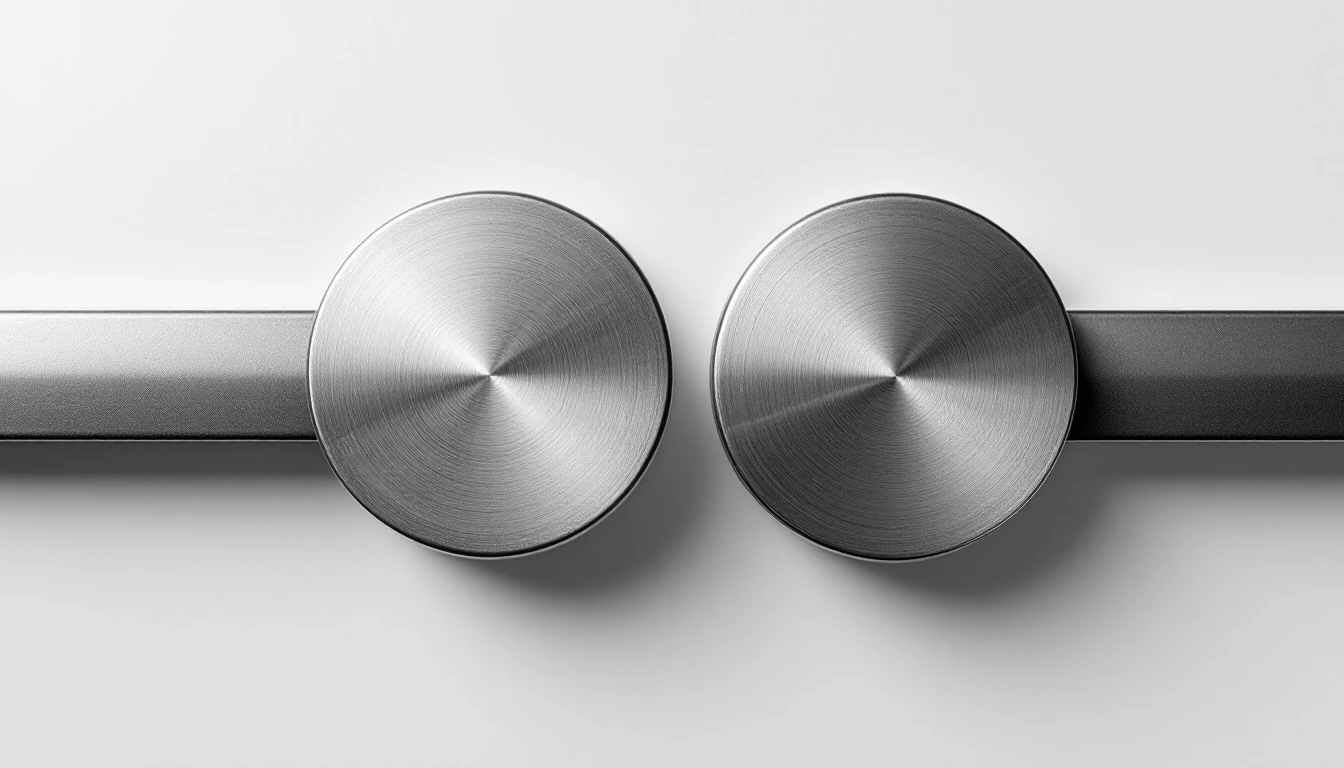
316 vs 304 Stainless: Which to Spec
The difference is molybdenum, and it only matters in specific environments. Composition, corrosion behavior, machinability and cost, with a grade selector.
ISO 9001: What the Certificate Covers
ISO 9001 certifies a shop's quality system, not your parts. How to verify a certificate, why the scope statement matters most, and what to ask instead.
Landed Cost: What a Part Really Costs
Unit price is a fraction of what a part costs to have in your warehouse. Every line item in a landed cost, and the ones teams miss.
EVT, DVT, PVT: What Each Build Phase Requires From Your Supplier
EVT proves the design works, DVT proves it meets spec, PVT proves the line can build it. Quantities, tooling, tolerances and docs for each.
Tolerance Stack-Up Analysis
Worst case assumes everything is wrong at once. RSS assumes statistics. Both methods worked through on the same assembly, and when to use each.
What Is DFM?
DFM means designing a part so it is cheap and reliable to make. Real examples of features that multiply cost, and how to get feedback early.
How to Read a Mill Test Report
An MTR certifies what a piece of metal is. How to read heat numbers, chemistry and mechanical properties, and what to check first.
What Is a First Article Inspection?
An FAI proves the first part off a new process matches the print. What Forms 1, 2 and 3 require, when shops ask for one, and typical cost.
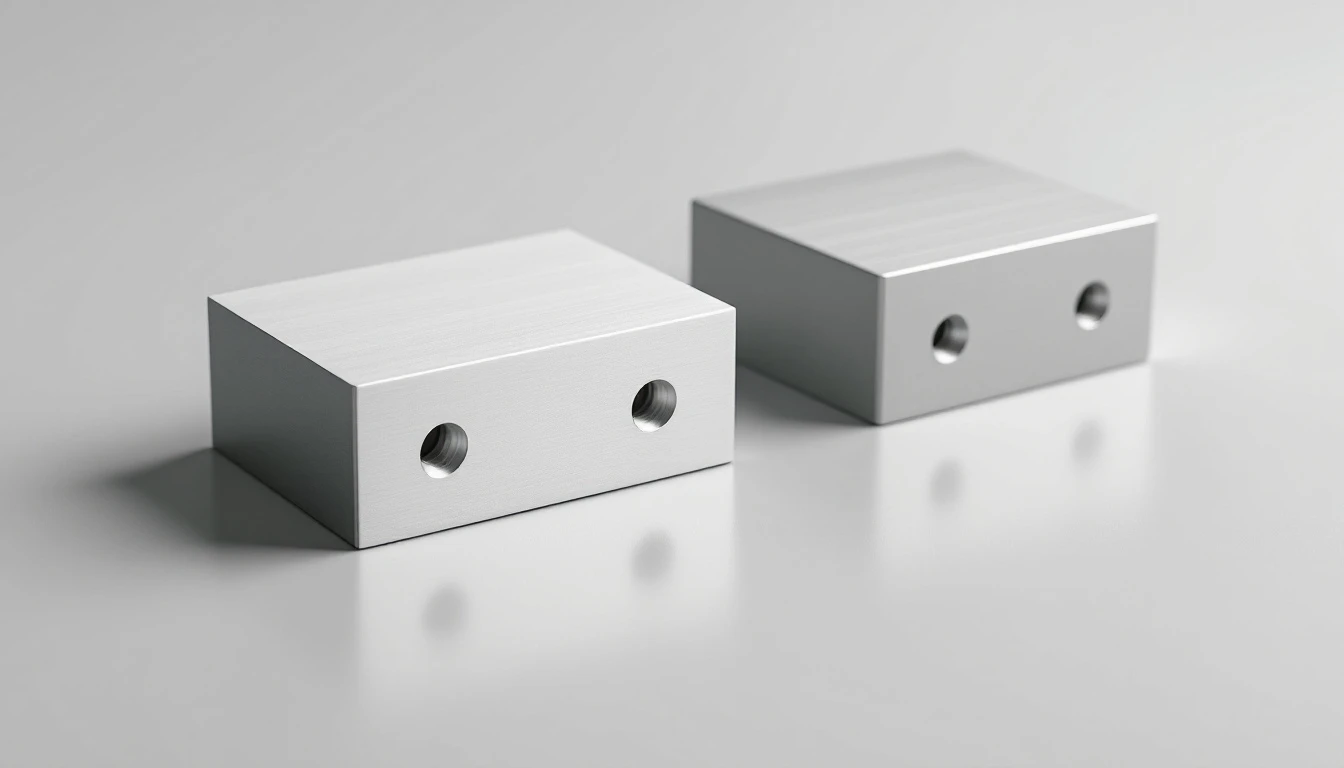
6061 vs 7075 Aluminum: Which to Spec
7075 is roughly twice as strong as 6061 but is not readily weldable and corrodes faster. Property comparison, cost delta and use cases.
Titanium vs Aluminum: When the Premium Is Worth It
Titanium is 64% denser than aluminum but roughly three times stronger. Property tables, machining cost multipliers, and when the premium pays.
Brass vs Bronze: How to Choose
Brass is copper and zinc; bronze is copper and tin. Property comparison, machinability ratings, cost, and which alloy to spec for what job.
PPAP Explained: The 5 Submission Levels and What Each One Requires
PPAP has five submission levels, and Level 3 is the default. All 18 elements explained, plus how to tell if you need full PPAP or just an FAI.
Let us quote your next part.
Upload your CAD or drawing and tell us your budget. We source it across our global network of partner shops and come back with your best-match quote, typically within 48 hours.
STEP · STL · IGES · DWG · DXF · PDF · and more
Uploads are secure & confidential