Materials
Brass vs Bronze: How to Choose
The short answer
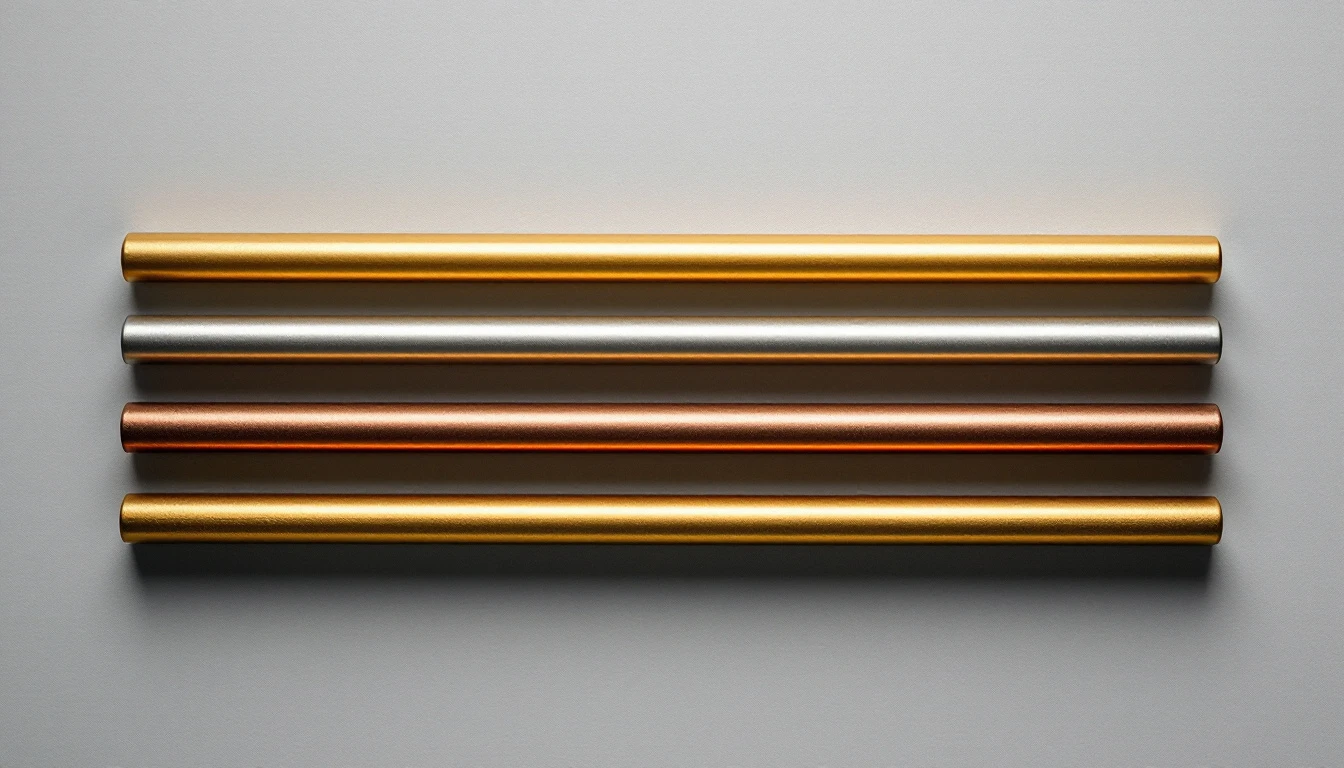
Brass is copper alloyed with zinc. Bronze is copper alloyed with tin, and sometimes aluminum, silicon or phosphorus instead. Brass machines faster and costs less, which makes it the default for fittings, fasteners and decorative parts. Bronze is harder, wears better and survives seawater, which makes it the choice for bearings, bushings and marine hardware.
The difference is the alloying element
Both start as copper. Brass adds zinc, typically 15 to 40 percent. Bronze adds tin, usually 5 to 12 percent, though modern bronzes often substitute aluminum, silicon or phosphorus for some or all of the tin. That single substitution drives every practical difference between them: color, hardness, corrosion behavior, machinability and price.
Property comparison
| Property | Brass (C360) | Bronze (C932 bearing) |
|---|---|---|
| Base alloy | Copper + zinc | Copper + tin + lead |
| Machinability rating | 100 (the industry benchmark) | About 70 |
| Density | 8.5 g/cm³ | 8.9 g/cm³ |
| Typical color | Yellow-gold | Reddish brown |
| Seawater corrosion | Poor, dezincifies | Excellent |
| Wear and bearing performance | Moderate | Excellent |
| Relative material cost | Lower | Higher |
C360 free-cutting brass is the reference point for machinability ratings across all copper alloys. Everything else is measured against it.
When brass is the right call
Specify brass when the part is machined in volume, when cost matters, and when it will not live in salt water. C360 free-cutting brass is the fastest-machining metal in common use, which means shorter cycle times and lower piece prices on turned parts. It is the standard for plumbing fittings, valve bodies, threaded inserts, electrical terminals and anything decorative that wants a warm gold tone.
The caution is dezincification. In seawater or aggressive water chemistry, zinc leaches out of the alloy and leaves behind porous copper that crumbles. If the part is going anywhere near salt water, brass is the wrong answer unless it is a dezincification-resistant grade.
When bronze is the right call
Specify bronze when the part slides against something, carries a load over time, or lives in a marine environment. Bearing bronzes like C932 are the standard for bushings and sleeve bearings because they hold an oil film and wear gracefully against steel. Aluminum bronzes like C954 are considerably stronger and are used for heavily loaded gears, valve seats and marine propellers.
Bronze costs more per pound and machines slower, so it is worth reserving for parts where the wear or corrosion behavior is genuinely doing work.
The grades worth knowing
| Grade | Family | Best for |
|---|---|---|
| C360 | Free-cutting brass | Screw-machine parts, fittings, high-volume turning |
| C260 | Cartridge brass | Deep-drawn and formed parts, ammunition cases |
| C464 | Naval brass | Marine hardware where brass is still required |
| C932 / SAE 660 | Bearing bronze | Bushings, sleeve bearings, thrust washers |
| C954 | Aluminum bronze | High-load gears, valve components, propellers |
| C510 | Phosphor bronze | Springs, contacts, fatigue-loaded parts |
What each one costs you in practice
Material price is only part of the picture. On a machined part the bigger lever is usually cycle time, and that is where the two diverge most.
C360 brass has a machinability rating of 100, which is the benchmark every other copper alloy is measured against. Bearing bronze sits around 70. On a turned part running in volume, that difference shows up directly in the piece price, and it compounds: faster cutting means more parts per hour per machine, which is what a shop is really selling you.
Bronze also costs more per pound as raw stock, and it is stocked in fewer sizes at fewer distributors, which can add lead time on anything non-standard.
| Factor | Brass (C360) | Bronze (C932) |
|---|---|---|
| Raw material cost per pound | Lower | Higher |
| Machinability rating | 100 | About 70 |
| Effect on cycle time | Fastest of the copper alloys | Noticeably slower |
| Stock availability | Wide, most distributors | Narrower, fewer sizes |
| Typical lead time impact | None | Possible, on non-standard sizes |
If your part is high volume and turned, the machinability difference usually matters more to the final price than the material cost does.
What to put on the drawing
Call out the specific alloy designation, not the family. "Brass" is not a specification; C360, C260 and C464 behave very differently and a shop asked for "brass" will quote whatever it stocks.
If the part is going into water, say which water. Potable, marine and industrial process water have different implications, and dezincification is the failure mode that catches people out with standard brasses.
If the part is a bearing or bushing, specify the mating material and the load, because the right bronze depends on both. A bronze bushing running against hardened steel is a different selection from one running against aluminum.
And if appearance matters, say so explicitly and specify the finish, because both alloys will patina and the rate depends heavily on the environment.
Finishing, plating and appearance
Both alloys patina, and how fast depends almost entirely on the environment rather than the metal. A brass fitting in a dry enclosure will look the same in five years. The same fitting on a boat will go brown in one season.
If appearance is a requirement rather than a preference, say so explicitly and specify the protection. Clear lacquer is the cheapest option and the least durable, suitable for indoor decorative parts. Electroless nickel gives a hard, uniform, corrosion-resistant layer and is common on fittings that must both seal and survive. Chrome and bright nickel are used where a specific look is required.
One practical warning: leaded free-machining grades such as C360 contain lead to break chips, and lead is restricted in drinking-water applications in most markets. If your part touches potable water, you need a low-lead or lead-free grade, and that grade will machine measurably slower than C360. Budget for it rather than discovering it at the certification stage.
Bronze generally takes a patina that people find acceptable or even desirable, which is why marine and architectural bronze is often left bare. Where it is protected, the same options apply.
How to sanity-check a quote
When you get quotes back on a copper-alloy part, three things are worth checking before you compare prices.
Did every shop quote the same alloy? "Brass" invites substitution, and a shop quoting C260 against your C360 intent will look cheaper on material and more expensive on cycle time, or the reverse. Compare like for like.
Is the material cost broken out? On small turned parts in volume, material can be a large fraction of the price, and copper alloy pricing moves with commodity markets. A quote held for ninety days on a volatile alloy is worth more than a lower quote held for two weeks.
Are they quoting bar stock you need? Buying a larger diameter than the part requires and turning most of it into chips is common and expensive on copper alloys, because the scrap value never recovers the purchase price. Asking whether a nearer stock size exists sometimes moves the number more than the alloy choice does.