CNC Routing for Custom Signs, Dimensional Lettering & Carved Signage
Precision sign manufacturing for V-carved, raised letter, dimensional, and relief-carved signage in HDU foam, wood, and MDF.
STEP · STL · IGES · DWG · DXF · PDF · and more
Uploads are secure & confidential
This page covers CNC routing specifically for sign manufacturing -- V-carving, dimensional lettering, relief carving, sign substrates, and the sign-specific workflow from design file to finished sign blank or installed component. For general CNC routing capabilities across all materials and applications, see CNC Routing Services. For cabinet and millwork fabrication, see CNC Routing for Cabinets.
What Is CNC Sign Routing?
CNC sign routing is the application of programmed CNC toolpaths to produce carved, dimensional, and cut signage. Where traditional sign carving uses hand tools -- chisels, gouges, and routers operated manually -- CNC routing executes the same operations through programmed toolpaths that control cut depth, angle, and geometry precisely and repeatably across every sign in a production run.
The core techniques are V-carving, profile routing, and 3D relief carving. V-carving uses an angled bit to cut tapered channels into the sign face -- the signature technique for traditional carved wooden signs. Profile routing cuts dimensional letters, shapes, and sign panels from sheet stock. 3D relief carving uses 3D toolpaths to produce sculptural depth across the sign face. All three techniques execute from the same CNC router; the technique is determined by the design file and toolpath.
Sign routing works across a wide range of substrates. HDU foam is the dominant material for exterior carved signs. Solid wood -- cedar, redwood, walnut, oak -- is used for interior and prestige exterior applications. MDF and sign-grade plywood serve interior and short-run applications. Plastics and aluminum extend CNC sign capabilities to modern and architectural installations.
Sign Types
V-Carved Signs
V-carved signs are produced by routing tapered channels into the sign face with a V-shaped bit. The bit angle -- typically 60° or 90° -- determines the channel profile. As the bit follows a letterform or design element, the depth automatically adjusts to match the stroke width: narrow strokes receive shallow cuts, wide strokes receive deeper cuts. The result is a crisp, light-catching carved profile that is the defining aesthetic of traditional carved signage.
V-carving is appropriate for any sign application where incised lettering is the design intent: carved wooden entrance signs, real estate and directional signs, interior identification signs, and trophy or award plaques. Paint-filled V-carved letters -- gold or white paint applied to the routed channel -- are the standard finish treatment for professional carved signs. The V-carved channel can also be stained, gilded, or left natural depending on the design specification.
CNC V-carving produces consistent channel depth, consistent taper angle, and consistent letterform geometry across every sign in a run. Multiple identical signs -- a matched set for a resort campus, numbered directional signs for a parking system -- all come from the same toolpath with the same result.
Dimensional and Raised Letter Signs
Dimensional signs have letters, logos, or design elements that stand proud of the sign face or sign panel. CNC routing produces dimensional lettering in two ways: cutting letters from sheet stock (flat-cut letters applied to a sign panel) or relief-carving the background field down to leave letters standing at their original substrate height.
Flat-cut dimensional letters are routed from sheet material -- HDU, PVC, aluminum, or acrylic -- and applied to a mounting surface. Letter thickness is the thickness of the sheet stock. This technique produces crisp, clean letterforms at any size and is standard for building identification, lobby signs, and channel letter backing.
Relief-carved backgrounds produce a similar dimensional effect by routing the field around the letters, leaving the letters at the original surface height. The letter edge transitions to the recessed background in a vertical wall or a profiled step, depending on the toolpath and design specification.
Flat-Cut Signs
Flat-cut signs are cut to profile from sheet stock without V-carving or relief operations. The sign panel is cut to its outline shape, and any internal cut-outs (for through-cut lettering, windows, or decorative elements) are routed in the same program. Flat-cut signs are the simplest CNC sign output and the fastest to produce.
Sign-grade MDF, plywood, HDU, PVC sheet, aluminum composite, and solid aluminum are all appropriate flat-cut sign substrates. The material choice depends on the application: interior painted signs commonly use MDF or PVC; exterior signs use HDU or aluminum composite; architectural signs use aluminum or acrylic. Flat-cut signs receive applied finishes (paint, vinyl, digitally-printed film) after routing.
3D Relief Carving
3D relief carving uses 3D toolpaths to produce sculpted depth across the sign face. Unlike V-carving, which follows letterform outlines at varying depths, 3D relief carving follows a full 3D model of the sign design -- logos with sculptural depth, naturalistic imagery, topographic subjects, and architectural ornament are all achievable with 3D relief toolpaths.
3D relief work requires a 3D design file (STL, OBJ, or a 3D CAM file with Z-depth information) and is more tool-time-intensive than V-carving or profile routing. HDU foam and dense urethane foam are the preferred substrates for 3D relief signs -- the foam machines smoothly at any depth without grain concerns, and the finished surface accepts paint and texture coatings that replicate wood, stone, or metal appearances.
CNC Sign Manufacturing Process
Design File Preparation -- CNC sign routing starts from a clean vector design file. Letterforms must be converted to outlines; all design elements must be in vector format. For V-carving, the file specifies the letterform geometry only -- the toolpath software calculates cut depth automatically from the V-bit angle and stroke widths. For 3D relief, a 3D model is required. Design file quality directly affects sign quality: tight corners, smooth curves, and clean letterforms in the vector file produce the same in the routed sign.
Toolpath Generation -- The design file is imported into CAM software that calculates the specific cutting moves the CNC router will execute. For V-carving, the software determines variable-depth passes based on the V-bit angle and stroke widths. For 3D relief, the software generates parallel raster passes at progressively finer step-overs. Toolpath generation previews the finished sign before any material is cut -- toolpath review catches design issues that would otherwise require recutting.
Substrate Preparation -- Sign blanks are cut to blank dimensions from sheet stock. HDU foam blanks are cut with consistent thickness across the panel face -- thickness variation in HDU shows in V-carved depth. Wood sign blanks are selected for grain direction and defect-free faces. MDF blanks are cut from sheet stock with square, clean edges. The blank goes to the CNC router flat, square, and registered to a repeatable datum point.
CNC Routing -- The sign blank is loaded onto the router table and secured with vacuum hold-down or mechanical clamping. The program runs the toolpath. For a V-carved sign, this is typically a single-pass operation. For 3D relief work, multiple passes at decreasing step-over are run sequentially. Mounting hardware hole patterns are drilled in the same CNC setup when specified.
Finishing Readiness -- CNC-routed sign blanks are delivered ready for finishing. HDU and MDF signs receive primer and paint; the routed channels accept brush-applied paint fill. Wood signs may be stained, painted, or finished natural. Exterior signs receive UV-stable topcoats. Post-routing finishing is typically performed after CNC fabrication, though some fabricators offer integrated finishing services.
Sign Materials
HDU (High-Density Urethane) Foam is the dominant substrate for exterior carved signage. HDU is dimensionally stable, moisture-resistant, and will not rot, split, or check like wood. It machines with CNC toolpaths with the same precision as solid wood -- V-carved channels in HDU are as crisp and clean as in wood. HDU accepts exterior primer, paint, and UV-stable topcoats and is available in a range of densities matched to different sign applications: low-density for large-format blanks where weight is a concern; medium-density for standard carved sign applications; high-density for dimensional letters and fine-detail relief work.
Solid Wood -- Western red cedar, redwood, and domestic hardwoods (oak, walnut, cherry) -- is used for signs where natural wood grain and character are part of the design intent. Cedar and redwood are preferred for exterior signs due to their natural rot resistance. Hardwoods are appropriate for interior prestige signs, award plaques, and architectural signage where furniture-grade quality is specified. CNC routing on solid hardwood requires compression-spiral tooling and correct feed rates to manage grain direction.
MDF (Medium-Density Fiberboard) is appropriate for interior painted signs. It machines with clean, sharp profiles, accepts primer and paint uniformly, and is cost-effective for production runs and dimensional letter fabrication. MDF is not appropriate for exterior applications -- moisture causes swelling and surface delamination.
Plastics and Composites -- PVC foam sheet, acrylic, and aluminum composite panels -- extend CNC sign capabilities to modern, architectural, and retail environments. PVC foam (Sintra, Celtec) machines cleanly and is appropriate for interior painted signs and dimensional letters. Acrylic is used for illuminated signs and edge-lit applications. Aluminum composite panels are appropriate for exterior flat-cut signs where a rigid, weather-resistant panel is required.
Who Uses CNC Sign Routing
Sign Shops and Sign Fabricators are the primary users of CNC sign routing. High-volume sign shops run CNC routers for dimensional letter fabrication, V-carved sign production, and sign blank cutting. CNC routing produces consistent components at volume -- a production run of matched property identification signs for a resort or apartment development is routed from the same design file with matched results.
Architectural Millwork Shops use CNC sign routing for wayfinding systems, lobby identification signs, and architectural signage that integrates with interior design. The same CNC process that cuts cabinet components produces architectural sign panels, dimensional letter sets, and branded interior signage.
Retail and Hospitality Brands specify CNC-routed signs for brand consistency across locations. A retail chain requiring identical storefront signage at multiple locations -- or a hotel brand with consistent room identification signage across a property portfolio -- uses CNC production to guarantee dimensional and geometric consistency across every installation.
Custom Sign Projects -- residential entrance signs, estate identification, custom business signs, and commemorative plaques -- are natural CNC sign applications where a single sign or small production run requires professional carved quality. For custom sign fabrication, CNC routing delivers professional results on one-off projects as readily as production runs.
Equipment used
- 3-axis CNC router with vacuum hold-down table
- V-bit set (60° and 90° angles) for V-carving lettering and artwork
- Ball-nose end mill set for 3D relief carving passes
- Compression-spiral tooling for clean wood and HDU profile cuts
Tolerances
±0.010 in. on letter profile geometry; V-carved channel depth consistent to ±0.005 in. across sign face; flat-cut panel dimensions ±0.015 in.
Frequently Asked Questions
What is CNC routed sign making?
What materials work best for CNC routed signs?
How deep can you carve or engrave into sign material?
What file formats should I use for a CNC routed sign?
Can you cut dimensional letters and logos for mounted signs?
How much does a CNC routed sign cost?
What is v-carving and when should I use it for my sign?
Do you offer finishing or painting on CNC routed signs?
What is the minimum letter size you can CNC rout cleanly?
How do I get a quote for a CNC routed sign?
Ready to Get Started?
Tap our network of partner CNC woodworking shops today. Submit your project details and get a competitive, best-match quote from specialists in your area.
Get a QuoteRelated
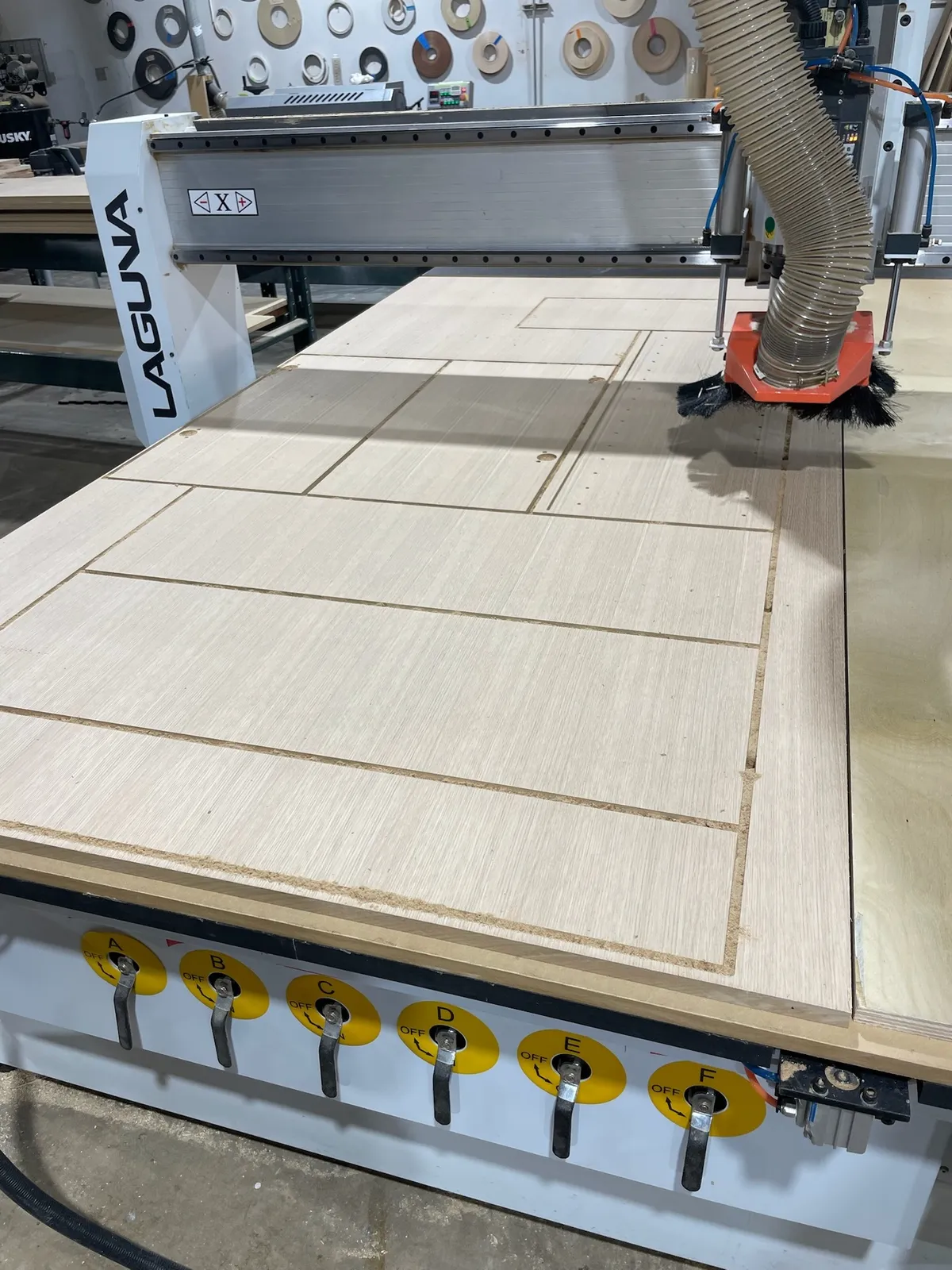
CNC Routing Services for Wood, Plastics, Composites & Custom Fabrication
Precision CNC routing for wood, MDF, plywood, plastics, composites, and aluminum. Cabinet parts, signage, and millwork from partner fabrication shops.
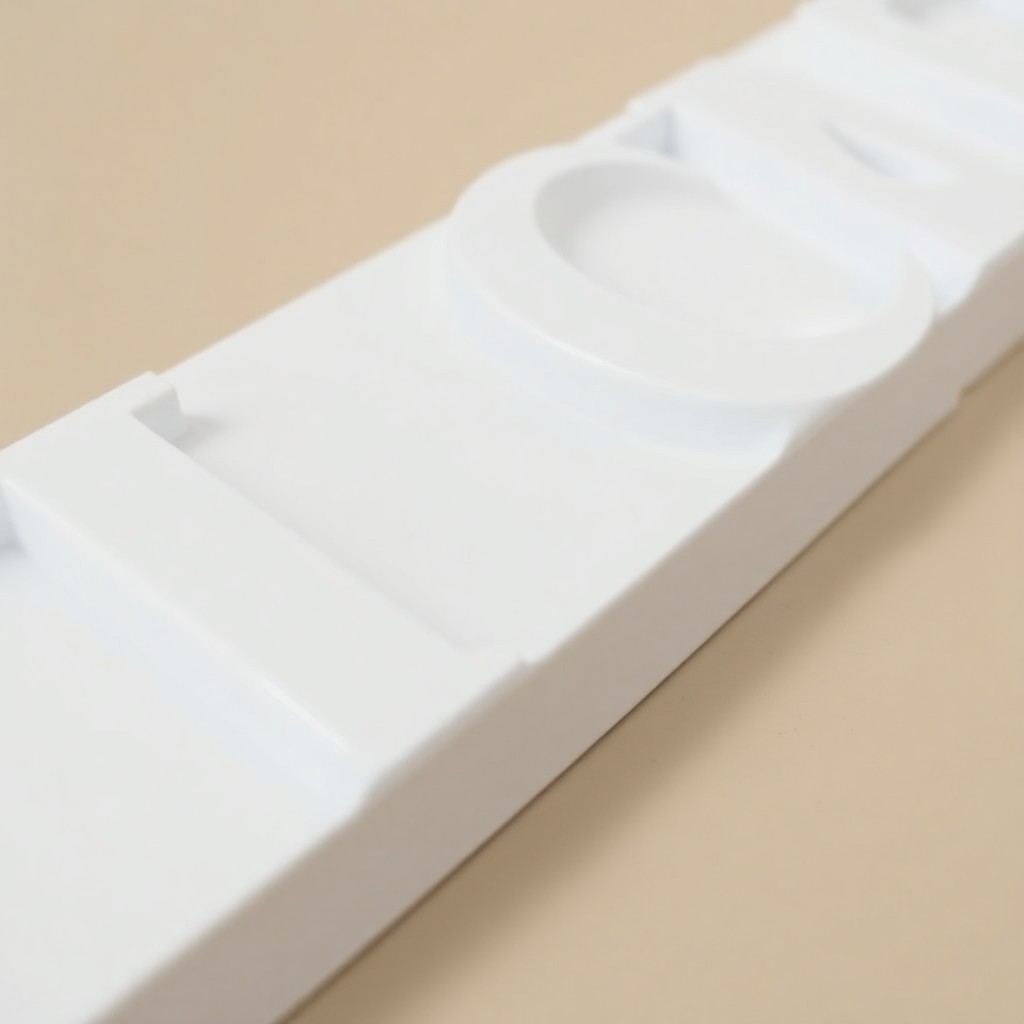
HDU Carving Material for CNC Signage & Architectural Applications
HDU is CNC-carvable foam used for signage, architectural detailing, and exterior decorative applications. Lightweight, exterior-rated, and precision-machinable.
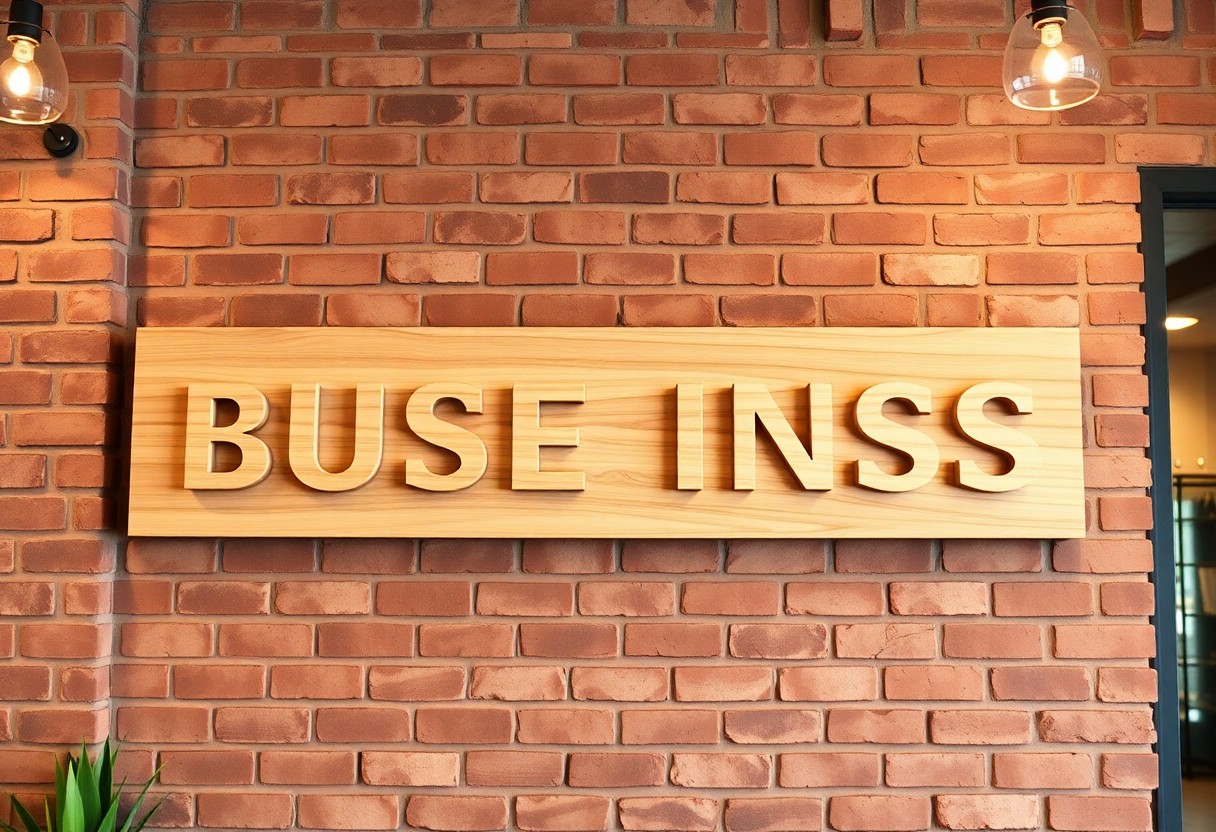
Custom Signs Carved, Routed, and Built by Partner CNC Shops
Custom signs from 100+ partner CNC shops. Wood signs, business signs, carved signs, and 3D lettering. Quotes in 48 hours, no obligation.
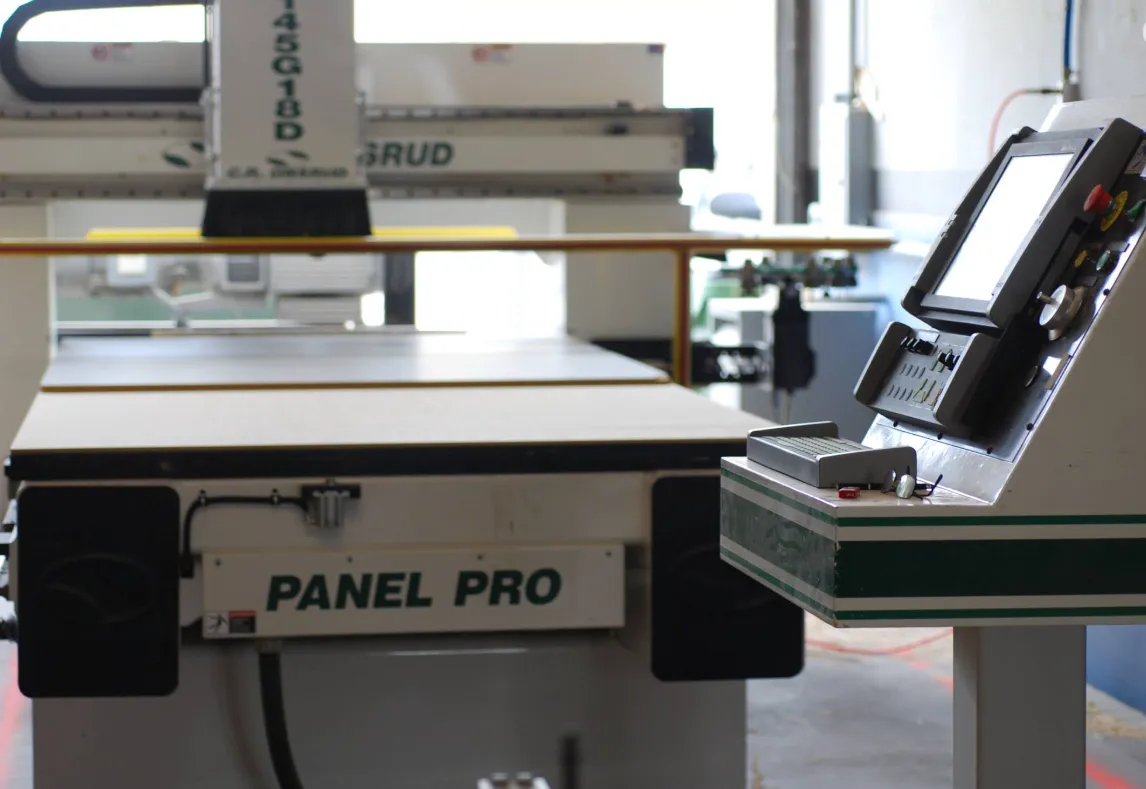
CNC Routing for Custom Cabinet Doors, Drawer Fronts & Casework
CNC fabrication for custom cabinet doors, drawer fronts, and casework. Shaker, slab, and frameless systems built for kitchens, built-ins, and millwork.