CNC Routing for Custom Cabinet Doors & Interior Door Panels
Precision door manufacturing for shaker, slab, raised panel, and inset door styles -- kitchens, built-ins, and commercial millwork.
STEP · STL · IGES · DWG · DXF · PDF · and more
Uploads are secure & confidential
This page covers CNC manufacturing of cabinet doors and interior door panels -- door styles, stile-and-rail construction, panel routing, and hinge preparation as finished components. For complete cabinet system fabrication including box construction and hardware integration, see CNC Routing for Cabinets. For general CNC routing across all materials, see CNC Routing Services.
What Is CNC Door Routing?
CNC door routing produces cabinet door components using programmed toolpaths that execute the full door profile in a single setup: stile and rail profiling, center panel routing, and hinge cup boring all occur in the same program. This replaces the sequential hand-fed router table operations that traditional door production requires and produces dimensionally consistent doors across every piece in a run.
The core of CNC door manufacturing is the stile-and-rail system: the vertical members (stiles) and horizontal members (rails) of the door frame are routed with matching cope-and-stick profiles on their interior edges. These profiles form both the frame joint and the groove that captures the floating center panel. The center panel -- flat, raised, or profiled -- is routed separately and floats in this groove, allowing for wood movement without affecting the door frame geometry.
For MDF cabinet doors, CNC routing produces clean, sharp profiles with no grain tear-out. For solid hardwood doors, compression-spiral tooling manages grain direction and produces furniture-grade edges across both face and back surfaces.
Cabinet Door Types
Slab Cabinet Doors
Slab doors are flat, single-panel doors with no stile-and-rail frame and no routed profile. They are the defining element of contemporary and modern kitchen design -- clean, simple, and available in any material that can be cut to dimension. CNC routing produces slab doors from MDF, hardwood, or engineered wood sheet stock with precise outer profiles, clean edges, and hinge cup holes in a single program.
Slab doors are the fastest door type to produce on CNC -- no profile routing, no five-piece assembly. The design intent is minimalist, and the production method matches: one material, one cut, assembly-ready. Edge banding (PVC, ABS, or wood) is applied after cutting to seal the panel edges for painted and modern finish applications.
Shaker Cabinet Doors
Shaker cabinet doors are the most widely specified door style in North American custom cabinetry, and the most common CNC door manufacturing target. A shaker door uses five components: two stiles, two rails, and a center panel. The frame members are machined with a cope-and-stick profile that creates the traditional square-edged reveal characteristic of the shaker style.
CNC production of shaker doors provides two key advantages over router table methods. First, the cope-and-stick profiles are cut with programmed depth and length on every piece -- no variation from hand feeding. Second, hinge cup holes (35mm for European concealed hinges) are bored in the stile during the same CNC program as the profile, placing every hinge accurately at the same location relative to the door top and bottom. The assembled shaker door arrives with consistent frame width, consistent reveal depth, and pre-bored hinge locations.
MDF shaker doors are the standard for painted kitchens -- the grain-free MDF surface accepts primer and paint without raising. Solid maple and oak shaker doors are used for stained and natural finish applications. The shaker style's clean geometry works with virtually any finish specification.
Raised Panel Cabinet Doors
Raised panel doors use a five-piece frame (same stile-and-rail construction as shaker) with a center panel that has a profiled, raised field -- the panel face is routed with an ogee, cove, or bead profile that creates a three-dimensional decorative surface. Raised panel doors are the standard for traditional, transitional, and Craftsman cabinetry.
CNC routing produces the raised panel profile with a router-mounted raised-panel cutter set in a programmed pass across the panel face. The profile depth and geometry are controlled by the toolpath -- not by hand pressure or feed speed -- which produces consistent profiles across every panel in a run. The center panel is then fitted into the frame groove and the door is assembled.
Solid hardwood -- cherry, maple, oak, walnut -- is the traditional substrate for raised panel doors. MDF can be used for painted raised panel applications and machines cleanly. The center panel on a solid hardwood raised panel door floats in the frame groove to allow seasonal wood movement.
Inset Cabinet Doors
Inset doors sit flush inside the cabinet face frame opening, with a consistent small reveal (typically 3/32" to 1/8") on all four sides. Inset is the most demanding door style to produce: the door dimensions must be precise relative to the face frame opening, the hinge must be a wrap-around or surface-mount type that allows the door to sit flush, and the gap must be consistent around the entire perimeter.
CNC manufacturing is the practical production method for inset doors at volume. The door sizing is calculated from the face frame opening dimensions in the design file and cut to ±0.005 in. tolerance. Hinge mortises or cup holes are machined in the correct location for the specified hinge type. The result is a door that fits the opening correctly without hand-fitting at installation.
Inset cabinet doors are associated with furniture-grade cabinetry and high-end kitchen installations. They require face-frame cabinet construction (frameless boxes cannot accept inset doors) and more precise installation than overlay doors.
CNC Door Manufacturing Process
CAD/CAM Design -- Cabinet door manufacturing begins with a design file that specifies door dimensions, door style, profile selection, and hardware locations. Cabinet design software (KCD, Cabinet Vision, 2020 Design) generates door part lists automatically from cabinet drawings. Custom door shops use CAM software to convert door profiles into CNC toolpaths. The design file contains every dimension and tool specification before the first cut.
Stile and Rail Machining -- Stiles and rails for five-piece doors (shaker, raised panel, inset) are cut to length and then profiled with cope-and-stick tooling on the CNC router. The cope profile (on the rail ends) and the stick profile (along the stile interior edge) are cut as separate passes. The matching profiles lock the frame together and create the groove that captures the center panel. CNC machining produces consistent profile geometry and consistent rail-end shoulder length across every piece.
Center Panel Routing -- Slab door panels are cut to dimension from sheet stock -- no additional routing required. Raised panel centers receive the decorative profile pass with a router-mounted raised-panel cutter. Shaker center panels are flat panels cut to float in the frame groove. All panel routing -- whether profile or simple dimension cut -- is programmed with consistent depth and geometry across the run.
Hinge Preparation -- European concealed hinges (35mm cup, standard in kitchen cabinetry) are bored in the door stile during the CNC cutting program. Hinge location -- typically 100mm from the top and bottom of the door -- is calculated from the design file and bored consistently on every door. Traditional surface-mount or wrap-around hinges for inset applications are mortised or pilot-drilled in the same setup. The door arrives hinge-ready without secondary drilling operations.
Finishing Readiness -- CNC-machined door components are sanded to finishing grade (typically 150-180 grit) before leaving the fabrication stage. MDF door components are ready for primer and paint directly from the CNC with light sanding. Solid hardwood components may receive finish sanding after assembly. Edge banding is applied to slab doors after the CNC cutting stage, before finishing.
Door Components
Understanding door component terminology is useful for specifying CNC door manufacturing accurately:
Stiles are the two vertical members of a five-piece door frame. They run the full height of the door. The stile width determines the visible frame width on the door face -- typically 2" to 3" for standard kitchen cabinet doors. Hinge cups are bored in the stile.
Rails are the two horizontal members of the door frame -- top rail and bottom rail. Rail width matches or varies from the stile width depending on the door design. The cope profile is routed on the rail ends; the rail end-tenon fits into the stile groove. Bottom rails are sometimes specified wider than top rails in traditional door design.
Center Panels float in the routed groove in the stile and rail interior edges. A floating panel is not glued into the groove -- it sits loose, allowing the panel to expand and contract with seasonal humidity changes without splitting the frame. Panel size is calculated from the door opening minus the groove depth on each frame member, plus a float allowance.
Hinge Prep refers to the machining operations that prepare the door for its hinge type. For European concealed hinges (standard in overlay kitchen cabinetry), hinge prep means boring a 35mm cup hole in the door face at the specified location. For inset and traditional applications using wrap-around, barrel, or decorative hinges, hinge prep involves mortising or pilot drilling at the hinge mounting locations.
Materials for CNC Door Manufacturing
MDF (Medium-Density Fiberboard) is the dominant material for painted cabinet doors. It machines without grain tear-out, holds sharp cope-and-stick profiles cleanly, and has no grain direction variation that would affect profile quality. MDF slab doors and shaker doors for painted kitchens are produced in high volume because the material is consistent, predictable, and cost-effective. MDF is not appropriate for applications where the door may be exposed to moisture.
Solid Hardwood -- maple, oak, cherry, walnut, alder -- is used for stained and natural-finish doors where wood character is part of the design. Maple is the standard for painted hardwood applications where a harder, more durable door than MDF is specified. Oak, cherry, and walnut are used for stained and natural finish kitchens. CNC routing on solid hardwood requires compression-spiral tooling and appropriate feed rates to manage grain direction.
Engineered Wood -- veneer-core MDF, veneer-core plywood, and wood-veneer MDF panels -- provides a natural wood face on a stable engineered substrate. These panels machine with MDF consistency while providing real wood grain appearance after finishing. They are specified for applications where a stained or natural finish is required on a substrate with better dimensional stability than solid wood.
Who Uses CNC Door Manufacturing
Kitchen Cabinet Manufacturers are the largest users of CNC door production. A full kitchen requires 20-50+ door and drawer front components, all sized to consistent dimensions. CNC production ensures that every door in a kitchen has the same profile geometry and hinge placement. Custom kitchen cabinet fabricators use CNC door manufacturing as the production foundation for their kitchen programs.
Interior Door Makers produce interior passage doors, closet doors, and architectural door panels using CNC routing for profile work, panel routing, and component dimensioning. CNC production is particularly valuable for panel door styles (raised panel, shaker) that require consistent profile geometry across matched pairs.
Commercial Millwork Shops specify CNC door manufacturing for hospitality, multifamily residential, and commercial interiors where large quantities of matched doors are required. Consistent profile geometry and hardware placement across a large run are practical requirements that only CNC production reliably delivers.
Furniture Producers use CNC door routing for cabinet and furniture doors in case goods, wardrobes, media consoles, and built-in furniture systems. The same CNC process that produces kitchen cabinet doors produces furniture-grade door components in any material specification.
Equipment used
- 3-axis CNC router with vacuum hold-down table
- Raised-panel cutter set and cope-and-stick stile-and-rail bit sets
- 35mm boring head for European hinge cup preparation
- Compression-spiral tooling for clean hardwood and MDF edge profiles
Tolerances
±0.010 in. on stile-and-rail joinery fits; ±0.005 in. on panel profile geometry; 35mm hinge cup placement ±0.5mm
Frequently Asked Questions
What is CNC routed door fabrication?
What tolerances can you hold on CNC routed door components?
What materials do you use for CNC routed doors?
Can you CNC rout arched tops and custom door shapes?
Can you cut hinge mortises and hardware holes during CNC routing?
How much does CNC routed door fabrication cost?
What file formats do you accept for door routing projects?
Do you offer raised panel routing or decorative molding profiles on doors?
What is the lead time for CNC routed door orders?
How do I get a quote for CNC routed cabinet or furniture doors?
Ready to Get Started?
Tap our network of partner CNC woodworking shops today. Submit your project details and get a competitive, best-match quote from specialists in your area.
Get a QuoteRelated
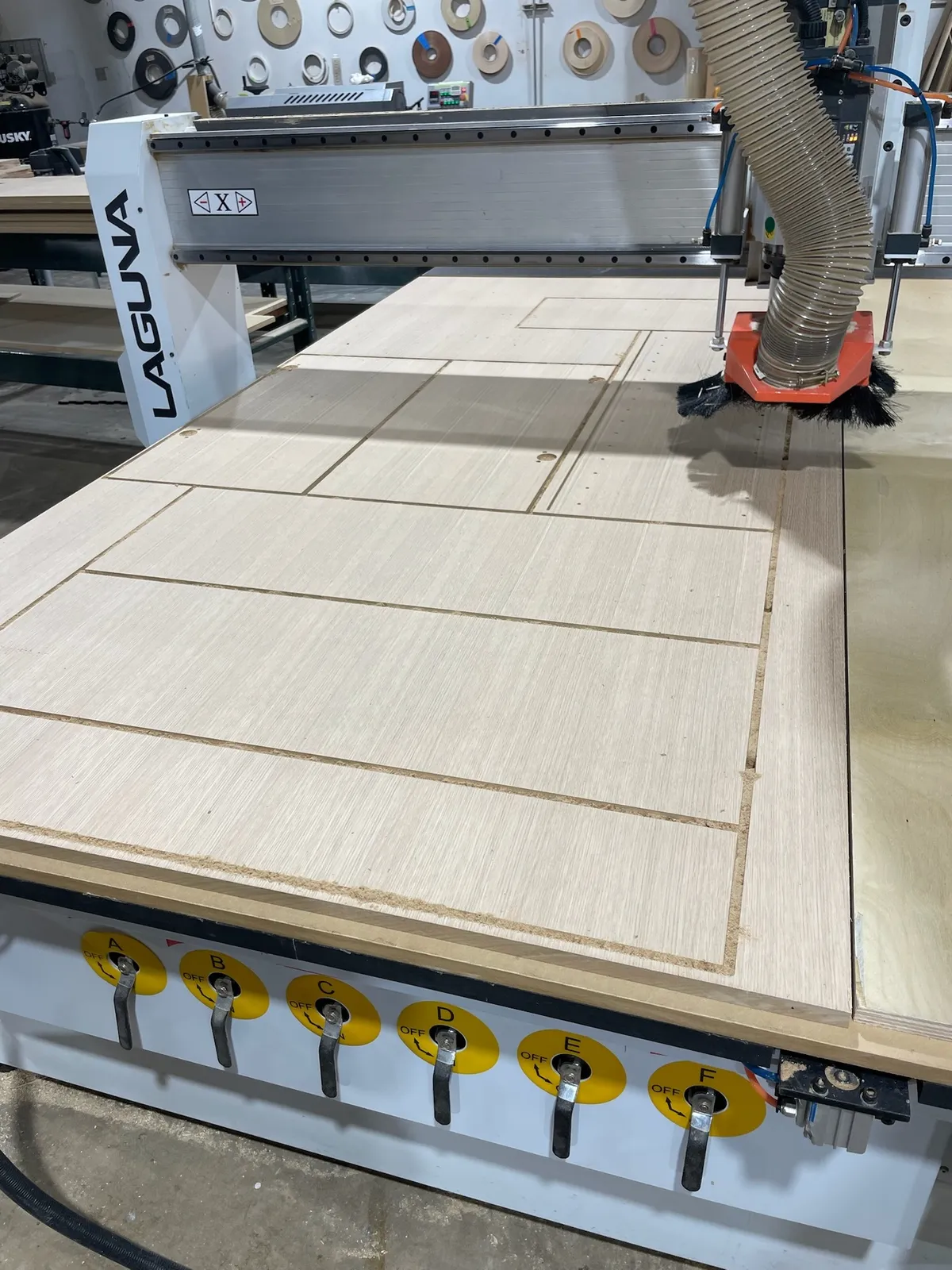
CNC Routing Services for Wood, Plastics, Composites & Custom Fabrication
Precision CNC routing for wood, MDF, plywood, plastics, composites, and aluminum. Cabinet parts, signage, and millwork from partner fabrication shops.
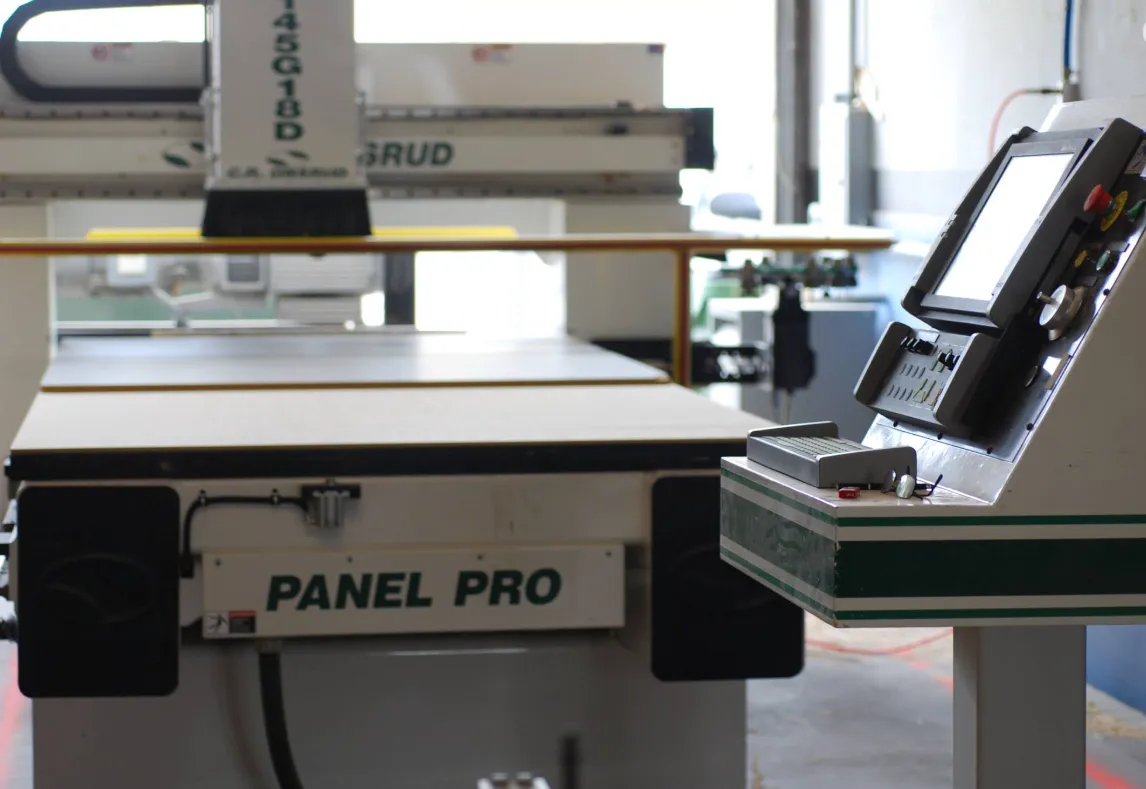
CNC Routing for Custom Cabinet Doors, Drawer Fronts & Casework
CNC fabrication for custom cabinet doors, drawer fronts, and casework. Shaker, slab, and frameless systems built for kitchens, built-ins, and millwork.
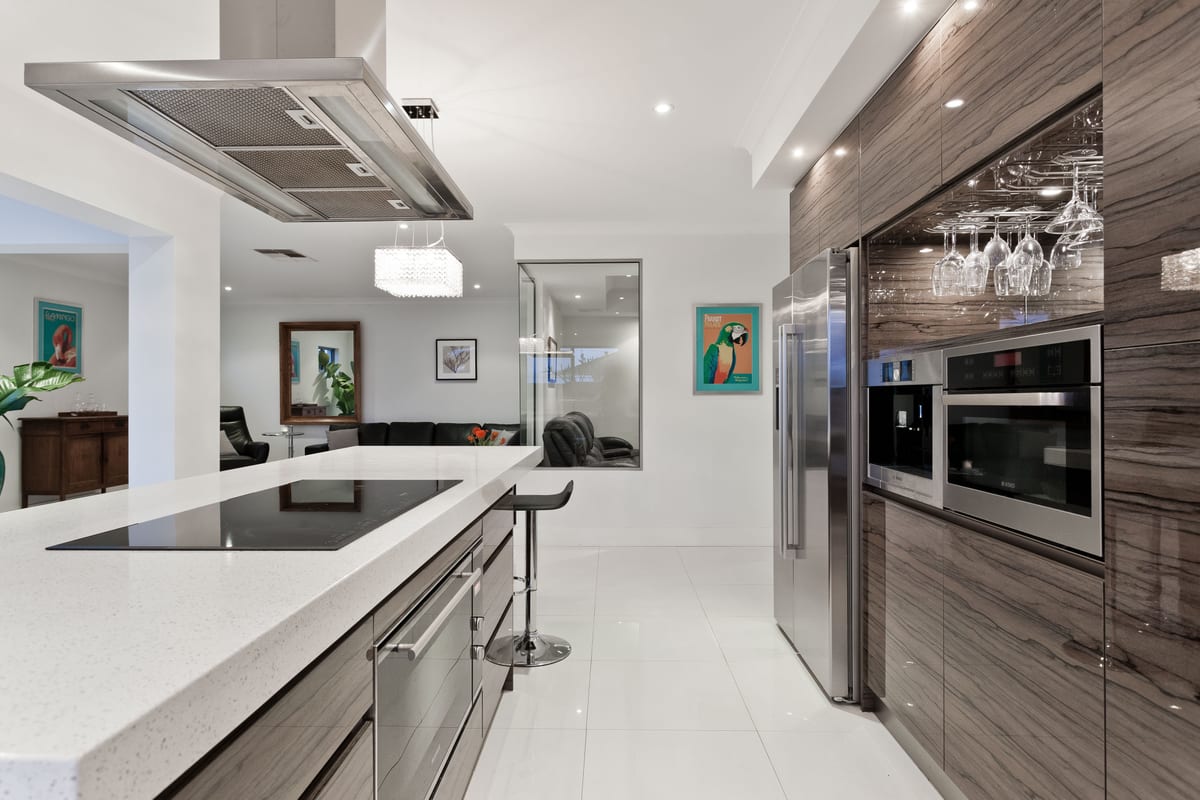
Custom Kitchen Cabinets: Get a Quote from Partner Shops
Get a free quote from partner custom kitchen cabinet makers near you. Review pricing, lead times, and portfolios.
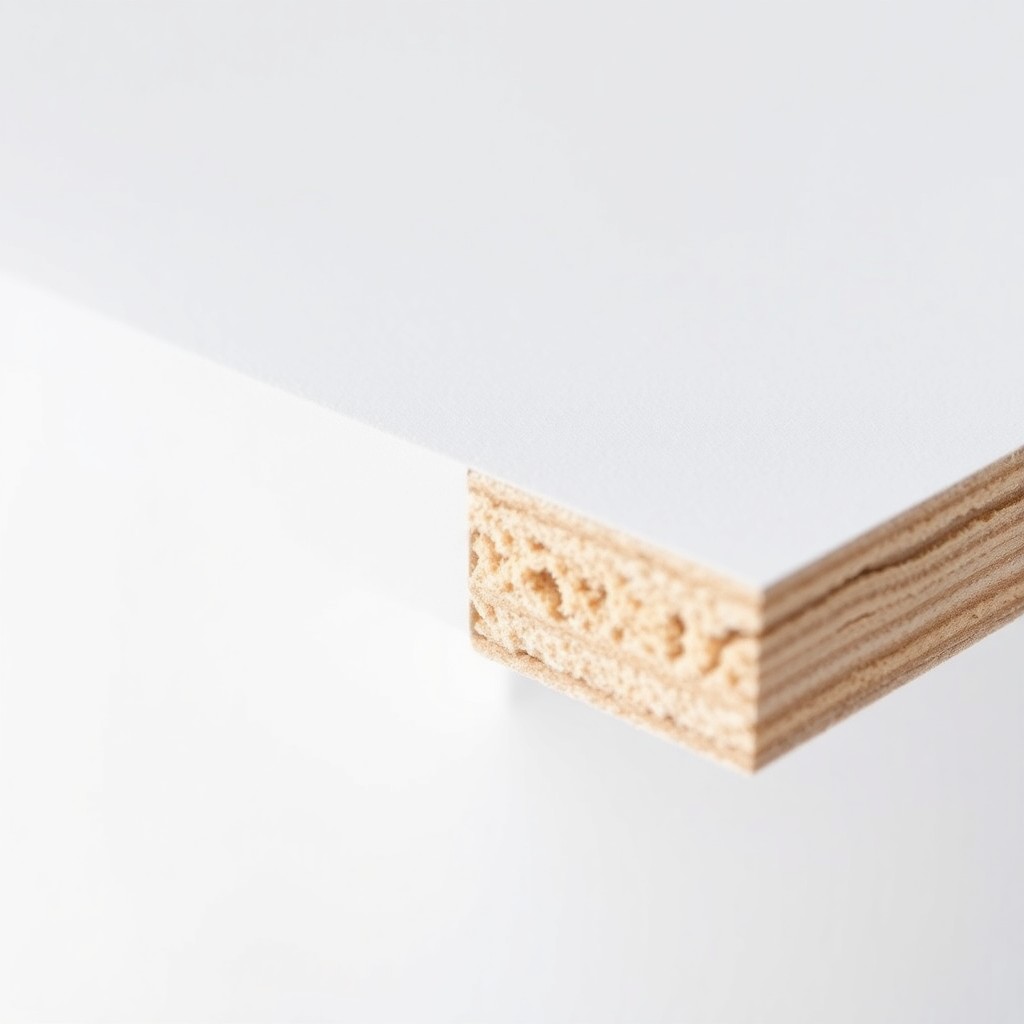
Custom MDF Cabinets, Doors & Painted Millwork
MDF is the industry standard for painted cabinet doors, built-ins, and interior millwork. Get custom MDF projects built to spec by partner CNC shops.