Custom MDF Cabinets, Doors & Painted Millwork
MDF is the industry standard for painted cabinet doors, built-ins, and precision CNC-cut components. Get custom MDF projects built to your exact specifications.
- Smooth, grain-free surface -- ideal for painted cabinet doors and millwork
- No wood grain to telegraph through paint -- perfect for high-gloss finishes
- Cost-effective for painted cabinetry and interior built-ins
STEP · STL · IGES · DWG · DXF · PDF · and more
Uploads are secure & confidential
What Is MDF and Why Is It Used for Cabinets?
MDF (medium-density fiberboard) is one of the most commonly used materials for painted cabinetry and interior millwork. Its smooth, uniform surface makes it ideal for cabinet doors, shelving, and architectural panels where a clean painted finish is required.
Unlike solid wood, MDF contains no grain, which allows for consistent machining, sharp edge profiles, and a flawless paint-ready surface.
How OpenSpindle works
We tap our partner network. You get the best-match quote.
Upload your part and we tap our network of partner shops to get you a competitive, all-in quote that is the best match for the job.
One upload
A CAD file or a sketch. That is the whole ask on your end.
Your best-match quote
Sourced from the partner shops set up for your exact part.
All-in, on your timeline
Machining, finishing, and shipping detailed to your turnaround.
MDF Cabinets, Doors & Millwork Applications
MDF excels wherever a smooth, paint-ready surface is needed. It is the go-to material for painted cabinet doors, built-ins, and decorative millwork.
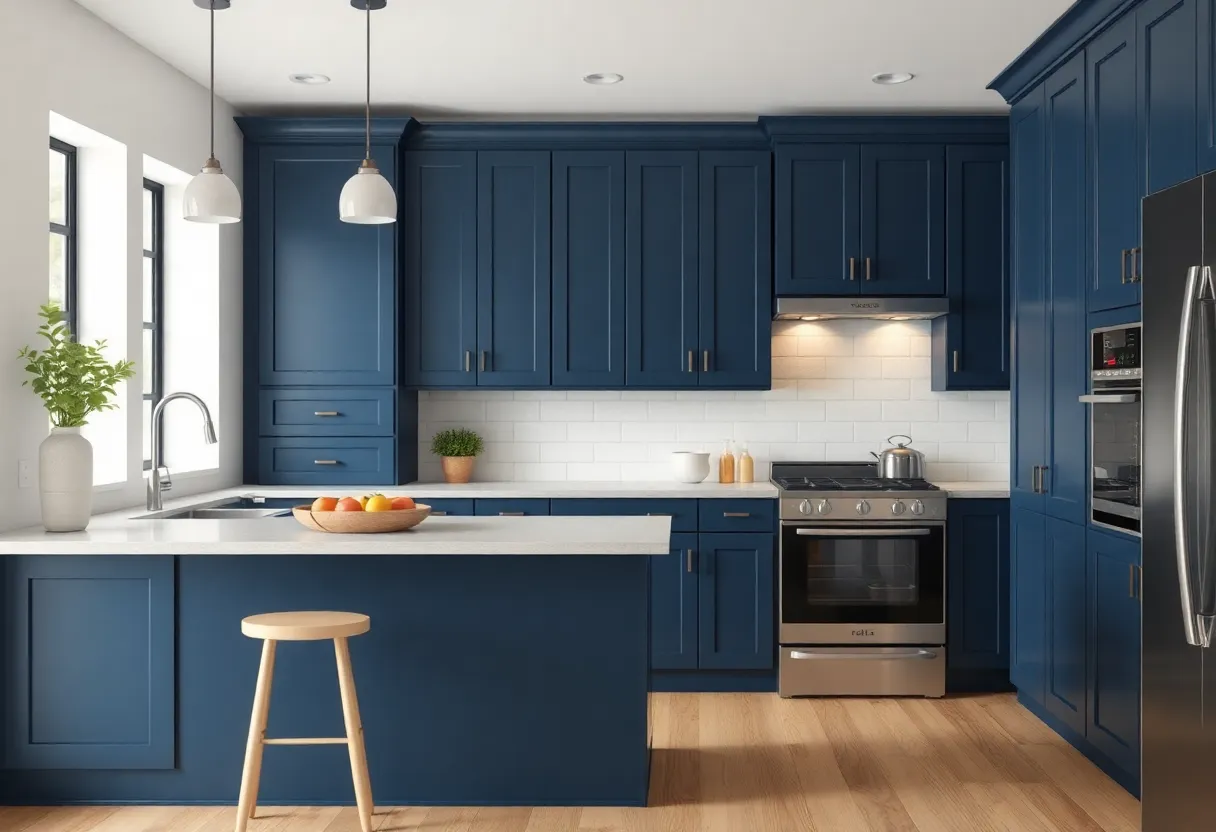
MDF cabinet doors are the most common use of MDF due to their smooth surface and ability to hold detailed routed profiles.
- Painted kitchen cabinet doors
- Shaker and routed profiles
- Seamless paint finishes
MDF is the industry standard for high-gloss and 2-pac lacquer cabinet doors

MDF is widely used in built-ins and painted cabinetry where a uniform finish and cost control are priorities.
- Built-in shelving systems
- Painted storage units
- Wall-to-wall cabinetry
For heavy-load shelves over 30 inches, reinforce MDF with a solid wood nosing or thicker stock
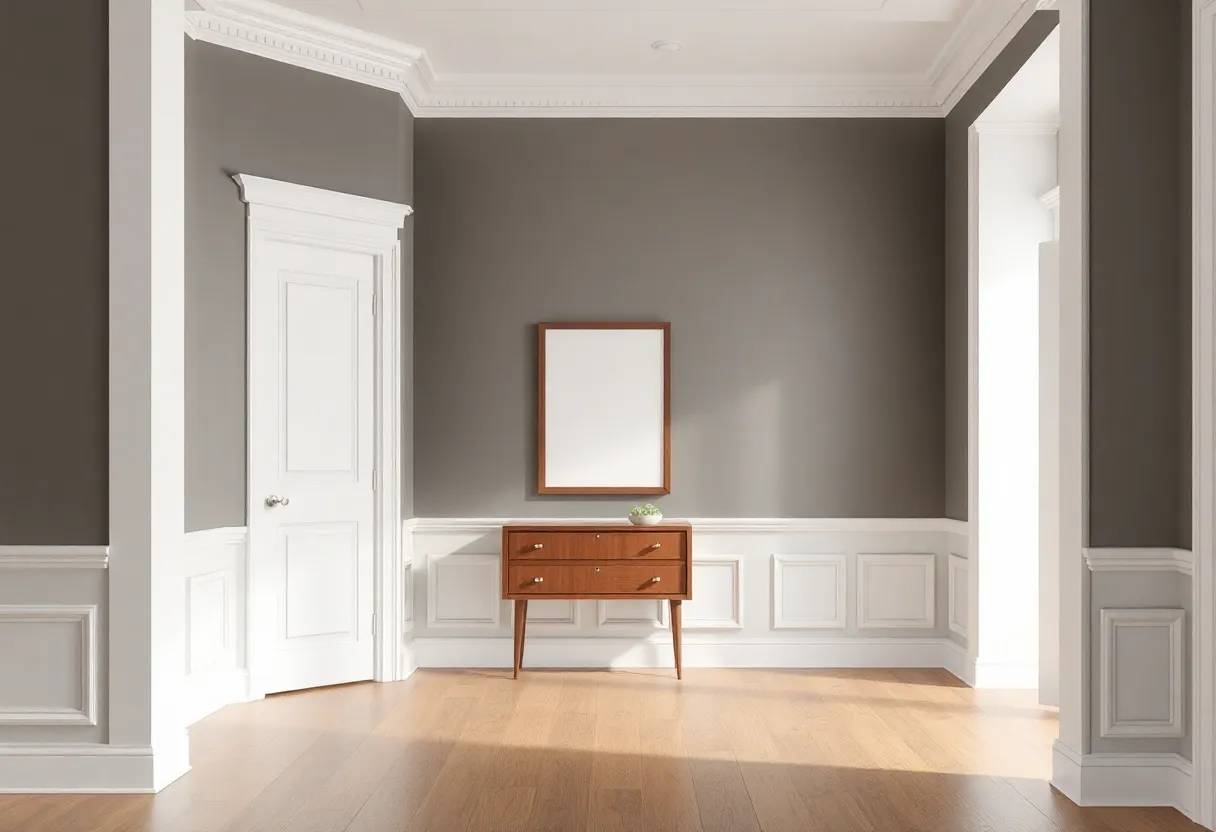
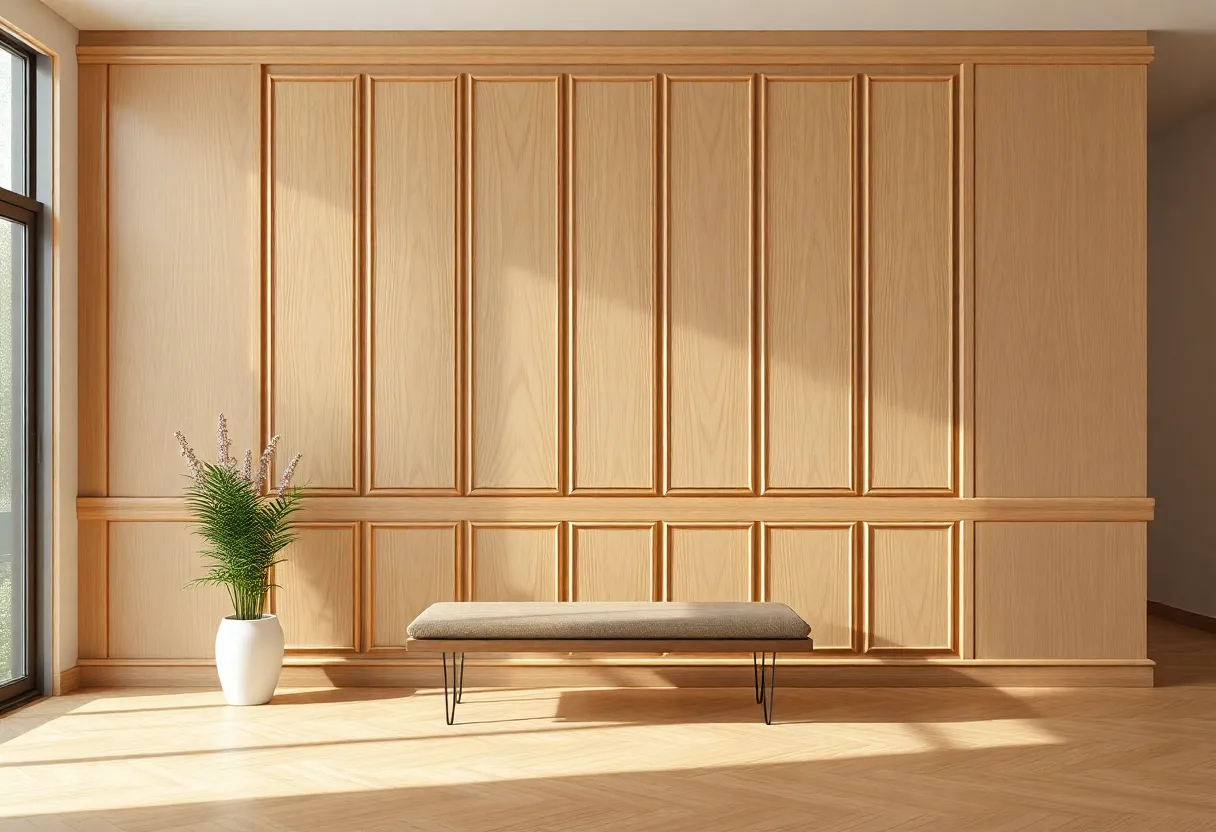
MDF is ideal for decorative wall paneling and CNC-cut millwork applications requiring precision and repeatability.
- Wainscoting and panel molding
- Slat walls and feature panels
- CNC decorative panels
MDF millwork must be installed in climate-controlled spaces -- humidity swells joints
MDF is used for painted furniture components and structural elements where cost efficiency and finish quality matter.
- Painted desks and tables
- Storage furniture
- Cabinet carcasses
MDF is best for painted furniture -- not ideal for natural-finish or structural applications
How MDF Cabinets and Panels Are Built
MDF projects are typically constructed using a combination of CNC machining, panel cutting, and painted finishing systems. The method depends on whether MDF is used for cabinet doors, panels, or full cabinet systems.
Routed MDF Doors
Cabinet door profiles are CNC-cut from MDF sheet stock, then primed and painted. The smooth, grain-free surface accepts routed profiles cleanly with no tearout.
Best For
- CNC cut profiles
- Painted finish
- Cabinet doors
Are MDF Cabinets Good? Pros and Cons
MDF is an excellent choice for painted cabinetry and interior millwork -- with clear limitations around moisture and structural loads.
Ideal For
- ✓Smooth surface for painted finishes
- ✓No wood grain -- no telegraphing through paint
- ✓Cost-effective compared to solid wood
- ✓Stable and consistent -- no warping or seasonal movement
- ✓Painted cabinet doors in climate-controlled interiors
- ✓Interior built-ins and decorative wall paneling
May Not Be Ideal For
- –Heavier than plywood of the same thickness
- –Can swell if exposed to moisture -- seal all edges
- –Lower screw holding strength than hardwood at edges
- –High-moisture environments without full sealing
- –Structural load-bearing furniture
- –Outdoor applications of any kind
MDF vs Other Materials for Cabinets
MDF is frequently compared to plywood, solid wood, and particle board for cabinet and panel applications. Each has a clear best use.
MDF vs Plywood
- MDF is smoother for painted finishes -- plywood grain can telegraph through paint
- Plywood is stronger and holds screws at edges far better than MDF
- Plywood tolerates moisture exposure much better than MDF
- MDF is typically 20-30% less expensive per sheet than comparable plywood
Use MDF for painted cabinet doors and flat surfaces; use plywood for cabinet carcasses and any moisture-exposed applications.
View Plywood →MDF vs Solid Wood
- MDF does not warp, crack, or move seasonally -- solid wood does
- Solid wood offers natural grain and character -- MDF has none
- MDF produces a more consistent painted surface than solid wood
- Solid wood holds screws and handles structural loads better than MDF
Use MDF for painted flat-panel doors and millwork; use solid wood for face frames, structural elements, and natural-finish applications.
MDF vs Particle Board
- MDF is denser and stronger than particle board
- MDF machines more cleanly and holds routed profiles better
- Particle board is cheaper but less durable and more prone to swelling
- MDF is the preferred choice for any application requiring routed detail or a painted edge
Choose MDF over particle board for any application requiring paint, routing, or durability.
How Much Do MDF Cabinets and Projects Cost?
MDF is one of the most cost-effective materials for painted cabinetry and interior millwork. Total cost depends on how MDF is used within the project.
Cost Impact by Construction Method
Painted MDF Doors Only
A door-only package for a kitchen (20-24 doors) in shaker or raised panel profile runs $1,800-4,000 including machining and priming.
Includes
- CNC profiled MDF doors
- Factory primed and ready for paint
- Standard shaker and routed profiles
Best For
MDF Doors + Plywood Cabinets
A full kitchen with MDF doors and plywood carcasses typically runs $10,000-18,000 installed with a professional painted finish.
Includes
- MDF door package
- Plywood or poplar carcasses
- Professional painted finish
Best For
Full MDF Construction
Full MDF carcasses and doors reduce material cost but increase weight. Common for built-ins and wall systems where structural load is not a concern.
Includes
- MDF doors and carcasses
- Edge banding and sealing
- Painted or lacquered finish
Best For
What Actually Drives MDF Cost
- ·MDF type -- standard vs. moisture-resistant vs. fire-rated
- ·Profile complexity -- simple shaker vs. raised panel
- ·Finish quality -- primed only vs. painted vs. lacquered
- ·Edge treatment -- raw edge vs. banded vs. solid wood nosing
Key Insight
MDF's real cost advantage is at the finishing stage. Its grain-free surface requires fewer primer coats and less sanding than solid wood, saving significant time and material cost in the finish step.
Best Finishes for MDF Cabinets and Millwork
MDF has no inherent aesthetic -- it exists to serve the finish applied over it. Its contribution is enabling the most flawless painted surfaces possible at the lowest cost.
Best for Painted Cabinets
The most common finish path for MDF cabinetry. A professional spray finish over MDF produces a clean, factory-quality result in any color.
Best for Durability
For cabinet doors that see heavy use, catalyzed finishes provide a harder, more chip-resistant surface than standard paint.
Wrapped Finishes
MDF can be wrapped in PVC (thermofoil) or real wood veneer as an alternative to painting. Thermofoil produces a seamless, more moisture-resistant surface.
Pro Tip
MDF performs best with professional spray finishes. Brush-applied paint often highlights seams and edges. For a furniture-grade result, apply two coats of high-build primer and sand to 220 between coats before your topcoat.
Design Pairings
Hardware
Countertops
Design Styles
Frequently Asked Questions
What is MDF and what is it made from?
How much does MDF cost per sheet?
What are MDF's main advantages for painted cabinetry?
What is MDF's biggest weakness?
Does MDF hold screws well?
What is moisture-resistant MDF and when is it used?
What CNC operations work best with MDF?
How does MDF compare to plywood for cabinet construction?
Ready to Get Started?
Tap our network of partner CNC woodworking shops today. Submit your project details and get a competitive, best-match quote from specialists in your area.
Get a Quote