Hard Maple for Paint-Grade Cabinets & Butcher Block Countertops
The densest domestic hardwood -- industry standard for painted cabinetry, butcher block countertops, and high-traffic furniture.
- Janka 1450 -- the densest widely available domestic hardwood
- Nearly grain-free surface -- paint-grade cabinets with no finish telegraphing
- The standard for butcher block countertops, commercial kitchens, and high-traffic surfaces
STEP · STL · IGES · DWG · DXF · PDF · and more
Uploads are secure & confidential
Why Hard Maple Is the Industry Standard for Paint-Grade Cabinets
Hard maple is the industry standard for paint-grade cabinetry due to its smooth grain, durability, and consistent machining performance.
Also called rock maple or sugar maple, it is the densest and hardest of the common domestic hardwoods. Its tight, nearly uniform grain produces a surface that takes paint better than any other wood species -- no grain telegraphing, no blotching, no filler required for a furniture-grade painted result.
Beyond paint-grade cabinets, hard maple's density makes it the default choice for butcher block countertops and high-impact surfaces. For CNC work, hard maple requires sharp tooling and proper feed rates, but delivers precise, clean cuts with crisp edge detail that holds up in service.
Hard Maple Grades and Figure
Hard maple is available in several grades and figured variations. The grade you choose affects both cost and the final visual character.
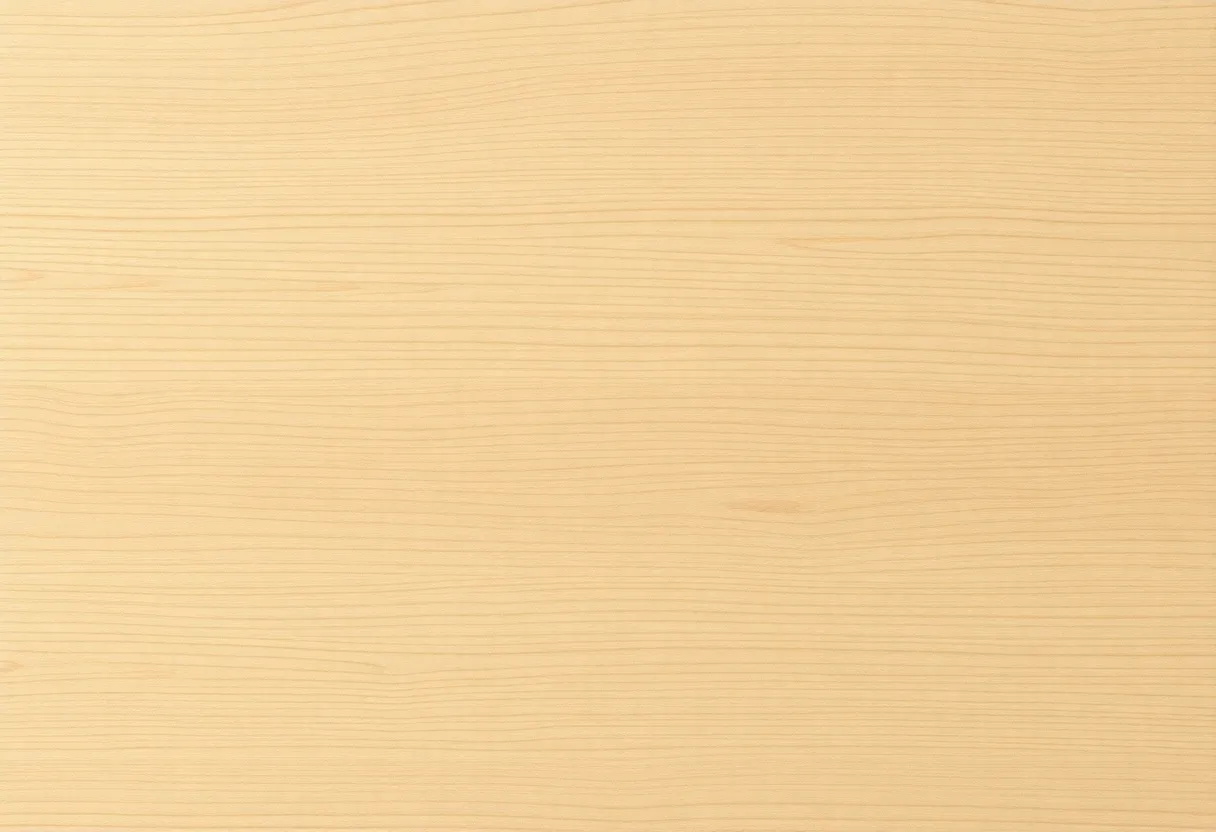
Clear Hard Maple
The paint-grade standard
Select and better grade with minimal knots or figure. The go-to for painted cabinetry -- the clean surface accepts primer uniformly and produces a flawless painted result.
Best For
- Painted kitchen and bath cabinets
- Butcher block countertops
- High-traffic furniture
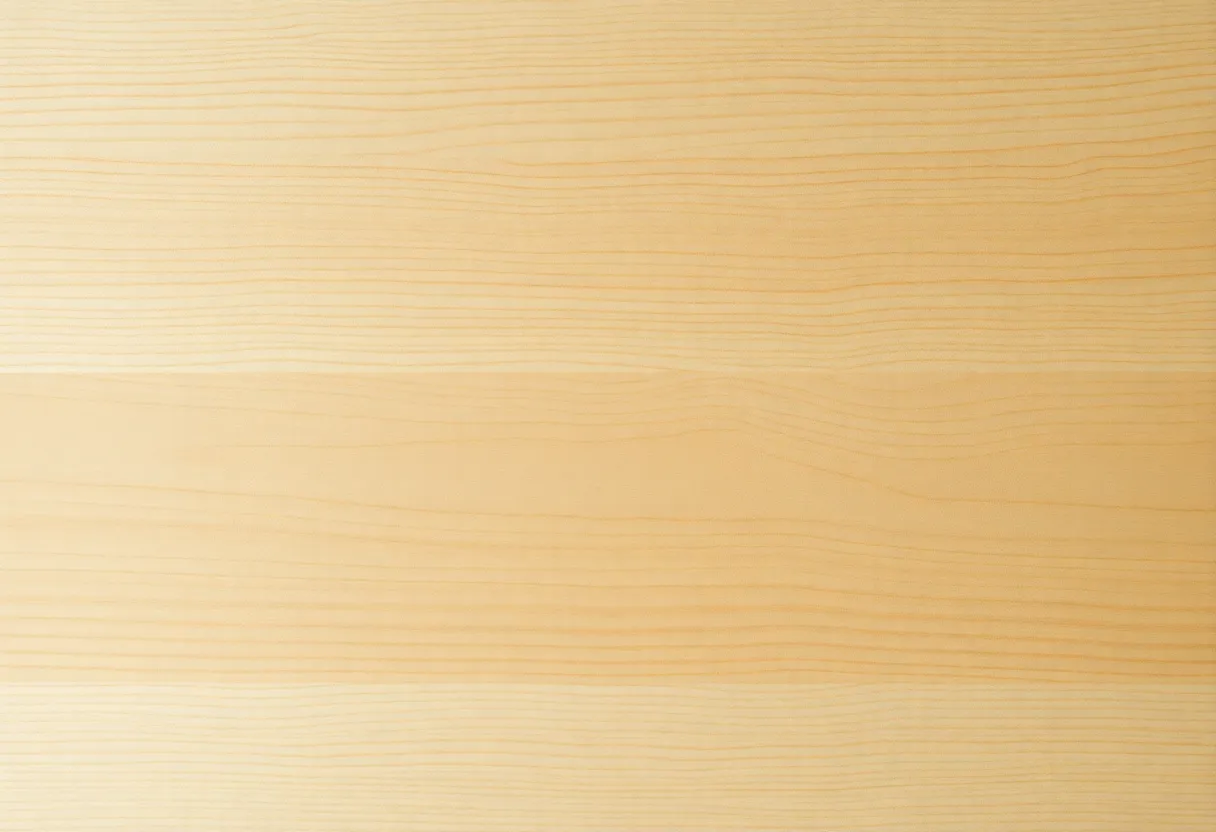
Curly Maple
Dramatic figure for natural finish work
Curly or 'tiger' maple shows a rippled, three-dimensional figure caused by irregular grain patterns. Under a natural or amber finish, the figure shimmers as light angle changes. Commands a significant premium.
Best For
- Furniture-grade natural finish work
- Accent cabinet doors
- High-end drawer fronts
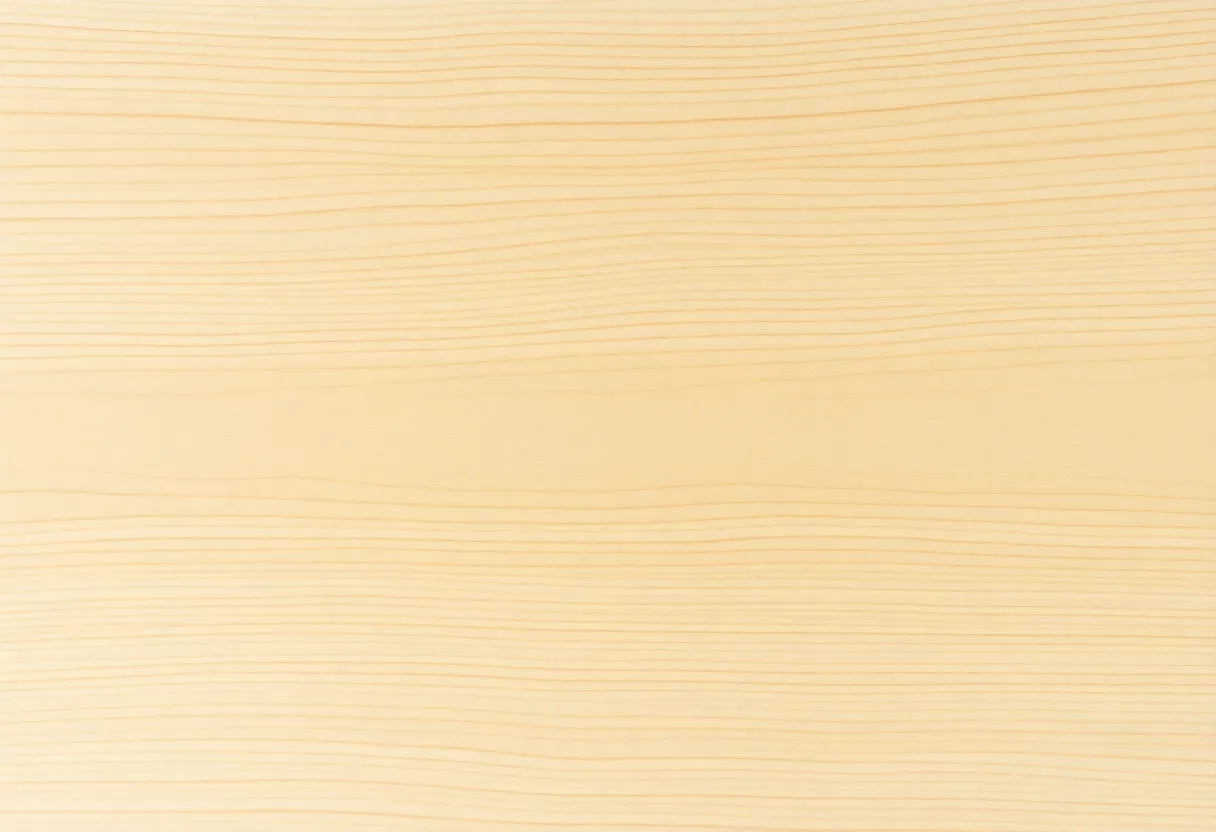
Bird's Eye Maple
The premium figured option
Small circular figure patterns scattered across the surface produce a remarkable visual effect. Rare, expensive, and typically reserved for decorative inlay and luxury furniture.
Best For
- Luxury furniture accents
- Musical instrument surfaces
- Decorative panels
How OpenSpindle works
We tap our partner network. You get the best-match quote.
Upload your part and we tap our network of partner shops to get you a competitive, all-in quote that is the best match for the job.
One upload
A CAD file or a sketch. That is the whole ask on your end.
Your best-match quote
Sourced from the partner shops set up for your exact part.
All-in, on your timeline
Machining, finishing, and shipping detailed to your turnaround.
Hard Maple Cabinets, Countertops & Painted Furniture Applications
Hard maple's density and grain uniformity make it the top choice for paint-grade kitchen cabinets, butcher block countertops, and durable painted furniture. It is the workhorse of professional cabinetry shops for good reason.
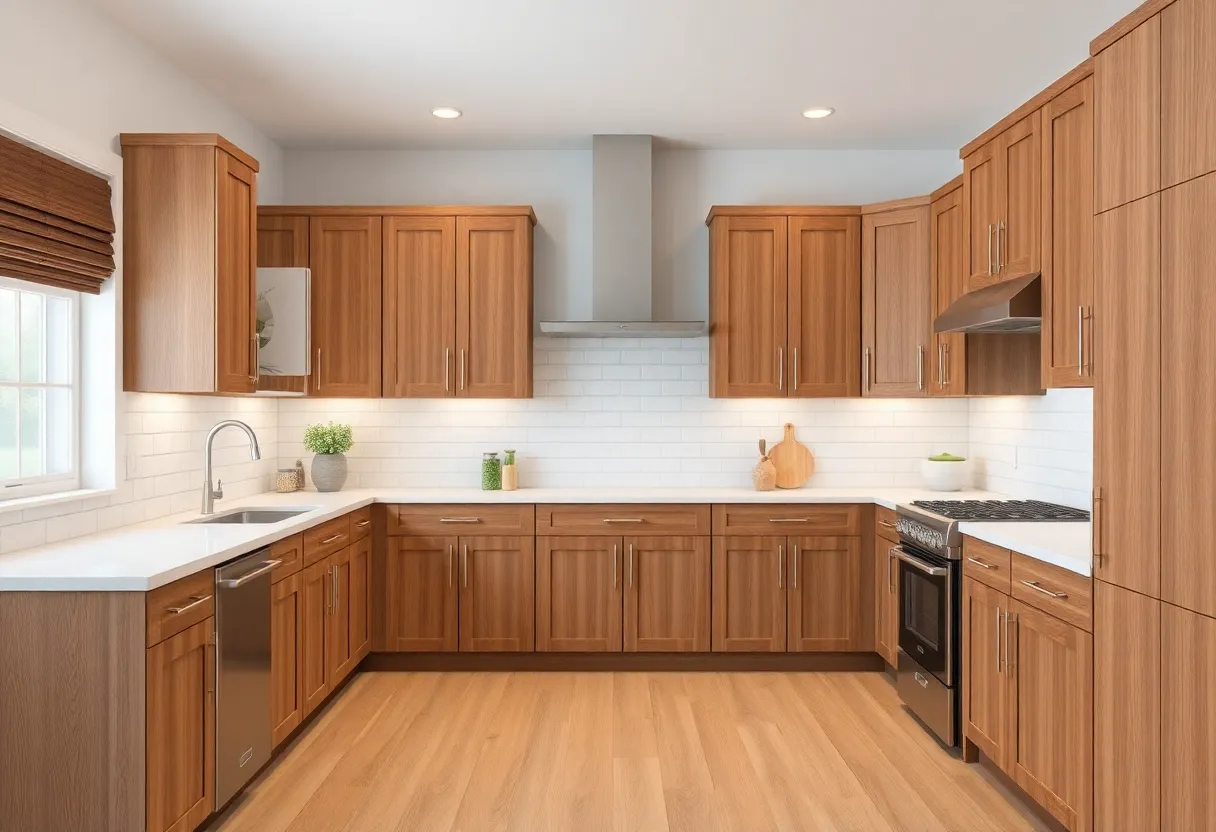
Hard maple is the gold standard for painted kitchen cabinets and bathroom vanities. Its nearly grain-free surface takes primer and paint without telegraphing wood texture through the topcoat -- essential for a flawless painted finish.
- Full overlay and inset cabinet construction
- Flat, shaker, and profiled door styles all machine cleanly
- Bathroom vanity cabinetry with durable painted finish
- Built-in cabinetry requiring a smooth, long-lasting paint surface
Most common finish: waterborne alkyd or catalyzed lacquer over hard maple
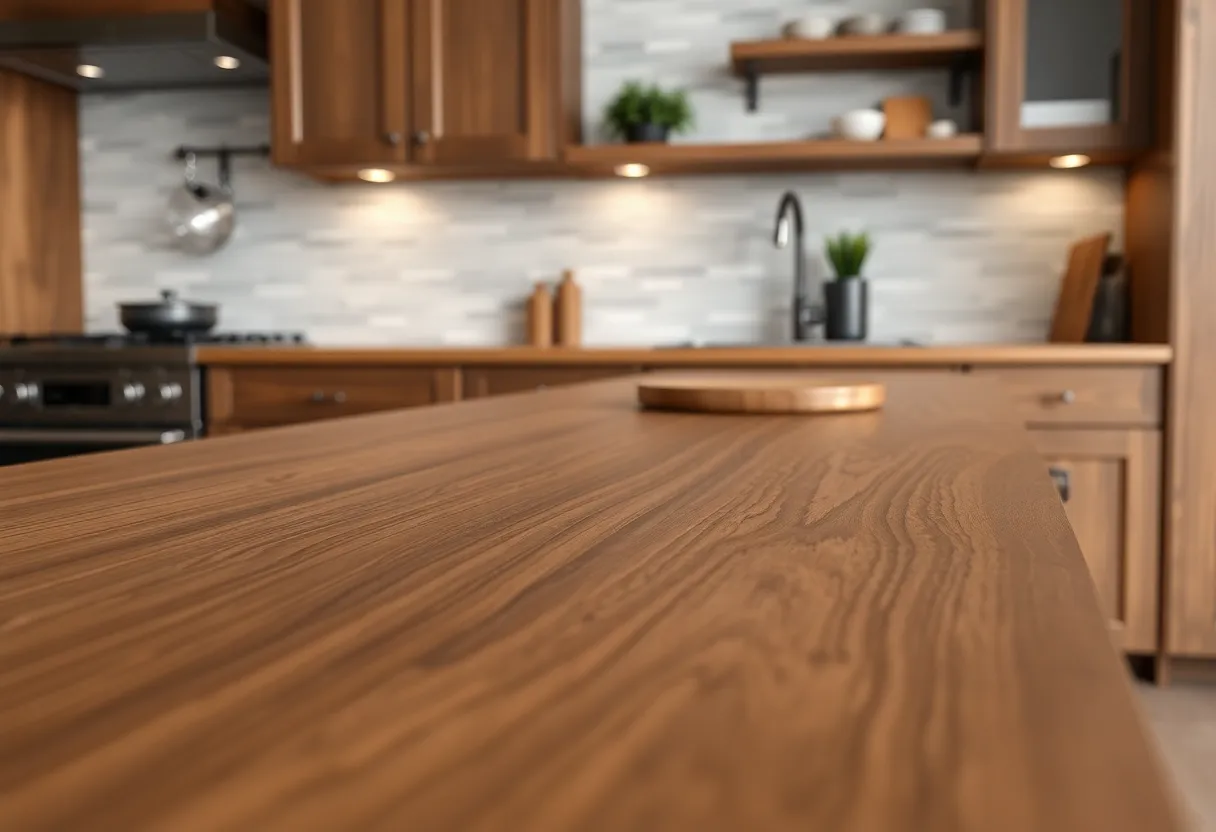
Hard maple is the traditional butcher block species. Food-safe, durable, and easy to resurface when worn -- the same material used in commercial kitchens and professional prep environments.
- End-grain and edge-grain countertop configurations
- Custom dimensions for islands, prep stations, and peninsulas
- Food-safe oil finish keeps the surface clean and resurfaceable
Maple butcher block countertops should be oiled monthly to prevent cracking
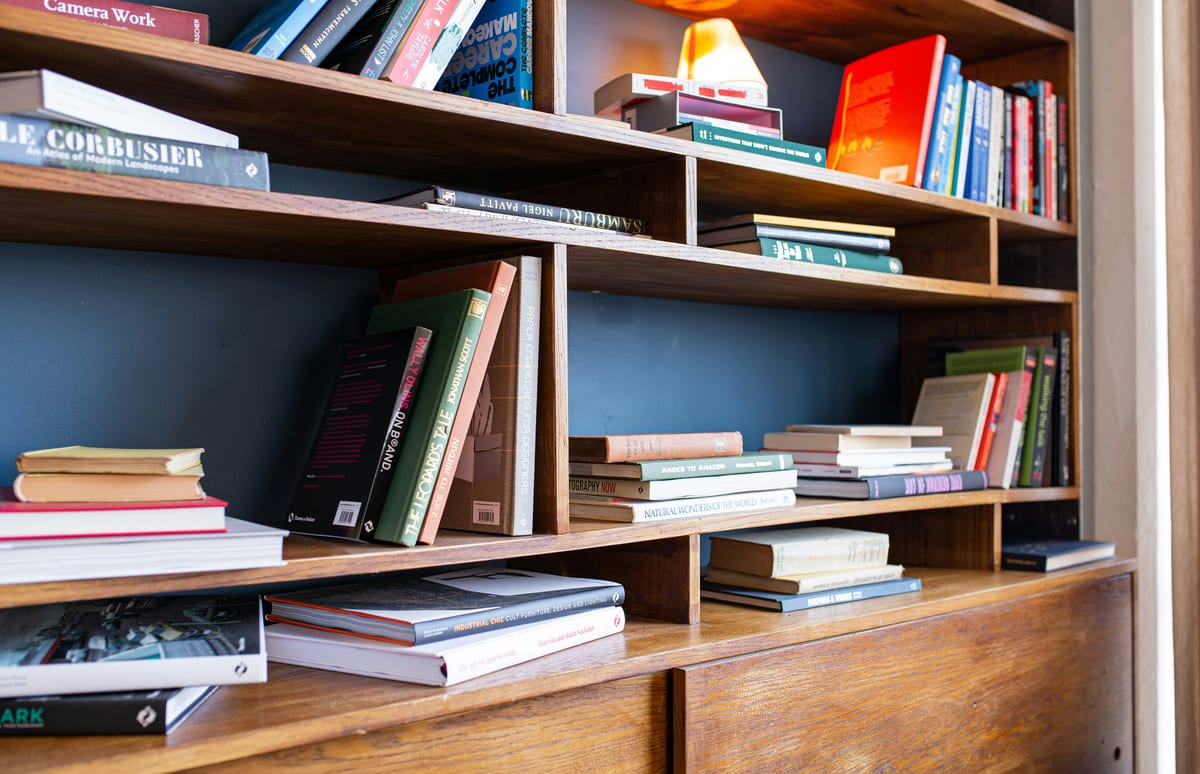
Paint-grade hard maple built-ins hold up in high-traffic spaces -- mudrooms, garages, and kids' rooms -- where softer woods show wear within months.
- Mudroom locker systems with painted finish
- Garage storage cabinets with durable topcoat
- Built-in storage units with furniture-grade painted surfaces
For mudrooms: catalyzed lacquer or two-part polyurethane for maximum durability
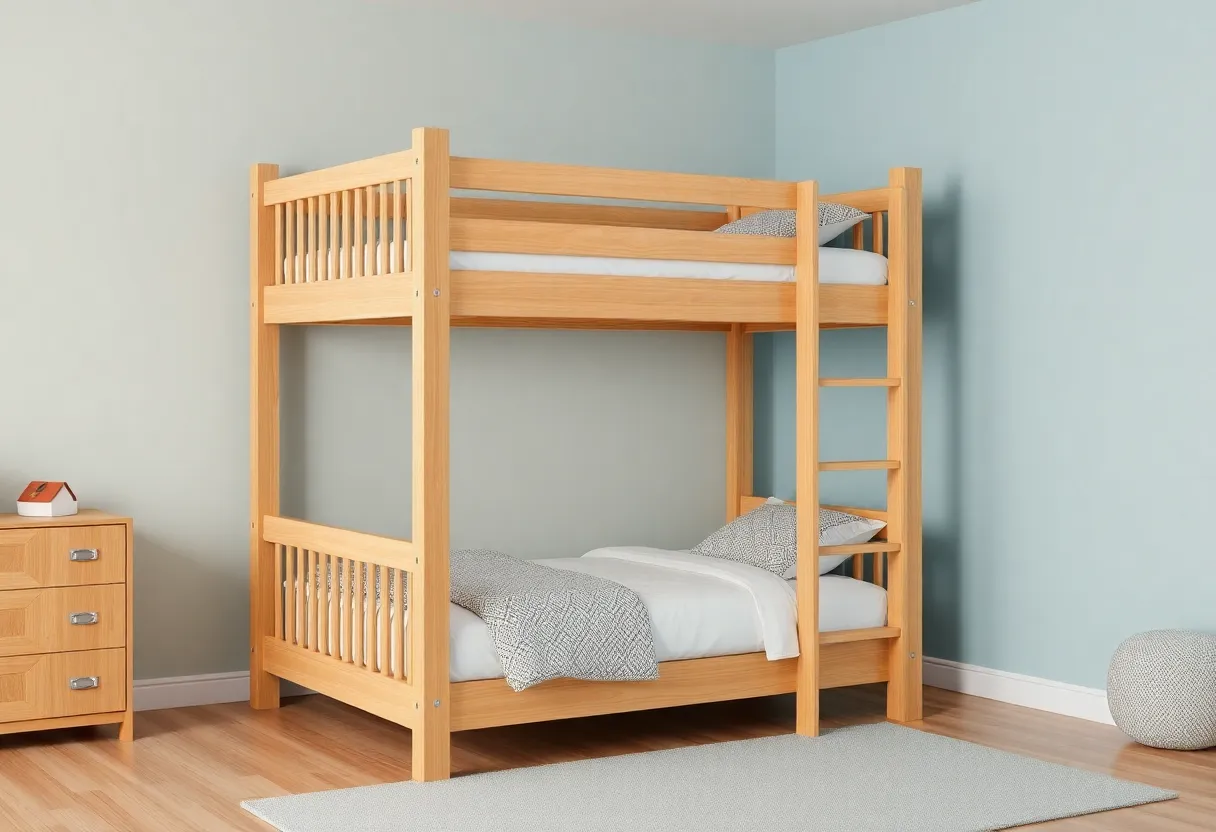
Solid maple painted furniture -- bunk beds, dressers, and storage units -- is built to absorb daily use without wobbling, cracking, or denting.
- Bunk beds rated for adult weight with solid joinery
- Painted dressers and nightstands that resist chipping
- Toy storage and kids' room furniture built for hard use
Maple's density makes it the right choice when furniture will be used hard
How Hard Maple Cabinets and Projects Are Built
Hard maple's density and workability make it suitable for solid, veneer, and panel construction -- though its weight is a practical consideration for large case goods.
Solid Hard Maple
Full-thickness maple boards for structural and visible components. Heavier than veneered alternatives, but built to last generations and fully resurfaceable.
Best For
- Butcher block countertops
- Face frames and door profiles
- Heavy-duty furniture frames
Is Hard Maple Good for Cabinets?
Yes -- hard maple is the industry standard for paint-grade cabinets due to its smooth, uniform grain that prevents finish telegraphing, excellent durability for daily-use cabinetry, and consistent CNC machining performance.
Ideal For
- ✓Paint-grade kitchen cabinets -- smooth grain produces a flawless painted surface with no telegraphing
- ✓Bathroom vanities and built-in cabinetry requiring long-lasting durability
- ✓Butcher block countertops and food-contact surfaces -- dense, food-safe, resurfaceable
- ✓High-traffic furniture and storage where hardness matters
- ✓CNC production cabinetry requiring consistent, predictable machining
May Not Be Ideal For
- –Natural-finish furniture where visible grain character is the priority -- maple's plain grain lacks visual interest
- –Staining applications -- maple is prone to blotching without extensive pre-conditioning
- –Low-cost decorative builds where poplar achieves a similar painted result at lower cost
- –Exterior applications -- maple has poor natural weather resistance
- –Shops with older tooling -- maple dulls bits quickly and requires sharp carbide
How Hard Maple Compares to Other Woods
Hard maple sits at the top of the domestic hardwood density chart. Understanding where it excels helps you spec the right material for cabinets, countertops, and furniture.
Hard Maple vs Soft Maple
- Soft maple (Janka 950-1000) is significantly easier to machine
- Both accept paint well for cabinetry; soft maple is slightly more prone to grain show-through
- Soft maple runs 15-25% less per board foot
- Hard maple is the better choice for butcher block and high-traffic painted surfaces
Choose hard maple for butcher block countertops and high-traffic painted cabinets; soft maple for general painted cabinetry where durability is less critical.
View Soft Maple →Hard Maple vs Poplar
- Poplar (Janka 540) is dramatically softer and easier to work
- Both are used for paint-grade cabinetry; hard maple produces a noticeably smoother surface
- Poplar is typically 30-45% less expensive per board foot
- Hard maple holds paint better at cabinet door corners and edges over time
Choose poplar when budget is the primary constraint; choose hard maple when the painted cabinet result needs to be flawless and durable.
View Poplar →Hard Maple vs White Oak
- White oak (Janka 1360) is slightly softer but has more visible grain character
- White oak is the better natural-finish wood; hard maple is better for painted cabinets
- Both are mid-tier in cost, within 10-20% of each other
- Hard maple machines more predictably for tight-tolerance painted cabinetry
Choose hard maple for painted cabinetry and butcher block; choose white oak when a natural wood look is the goal.
View White Oak →How Much Do Hard Maple Cabinets and Countertops Cost?
Hard maple is one of the most commonly used woods for paint-grade cabinetry and butcher block countertops in both residential and commercial applications. It is a mid-tier material that delivers exceptional value for painted work.
Cost Impact by Construction Method
Material Cost
Clear hard maple runs $6-11 per board foot. Figured maple (curly, bird's eye) commands 2-5x the price of clear.
Includes
- Select and better clear grade for paint-grade cabinets
- Figured grades at significant premium
- Butcher block blanks as specialty product
Best For
Paint-Grade Kitchen Cabinets
A hard maple paint-grade kitchen runs $14,000-26,000 installed. Butcher block islands add $1,500-4,000 depending on size.
Includes
- Custom fabrication and CNC machining
- Painted finish with primer and topcoat
- Standard hardware
Best For
Premium Painted Build
Inset door construction, furniture-grade finish (no visible grain, no brush marks), and hand-fitted hardware can push $38,000+ for a full kitchen.
Includes
- Inset or beaded face-frame construction
- Catalyzed lacquer or conversion varnish
- Custom hardware
Best For
What Actually Drives Hard Maple Cost
- ·Paint system -- simple primer + topcoat vs. furniture-grade multi-step finishing
- ·Door style -- flat panel vs. 5-piece profile affects machining time
- ·Construction type -- face-frame vs. frameless vs. inset
- ·Figured vs. clear grade -- figure adds cost but is reserved for natural finish work
Key Insight
For painted cabinets, the quality of the finish is the product -- not the wood grain. Hard maple justifies its cost over poplar because the denser surface holds paint better at corners and edges, meaning fewer callbacks and touch-ups over the life of the project.
Best Finishes for Hard Maple Cabinets and Butcher Block
Hard maple is most often used for painted kitchen cabinets and butcher block countertops, where a smooth, uniform surface is required. Under paint, it disappears entirely -- which is exactly the point. When figure appears, it's spectacular.
Painted Finish
The most common use case for hard maple cabinets. Its tight grain produces a near-porcelain surface under a proper painted finish. Multi-step finishing is required for furniture-grade results.
Natural Clear Finish
Under clear finish, hard maple shows clean, subtle grain with a warm blonde tone -- ideal for butcher block countertops and Scandinavian-aesthetic furniture where brightness is the goal.
Figured Maple Finishes
Curly and bird's eye maple under an amber or natural finish are visually striking. The figure catches light from different angles, creating a shimmering three-dimensional effect.
Pro Tip
For painted maple cabinets, sand to 180 grit and apply a grain filler before the first coat of primer. Even though maple's grain is tight, this step eliminates any possibility of grain texture reading through a high-gloss finish.
Design Pairings
Hardware
Countertops
Design Styles
Frequently Asked Questions
What is hard maple and how does it differ from soft maple?
Why is hard maple used for butcher block countertops?
How much does hard maple cost per board foot?
Is hard maple good for hardwood flooring?
Does hard maple take stain well?
What are the machining considerations for hard maple?
What is figured hard maple and how much does it cost?
What finish is best for hard maple cabinetry?
Ready to Get Started?
Tap our network of partner CNC woodworking shops today. Submit your project details and get a competitive, best-match quote from specialists in your area.
Get a Quote