Soft Maple for Painted Cabinets & Built-In Cabinetry
hardwood, mid tier
- Janka 950-1000 — durable enough for cabinetry, easier to work than hard maple
- Tight, uniform grain takes painted finishes cleanly
- Cost-effective upgrade from poplar for paint-grade work
STEP · STL · IGES · DWG · DXF · PDF · and more
Uploads are secure & confidential
Is Soft Maple Good for Cabinets?
Yes — soft maple is one of the best woods for painted kitchen cabinets and built-ins. Its grain is smoother than poplar, it's more durable than budget alternatives, and it delivers a consistent paint finish across doors, face frames, and carcasses.
Soft maple sits between poplar (the budget paint-grade choice) and hard maple (the premium option) — offering better surface smoothness without the tooling demands of hard maple. At Janka 950–1000, it's harder than cherry and harder than most domestic softwoods. It machines cleanly, holds detail at door profiles, and accepts primer without the blotching common with open-grained species.
For projects where the painted finish is the product and the underlying wood is infrastructure, soft maple delivers reliable results at a price point that keeps projects competitive. Best uses: painted kitchen cabinets, bathroom vanities, and built-in storage. Not ideal for stain-grade cabinetry or natural-finish projects.
How OpenSpindle works
We tap our partner network. You get the best-match quote.
Upload your part and we tap our network of partner shops to get you a competitive, all-in quote that is the best match for the job.
One upload
A CAD file or a sketch. That is the whole ask on your end.
Your best-match quote
Sourced from the partner shops set up for your exact part.
All-in, on your timeline
Machining, finishing, and shipping detailed to your turnaround.
Soft Maple Cabinets, Built-Ins & Painted Furniture Applications
Soft maple is the standard material for painted cabinetry at any scale — from full kitchen renovations to custom built-ins. Its tight grain and reliable paint acceptance make it the consistent choice for shops and homeowners alike.
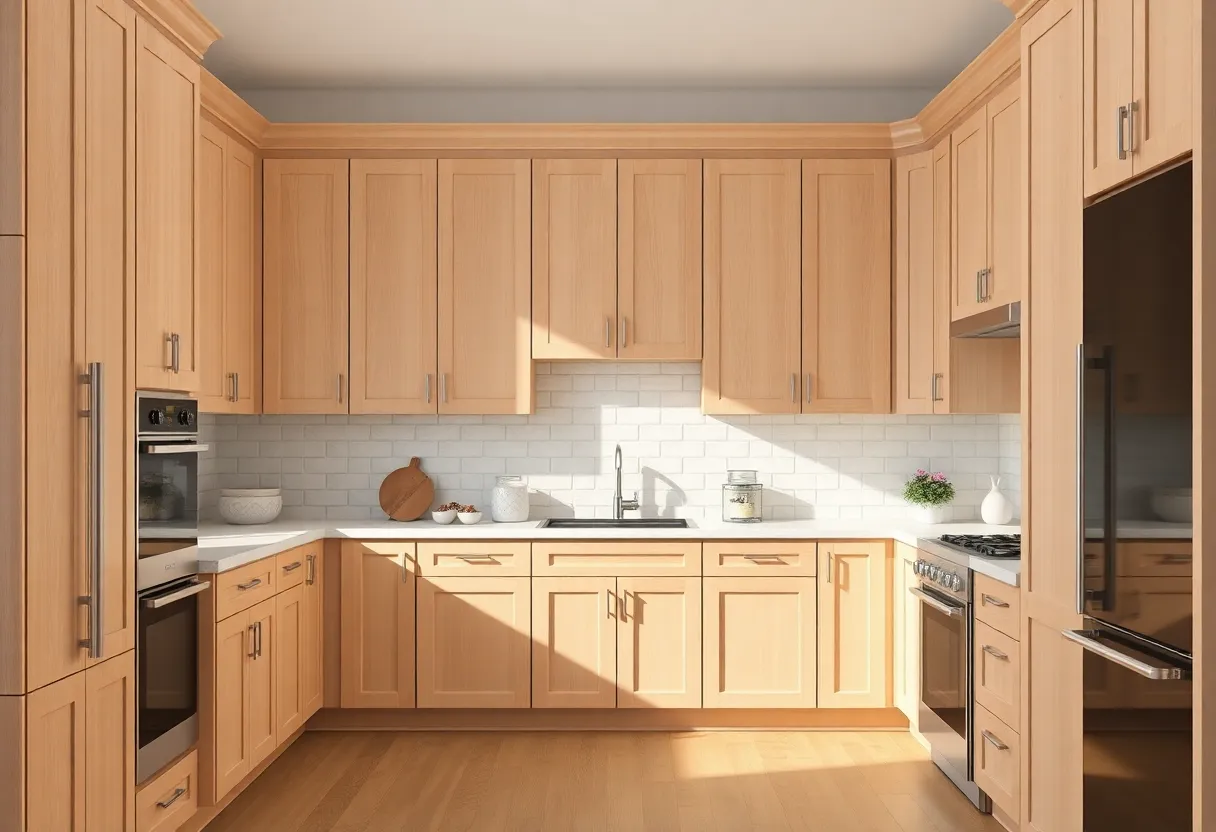
Soft maple is one of the most widely used materials for painted kitchen cabinets. Its grain is tight enough to avoid the blotchy primer absorption common with open-grained species, and it's durable enough for daily use.
- Shaker, flat, and traditional profile doors machine cleanly
- 5-piece construction holds its shape after finishing
- Face frames stay straight and tight across long runs
Waterborne alkyd or catalyzed lacquer recommended for a durable painted result
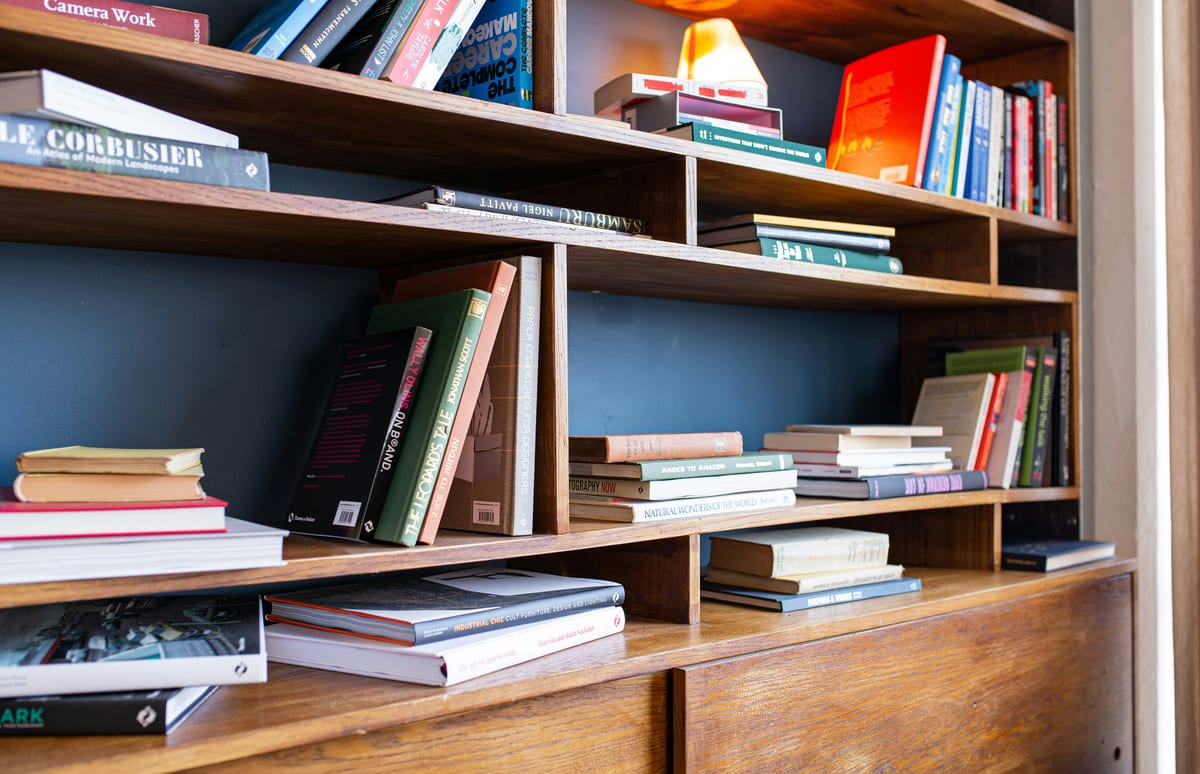
Soft maple built-ins painted to match trim and walls create a seamless, architectural look. The wood is stiff enough for 24" spans with standard shelf thickness and holds paint cleanly at edges.
- Floating shelf systems with concealed brackets
- Full bookcase surrounds with crown and base detail
- Mudroom and laundry room cabinetry systems
Often combined with MDF carcasses — maple for profiled elements, MDF for flat panels
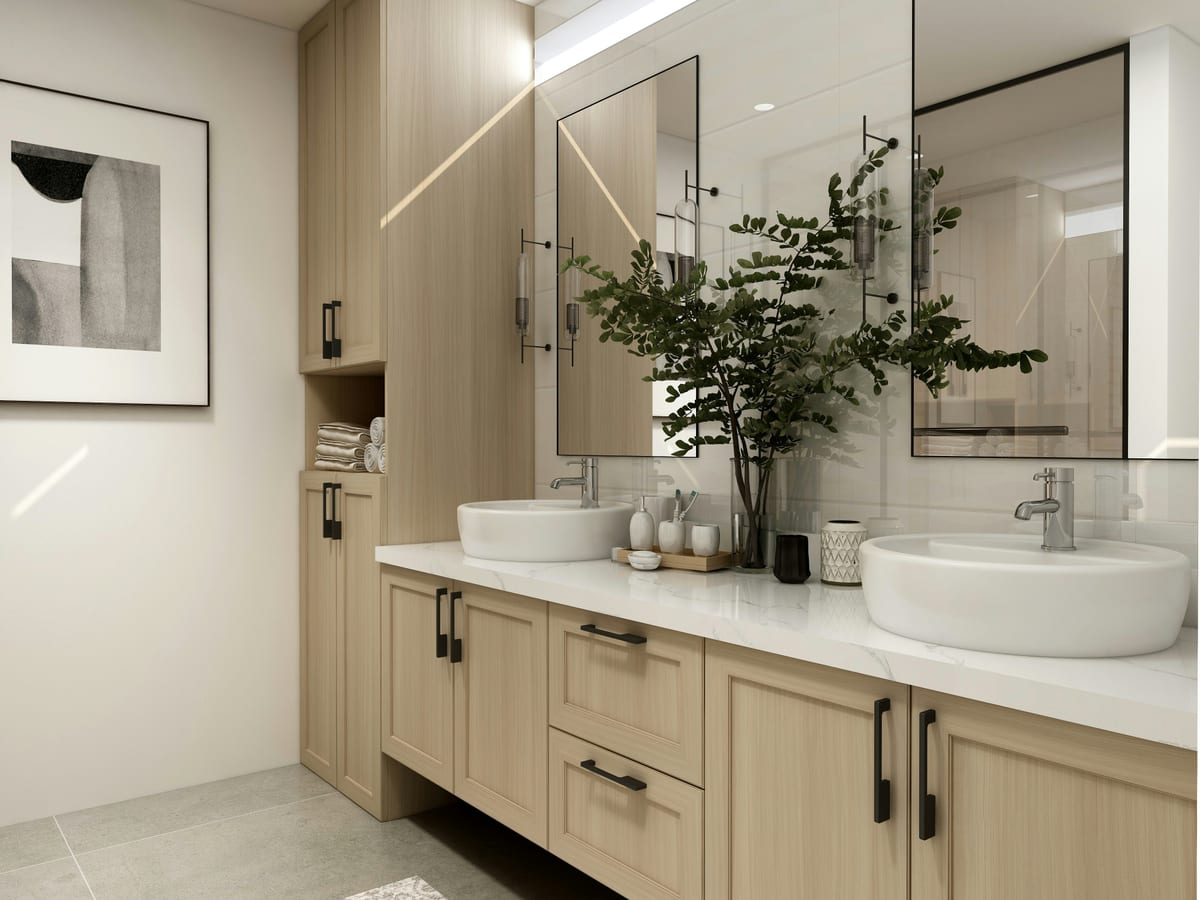
Paint-grade soft maple vanities offer the look of premium cabinetry without the cost of walnut or white oak. Proper sealing makes them suitable for the moisture levels in most residential bathrooms.
- Standard and custom vanity sizes available
- Inset and overlay door styles both work well
- Paintable to match any tile or wall color scheme
Catalyzed lacquer or conversion varnish recommended for bath environments
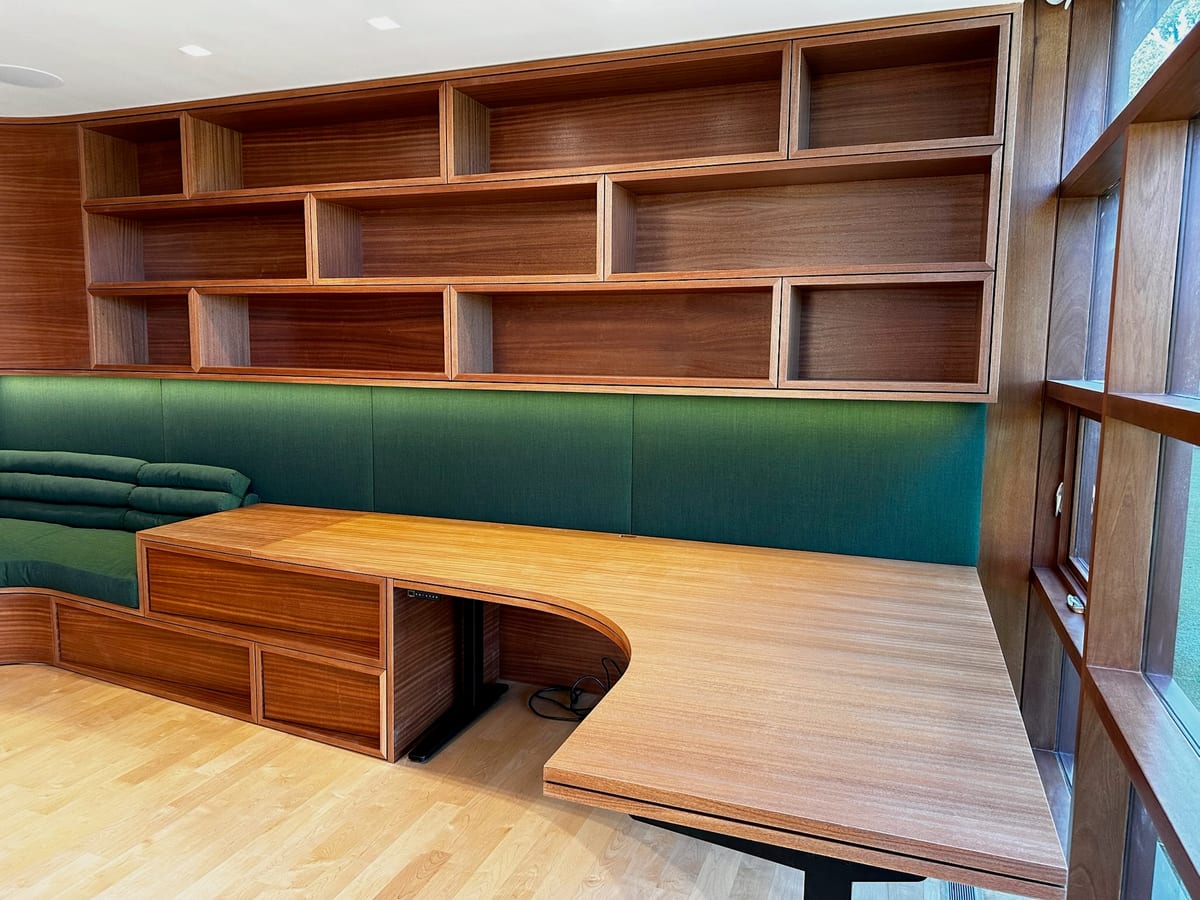
Custom home offices and walk-in closet systems in painted soft maple look intentional and finished at a fraction of the cost of solid hardwood alternatives.
- Desk surfaces, filing pedestals, and overhead shelving
- Closet towers, rod sections, and shoe storage
- Adjustable shelf pin systems for maximum flexibility
White or warm white painted finish is the most requested for office and closet work
How Soft Maple Cabinets and Built-Ins Are Constructed
Soft maple is flexible in construction approach and works well in solid, veneer, and mixed configurations.
Solid Soft Maple
Full-thickness soft maple boards for face frames, door stiles, rails, and structural elements. Solid maple profiles hold detail well and resist chipping at edges — important for painted doors that see daily contact.
Best For
- Face frames and door profiles
- Furniture cases and carcasses
- Drawer box sides
Soft Maple Cabinets Pros and Cons
Soft maple is purpose-built for painted interior work. It excels in that role and is a reasonable choice for natural-finish work where character grain isn't required.
Ideal For
- ✓Paint-grade cabinetry at any scale
- ✓Projects requiring reliable machine-to-machine consistency
- ✓Spaces where the cabinetry should recede rather than stand out
- ✓Cost-managed projects where poplar feels too light but hard maple is overkill
- ✓Closed storage systems where the interior material matches the exterior
May Not Be Ideal For
- –Natural-finish work where grain character matters — soft maple is plain and unremarkable
- –Stain-grade applications — soft maple blotches worse than hard maple without conditioning
- –Outdoor applications — maple has poor weather resistance
- –High-end visible joinery work where wood density aids precision
- –Applications requiring food-safe certification — use hard maple butcher block instead
How Soft Maple Compares to Other Paint-Grade Options
Soft maple competes primarily with poplar and hard maple for painted work. Here's how the three stack up.
Maple vs Hard Maple
- Hard maple (Janka 1450) is significantly denser and more durable
- Hard maple produces a marginally smoother painted surface
- Soft maple is 15-25% less expensive per board foot
- Soft maple machines faster and dulls tooling less aggressively
Choose hard maple for butcher blocks and high-traffic applications; soft maple for standard painted cabinetry where the cost difference matters.
View Hard Maple →Maple vs Poplar
- Poplar (Janka 540) is much softer and more prone to denting
- Both accept paint well; soft maple produces a slightly denser, smoother surface
- Poplar is typically 25-40% less expensive per board foot
- Soft maple holds paint better at corners and edges over time
Choose poplar for budget projects; soft maple when you want noticeably better durability and a cleaner painted result.
View Poplar →Maple vs Walnut
- Walnut is a natural-finish premium wood; soft maple is primarily paint-grade
- Walnut costs 60-80% more per board foot than soft maple
- Both machine well but walnut produces more dramatic natural results
- If paint is the plan, soft maple is the practical choice over any premium hardwood
Choose soft maple for any painted project; walnut for natural-finish premium work.
View Walnut →How Much Do Soft Maple Cabinets Cost?
Soft maple is one of the most commonly used woods for painted kitchen cabinets due to its balance of cost, durability, and finish quality. It offers the best value in the painted hardwood tier — better than poplar in durability and surface quality, significantly less expensive than hard maple.
Cost Impact by Construction Method
Material Cost
Soft maple lumber runs $4-8 per board foot for select grades. It's readily available and consistently sized.
Includes
- Select paint-grade boards
- Pre-cut door stock
- Standard dimensional lumber
Best For
Painted Kitchen
A soft maple paint-grade kitchen typically runs $12,000-22,000 installed — competitive with mid-range semi-custom, but fully custom.
Includes
- Custom fabrication
- Painted finish
- Standard hardware
Best For
Full Custom Build
Multi-room cabinetry (kitchen + pantry + built-ins) in soft maple with professional finish work typically runs $28,000-45,000.
Includes
- Full home cabinetry scope
- Multi-step painted finish
- Upgraded hardware
Best For
What Actually Drives Maple Cost
- ·Finish quality — basic painted vs. furniture-grade multi-step
- ·Door style complexity — shaker vs. raised panel
- ·Project scope — kitchens vs. whole-home cabinetry
- ·Hardware quality — off-the-shelf vs. custom or European
Key Insight
Soft maple hits the budget-quality sweet spot for painted cabinetry. If you're comparing quotes and someone offers a lower price using poplar, ask specifically — the difference in painted surface quality and long-term durability is real.
Finishes & Design Guidance
Soft maple is most commonly used for painted kitchen cabinets and built-ins where a smooth, uniform finish is required. Its greatest aesthetic quality is neutrality — it takes any paint color cleanly, holds finish without grain interference, and disappears behind the design choices you're actually trying to make.
Painted in Any Color
The primary use case. Soft maple's tight grain accepts primer uniformly and produces a consistent, durable painted surface. It works with any paint brand, any sheen level, and any color.
Natural Clear Finish
Soft maple under clear finish shows a warm blonde tone with subtle, nearly invisible grain. It's not a dramatic natural-finish wood, but it's clean and bright — similar in character to hard maple.
Stained Finish
Soft maple can be stained, but requires a pre-conditioner to prevent blotching. Medium tones work better than very dark or very light stains. Gel stains provide the most forgiving results.
Pro Tip
Soft maple's tight grain makes it an excellent candidate for spray-applied finishes — the smooth surface means fewer coats and less sanding between coats than more open-grained species. If you're doing a large painted project, soft maple will save time at the finishing stage.
Design Pairings
Hardware
Countertops
Design Styles
Frequently Asked Questions
What is maple wood and what types are used in cabinetry?
Is maple good for painted kitchen cabinets?
How does maple compare to white oak for kitchen cabinets?
Why does maple blotch when stained?
How much does maple lumber cost per board foot?
What is figured maple and what are the different types?
Is hard maple good for butcher block countertops?
What finish is best for maple cabinetry?
Ready to Get Started?
Tap our network of partner CNC woodworking shops today. Submit your project details and get a competitive, best-match quote from specialists in your area.
Get a Quote