White Oak Cabinets, Kitchen Design & Interior Millwork
hardwood -- premium mid tier
- Janka 1360 — durable for cabinets, floors, and furniture
- Closed grain resists moisture better than red oak
- Quartersawn option adds dramatic ray-fleck figure
STEP · STL · IGES · DWG · DXF · PDF · and more
Uploads are secure & confidential
Is White Oak Good for Cabinets?
White oak is one of the most widely used hardwoods in modern kitchen cabinetry due to its durability, clean grain, and architectural aesthetic.
White oak has become the defining wood of the contemporary interior -- and for good reason. Its closed, tight grain accepts stain and clear finishes predictably, its neutral tone pairs with everything from Shaker hardware to slab doors, and its tyloses-filled pores provide better moisture resistance than red oak in kitchens and baths. The quartersawn cut takes that further, adding the cathedral ray-fleck figure that architects specify by name.
For custom CNC work, white oak mills cleanly and holds detail well. Whether you're routing inset door profiles, fluting column faces, or machining fitted drawer boxes, the wood stays stable and crisp. It's harder than cherry, more dimensionally stable than walnut, and less expensive than either — which makes it the default choice for projects where quality matters and budget has limits.
Flatsawn white oak brings warmth and organic variation. Quartersawn brings precision and drama. Both age gracefully and respond well to oil, wax, and lacquer finishes. If you're building something meant to last twenty years and look intentional, white oak is usually the right answer.
White oak's dominance in modern cabinetry is driven by design trends that show no sign of reversing. Scandinavian and Japandi interior aesthetics -- which prioritize natural material, clean lines, and muted palettes -- treat white oak as the default wood. European cabinetry design has long specified rift and quartersawn oak for slab-door kitchens. In North American custom cabinetry, white oak has displaced cherry and soft maple as the preferred natural-finish hardwood for transitional and contemporary kitchens.
White Oak Cuts and Grades
White oak is available in three primary sawing orientations that produce very different visual results. Choosing the right cut is as important as choosing the species.
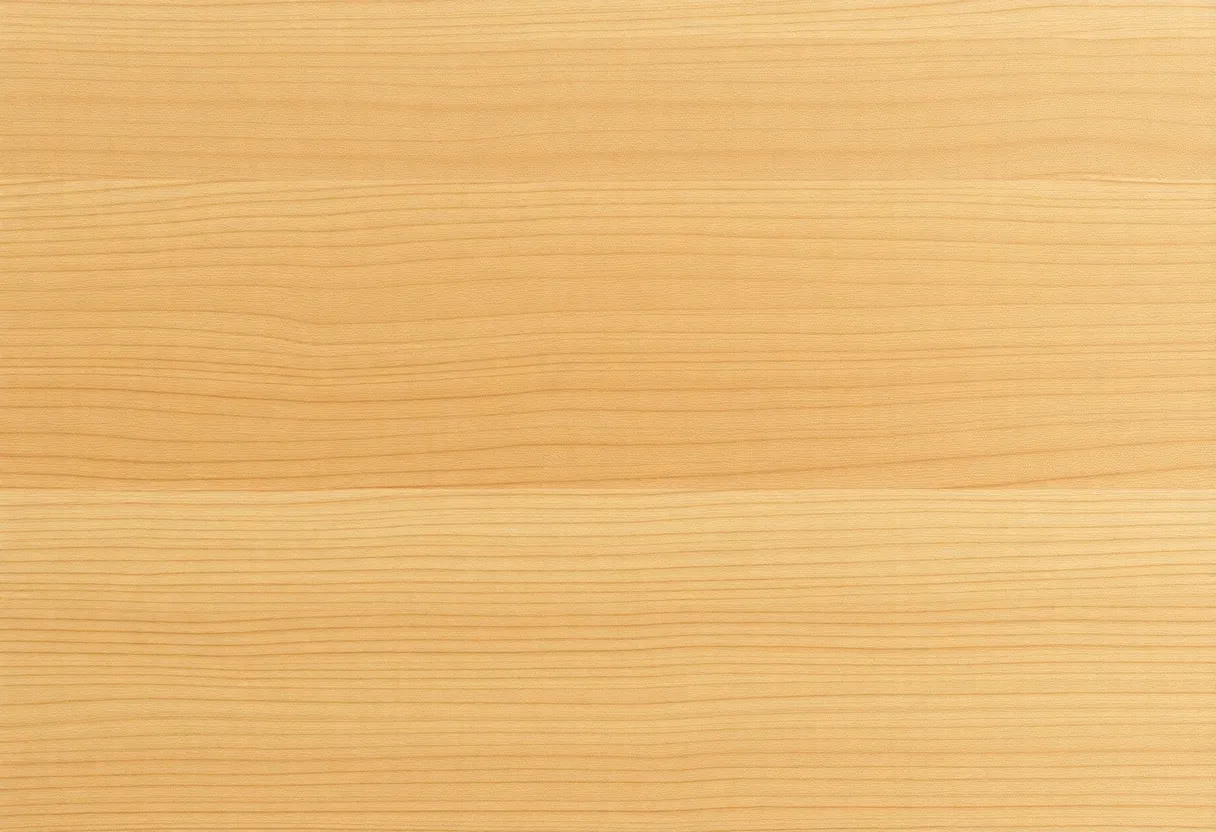
Flatsawn White Oak
The most available and affordable cut
Flatsawn produces the classic cathedral grain figure with organic variation across each board. It's the most common mill cut, offers the widest board selection, and provides a warm, lived-in aesthetic. Expect some movement with seasonal humidity changes.
Best For
- Natural-finish cabinetry
- Dining tables
- Wide plank shelving
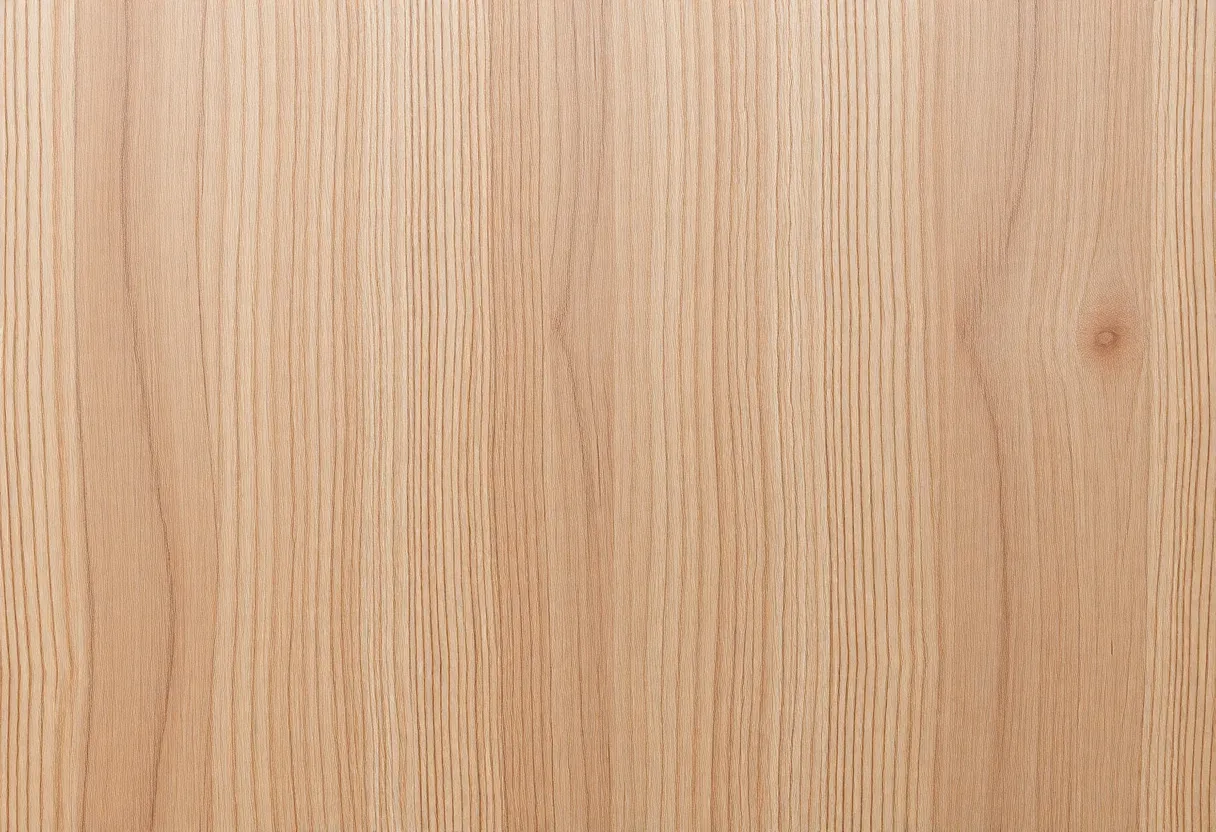
Quartersawn White Oak
The architectural premium option
Quartersawn reveals the wood's medullary rays as dramatic silver flecks across a tight, linear grain background. It's more dimensionally stable than flatsawn and commands a premium. Widely specified by architects for contemporary and Arts & Crafts interiors.
Best For
- Kitchen cabinet face frames and doors
- Flooring
- Panel doors with visible figure
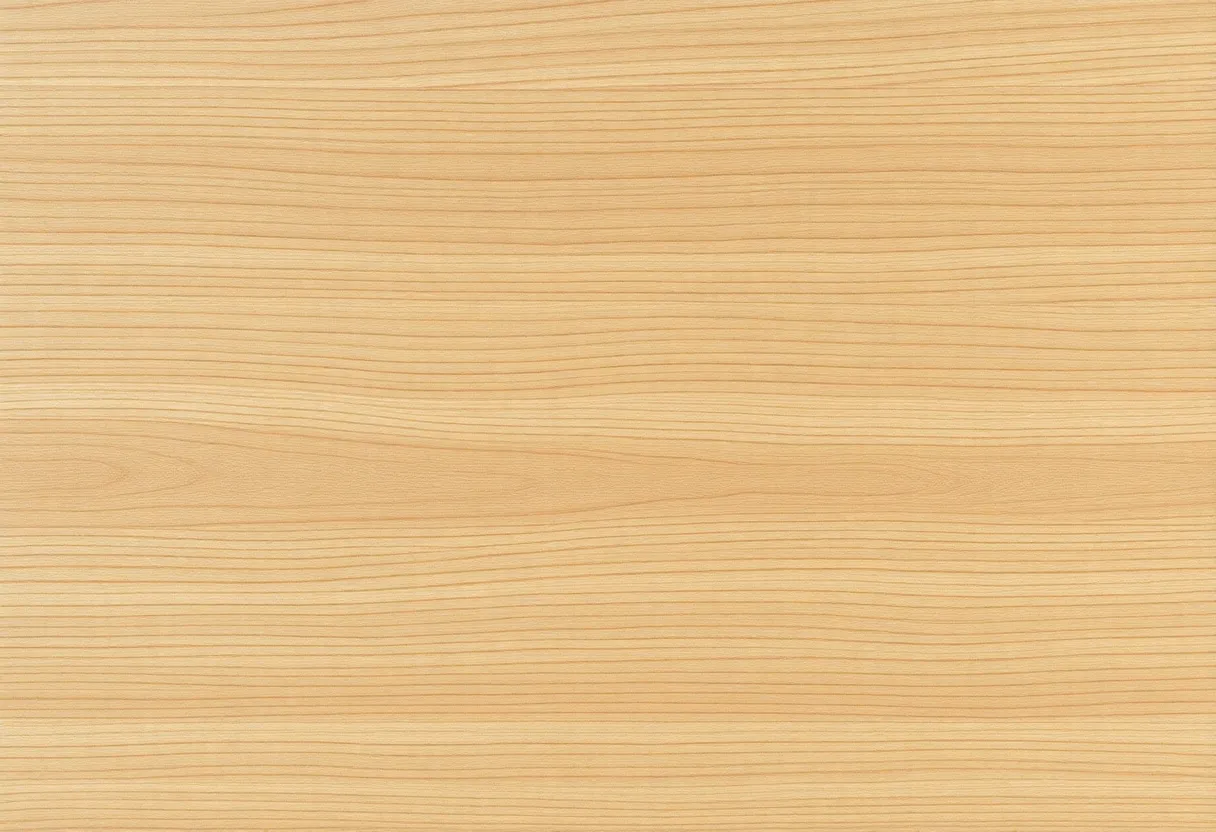
Rift-Sawn White Oak
Clean lines, no ray fleck
Rift-sawn is cut at a 30-60° angle to the growth rings, producing a straight, consistent grain with none of the medullary ray fleck. It's the most stable cut and the most wasteful to mill, making it the most expensive. Preferred for modern minimalist cabinetry.
Best For
- Modern and Japandi-style cabinetry
- Vertical grain flooring
- Precision drawer fronts
How OpenSpindle works
We tap our partner network. You get the best-match quote.
Upload your part and we tap our network of partner shops to get you a competitive, all-in quote that is the best match for the job.
One upload
A CAD file or a sketch. That is the whole ask on your end.
Your best-match quote
Sourced from the partner shops set up for your exact part.
All-in, on your timeline
Machining, finishing, and shipping detailed to your turnaround.
White Oak Cabinets, Furniture & Interior Applications
White oak's combination of durability, grain character, and design versatility makes it one of the most requested hardwoods in custom cabinetry and furniture. From high-traffic kitchen cabinets to architectural wall panels, it performs reliably across nearly every application.
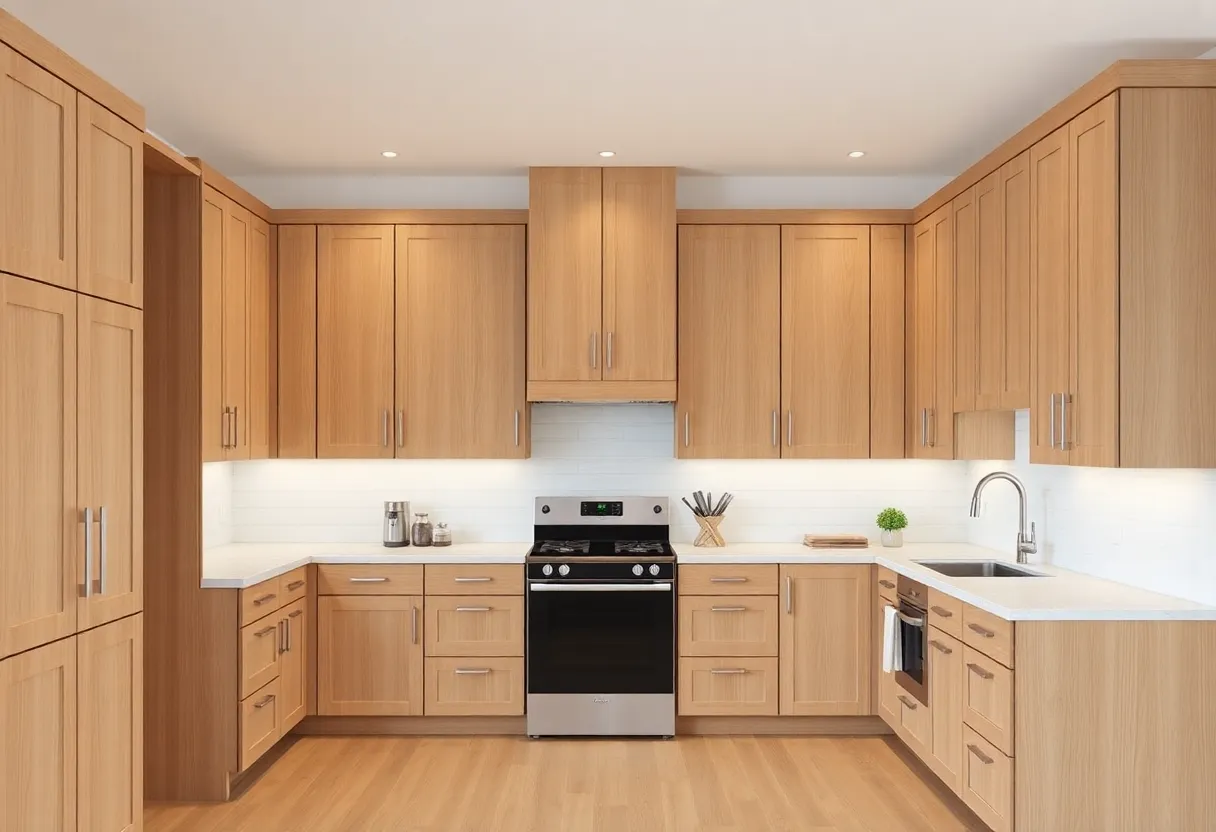
White oak is the premium choice for natural-finish kitchen cabinetry. Its closed grain holds up to daily use, accepts water-based finishes without blotching, and ages into a richer tone over time.
- Full overlay and inset door styles both work cleanly
- Flat-panel and shaker profiles machine crisply
- Rift-sawn and quartersawn available for modern linear aesthetics
Most popular finish: natural hardwax oil or matte lacquer
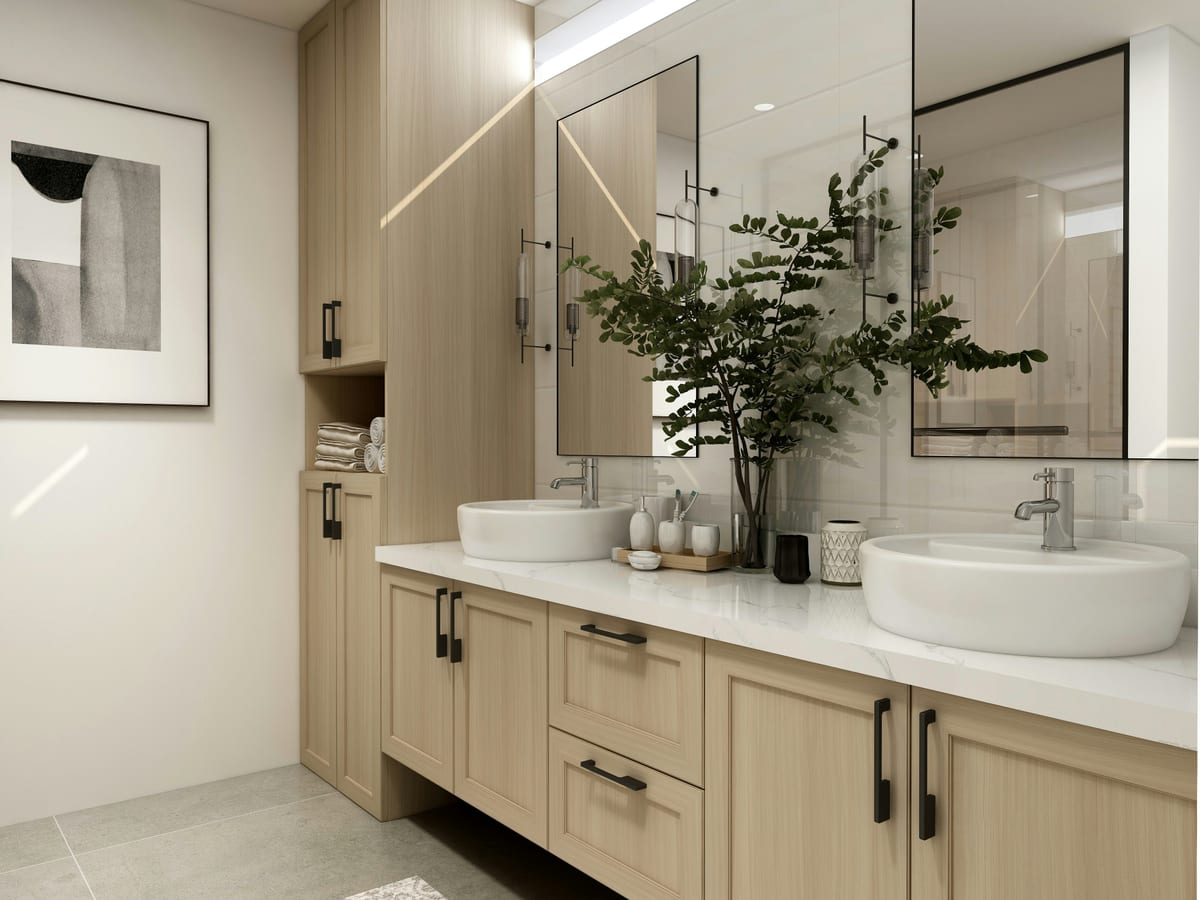
White oak bathroom vanities are a statement choice in modern and spa-style interiors. The wood's natural moisture resistance makes it one of the better hardwood options for bathroom cabinetry with proper finishing.
- Floating vanities in rift or flatsawn white oak
- Shaker and slab door profiles for contemporary bath aesthetics
- Natural oil finish to preserve the wood's warmth and grain
Seal all edges and surfaces thoroughly -- white oak performs well with proper finishing in bathroom humidity
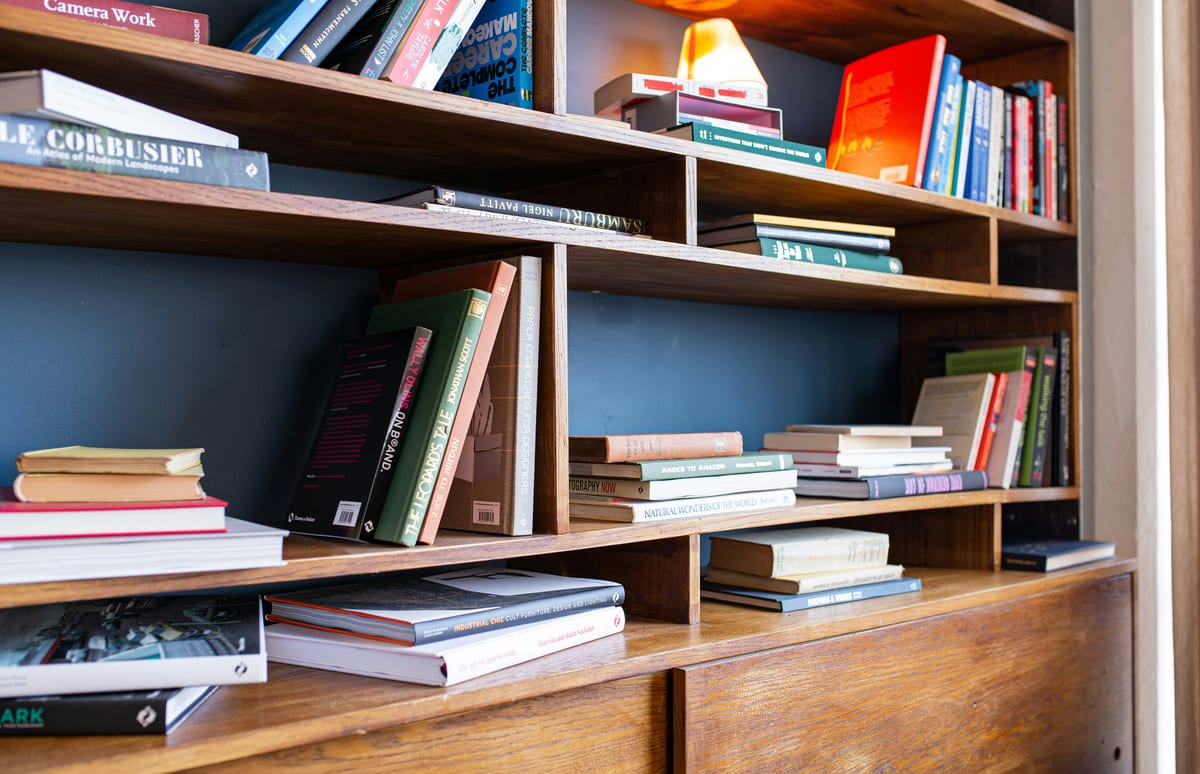
White oak built-ins feel architectural -- heavier and more deliberate than painted MDF alternatives. Open shelf systems, bookcases, and entertainment centers all benefit from the wood's neutral grain.
- Floating shelf systems with hidden bracket routing
- Full-height bookcase surrounds with CNC-routed pilasters
- Mixed open and closed designs for living and office spaces
Often combined with painted MDF carcasses to control cost while keeping visible faces in solid white oak
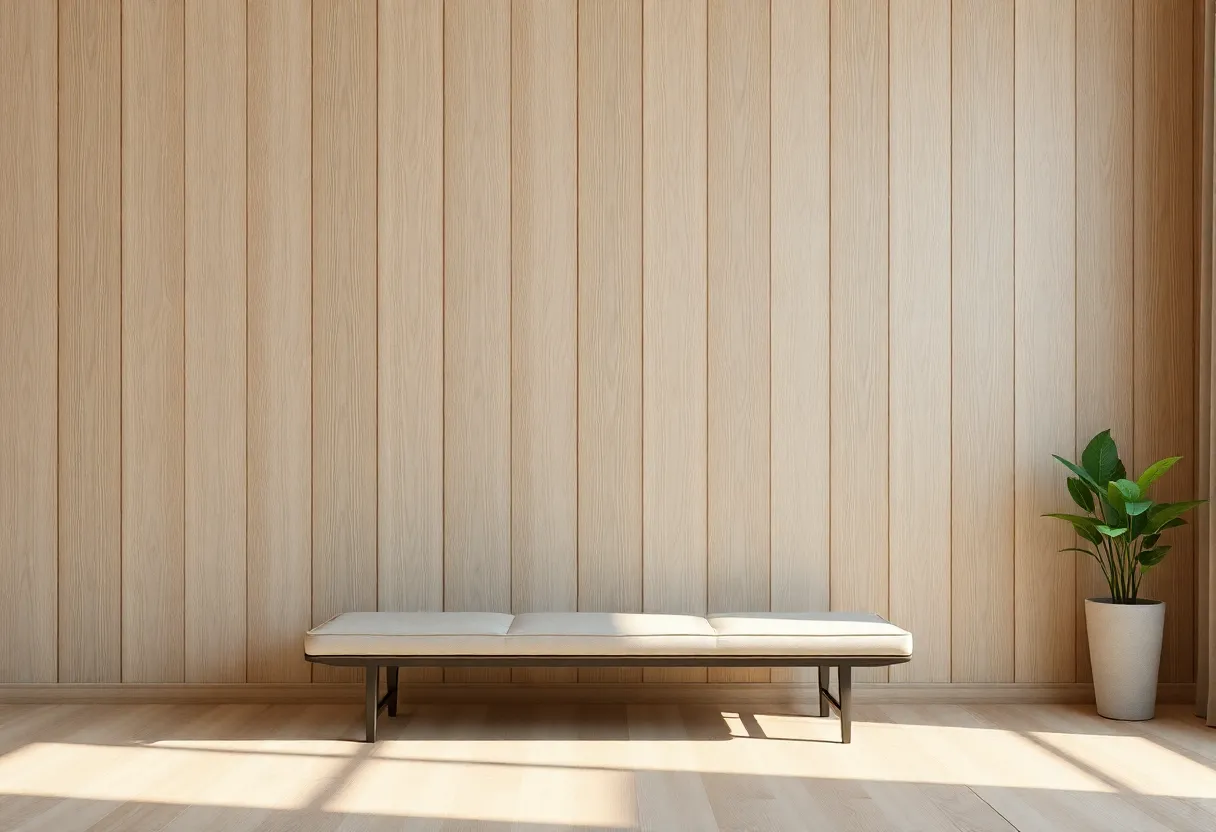
White oak wall paneling and wainscoting add warmth and texture that paint can't replicate. CNC routing enables precise channel depths and profile consistency across large runs.
- Vertical slat panels with CNC-routed reveals
- Traditional raised and recessed panel wainscoting
- Acoustic panel systems with precise slot patterns
Quartersawn panels show consistent ray-fleck across every board
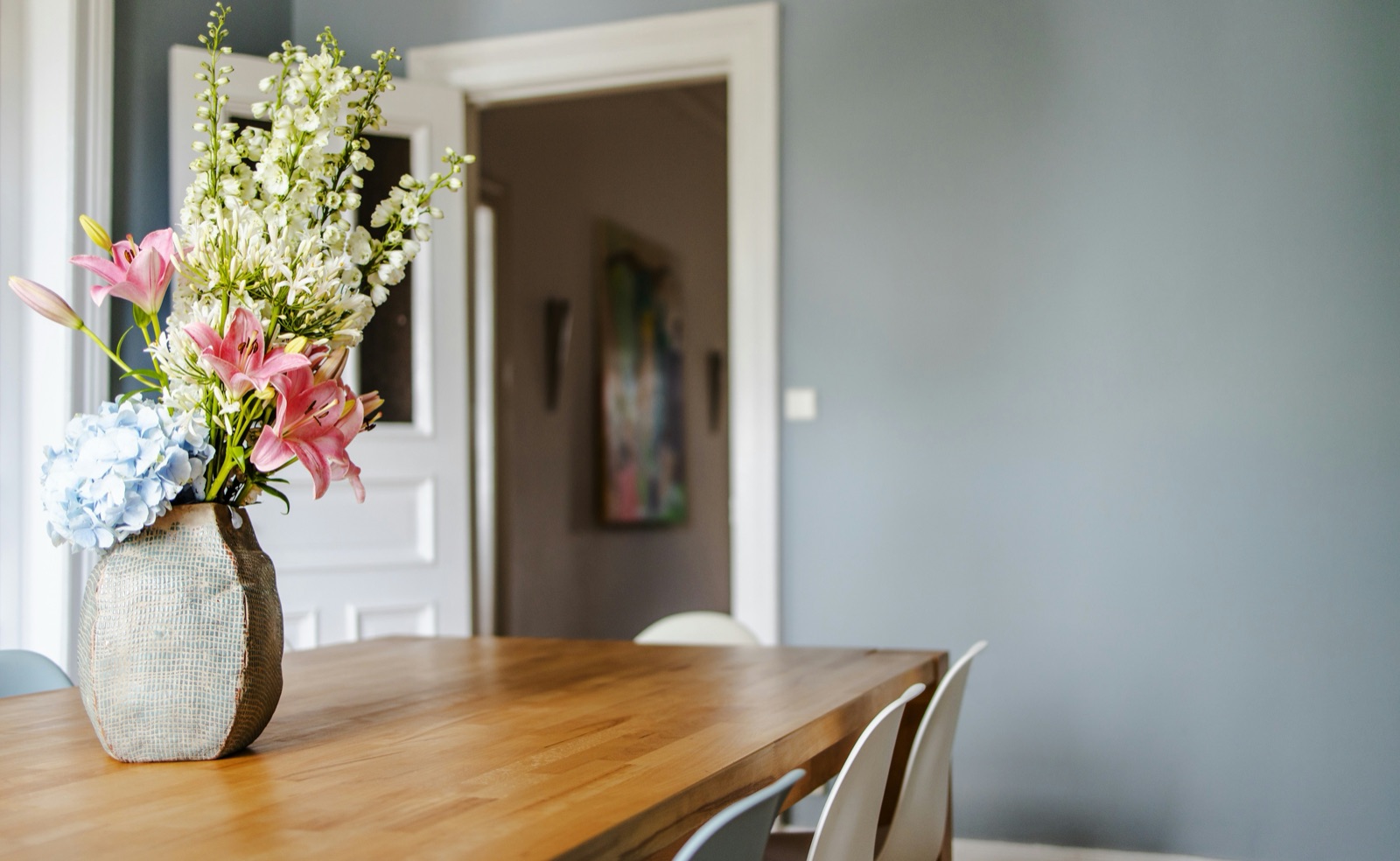
A solid white oak dining table is a generational piece. The wood is hard enough for daily use, wide enough for dramatic slab tops, and stable enough to resist seasonal movement when properly dried.
- Live-edge slabs and straight-cut tops both available
- Trestle and pedestal bases CNC-routed from solid stock
- Desks, benches, and occasional furniture in natural or oiled white oak
Pairs well with black steel, matte black hardware, and concrete or quartz surfaces
How White Oak Cabinets Are Constructed
The right construction method depends on your project scale, finish goals, and budget. Most custom shops offer all three approaches.
Solid White Oak
Furniture-grade solid white oak is milled from full-thickness boards and used for structural and visible components. It's the premium option — heavier, more durable, and allows planing and refinishing over time.
Best For
- Dining tables
- Face frames and drawer fronts
- Floating shelves with heavy load requirements
White Oak Cabinet Pros and Cons
White oak performs well across a wide range of applications, but there are projects where other materials make more sense.
Ideal For
- ✓Natural-finish cabinetry where grain character matters
- ✓High-traffic surfaces that need to resist daily wear
- ✓Kitchen and bath environments with moderate moisture exposure
- ✓Contemporary, transitional, and Arts & Crafts interior styles
- ✓Projects where quartersawn figure is specified by the designer
May Not Be Ideal For
- –Paint-grade work where grain texture would show through finish
- –Tight budgets — white oak runs 15-30% more than poplar or soft maple
- –Outdoor or high-moisture applications without a penetrating sealer
- –Highly decorative carved or turned work where grain direction complicates machining
White Oak vs Maple, Walnut & Rift-Cut
White oak sits in a competitive sweet spot -- harder than cherry, more moisture-resistant than walnut, and more visually interesting than maple. Here's how it stacks up against the most common alternatives, including how rift and flatsawn cuts compare within the species.
White Oak vs Walnut
- Walnut is darker and richer; white oak is lighter and more neutral
- White oak is harder (Janka 1360 vs 1010) and dents less easily
- White oak costs 20-35% less per board foot than walnut
- Both take natural finishes beautifully; walnut needs no stain
Choose white oak for durability and value; choose walnut when color depth is the priority.
View Walnut →White Oak vs Rift-Cut vs Flatsawn White Oak
- Rift-cut produces straight, consistent grain with no ray fleck -- preferred for modern slab-door kitchens
- Flatsawn produces cathedral grain with organic variation and is more affordable
- Rift-cut is the most dimensionally stable and most wasteful to mill -- expect a 25-40% price premium
- Both are the same species; the choice is aesthetic and depends on the design direction
Choose rift-cut for a modern, linear aesthetic; choose flatsawn for warmth and natural character at a lower cost.
View Rift-Cut vs Flatsawn White Oak →White Oak vs Hard Maple
- Hard maple is denser and harder (Janka 1450) than white oak
- Maple is preferred for paint-grade; white oak for natural finish
- White oak's open grain adds character that maple lacks
- Maple is typically 10-20% less expensive than white oak
Choose hard maple for paint-grade cabinets; choose white oak when the natural wood look is the goal.
View Hard Maple →How Much Do White Oak Cabinets Cost?
White oak falls in the mid-price tier for domestic hardwoods. You're paying for quality and visual character — but you're not paying the walnut premium. Here's how budget typically breaks down by scope.
Cost Impact by Construction Method
Material Cost
White oak lumber runs $8-14 per board foot depending on grade and cut. Quartersawn adds 20-30% over flatsawn.
Includes
- Select grade flatsawn
- Quartersawn at premium
- Veneer panels as lower-cost alternative
Best For
Mid-Range Project
A typical white oak kitchen runs $18,000-32,000 installed. Built-in shelving units start around $3,500-6,000 per run.
Includes
- Semi-custom or custom shop fabrication
- Standard finish options
- Basic hardware
Best For
Premium Build
Quartersawn white oak with hand-fitted joinery, inset doors, and applied finish work can push $45,000+ for a full kitchen.
Includes
- Quartersawn lumber throughout
- Inset or furniture-grade construction
- Custom applied finish
Best For
What Actually Drives White Oak Cost
- ·Cut selection (quartersawn vs. flatsawn adds 20-30%)
- ·Project scale — more linear footage lowers per-unit labor cost
- ·Finish type — lacquer is faster than hand-rubbed oil
- ·Door style — flat panels vs. raised panels affect machining time
Key Insight
White oak's grain character is part of what you're paying for. If budget is tight and paint is the plan, switch to hard maple — you'll get a cleaner result for less money.
Finishes & Design Guidance
White oak is the dominant choice for natural-finish and matte-lacquered cabinets in modern and transitional kitchens. Its neutral tone, open grain, and finish versatility make it the default hardwood for Scandinavian, Japandi, and contemporary interior aesthetics. White oak has a naturally neutral, architectural quality. Its grain reads as texture and warmth without competing with surrounding finishes -- which makes it a designer favorite for layered interiors.
Natural and Clear Finishes
Hardwax oil, Rubio Monocoat, or matte lacquer let the wood speak for itself. The grain reads clearly and the natural honey tone deepens slightly over time.
Gray and Ceruse Stains
White oak's open grain holds gray stain exceptionally well, producing the washed, cerused look that's been popular in high-end interiors for a decade. Liming wax in the pores creates a porcelain-like effect.
Warm Brown and Smoke Stains
Medium brown stains deepen white oak toward walnut territory without the cost. Smoked oak (fumed with ammonia) produces an organic gray-brown that reads as aged and luxurious.
Pro Tip
Wire brushing white oak before finishing accentuates the grain pores and creates a tactile texture. It's low cost and makes a significant visual difference — especially on flat panel doors and shelving fronts.
Design Pairings
Hardware
Countertops
Wall Colors
Frequently Asked Questions
What is white oak and why is it used for cabinetry?
How much does white oak lumber cost per board foot?
What is the difference between flatsawn, quartersawn, and rift-sawn white oak?
How much does a white oak kitchen cost installed?
Is white oak better than maple for kitchen cabinets?
Does white oak need to be sealed for kitchen use?
How does white oak compare to walnut for cabinets?
What finishes work best on white oak?
Ready to Get Started?
Tap our network of partner CNC woodworking shops today. Submit your project details and get a competitive, best-match quote from specialists in your area.
Get a Quote