Custom Walnut Furniture & Millwork Near You: Quotes from Partner Shops
Get custom walnut furniture and built-ins built to your exact dimensions, from shops that work with walnut every day.
- Trusted network of professional cabinetmakers and millwork shops who work with walnut daily
- Receive competitive quotes from partner local shops within 48 hours
STEP · STL · IGES · DWG · DXF · PDF · and more
Uploads are secure & confidential
Why Walnut Is One of the Most In-Demand Woods for Custom Work
Black walnut is one of the most sought-after domestic hardwoods in furniture and architectural millwork due to its rich color, stable performance, and natural grain character.
Unlike lighter woods that require staining, walnut is naturally dark and visually complete on its own. This makes it especially popular for premium furniture, kitchen cabinetry, and built-in architectural features.
Because walnut behaves differently from other hardwoods during machining and finishing, experienced fabrication matters. The shops in the OpenSpindle network work with walnut regularly and understand how to properly machine, join, and finish it for long-term stability and clean visual results.
Types of Walnut Used in Custom Work
Different walnut species offer distinct visual and structural characteristics depending on your project goals.
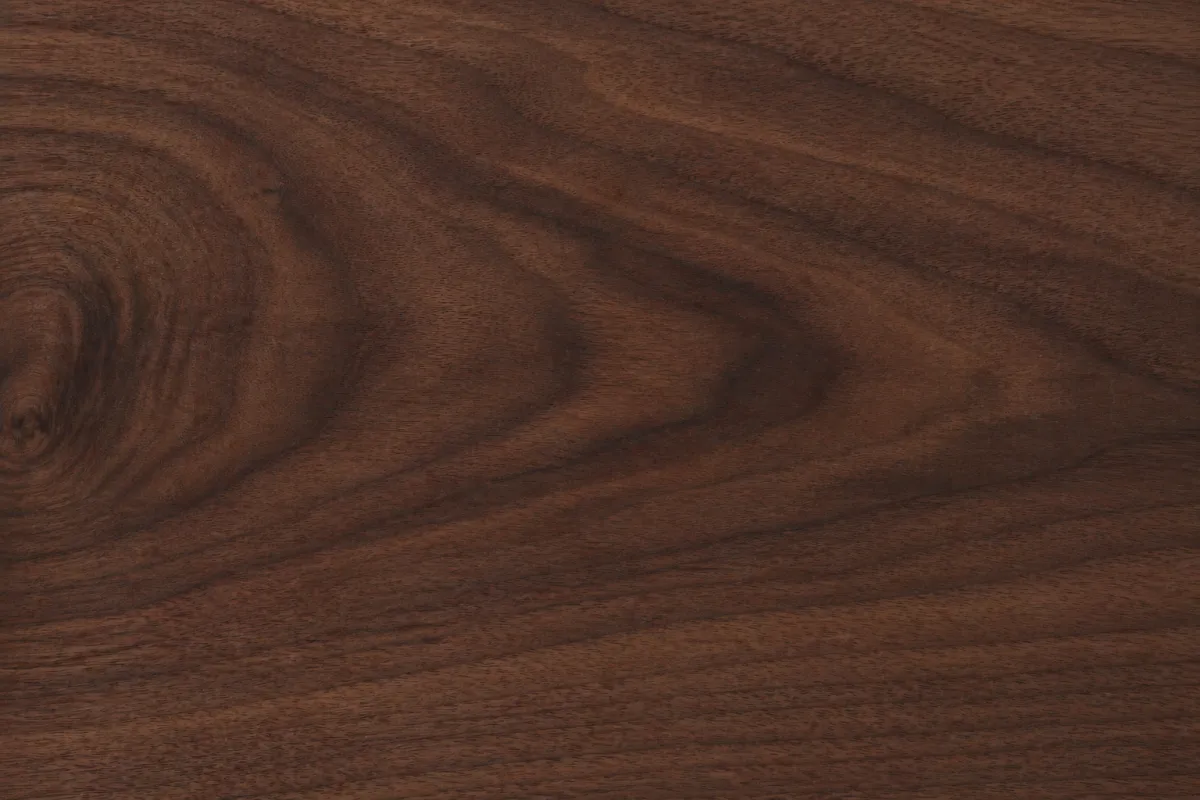
American Black Walnut
Juglans nigra
The standard for premium furniture and cabinetry. Deep, rich brown tones with a straight, tight grain pattern that machines cleanly and finishes beautifully.
Best For
- Furniture and cabinetry
- Architectural millwork
- High-end interior built-ins
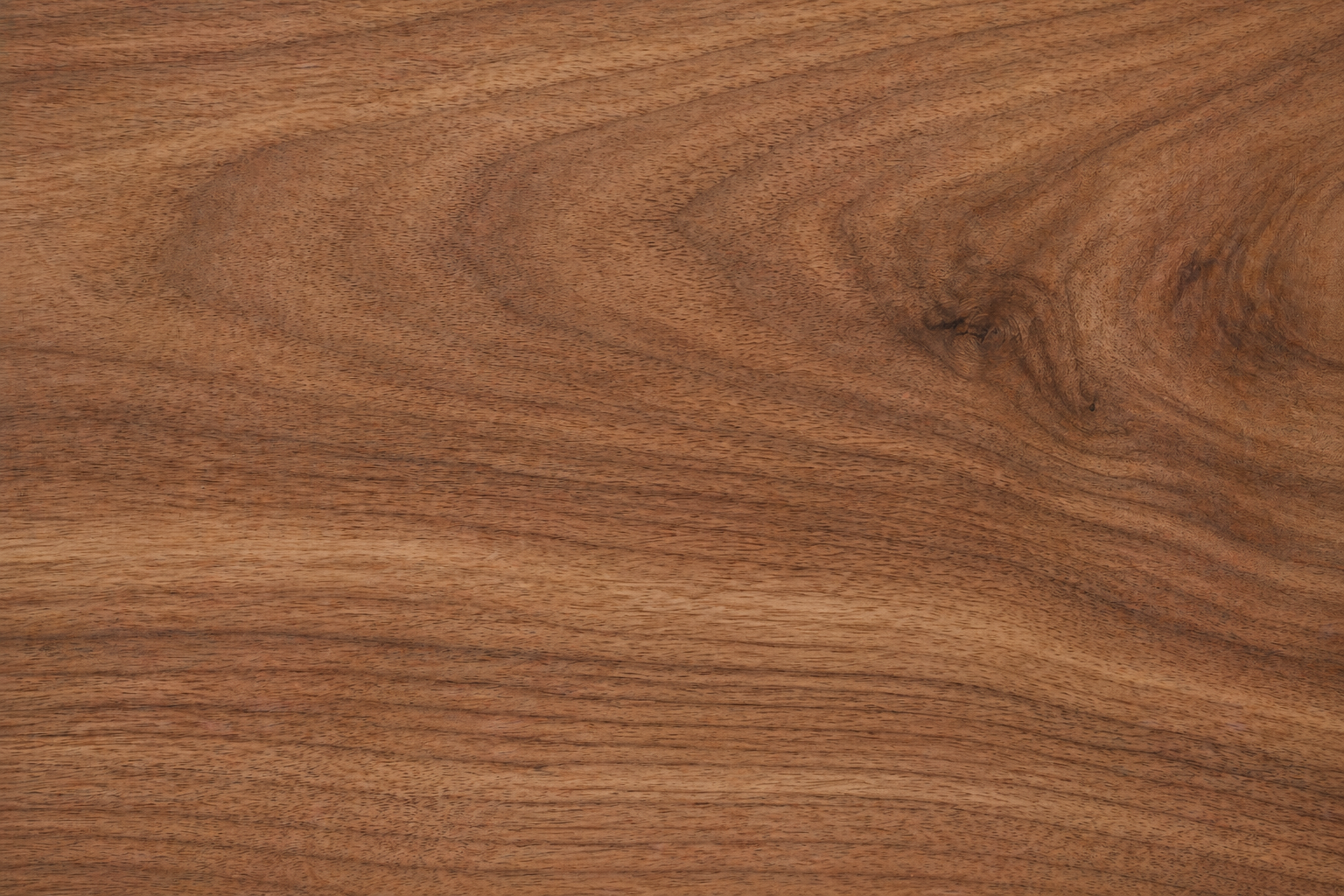
European / English Walnut
Juglans regia
Slightly lighter than American Black Walnut with more variation in tone and grain movement. Commonly used in luxury European furniture and veneer applications.
Best For
- Luxury veneer applications
- Furniture with lighter tone preference
- Decorative millwork
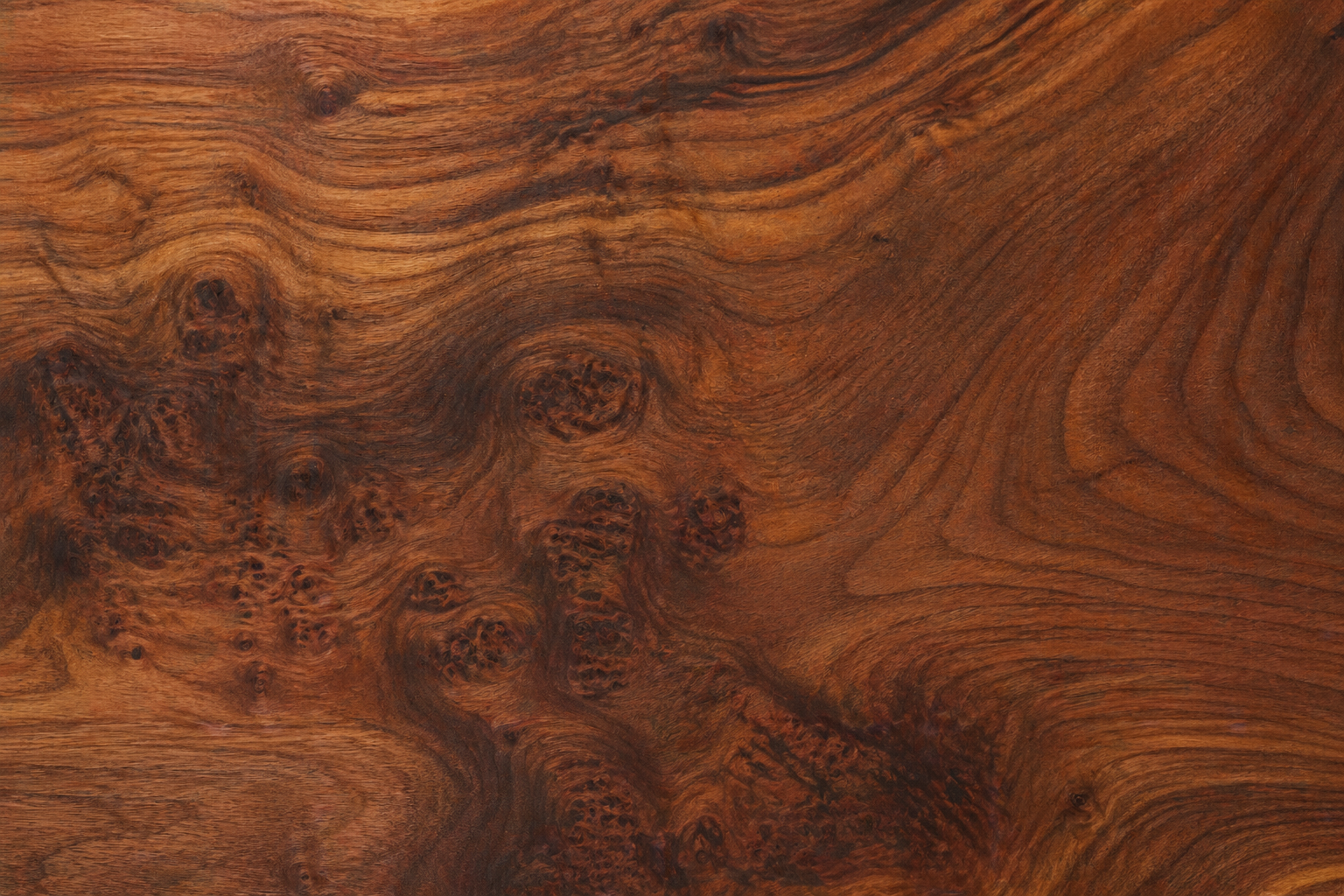
Claro Walnut
Juglans hindsii
Highly figured with dramatic grain patterns and rich color variation. Each piece is visually unique, making it ideal for statement furniture and slab work.
Best For
- Statement slab furniture
- Decorative tabletops
- One-of-a-kind pieces
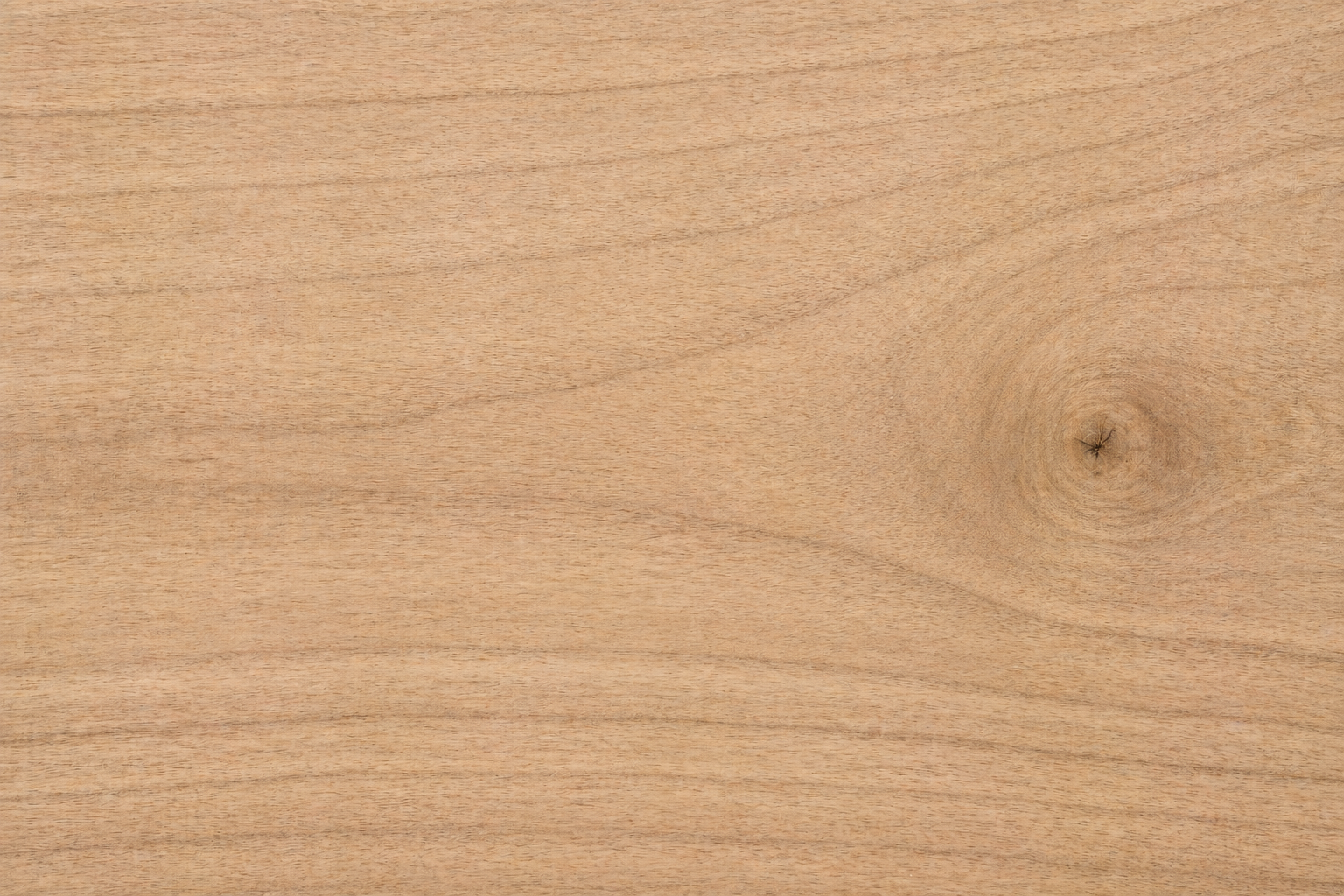
Butternut (White Walnut)
Juglans cinerea
A softer, lighter member of the walnut family. Pale tan to light brown with a coarser grain. Used for rustic or hand-crafted applications.
Best For
- Rustic and hand-crafted furniture
- Carving and decorative work
- Lower-budget walnut aesthetic
How OpenSpindle works
We tap our partner network. You get the best-match quote.
Upload your part and we tap our network of partner shops to get you a competitive, all-in quote that is the best match for the job.
One upload
A CAD file or a sketch. That is the whole ask on your end.
Your best-match quote
Sourced from the partner shops set up for your exact part.
All-in, on your timeline
Machining, finishing, and shipping detailed to your turnaround.
What You Can Build with Custom Walnut
Walnut is used across a wide range of custom woodworking projects, from standalone furniture to full interior installations.
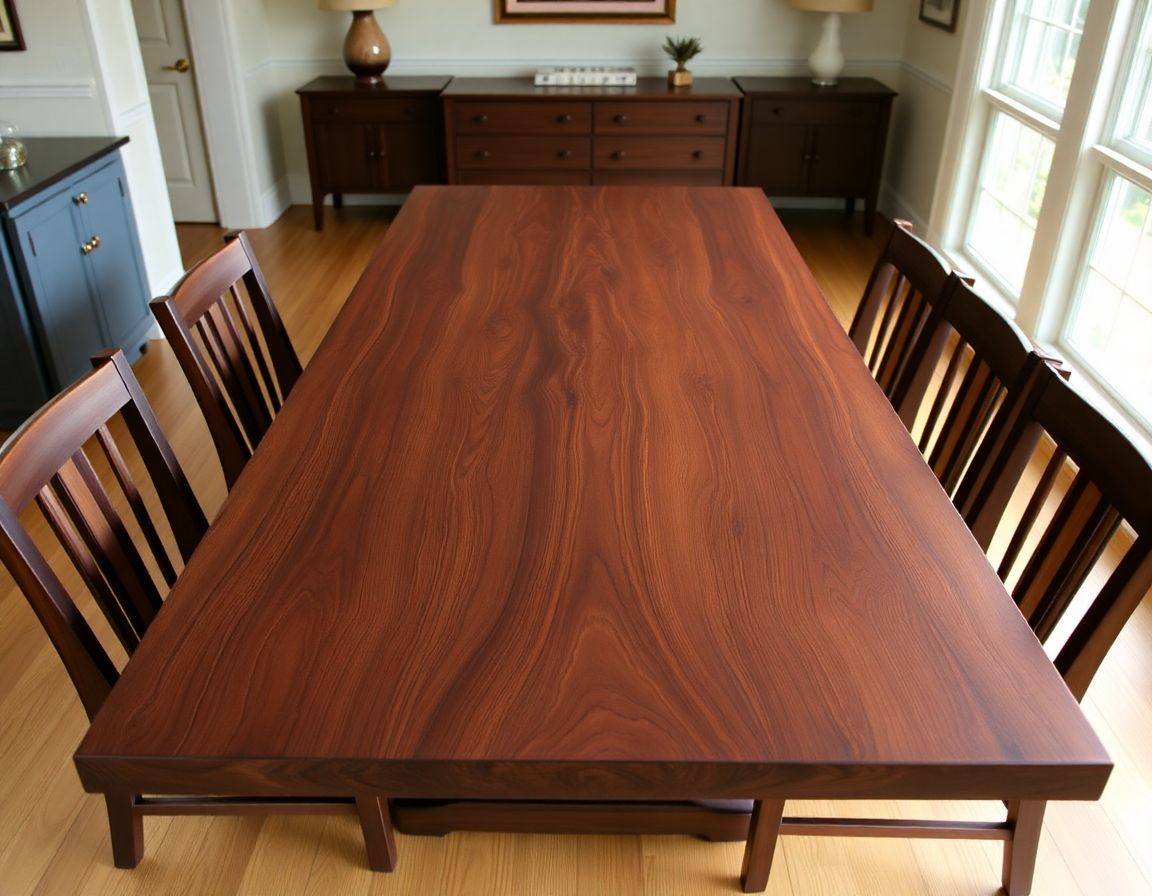
Walnut is widely used for high-end, made-to-order furniture pieces.
- Dining tables (solid slab or engineered tops)
- Bed frames and bedroom furniture
- Custom desks, media consoles, and storage pieces
Walnut furniture is typically designed to highlight natural grain variation, often paired with steel or hardwood bases.
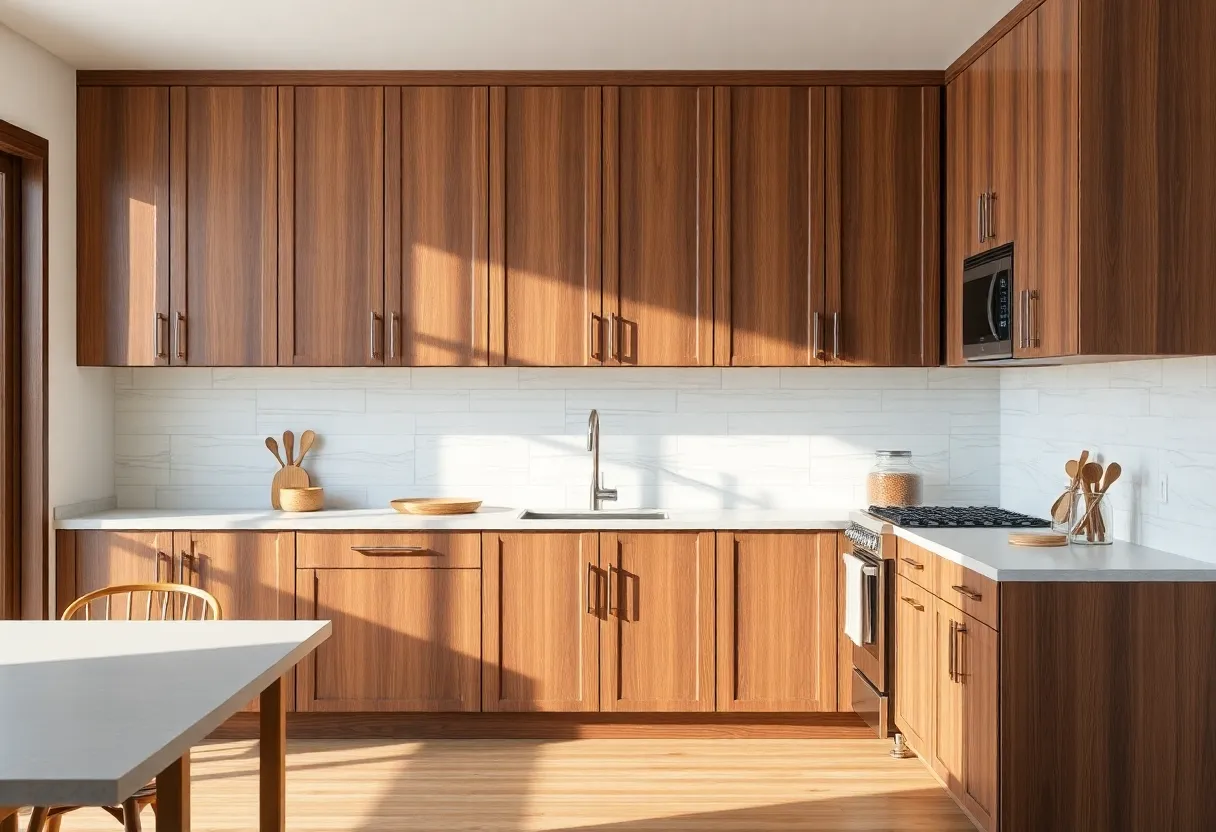
A premium choice for homeowners seeking warmth and natural material contrast.
- Full walnut cabinet fronts or selective feature runs
- Frameless or inset door styles
- Integrated storage with soft-close hardware
Many kitchens use walnut selectively on islands or lower cabinets to balance cost and visual impact.
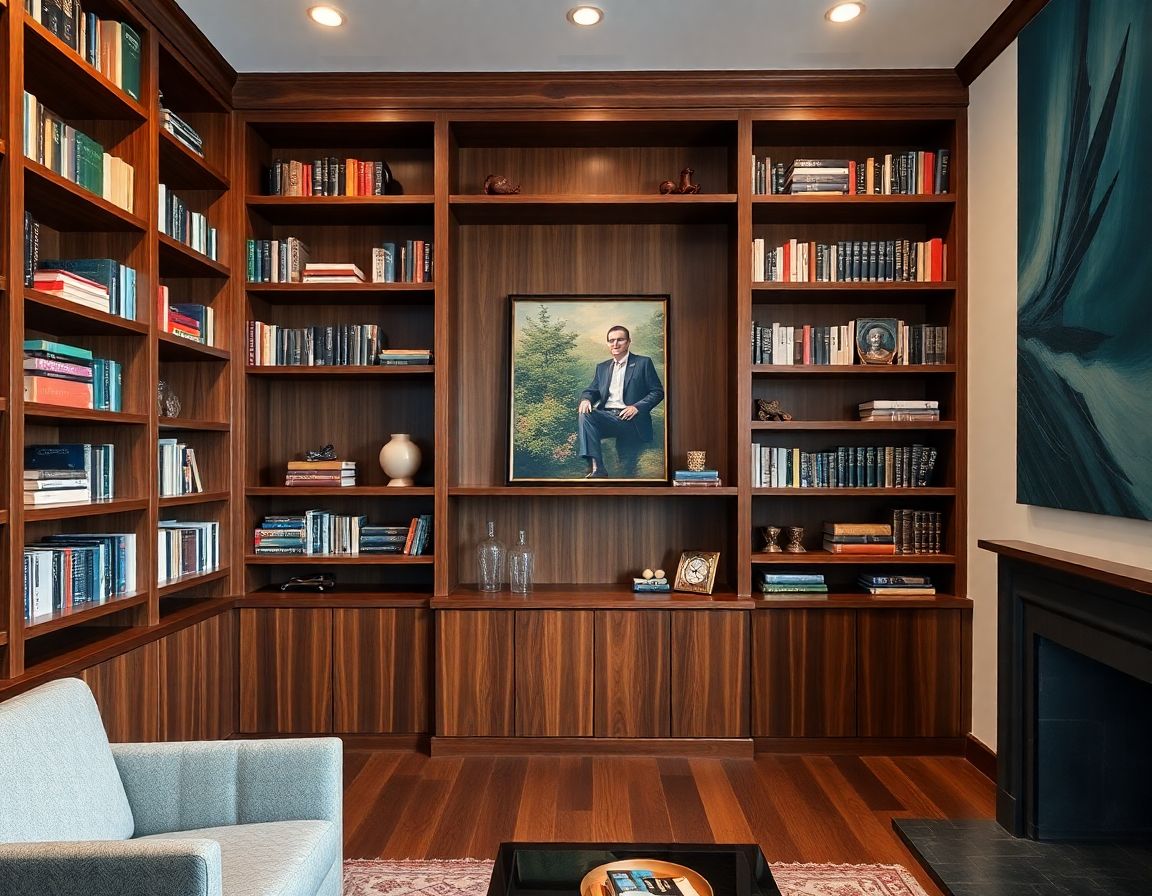
Frequently used in integrated millwork where design continuity matters.
- Floor-to-ceiling shelving systems
- Office built-ins with integrated desks
- Wall units and custom residential and commercial storage
Most built-ins use walnut veneer plywood with solid walnut face framing for stability and cost efficiency.
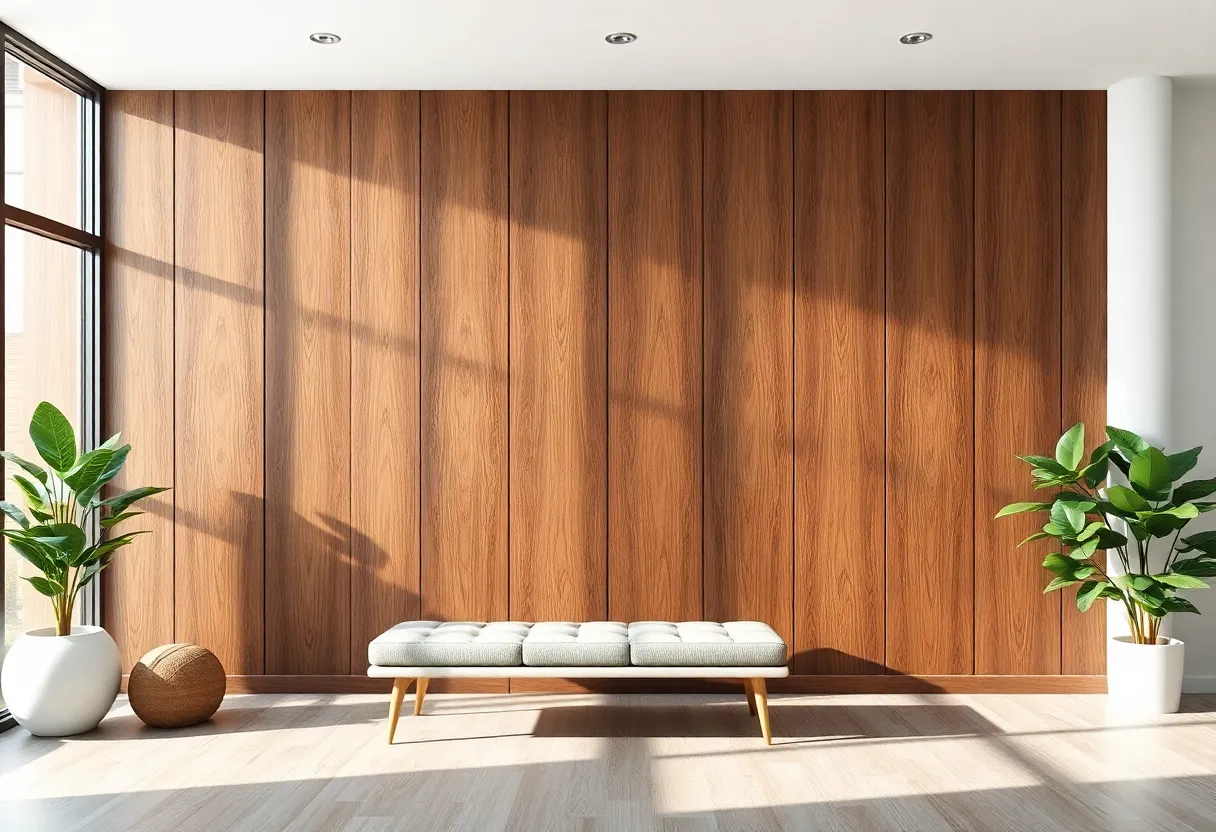
Used in modern interiors to create warmth, texture, and depth.
- Vertical or horizontal slat walls
- Veneer panel systems for large surfaces
- Accent walls in offices, living rooms, and lobbies
CNC fabrication ensures precise alignment and seamless installation across large wall surfaces.
How Custom Walnut Projects Are Built
Walnut projects are typically constructed using one of three methods depending on budget, design intent, and structural requirements.
Solid Walnut Construction
Solid walnut slabs or laminated panels are joined using traditional woodworking methods such as mortise-and-tenon or dowel joinery. This approach maximizes natural grain visibility and material authenticity.
Best For
- Dining tables
- Desks and furniture frames
- Premium cabinet doors and drawer fronts
Is This Material Right for Your Project?
Walnut is an excellent choice when warmth, depth, and natural character are important design goals.
Ideal For
- ✓High-end residential furniture
- ✓Kitchens with natural material focus
- ✓Built-ins and architectural features
- ✓Statement pieces and focal elements
May Not Be Ideal For
- –Budget-heavy projects requiring full hardwood construction
- –Very high-impact commercial environments
- –Projects requiring ultra-light or ultra-hard materials
Walnut vs Other Popular Woods
Walnut is often compared to other premium domestic hardwoods. Here's how it differs on the dimensions that matter most for custom work.
Walnut vs White Oak
- Walnut is warmer and darker; white oak is cooler and lighter in tone
- White oak is harder (Janka 1290 vs 1010) — better for high-traffic surfaces
- Walnut finishes naturally without staining; oak often requires toning to match interiors
Choose white oak for a modern or Scandinavian aesthetic. Choose walnut for warmth and richness.
View White Oak →Walnut vs Maple
- Maple is nearly white; walnut is deep brown — opposite ends of the hardwood palette
- Maple is significantly harder (Janka 1450) and more resistant to denting
- Walnut takes finish more evenly; maple can blotch without a pre-conditioner
Choose maple for durability and a light, clean look. Choose walnut for visual depth and character.
View Maple →Walnut vs Cherry
- Both are warm-toned American hardwoods with similar workability
- Cherry lightens and patinas significantly over time; walnut stays dark and stable in tone
- Cherry is softer (Janka 950) and typically less expensive per board foot
Choose cherry for a traditional look at lower cost. Choose walnut for a richer, more stable tone.
View Cherry →How Walnut Affects Project Cost
Walnut is a premium domestic hardwood, which makes it more expensive than common options like oak or maple. However, the final cost depends more on how the material is used than the wood itself.
Cost Impact by Construction Method
Full Walnut Construction
Entire structure is built using solid walnut or walnut-faced components. Maximizes natural grain visibility throughout the piece.
Includes
- Solid walnut panels or slabs
- Full walnut cabinetry or furniture frames
- Continuous walnut grain throughout
Best For
Highest material usage = highest cost
Visible Surface Walnut
Walnut is used only on visible surfaces while structural elements use engineered materials. The most cost-efficient way to achieve a full walnut look.
Includes
- Walnut doors, drawer fronts, tabletops
- Plywood or hardwood core structure
- Veneer or edge-banded construction
Best For
Best balance of aesthetics and cost
Mixed Material Builds
Walnut is used selectively for visual impact only, with painted MDF or plywood handling the structural work.
Includes
- Walnut accent panels or islands
- Painted MDF or plywood structure
- Strategic walnut placement for focal points
Best For
Maximizes visual impact while controlling cost
What Actually Drives Walnut Cost
- ·Project size and linear footage
- ·Complexity of joinery or CNC work
- ·Finish type and number of coats
- ·Hardware and integration systems
- ·Installation requirements
Key Insight
Most clients do not need full walnut construction to achieve a high-end look. In many cases, visible surface walnut delivers 80–90% of the aesthetic impact at significantly lower cost.
OpenSpindle projects are priced based on your specific dimensions, construction method, and finish selection.
Finishes & Design Guidance
Walnut is often finished to enhance its natural tone rather than change it. The right finish depends on how the piece will be used, how much wear it will see, and the visual style you want to achieve.
Natural & Matte Finishes
Preserves the raw tone and grain of walnut with minimal surface build. Ideal when the goal is a soft, tactile result that looks close to unfinished wood.
Durable Finishes for High-Use Areas
Prioritizes protection over texture. These finishes build a harder surface layer that resists moisture, abrasion, and daily contact.
Premium & Architectural Finishes
Balances depth, sheen, and long-term stability for refined interior applications where both visual quality and durability matter.
Pro Tip
In most cases, walnut performs best when the finish enhances rather than hides its natural color. Overly glossy or heavily pigmented finishes tend to flatten the grain character that makes walnut valuable in the first place.
Design Pairings
Metals
Surfaces
Color Palettes
Frequently Asked Questions
What is black walnut and why is it popular for custom furniture?
How much does walnut cost per board foot?
Is walnut good for kitchen cabinets?
Do walnut cabinets scratch easily?
What is the difference between American black walnut and European walnut?
Can walnut cabinets be mixed with painted cabinets?
What finishes work best on walnut?
How does walnut compare to cherry for cabinetry?
Related Materials
Hard Maple for Paint-Grade Cabinets & Butcher Block Countertops
Hard maple is the industry standard for paint-grade kitchen cabinets, butcher block countertops, and CNC cabinetry. Learn properties, uses, and cost.
Cherry Wood Furniture, Cabinets & Custom Millwork
Explore cherry wood furniture, cabinetry, and millwork uses. Learn how cherry develops a rich natural patina, its machining properties, and best applications.
Ready to Get Started?
Tap our network of partner CNC woodworking shops today. Submit your project details and get a competitive, best-match quote from specialists in your area.
Get a Quote