Custom Wall Panels, Wainscoting, and Slat Walls from Partner CNC Shops
No obligation. Get a competitive quote from 100+ partner CNC woodworking shops for wainscoting, shiplap, accent walls, slat panels, and decorative wall paneling. Built and finished to spec.
STEP · STL · IGES · DWG · DXF · PDF · and more
Uploads are secure & confidential
Project types
Specialties our network handles in this category.
Wainscoting
Classic and contemporary wainscoting in raised panel, recessed panel, flat panel, and board-and-batten configurations for any room.
Shiplap Panels
Tongue-and-groove and rabbeted shiplap boards for feature walls, ceilings, and full-room treatments in solid wood and MDF.
Wood Accent Walls
Statement walls in natural wood planks, mixed-width boards, or patterned layouts designed to anchor bedrooms, living rooms, and commercial spaces.
3D Wall Panels
CNC-routed geometric and organic 3D wall panels that create dramatic shadow lines and tactile surfaces for high-impact interiors.
Slat Wall Panels
Vertical and horizontal slat panels with precise spacing for modern, Japandi, and mid-century designs in residential and commercial settings.
Beadboard Panels
Narrow-groove beadboard in solid wood or MDF for ceilings, wainscoting, and cabinet inserts with a classic cottage aesthetic.
Fluted Wall Panels
Reeded and fluted panels that add vertical rhythm and tactile interest to feature walls, columns, and architectural surrounds.
Acoustic Wood Panels
Perforated and slatted acoustic panels that combine sound absorption with natural wood aesthetics for offices, studios, and home theaters.
Decorative Wall Panels
Custom decorative panels including herringbone, chevron, diamond, and freeform patterns CNC-cut for precise installation.
Estimate your project
Adjust the inputs to see a ballpark range. Get matched quotes when you're ready.
Custom wall panels and wainscoting are among the fastest-growing categories in residential and commercial design. From floor-to-ceiling slat walls in modern lobbies to classic raised-panel wainscoting in dining rooms, custom paneling adds texture, depth, and architectural character that paint and wallpaper alone cannot achieve. OpenSpindle connects builders, designers, and contractors with partner CNC woodworking shops that produce wall paneling to your exact design and dimensions.
Wainscoting, Shiplap, and the Full Range of Panel Types
Wainscoting remains one of the most searched wall treatments for good reason -- it protects walls, adds visual structure, and elevates any room from builder-grade to custom. Shiplap has expanded well beyond farmhouse interiors and now appears in modern, coastal, and transitional spaces. Fluted panels, slat walls, 3D geometric panels, and acoustic wood panels represent the newer wave of wall treatments that designers and builders are specifying with increasing frequency.
Wainscoting Proportions and Height Rules
The proportion of wainscoting to full wall height determines how the room reads. Traditional wainscoting runs 32 to 36 inches from the floor, roughly one-third of a standard 9-foot wall. Chair rail height (typically 36 inches) marks the transition between the wainscoting field and the upper wall. Full-height wainscoting running to 54 or 60 inches is an increasingly popular choice for dining rooms, entries, and primary bedrooms, where the paneling takes on an architectural role rather than a purely decorative one. Floor-to-ceiling paneling in a study or primary bedroom creates a fully enveloped space that reads as built architecture. The shop will typically provide an elevation drawing showing your selected height against the wall dimensions before any cutting begins.
Wood Accent Walls That Define a Space
A single accent wall in natural wood can anchor an entire room. Whether it is a walnut slat wall behind a reception desk, a whitewashed shiplap feature in a primary bedroom, or a bold 3D panel pattern in a media room, the impact is immediate and lasting. Custom panels are CNC-cut for perfect alignment, tongue-and-groove fit, and repeatable patterns that stock products cannot match.
Moisture-Prone Spaces: Bathrooms and Kitchens
Wood wall panels can be used in bathrooms and kitchen areas with the right species, finish, and installation approach. White oak, cedar, and teak are the best performers in bathroom humidity. Panels for wet-adjacent areas should be sealed on all edges and receive a moisture-resistant topcoat -- polyurethane or marine spar varnish. For kitchens, painted MDF panels work well away from direct moisture; solid hardwood or plywood is specified near sinks and range areas where steam is a factor.
Commercial Wall Paneling: Restaurants, Hotels, and Offices
Custom wall paneling is one of the most specified finishes in hospitality design. Restaurants use floor-to-ceiling oak slat walls and fluted panels for brand identity and acoustic management. Hotels specify wainscoting and paneling runs in corridors, lobbies, and guest rooms to elevate perceived quality and reduce maintenance. Commercial offices use wood accent walls for branding, executive suites, and conference rooms. CNC production makes commercial quantities practical: a restaurant requiring 40 linear feet of slat paneling or a hotel needing matched corridor wainscoting across multiple floors are both realistic shop outputs.
Find Custom Wall Panel Makers Near You
OpenSpindle's marketplace lets you submit your project details once and receive quotes from qualified shops in your area, or those equipped to ship nationally. Review pricing, lead times, and portfolio work on your schedule with zero commitment.
What to Include in Your Quote Request
Specify wall dimensions, panel style, material preference, finish direction, and installation height. Note whether the panels will be site-installed or shipped as pre-assembled sections. Reference images, elevation drawings, and finish samples help shops deliver accurate quotes quickly.

Styles & construction
From traditional raised-panel wainscoting to CNC-routed 3D geometric surfaces, our network of shops builds wall paneling in every design direction. Each panel system is precision-machined and finished to your specifications.
Aesthetics
- Modern
- Traditional
- Farmhouse
- Coastal
- Japandi
- Mid-Century Modern
- Art Deco
Construction types
Tongue-and-Groove
DurabilityCost$$$$$CustomizationInterlocking edges create a seamless, tight-fitting wall surface that accommodates wood movement. The standard for shiplap, beadboard, and plank paneling.
Best for: Shiplap walls, beadboard, plank feature wallsPanel-and-Frame (Stile-and-Rail)
DurabilityCost$$$$$CustomizationA frame of stiles and rails surrounds a floating center panel, allowing the panel to expand and contract without cracking. Essential for raised-panel and recessed-panel wainscoting.
Best for: Wainscoting, dining rooms, formal entries, traditional interiorsCNC-Routed Sheet Panels
DurabilityCost$$$$$CustomizationFull sheet goods (MDF, HDF, or plywood) are CNC-routed with 3D patterns, flutes, or geometric designs. Install as large sections for efficient coverage and precise pattern alignment.
Best for: Slat walls, 3D panels, fluted panels, high-impact feature walls
Cost guidance
Typical project cost ranges — actual quotes vary by scope, materials, finish level, and shop.
- Budget$500 – $2,000Pine shiplap or MDF wainscoting for a single accent wall or partial room coverage. Standard profiles and a basic paint or stain finish.
- Mid-Range$2,000 – $6,000Full-room wainscoting, hardwood slat walls, or a multi-wall shiplap treatment in premium materials with custom profiles and a professional finish.
- Premium$6,000+Large-scale installations, 3D CNC-routed panels, acoustic systems, or floor-to-ceiling hardwood paneling with complex layouts and integrated lighting.
Typical Timeline
Total estimated time: 9 weeks
How OpenSpindle works
We tap our partner network. You get the best-match quote.
Upload your part and we tap our network of partner shops to get you a competitive, all-in quote that is the best match for the job.
One upload
A CAD file or a sketch. That is the whole ask on your end.
Your best-match quote
Sourced from the partner shops set up for your exact part.
All-in, on your timeline
Machining, finishing, and shipping detailed to your turnaround.
Frequently Asked Questions
How much do custom wall panels cost?
What materials are used for custom wall panels?
How long does it take to get custom wall panels made?
What information do I need to provide to get a quote for wall panels?
Can custom wall panels be installed over existing drywall?
What is a fluted wall panel and how much does it cost?
How do I choose the right shop for custom wall panels?
Do fabricators ship custom wall panels, or do I need to pick them up?
Ready to Get Started?
Tap our network of partner CNC woodworking shops today. Submit your project details and get a competitive, best-match quote from specialists in your area.
Get a QuoteRelated
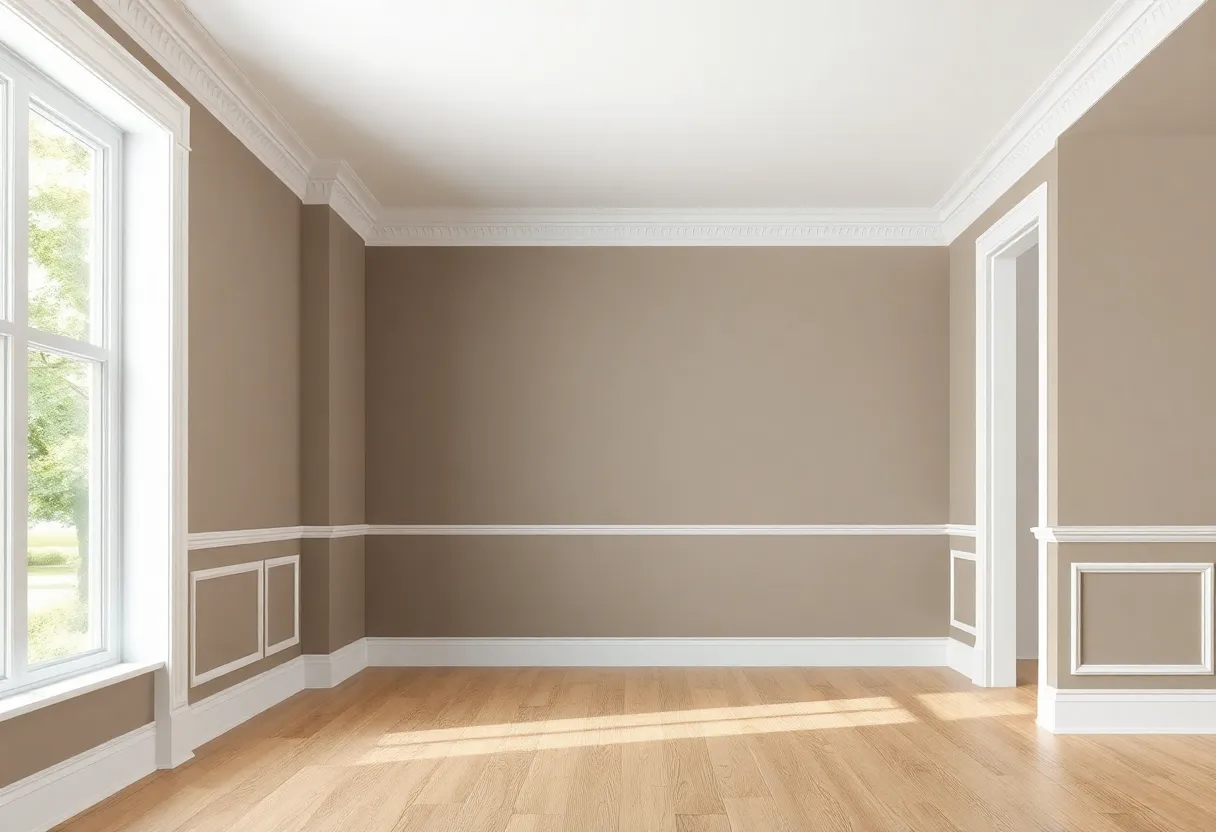
Custom Crown Molding, Baseboards, and Trim from Partner CNC Shops
Get a free quote from 100+ partner CNC shops for custom crown molding, baseboards, chair rail, casings, and decorative trim. Any species, any profile.
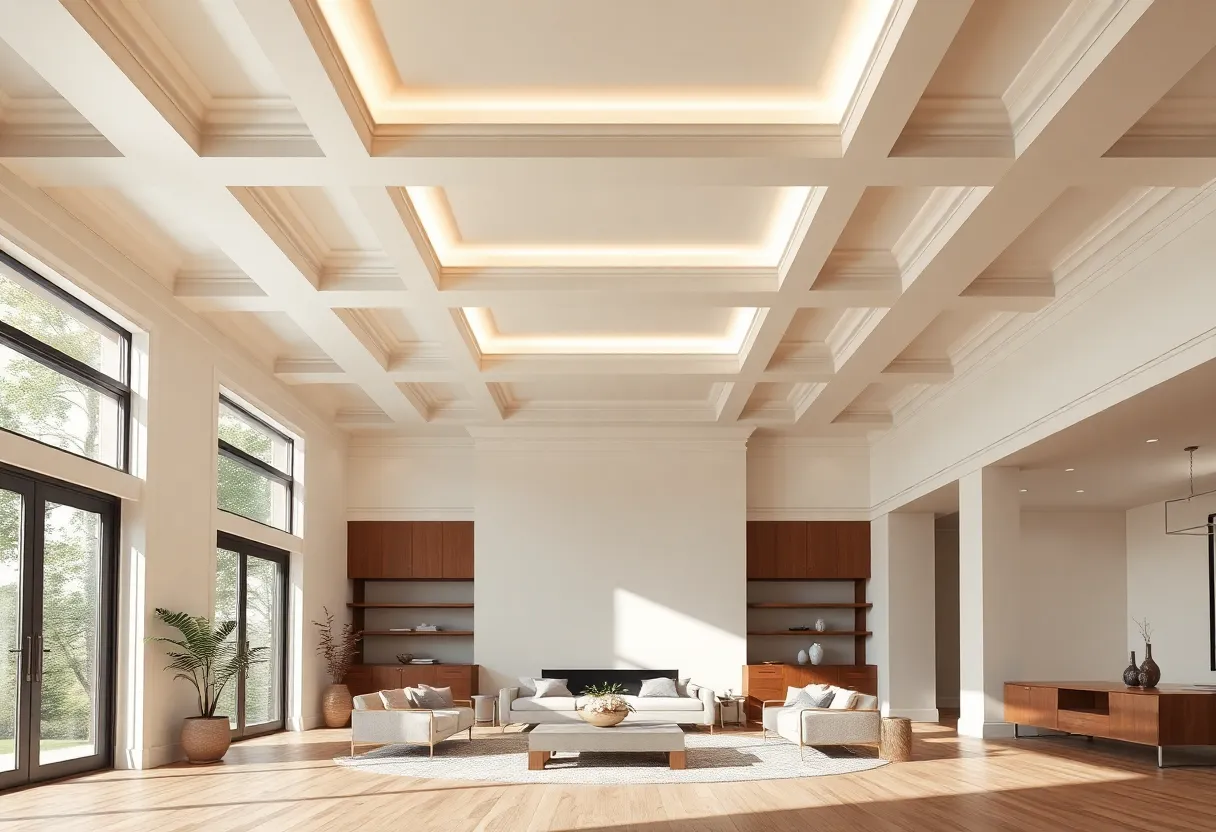
Coffered Ceilings, Faux Beams, and Shiplap Ceiling Systems
Get a free quote from 100+ partner CNC shops for coffered ceilings, faux beams, shiplap, and tongue and groove ceiling planks. Any species, any finish.
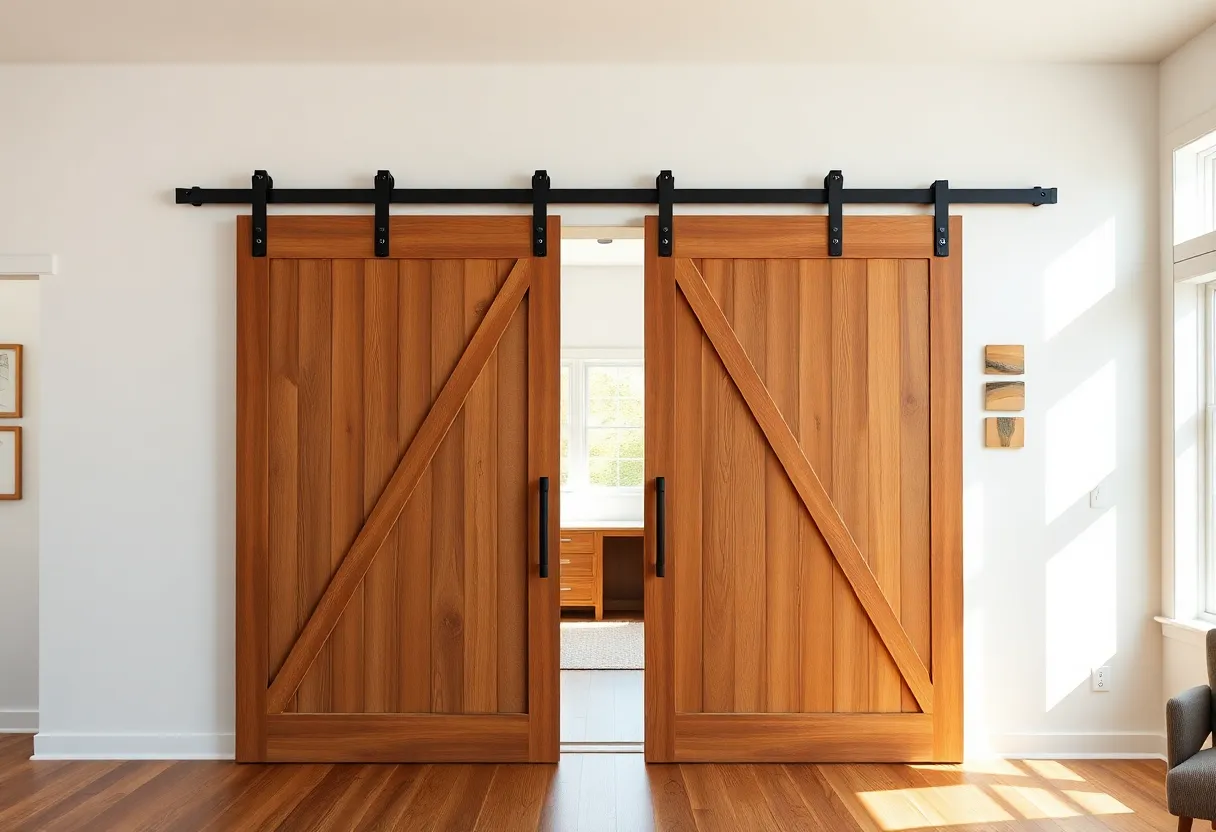
Custom Barn Doors and Interior Doors Built by Partner CNC Shops
Get a free quote from 100+ partner CNC shops for custom barn doors, sliding doors, French doors, and interior doors. Solid wood, any size, built to spec.
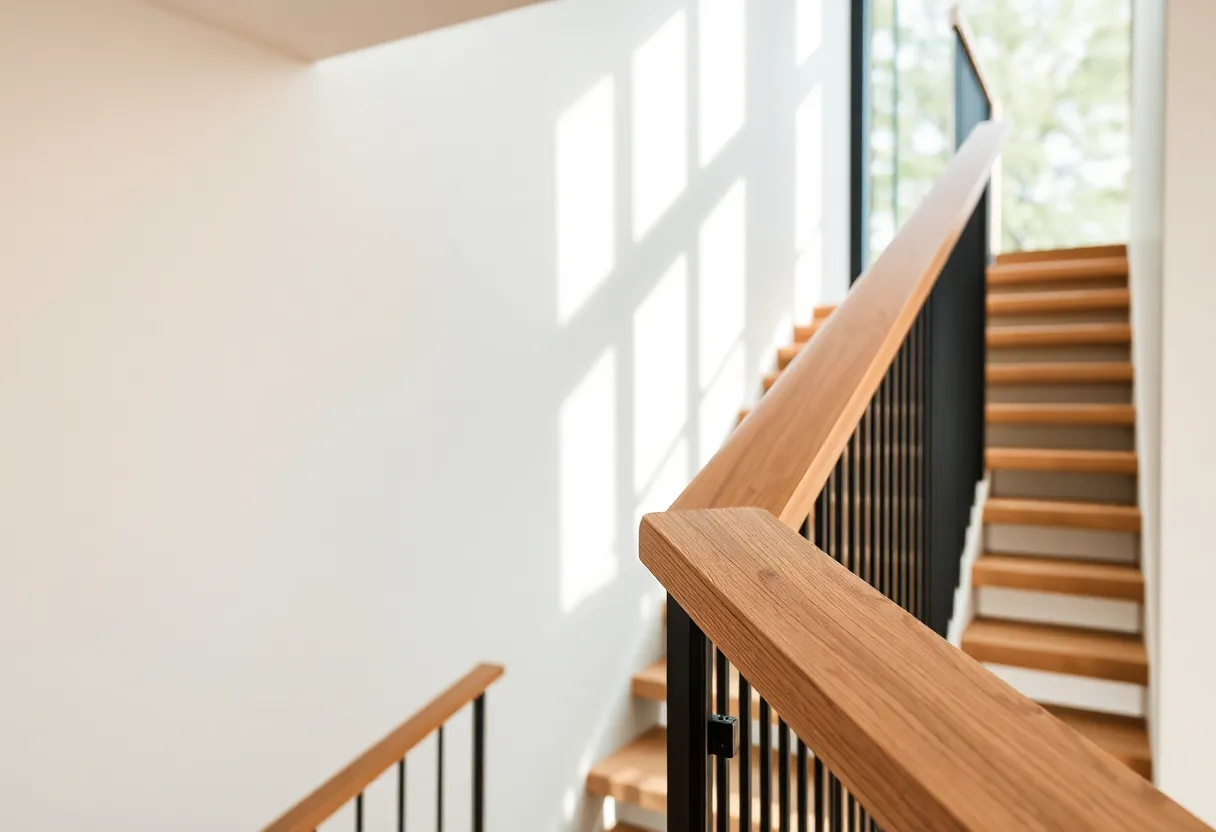
Custom Stairs and Railings: Get a Free Quote from Partner Shops
Get a free quote from 100+ partner CNC shops for custom stair treads, railings, balusters, and newel posts. Any species, any style, quotes in 48 hours.