Coffered Ceilings, Faux Beams, and Shiplap Ceiling Systems
No obligation. Get a competitive quote from 100+ partner CNC woodworking shops for coffered ceilings, faux beams, shiplap, tongue and groove, and decorative ceiling systems.
STEP · STL · IGES · DWG · DXF · PDF · and more
Uploads are secure & confidential
Project types
Specialties our network handles in this category.
Coffered Ceilings
Precision-milled coffered ceiling systems with custom beam depths, panel sizes, and molding profiles for living rooms, dining rooms, and primary suites.
Faux Ceiling Beams
Lightweight hollow box beams that replicate the look of solid timber. CNC-fabricated for precise fit and easy installation over mounting cleats.
Shiplap Ceilings
Overlapping horizontal plank ceilings in various widths and species, delivering the classic shiplap look overhead for farmhouse, coastal, and transitional interiors.
Wood Plank Ceilings
Solid wood ceiling planks in custom widths, lengths, and species for a clean, warm overhead surface that works in any design style.
Tongue and Groove Ceilings
Interlocking tongue-and-groove planks that create a seamless ceiling surface. Available in pine, cedar, poplar, and hardwood species.
Ceiling Medallions
Decorative ceiling medallions for chandeliers and pendant lights, CNC-carved in wood for traditional, transitional, and ornate interiors.
Box Beam Ceilings
Grid-pattern box beam systems that add geometric structure and depth to flat ceilings, similar to coffered but with a more streamlined, contemporary feel.
Beadboard Ceilings
Narrow grooved panels that bring cottage, coastal, and porch ceiling character to interior rooms, mudrooms, and covered outdoor living spaces.
Estimate your project
Adjust the inputs to see a ballpark range. Get matched quotes when you're ready.
Custom ceiling treatments are one of the most transformative upgrades a contractor, builder, or designer can specify for any residential or commercial interior. A coffered ceiling, faux beam installation, or shiplap ceiling turns a flat, forgettable overhead plane into an architectural feature that defines the character of the entire room. Wood ceilings consistently rank among the highest-impact design elements in renovation projects, and search demand for coffered ceilings, faux beams, and shiplap ceilings continues to climb year over year.
OpenSpindle connects builders, contractors, and interior designers with partner CNC woodworking shops that specialize in custom ceiling treatments. From precision-milled coffered ceiling kits to hand-finished faux beams and tongue-and-groove planking, our network shops have the equipment and expertise to produce ceiling components that install cleanly and look exceptional.
Coffered Ceilings: Timeless Architectural Impact
Coffered ceilings create a grid of recessed panels framed by beams and molding, adding depth, dimension, and a sense of grandeur to living rooms, dining rooms, and primary bedrooms. Custom coffered ceiling systems from CNC shops are precision-cut for tight-fitting assemblies that dramatically reduce installation time compared to site-built alternatives. Specify beam depth, panel size, molding profile, and species to match your project's design direction.
Faux Beams: The Look of Timber Without the Weight
Faux ceiling beams deliver the visual warmth and character of exposed structural timber at a fraction of the weight and cost. CNC-fabricated from pine, poplar, or oak, these hollow box beams slip over simple mounting cleats and can span living rooms, kitchens, and great rooms without structural reinforcement. The result is indistinguishable from solid timber, with realistic grain textures and authentic stain or paint finishes.
Coffered Ceilings: Design Rules and Proportions
Coffered ceiling proportions matter as much as the profile details. The grid spacing determines how many coffers fit across the ceiling -- too few and the pattern looks sparse; too many and the room feels compressed. A common rule of thumb is 2 to 3 times the beam width for the coffer opening. For a standard 10-foot ceiling, beams running 4 to 6 inches wide with 24 to 36-inch openings read well. Custom CNC shops build the beams, nailers, and molding profiles from your design drawings and deliver pre-cut components that assemble on-site. Shops experienced with coffered ceilings provide elevation drawings for approval before cutting begins.
Faux Beams vs. Structural Beams
Hollow box beams are the most common approach to ceiling beam treatments in residential renovation because they install without structural modification. A hollow box beam is a three-sided shell -- two sides and a bottom -- that slips over a wood nailer fastened to the ceiling. From below, the beam reads identically to a solid timber. Hollow box beams are significantly lighter than solid timbers, reducing load on the ceiling structure and simplifying installation. They are available in any species, stained or painted to specification, and can be distressed, wire-brushed, or finished with an aged-timber effect.
Commercial Ceiling Treatments: Restaurants, Hotels, and Offices
Custom ceiling treatments are a major specification category in commercial interiors. Restaurants use coffered and beamed ceilings to define dining zones, add warmth, and manage acoustics. Hotels specify tongue-and-groove and plank ceilings for guest rooms, corridors, and public spaces where natural materials signal quality. Offices and co-working spaces use CNC-routed ceiling panels to break up otherwise flat commercial ceilings. CNC production makes commercial quantities practical -- a restaurant requiring matched beams across 60 running feet of ceiling or a hotel needing consistent plank patterns across multiple floors are both realistic outputs.
What to Include in Your Ceiling Treatment Quote Request
For the most accurate quotes, provide room dimensions (including ceiling height), the type of ceiling treatment desired, preferred wood species and finish direction, and any special considerations like lighting cutouts, HVAC registers, or non-rectangular room shapes. Photos and reference images help shops understand the scope and style.
Shiplap and Wood Plank Ceilings Near You
Shiplap ceilings and tongue-and-groove wood plank ceilings bring warmth, texture, and a sense of craft to any room. Sourcing consistent, properly milled ceiling planking near you used to require multiple lumber yard visits and quality compromises. OpenSpindle simplifies the process. Submit a single quote request with your square footage, species, and finish preferences, and shops respond with competitive pricing and lead times.


Styles & construction
Our network of ceiling treatment shops can fabricate virtually any overhead design, from classic coffered systems to rustic faux beams and clean plank ceilings, all produced to your exact dimensions and finish specifications.
Aesthetics
- Traditional
- Farmhouse
- Modern
- Transitional
- Rustic
- Coastal
Construction types
Coffered / Grid Systems
DurabilityCost$$$$$CustomizationBeams and molding arranged in a grid pattern to create recessed ceiling panels. Delivered as a precision-cut kit for efficient on-site assembly. Available in square, rectangular, and custom grid layouts.
Best for: Traditional, transitional, and formal dining roomsHollow Box Beams
DurabilityCost$$$$$CustomizationThree-sided hollow beams that mount over cleats attached to ceiling joists. Lightweight yet visually identical to solid timber. CNC joinery ensures tight miters and seamless grain flow.
Best for: Rustic, farmhouse, craftsman, and exposed-beam aestheticsPlank / Board Systems
DurabilityCost$$$$$CustomizationIndividual tongue-and-groove, shiplap, or butt-joint planks installed directly to the ceiling surface. Available in a range of widths, species, and pre-finished or unfinished options.
Best for: Shiplap ceilings, tongue-and-groove, modern and coastal styles
Cost guidance
Typical project cost ranges — actual quotes vary by scope, materials, finish level, and shop.
- Budget$1,500 – $4,000Shiplap or tongue-and-groove ceiling planks for a single room, paint-grade faux beams, or a basic beadboard ceiling. Standard species and straightforward installation.
- Mid-Range$4,000 – $10,000Coffered ceiling kits for a standard-size room, stain-grade faux beam packages, or whole-room wood plank ceilings in premium species with professional finishing.
- Premium$10,000+Large-scale coffered ceiling systems, multi-room beam installations, custom-carved ceiling medallions, or architectural ceiling treatments for open-concept great rooms and commercial spaces.
Typical Timeline
Total estimated time: 11 weeks
How OpenSpindle works
We tap our partner network. You get the best-match quote.
Upload your part and we tap our network of partner shops to get you a competitive, all-in quote that is the best match for the job.
One upload
A CAD file or a sketch. That is the whole ask on your end.
Your best-match quote
Sourced from the partner shops set up for your exact part.
All-in, on your timeline
Machining, finishing, and shipping detailed to your turnaround.
Frequently Asked Questions
How much do custom ceiling treatments cost?
What types of custom ceiling treatments can a CNC shop produce?
What is a coffered ceiling and how much does it cost?
How long does it take to get custom ceiling treatment components made?
What materials are used for custom ceiling treatments?
Can CNC-fabricated ceiling beams replace structural beams aesthetically?
Do I need a structural engineer to add decorative ceiling beams?
What information do I need to provide for a custom ceiling treatment quote?
Ready to Get Started?
Tap our network of partner CNC woodworking shops today. Submit your project details and get a competitive, best-match quote from specialists in your area.
Get a QuoteRelated

Custom Wall Panels, Wainscoting, and Slat Walls from Partner CNC Shops
Get a free quote from 100+ partner CNC shops for custom wall panels, wainscoting, shiplap, slat walls, and 3D panels. Wood accent walls built to spec.
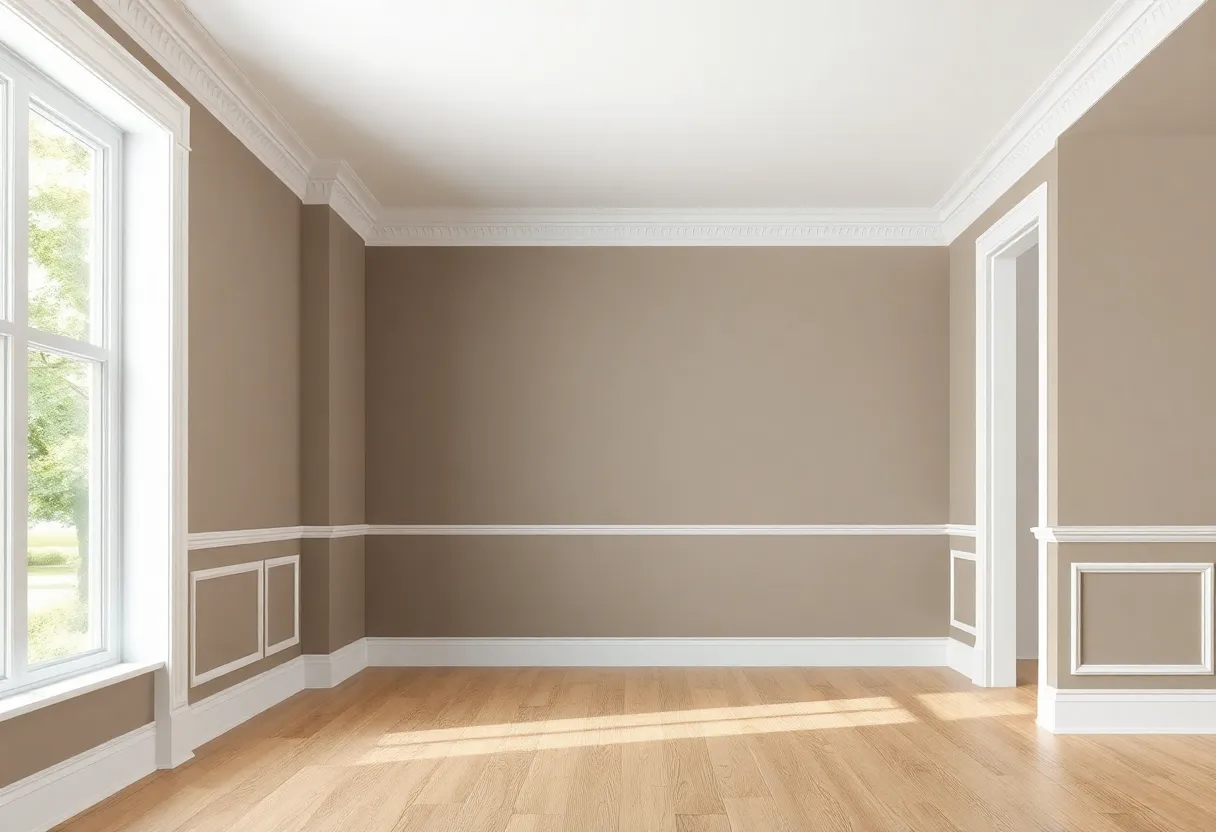
Custom Crown Molding, Baseboards, and Trim from Partner CNC Shops
Get a free quote from 100+ partner CNC shops for custom crown molding, baseboards, chair rail, casings, and decorative trim. Any species, any profile.
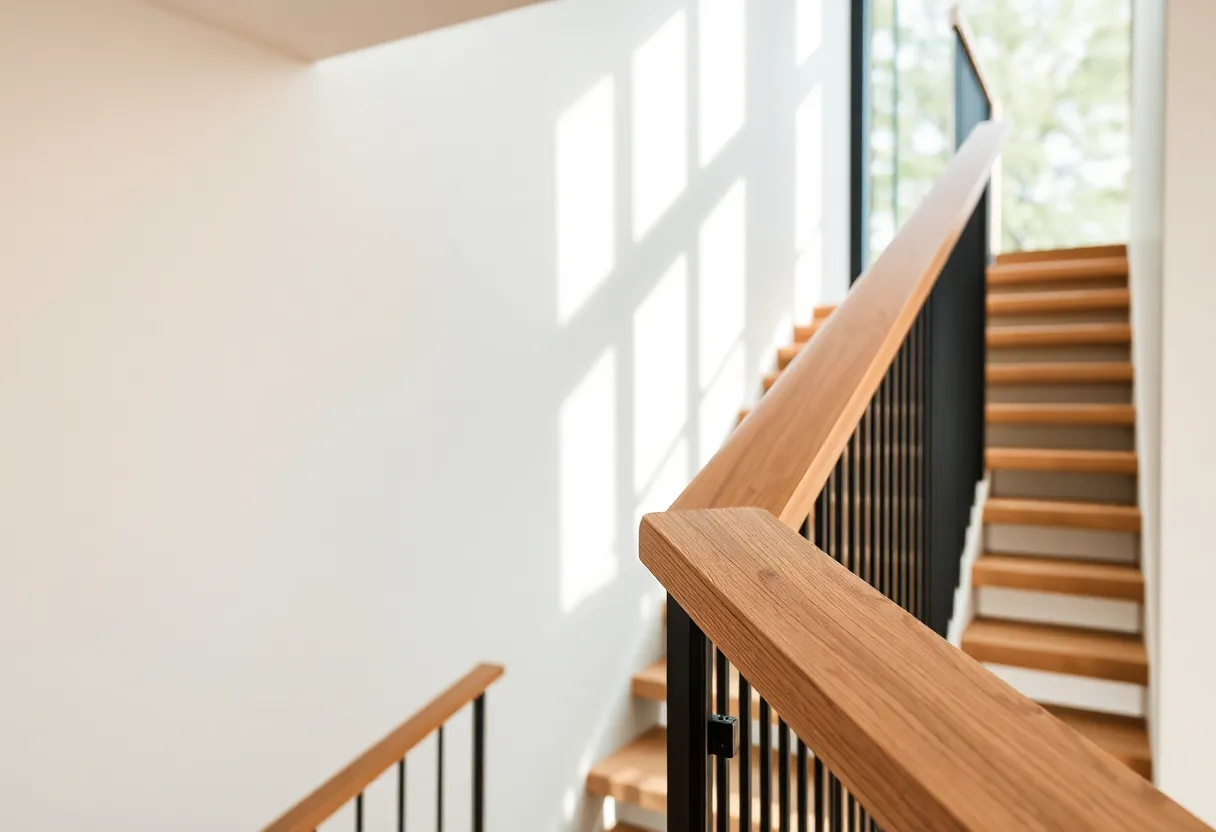
Custom Stairs and Railings: Get a Free Quote from Partner Shops
Get a free quote from 100+ partner CNC shops for custom stair treads, railings, balusters, and newel posts. Any species, any style, quotes in 48 hours.
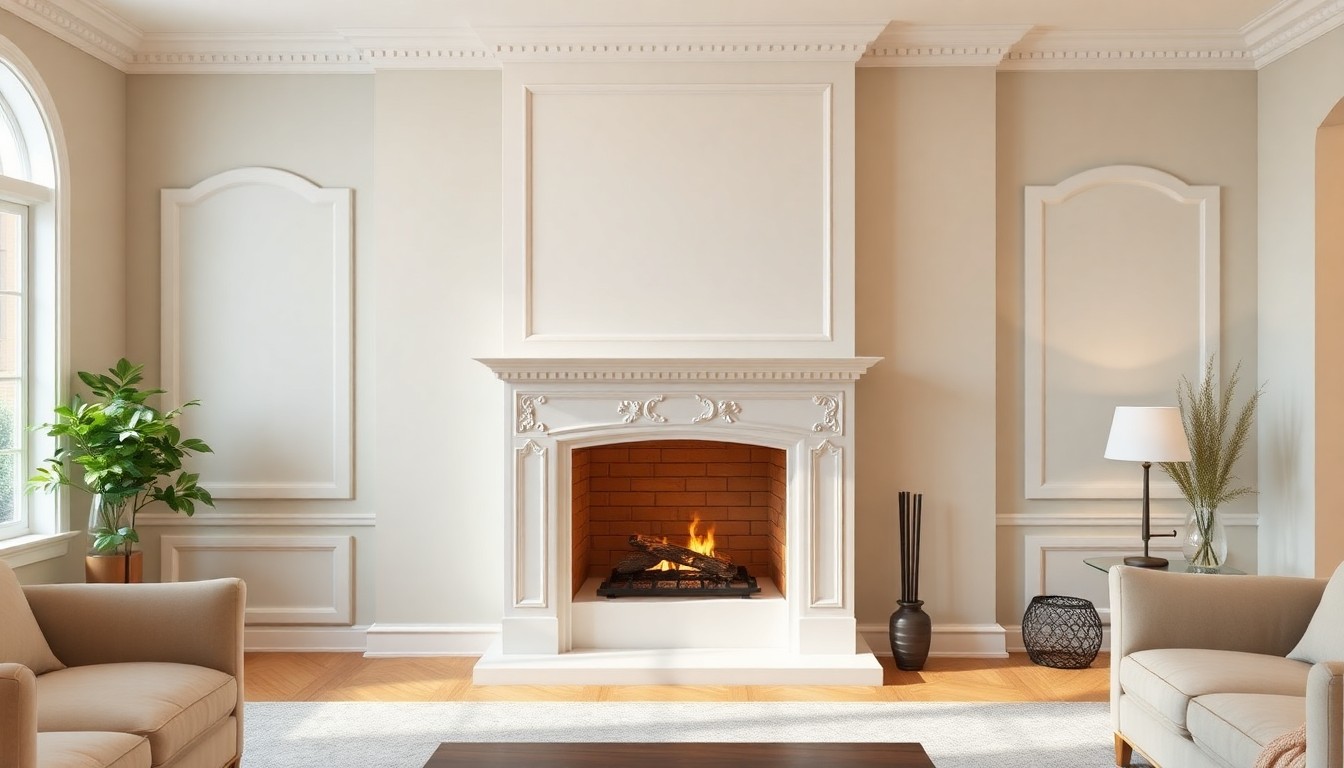
Custom Fireplace Mantels and Surrounds from Partner CNC Shops
Custom fireplace mantels and surrounds from 100+ partner CNC shops. Wood mantels, floating shelves, and full surrounds. Quotes in 48 hours, no obligation.