Cedar Wood Uses for Furniture, Paneling & Architectural Millwork
Naturally durable softwood for furniture, interior paneling, exterior cladding, and architectural applications.
- Naturally rot and insect resistant -- no chemical treatment needed for most applications
- Lightweight, aromatic, and easy to CNC machine for furniture and millwork
- Performs well in humid and outdoor environments -- furniture, siding, and soffits
STEP · STL · IGES · DWG · DXF · PDF · and more
Uploads are secure & confidential
Cedar Wood Properties and Why It's Used in Furniture and Architecture
Cedar is a naturally durable softwood known for its resistance to rot, moisture, and insects. It is widely used in furniture, interior paneling, exterior cladding, and architectural millwork where natural aesthetics and performance matter.
Unlike hardwoods used for cabinetry, cedar is typically selected for its appearance, aroma, and environmental resistance rather than structural load-bearing applications.
How OpenSpindle works
We tap our partner network. You get the best-match quote.
Upload your part and we tap our network of partner shops to get you a competitive, all-in quote that is the best match for the job.
One upload
A CAD file or a sketch. That is the whole ask on your end.
Your best-match quote
Sourced from the partner shops set up for your exact part.
All-in, on your timeline
Machining, finishing, and shipping detailed to your turnaround.
Cedar Furniture, Paneling & Architectural Applications
Cedar excels wherever its natural rot resistance, lightweight character, and aromatic grain add value -- from outdoor furniture to architectural wall systems.
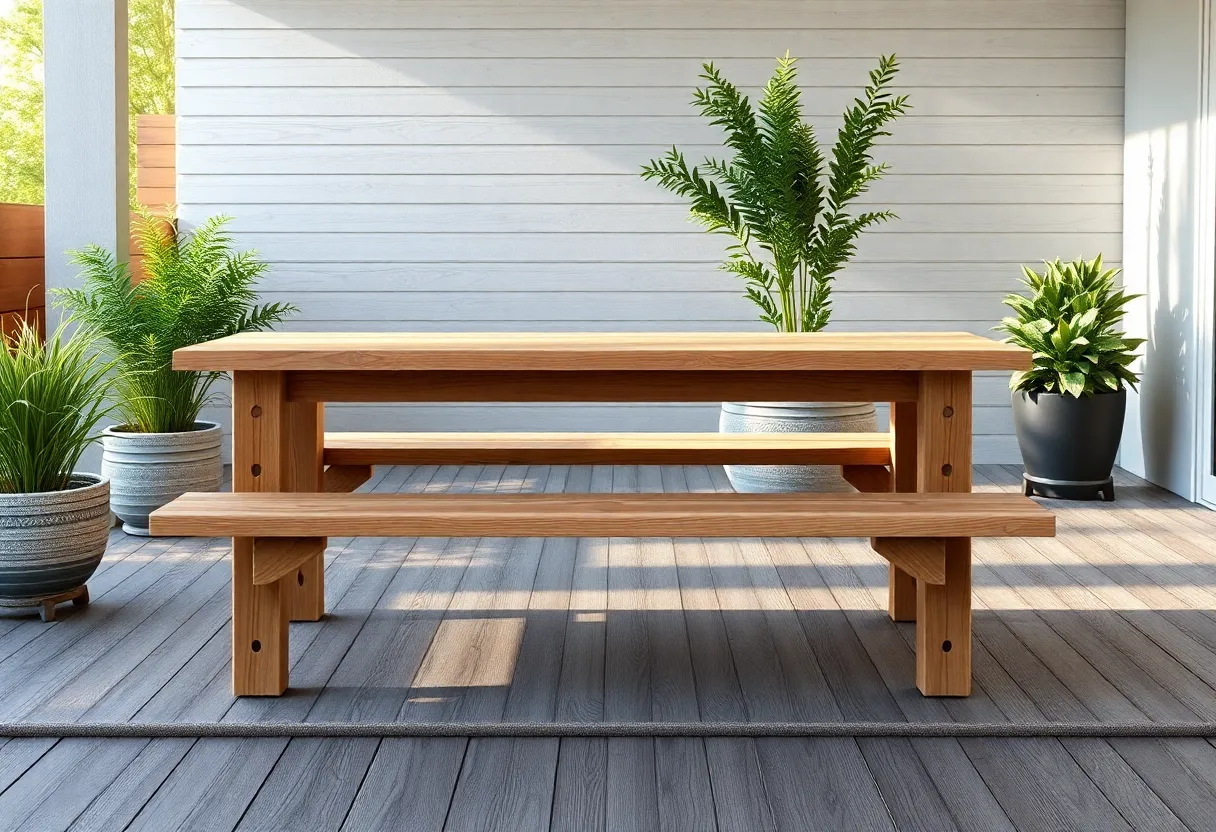
Cedar is a natural choice for outdoor furniture and decorative indoor pieces. Its light weight and rot resistance make it practical for tables, benches, and storage pieces that live in challenging environments.
- Outdoor dining tables and benches
- Cedar storage chests and blanket boxes
- Garden and patio furniture
- Accent indoor furniture with natural finish
Exterior oil or stain maintains color and extends service life for outdoor pieces
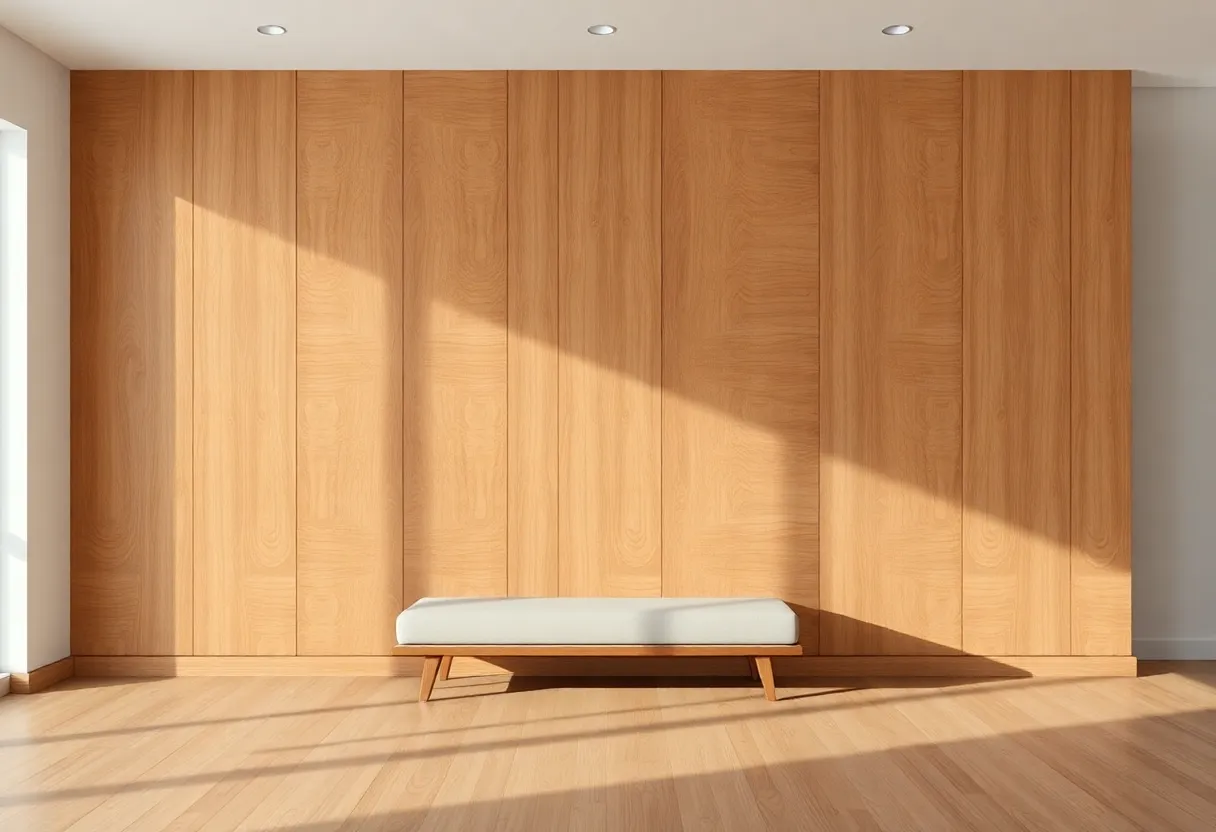
Cedar wall paneling adds warmth, texture, and natural aroma to living spaces. Its grain ranges from clear and uniform to knotty and rustic, making it versatile across contemporary and traditional interiors.
- Horizontal shiplap and board-and-batten wall systems
- Tongue-and-groove ceiling and wall paneling
- Feature walls with mixed grain character
- Cedar slat systems and architectural wall panels
Clear cedar gives a clean contemporary look; knotty cedar adds rustic character
Exterior Applications
Western red cedar is one of the most widely used species for exterior siding, soffits, and architectural cladding. Its natural oils resist rot and UV degradation far better than most domestic softwoods.
- Residential and commercial siding
- Soffit and fascia systems
- Outdoor cladding and architectural facades
- Garden structures and pergolas
Semi-transparent stain protects exterior cedar while preserving its natural grain
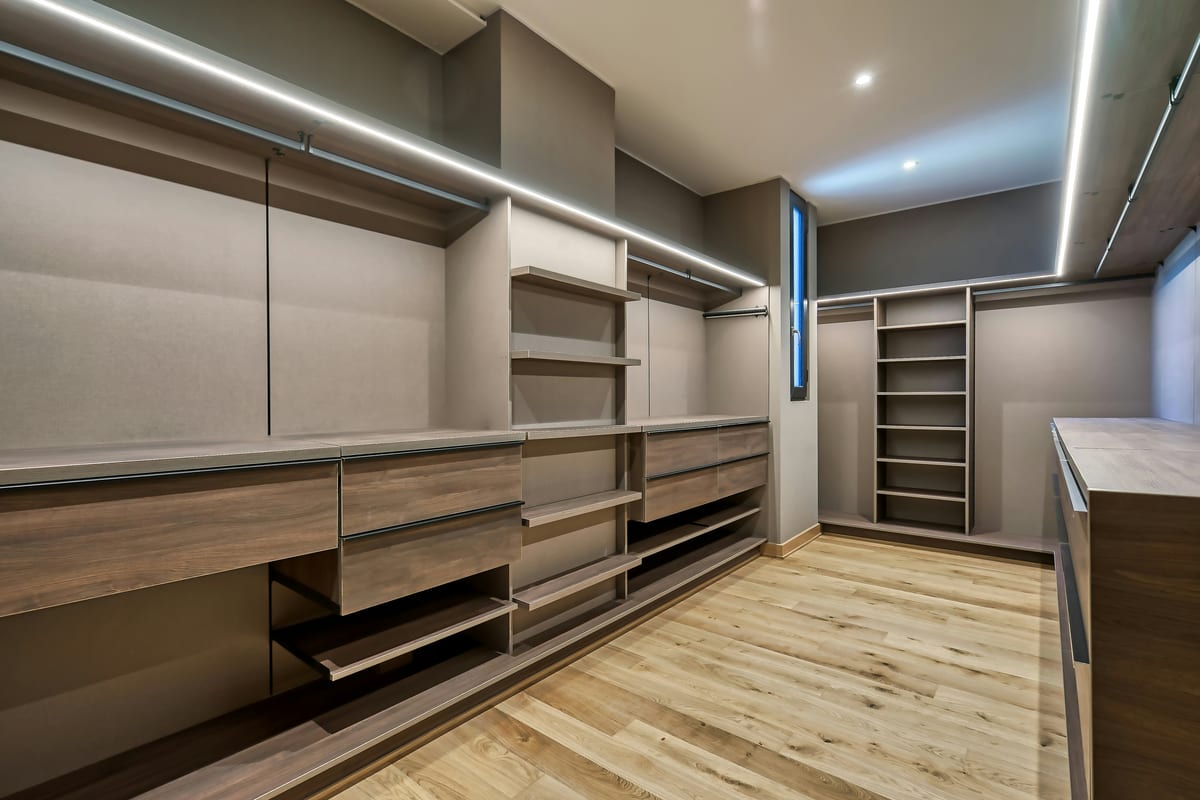
Cedar's distinctive grain and aroma make it a compelling choice for accent built-ins, closet systems, and display shelving where visual character is the priority.
- Cedar-lined closet systems
- Decorative built-in shelving
- Accent cabinetry with natural finish
Cedar is best for accent and storage applications -- not for high-wear cabinet door surfaces
How Cedar Projects Are Built
Cedar's softness and workability make it straightforward to machine and assemble. Construction method depends on whether the application is furniture, paneling, or exterior cladding.
Solid Cedar
Full-thickness solid cedar boards for furniture, visible structural elements, and outdoor applications. Cedar's light weight makes it practical for large components like dining tables, bench tops, and long wall panels.
Best For
- Outdoor furniture and structures
- Interior paneling
- Accent furniture
Is Cedar Good for Furniture and Interiors?
Cedar is an excellent choice for furniture, wall systems, and exterior applications -- with clear limitations for high-wear or structural uses.
Ideal For
- ✓Naturally rot resistant -- suitable for outdoor furniture and exterior cladding without chemical treatment
- ✓Lightweight and easy to machine -- efficient for CNC fabrication of furniture and panels
- ✓Distinctive aromatic grain -- valued for its visual character in paneling and furniture
- ✓Performs well in humid environments -- interior paneling, saunas, and exterior applications
- ✓Natural insect resistance -- the standard choice for aromatic closet linings
May Not Be Ideal For
- –Softer than most hardwoods -- can dent more easily under impact
- –High-wear cabinetry surfaces -- kitchen door faces and drawer fronts see too much daily contact
- –Structural cabinet boxes -- plywood or solid hardwood performs better for carcass construction
- –Heavy-use drawer systems -- softer grain compresses at hardware attachment points
- –Painted applications -- cedar oils can bleed through paint without a proper blocking primer
How Cedar Compares to Other Woods
Cedar is most often compared to pine, reclaimed wood, and poplar for furniture and paneling applications.
Cedar vs Pine
- Pine is more widely available and typically less expensive than cedar
- Cedar's natural oils provide significantly better rot and insect resistance
- Both are soft and easy to work; pine is slightly harder on average
- Pine is better for painted applications; cedar is better for natural-finish and outdoor use
Choose cedar for outdoor furniture, exterior siding, and aromatic uses; choose pine when cost is the priority and natural oils are not needed.
View Pine →Cedar vs Reclaimed Wood
- Reclaimed wood offers rustic character similar to knotty cedar at higher cost
- Cedar is more consistent in quality; reclaimed wood varies widely
- Both are used for decorative interior paneling and furniture
- Reclaimed wood does not have cedar's insect-repelling and rot-resistant properties
Choose cedar for functional applications where natural properties matter; choose reclaimed wood when aged patina is central to the design intent.
View Reclaimed Wood →Cedar vs Poplar
- Poplar is harder (Janka 540) and takes paint much better than cedar
- Cedar's natural oils make it better for aromatic, exterior, and outdoor applications
- Poplar is more suitable for painted interior cabinetry
- Cedar is more suitable for natural-finish furniture, paneling, and exterior work
Choose poplar for painted interior cabinetry; choose cedar when natural aromatic or weather-resistance properties are needed.
View Poplar →How Cedar Affects Project Cost
Cedar is a budget-to-mid-tier material depending on species, grade, and application. Exterior siding projects have different cost drivers than furniture or interior paneling.
Cost Impact by Construction Method
Cedar Furniture
Custom cedar furniture -- a dining table, bench set, or outdoor storage piece -- typically runs $800-3,500 depending on scale and complexity.
Includes
- Western red cedar or aromatic red cedar
- Natural oil or exterior stain finish
- CNC-cut or hand-fabricated joinery
Best For
Interior Paneling
A cedar accent wall or full-room paneling installation typically runs $2,000-6,000 for material and labor, depending on square footage and profile complexity.
Includes
- Tongue-and-groove or shiplap cedar boards
- Clear coat or natural oil finish
- Installation and trim work
Best For
Exterior Siding & Cladding
Exterior cedar siding on a residential project runs $8-18 per square foot installed, depending on profile, grade, and finish system.
Includes
- Western red cedar in clear or knotty grades
- Exterior primer and semi-transparent stain
- Water-resistive barrier and trim integration
Best For
What Actually Drives Cedar Cost
- ·Species -- western red cedar costs more than aromatic red cedar
- ·Grade -- clear vs. knotty can double material cost
- ·Application -- exterior siding requires priming, sealing, and ongoing maintenance
- ·Milling -- tongue-and-groove and pre-milled profiles cost more than rough-sawn
Key Insight
Cedar's real cost advantage is in applications where its natural properties replace expensive treatments: rot resistance for exterior work and insect repellency for storage. In those contexts, the modest premium over pine is easily justified by performance.
Best Finishes for Cedar Furniture & Architectural Projects
Cedar is often left natural to preserve its grain, color variation, and aromatic properties. The right finish depends on whether the application is furniture, interior paneling, or exterior cladding.
Natural Oil Finishes
Penetrating oil finishes protect cedar while allowing it to breathe and maintain its aromatic character. The most appropriate choice for furniture and interior paneling.
Clear Coats
Film-forming clear finishes provide a harder, more durable surface for indoor furniture and paneling. Avoid on closet linings -- they seal in and reduce the aromatic oils.
Exterior Sealants & Stains
For outdoor furniture, siding, and architectural cladding, penetrating exterior stains and sealants protect cedar while allowing seasonal movement. Semi-transparent stains preserve the natural grain.
Pro Tip
Cedar is often left natural to preserve its grain, color variation, and aromatic properties. For closet linings, avoid film-forming finishes entirely -- they seal the aromatic oils inside the wood and reduce pest-repellent effectiveness.
Design Pairings
Hardware
Companion Materials
Design Styles
Frequently Asked Questions
What is cedar wood and what makes it suitable for outdoor applications?
How much does cedar lumber cost?
What are the best applications for cedar in custom woodworking?
Does cedar need to be sealed or treated for outdoor use?
How does cedar compare to pressure-treated pine for outdoor furniture?
What is aromatic cedar and how is it used?
Is cedar a good choice for a sauna?
What fasteners should be used with cedar?
Ready to Get Started?
Tap our network of partner CNC woodworking shops today. Submit your project details and get a competitive, best-match quote from specialists in your area.
Get a Quote