Custom Alder Cabinets, Furniture & Built-Ins
Alder is one of the most widely used woods for kitchen cabinets and built-in cabinetry, especially in the Western United States. Get custom alder projects built to your exact specifications.
- One of the most popular woods for stain-grade kitchen cabinets
- Takes stain more evenly than maple -- warm, consistent results
- Affordable real wood option for cabinetry, furniture, and built-ins
STEP · STL · IGES · DWG · DXF · PDF · and more
Uploads are secure & confidential
Why Alder Is a Top Choice for Kitchen Cabinets
Alder is commonly used for kitchen cabinets and built-in cabinetry due to its affordability, workability, and ability to take stain evenly. It sits at an unusual intersection: technically a hardwood, but with density closer to cedar or pine. What makes it valuable is its finish acceptance -- it machines beautifully, sands quickly, and holds paint as well as most species twice its cost.
In the Pacific Northwest and Western United States, alder is the dominant cabinet species. California, Oregon, and Washington shops have used red alder as the primary painted and stained cabinet wood for decades -- abundant, affordable, and predictable.
The main limitation is hardness. At Janka 590, alder dents more easily than maple, oak, or hickory. For standard residential cabinetry in normal-use environments, this rarely creates issues in practice.
How OpenSpindle works
We tap our partner network. You get the best-match quote.
Upload your part and we tap our network of partner shops to get you a competitive, all-in quote that is the best match for the job.
One upload
A CAD file or a sketch. That is the whole ask on your end.
Your best-match quote
Sourced from the partner shops set up for your exact part.
All-in, on your timeline
Machining, finishing, and shipping detailed to your turnaround.
Alder Cabinets, Furniture & Built-In Applications
Alder's combination of easy workability, good finish acceptance, and lower cost makes it a practical choice for painted and stain-grade cabinetry across many project types.
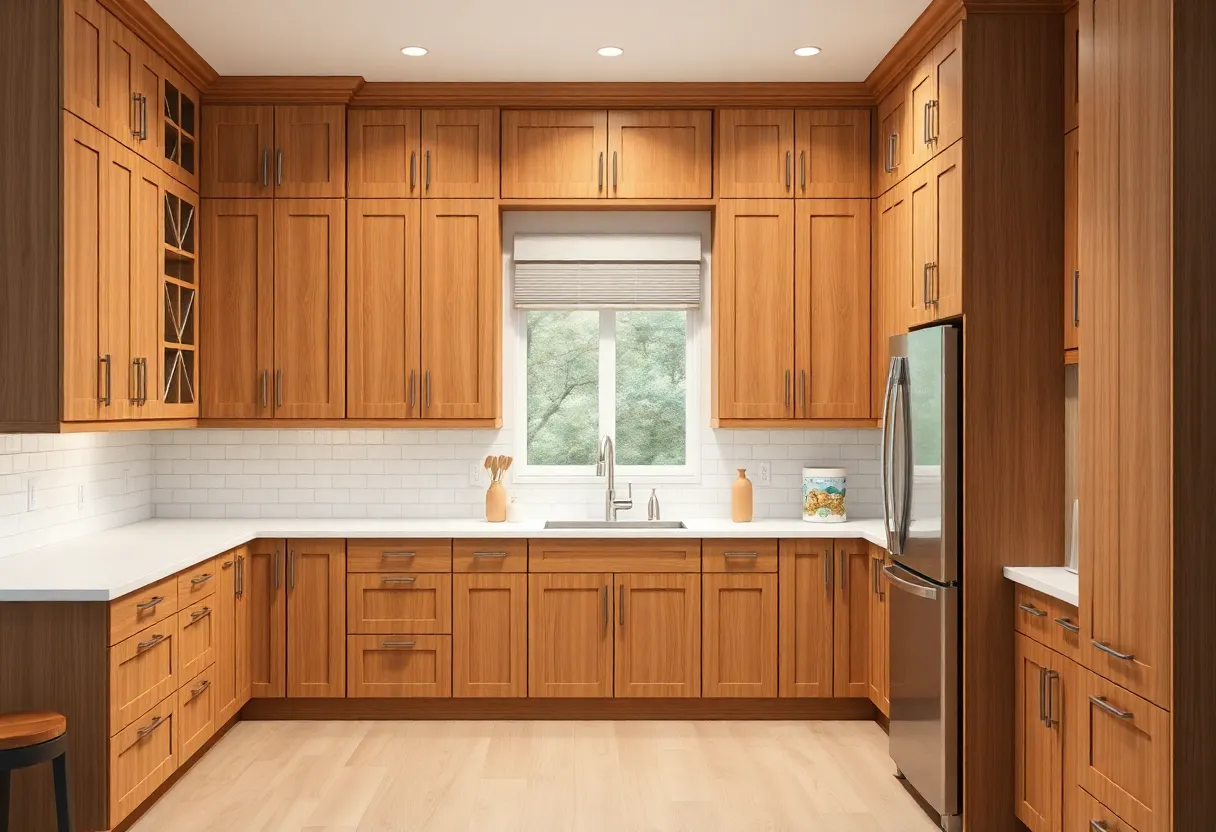
Alder kitchen cabinets are one of the most common stain-grade cabinet options due to their ability to take color evenly and produce warm, natural finishes. Alder's open grain accepts stain without the blotching that affects maple.
- Takes medium and dark stains without heavy pre-conditioning
- Cathedral grain adds natural character under stain
- Raised panel and arched profiles machine cleanly
Alder's open grain creates a slightly rustic look under stain
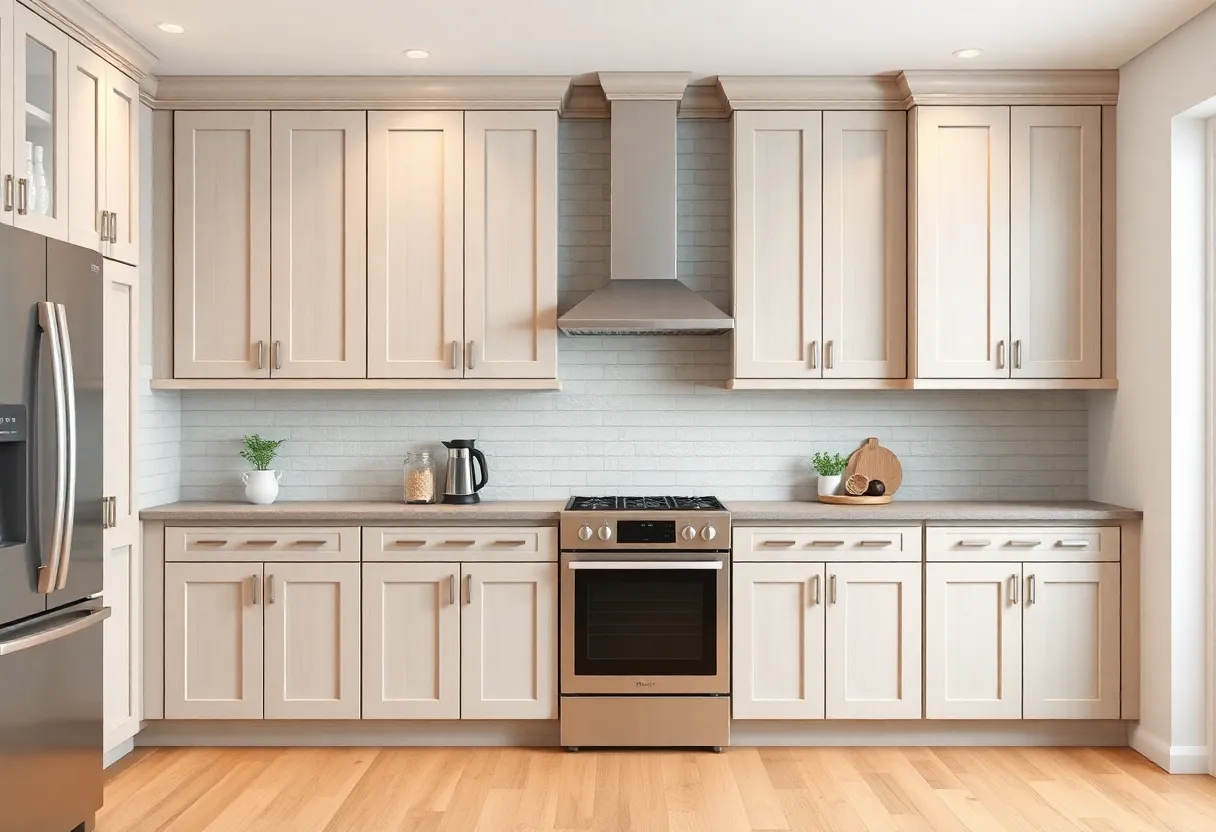
Alder is a cost-effective option for painted kitchen cabinets, especially when a slightly textured finish is acceptable. A grain filler or multiple sealer coats are recommended for an ultra-smooth result.
- Standard and custom painted colors
- Shaker and full overlay door styles
- Distressed paint effects work particularly well on alder
For a smooth painted finish, use a grain filler before primer
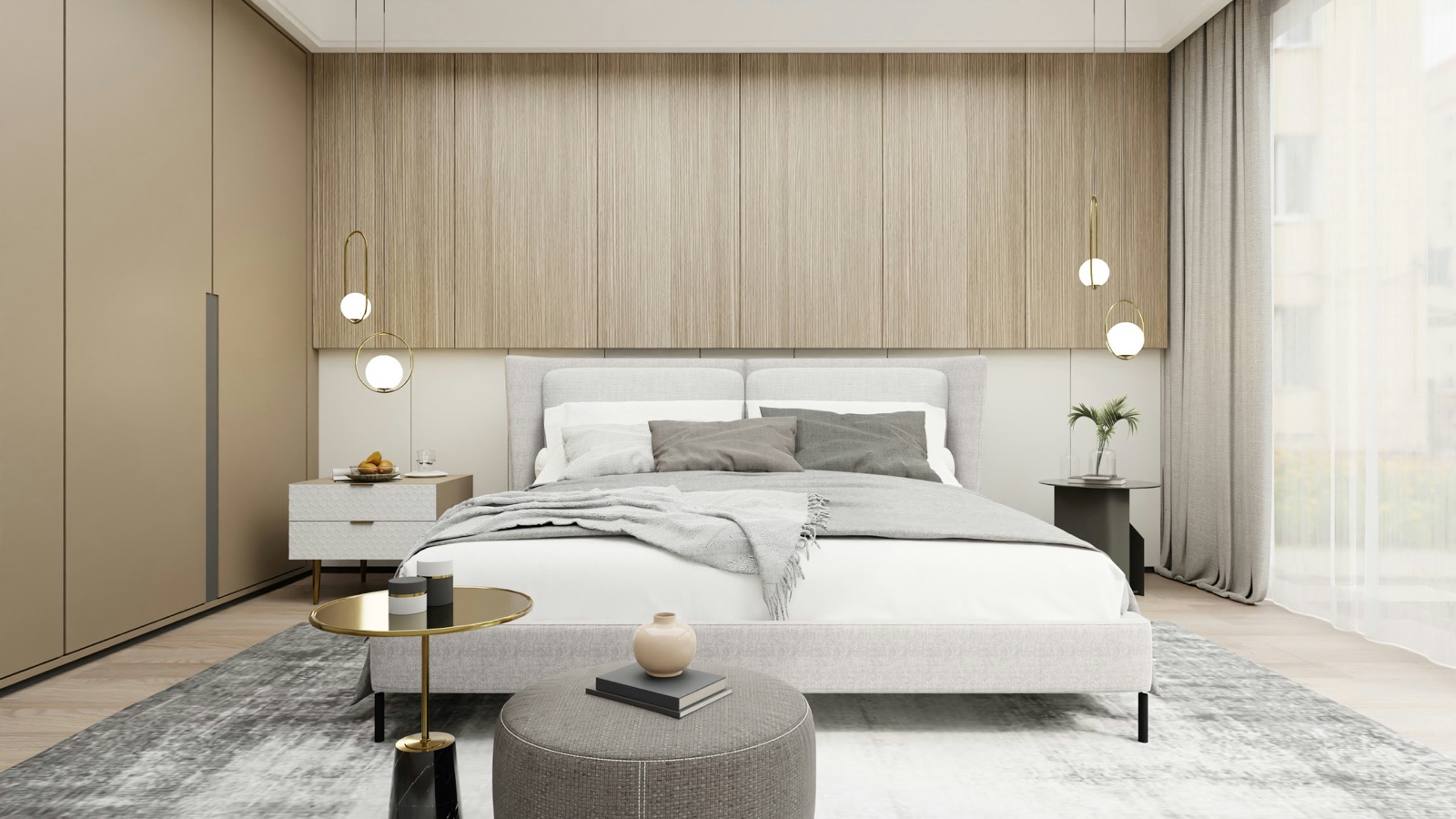
Solid alder bedroom furniture is warm, light, and easy to live with. Its softness means it picks up character marks over time -- which suits distressed and rustic aesthetics.
- Bed frames in painted or stained finishes
- Dressers and nightstands with simple profiles
- Nightstand and end table construction
Distressed and glazed finishes are popular on alder bedroom furniture
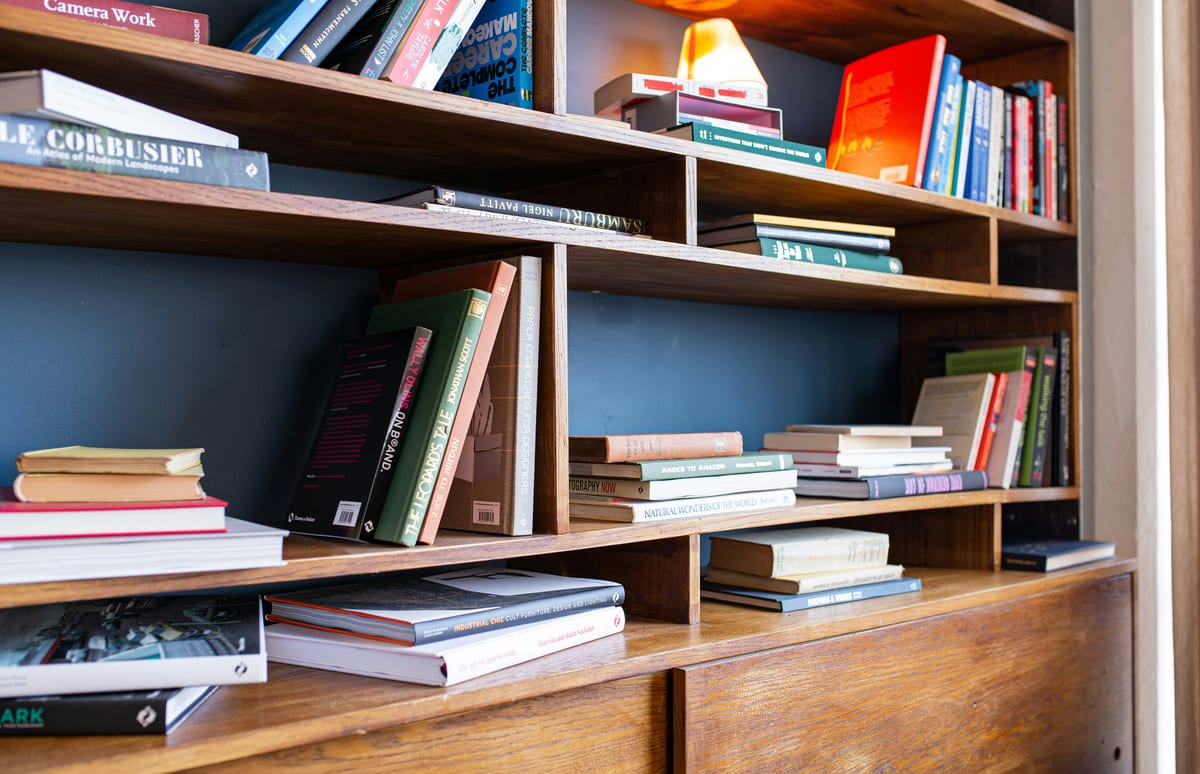
Alder built-ins are commonly used in residential cabinetry projects where cost and warmth are both priorities. Painted or stained alder built-ins offer the look of real wood at a price that makes large-scale projects viable.
- Library-style bookcase surrounds
- Living room entertainment centers
- Bedroom and office storage systems
For heavy-load shelving, use thicker stock or consider hard maple as an upgrade
How Alder Cabinets and Furniture Are Built
Most alder cabinet projects use a combination of solid alder doors and engineered cabinet boxes for cost and stability. The construction method depends on the project type and finish requirements.
Solid Alder
Full-thickness solid alder for face frames, doors, and visible structural elements. Machines quickly and cleanly with sharp tooling.
Best For
- Face frames and door profiles
- Bedroom furniture
- Light-duty cabinetry
Are Alder Cabinets Good? Pros and Cons
Alder is a strong everyday cabinet wood with clear strengths and known limitations. Here is when to use it and when to consider an alternative.
Ideal For
- ✓Takes stain evenly -- more consistent color than maple
- ✓Affordable real wood option for cabinetry
- ✓Easy to machine and shape
- ✓Widely available in the Western US
- ✓Stain-grade cabinetry in rustic, Tuscan, or Spanish colonial styles
- ✓Paint-grade cabinetry where budget is a consideration
- ✓Furniture with distressed or glazed finish treatments
May Not Be Ideal For
- –Dents easily due to low hardness (Janka 590)
- –Not ideal for high-impact or high-traffic surfaces
- –Grain can show under paint without proper prep
- –Contemporary interiors requiring a grain-free painted surface -- use maple instead
- –Applications requiring surface hardness ratings
- –Outdoor applications of any kind
Alder vs Other Cabinet Woods
Alder competes primarily with maple, poplar, and cherry for painted and stain-grade cabinetry.
Alder vs Maple for Cabinets
- Maple (Janka 950) is significantly harder and more durable
- Maple has a tighter grain and produces a smoother painted surface
- Alder takes stain more evenly -- maple blotches without conditioning
- Alder is typically 20-35% less expensive per board foot
Choose maple for painted work where smoothness and durability matter most. Choose alder for stain-grade or budget-sensitive projects.
View Maple for Cabinets →Alder vs Poplar for Cabinets
- Poplar (Janka 540) is slightly softer -- both are in the same tier
- Poplar is more common east of the Rockies; alder dominates in the West
- Alder accepts stain better -- poplar shows green/gray streaks under stain
- Both are similarly priced and fast to machine
For stain-grade work, alder produces a better result. For paint-grade, either works well at similar cost.
View Poplar for Cabinets →Alder vs Cherry for Cabinets
- Cherry (Janka 950) is harder and more durable than alder
- Cherry is a premium natural-finish wood; alder suits paint or rustic stain
- Cherry is typically 50-80% more expensive per board foot
- Both work for similar furniture applications with very different aesthetics
Choose cherry for natural-finish heirloom work. Choose alder for affordable rustic stain or paint-grade cabinetry.
View Cherry for Cabinets →How Much Do Alder Cabinets Cost?
Alder cabinets are one of the most affordable real wood cabinet options, especially compared to maple, oak, or cherry. It delivers real wood quality at a price point that competes with semi-custom alternatives.
Cost Impact by Construction Method
Material Cost
Alder lumber runs $3-7 per board foot for select grades. Most affordable in the Pacific Northwest.
Includes
- Select and better grade
- Standard dimensional lumber
- Pre-cut door stock
Best For
Mid-Range Kitchen
An alder kitchen typically runs $10,000-18,000 installed -- well below comparable maple or oak kitchens.
Includes
- Custom fabrication
- Stain or paint finish
- Standard hardware
Best For
Full Project Scope
Whole-home alder cabinetry (kitchen + baths + built-ins) typically runs $20,000-40,000.
Includes
- Full scope cabinetry
- Consistent finish throughout
- Production-friendly hardware
Best For
What Actually Drives Alder Cost
- ·Regional availability -- alder is cheapest in the Pacific Northwest
- ·Finish type -- stain-grade finishing is labor-intensive despite easy workability
- ·Door profile complexity -- raised panel adds machining time
- ·Hardware quality
Key Insight
Alder's real value is in stain-grade work where you want natural wood warmth without paying hardwood prices. For painted work, poplar is equally competitive -- the choice usually comes down to regional availability.
Best Finishes for Alder Cabinets and Furniture
Alder is most commonly used for stained kitchen cabinets, but it can also be painted or finished naturally depending on the desired look. Its moderate grain sits between the plain uniformity of maple and the dramatic character of hickory.
Stained Finishes
Alder's best use case. Its open grain accepts stain evenly and produces warm, natural results in medium and dark tones.
Painted Finishes
Alder takes paint well with proper preparation. A grain filler or two sealer coats before topcoating produces a smooth result.
Natural Clear Finish
Under clear finish, alder shows a warm, reddish-tan tone with moderate grain character -- warmer and more interesting than maple under clear.
Pro Tip
Alder's open grain is an asset for stain, but requires extra steps for paint. Apply one coat of sanding sealer, sand back to 220, then prime. This eliminates grain pore visibility without expensive grain filler.
Design Pairings
Hardware
Countertops
Design Styles
Frequently Asked Questions
What is alder wood and what is it typically used for?
How much does alder lumber cost per board foot?
Does alder stain well?
How does alder compare to cherry for cabinetry?
Is alder good for painted kitchen cabinets?
What are the machining characteristics of alder?
Is alder a sustainable wood choice?
What finish options work best on alder?
Ready to Get Started?
Tap our network of partner CNC woodworking shops today. Submit your project details and get a competitive, best-match quote from specialists in your area.
Get a Quote