Reclaimed Wood Cabinets, Furniture & Interior Millwork
reclaimed hardwood/softwood -- premium tier
- Each piece carries unique patina, nail holes, and character marks from its previous life
- Denser and more stable than new-growth equivalents -- old-growth grain is tighter
- The only material with a built-in story and sustainable provenance
STEP · STL · IGES · DWG · DXF · PDF · and more
Uploads are secure & confidential
Is Reclaimed Wood Good for Cabinets?
Reclaimed wood is widely used in luxury rustic and modern organic interiors where texture, history, and natural character become central design elements.
Reclaimed wood cannot be manufactured. The patina, grain compression, nail holes, saw marks, and weathered surface that make reclaimed lumber beautiful are the product of decades or centuries of use -- not a finish applied in a factory. Every board has been somewhere, done something, and carries the evidence of that history. This is what people are paying for when they choose reclaimed wood.
Most reclaimed wood in the US comes from three primary sources: dismantled barns and agricultural buildings (primarily oak, pine, and chestnut), decommissioned industrial buildings (heavy Douglas fir and longleaf pine timbers), and urban deconstruction (a range of species depending on region). Old-growth wood from these sources has tight growth rings, high density, and natural oils that have stabilized over decades -- qualities that new-growth lumber from tree farms cannot replicate.
Working with reclaimed wood requires additional preparation that new lumber does not. Metal detection and removal before machining is non-negotiable -- a single nail or bolt can destroy a CNC bit or, worse, cause kickback. Kiln drying to consistent moisture content is essential. And the irregular dimensions, face checking, and character marks require more hand work and selective culling than working with consistent new lumber.
How OpenSpindle works
We tap our partner network. You get the best-match quote.
Upload your part and we tap our network of partner shops to get you a competitive, all-in quote that is the best match for the job.
One upload
A CAD file or a sketch. That is the whole ask on your end.
Your best-match quote
Sourced from the partner shops set up for your exact part.
All-in, on your timeline
Machining, finishing, and shipping detailed to your turnaround.
Reclaimed Wood Cabinets, Furniture & Architectural Applications
Reclaimed wood's character and provenance make it the right choice when the material itself is the story. It excels in applications where aged aesthetic and organic texture are the design goal.
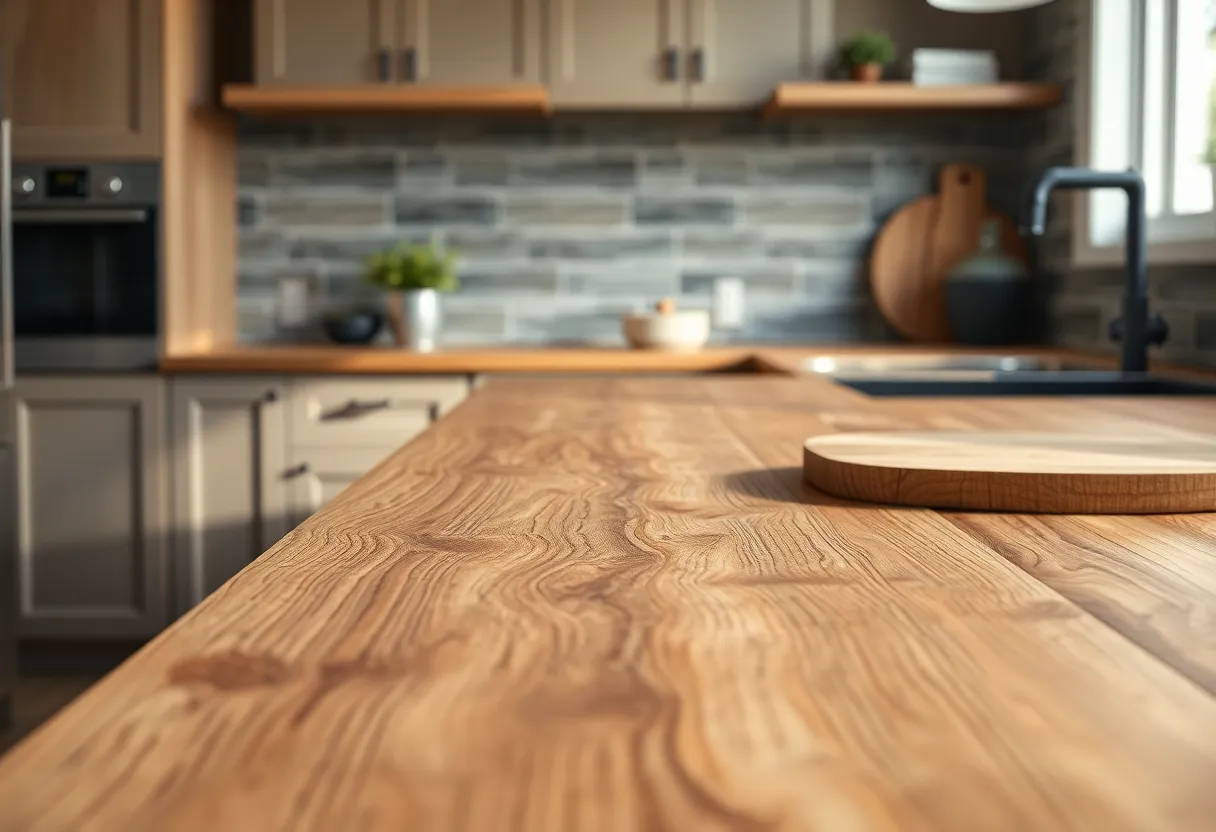
Reclaimed wood kitchen islands and accent cabinetry are some of the most striking applications -- a single island in aged barn oak or heart pine becomes the focal point of the entire room.
- Kitchen islands in thick-sawn reclaimed plank with live or sawn edges
- Accent cabinetry and statement built-ins in rustic modern interiors
- Bar and hospitality cabinetry with reclaimed timber faces
Thorough metal detection is required before machining -- a single nail in a cabinet face is a non-starter
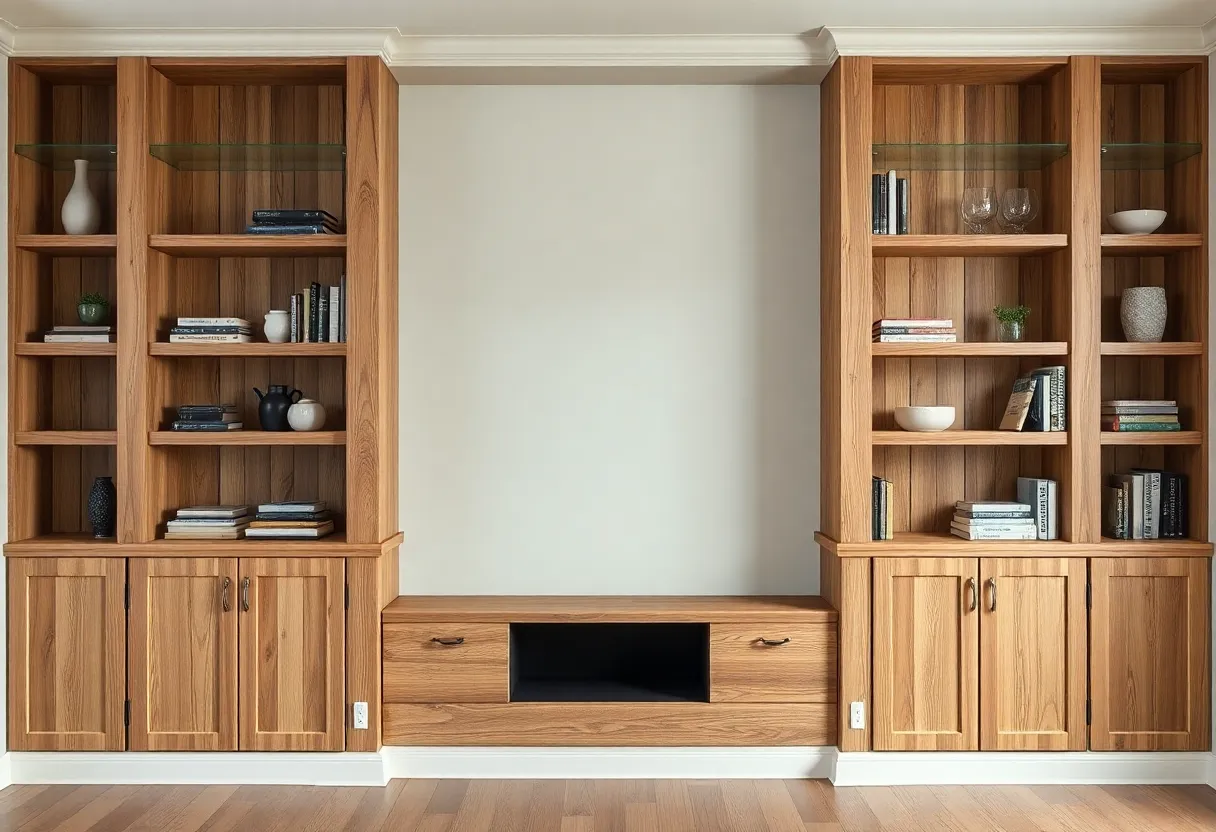
Floating shelves and open storage in reclaimed wood bring warmth and texture to kitchens, living rooms, and offices. The material's density makes it structurally sound for real shelf loads.
- Live-edge reclaimed wood floating shelves
- Industrial pipe bracket + reclaimed plank shelf systems
- Library and entertainment built-ins with reclaimed beam stock
Old-growth reclaimed wood shelves are stronger than new-growth equivalents of the same dimension
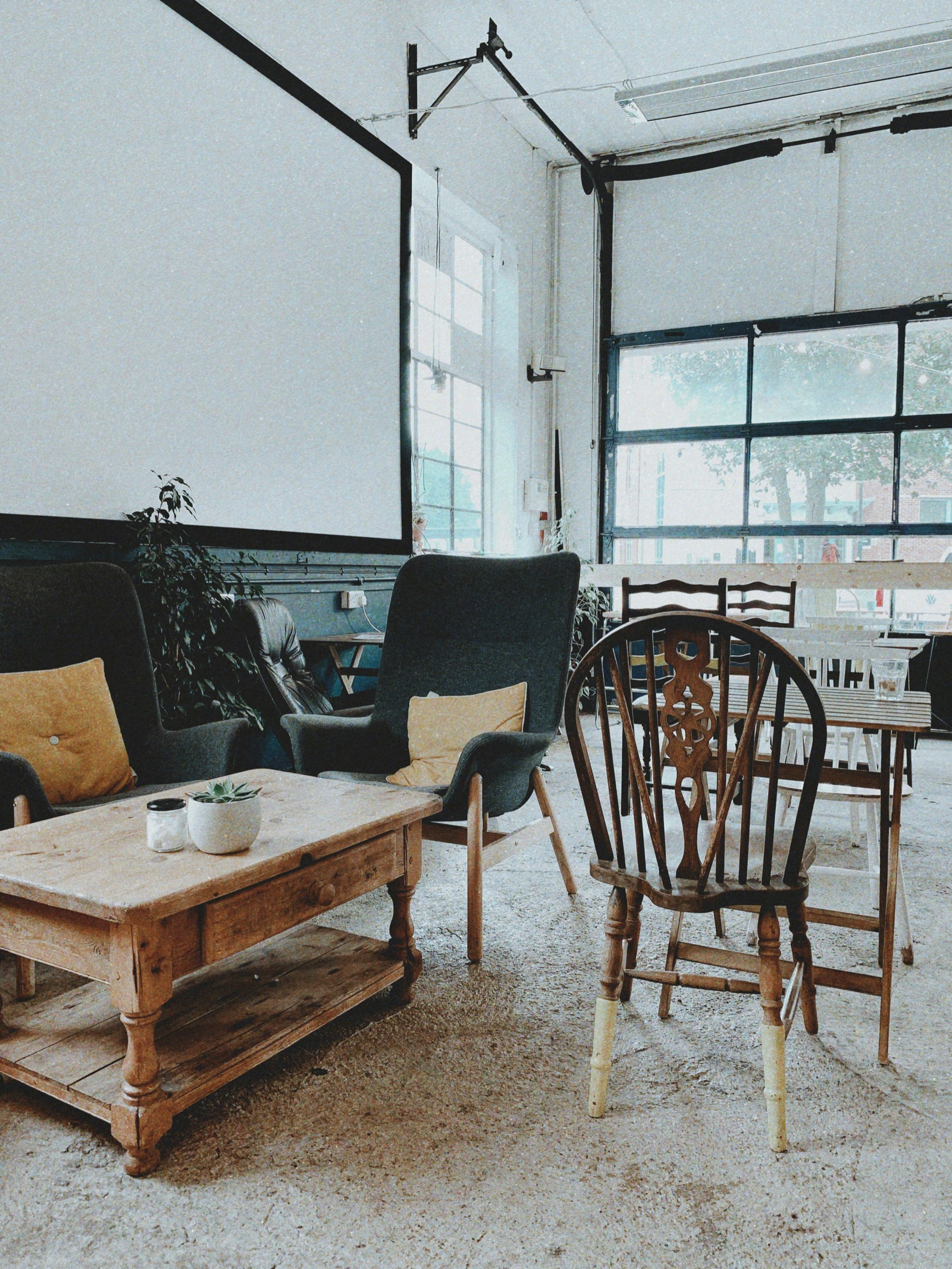
A reclaimed wood dining table is a conversation piece. The surface carries history -- nail holes, saw marks, weathered grain -- that makes the table uniquely irreproducible. No two reclaimed tables are exactly alike.
- Wide-plank barn wood dining tables with raw steel or iron bases
- Reclaimed timber trestle tables for farmhouse aesthetics
- Coffee tables and side tables with natural edge and character
Character marks (nail holes, checks, saw marks) are features, not defects -- they are why the wood is chosen
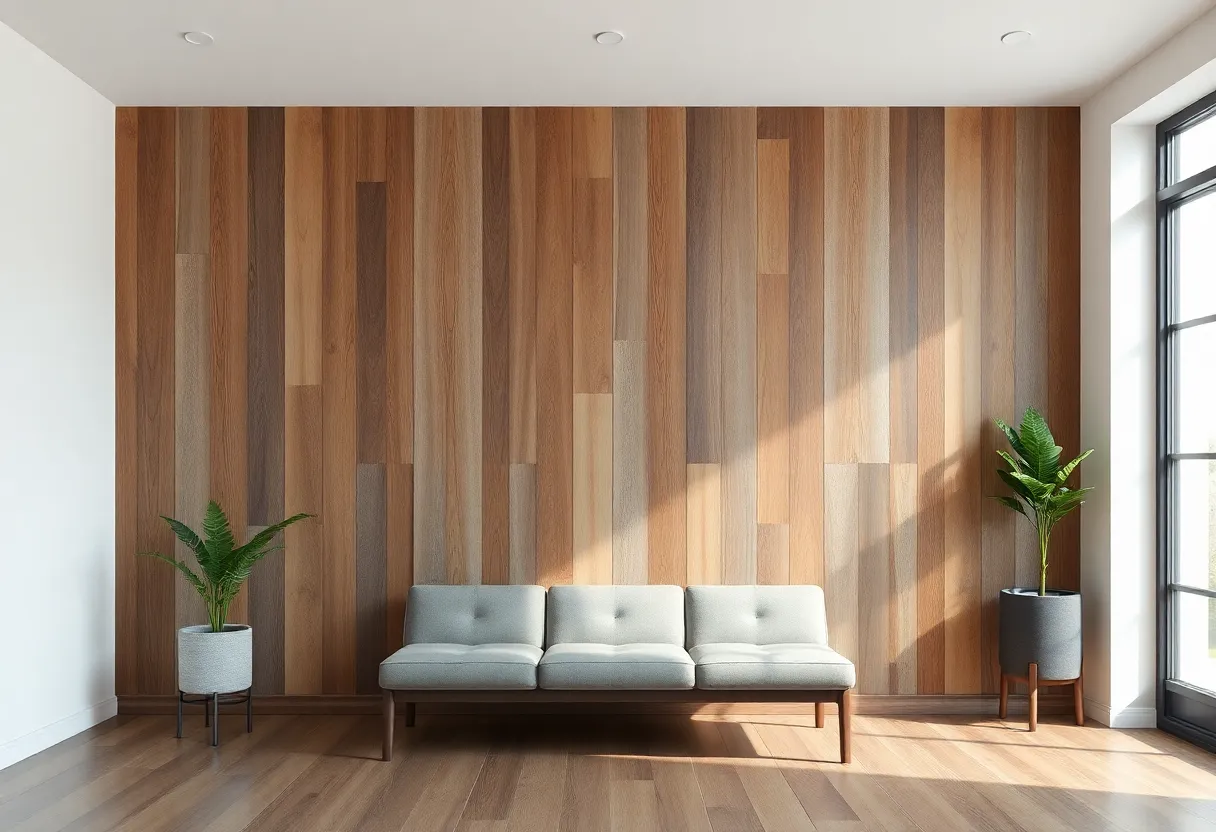
Reclaimed wood accent walls are the most accessible application -- they require modest material volume and create significant visual impact. The aged surface texture and color variation add depth that no new wood or tile can replicate.
- Horizontal shiplap and board-and-batten with barn wood character
- Reclaimed plank feature walls for hospitality and commercial interiors
- Mixed-width random-plank patterns for maximum rustic texture
Reclaimed accent walls should be kiln-dried before installation to prevent insect or mold issues
How Reclaimed Wood Cabinets and Furniture Are Constructed
Reclaimed wood requires more preparation than new lumber, but the construction methods are similar once the material is prepared.
Solid Reclaimed Construction
Full-thickness reclaimed boards used for visible surfaces and structural elements. Preparation includes metal detection, planing to consistent thickness, and selective culling for acceptable character level. The irregular nature of reclaimed stock requires more hand work than machining new lumber.
Best For
- Dining tables and furniture
- Countertops and island tops
- Beam and structural elements
Reclaimed Wood Cabinet Pros and Cons
Reclaimed wood is not for every project or every client. Its variability, preparation requirements, and premium cost are assets in the right context and problems in the wrong one.
Ideal For
- ✓Projects where aged character and material history are design goals
- ✓Industrial, rustic, farmhouse, and eclectic interior aesthetics
- ✓Clients who value sustainability and material provenance
- ✓Statement pieces where uniqueness and irreproducibility are the point
- ✓Thick-plank countertops, shelving, and furniture where density matters
May Not Be Ideal For
- –Projects requiring consistent color, dimension, or grain across all pieces
- –Painted applications -- the character marks and patina are wasted under paint
- –Budget-constrained projects -- reclaimed premium stock is significantly more expensive than new lumber
- –CNC-intensive profiles requiring dimensionally consistent material
- –Projects with tight timelines -- sourcing, preparing, and drying reclaimed material takes time
Reclaimed Wood vs New Hardwood Cabinets
Reclaimed wood and new hardwood are not direct substitutes -- each brings something different to a project. Here is how they compare for cabinetry, furniture, and interiors.
Reclaimed Wood vs White Oak
- New white oak is consistent in dimension, color, and grain -- reclaimed is variable
- Reclaimed wood has aged character that no new wood can replicate
- White oak is easier to source and prepare for machining
- Reclaimed oak (from barns and old buildings) may be old-growth with tighter grain than new white oak
Choose new white oak for dimensional consistency and reliable sourcing; choose reclaimed oak when aged character and material provenance are the design priority.
View White Oak →Reclaimed Wood vs Pine
- New pine is widely available, inexpensive, and dimensionally consistent
- Reclaimed heart pine has much tighter grain and is significantly denser than new pine
- New knotty pine can approximate the rustic look at a fraction of the cost
- Reclaimed pine commands a significant premium for authentic aged character
Choose new knotty pine for rustic aesthetic on a budget; choose reclaimed heart pine when density, tight grain, and authentic patina justify the premium.
View Pine →Reclaimed Wood vs Walnut
- Walnut has rich, consistent color and grain -- reclaimed wood is variable and aged
- Both are premium materials at premium prices
- Walnut is easier to machine precisely; reclaimed requires more preparation
- Reclaimed wood's character is irreplaceable; walnut's beauty is consistent and predictable
Choose walnut for precision-machined premium work; choose reclaimed wood when the aged material history and organic variation are the design goal.
View Walnut →How Much Do Reclaimed Wood Cabinets and Furniture Cost?
Reclaimed wood is typically considered a premium material due to sourcing complexity, preparation, and the labor required to work with highly variable boards.
Cost Impact by Construction Method
Material Cost
Reclaimed lumber runs $8-25 per board foot depending on species, grade, and source. Old-growth heart pine, antique oak, and rare species command the highest premiums.
Includes
- Barn wood and agricultural timber
- Industrial salvage timbers
- Urban deconstruction lumber
Best For
Statement Piece
A custom reclaimed wood dining table typically runs $3,500-9,000. Accent wall paneling runs $25-60 per square foot installed including material and labor.
Includes
- Material sourcing and preparation
- Metal detection and removal
- Hand work and selective culling
Best For
Full Room Built-In
Reclaimed wood built-in shelving, cabinetry, or a full accent wall package for a large room can run $15,000-40,000 depending on scope and species.
Includes
- Premium reclaimed material throughout
- Hand-fit and skilled labor
- Clear natural finish to preserve character
Best For
What Actually Drives Reclaimed Wood Cost
- ·Species -- heart pine and antique oak cost more than common barn wood pine
- ·Preparation -- metal detection, kiln drying, and milling add significant cost
- ·Grade -- boards with acceptable character marks vs. heavy checking or splits
- ·Source -- direct from deconstruction vs. from a reclaimed lumber dealer
Key Insight
The premium for reclaimed wood is mostly labor, not material. Sourcing, inspecting, metal detecting, drying, and milling reclaimed stock to usable dimensions takes 2-3 times longer than processing new lumber of the same volume.
Finishes & Design Guidance
Reclaimed wood is most commonly used in rustic modern interiors, hospitality spaces, and statement cabinetry where natural texture and aged character are key parts of the design. Its aesthetic is defined by time -- the patina, saw marks, nail holes, and weathered grain cannot be manufactured or applied. Every piece is unique.
Natural and Minimal Finish
A clear penetrating oil or minimal topcoat that preserves and protects the aged surface without obscuring it. The goal is to seal the wood while keeping the patina visible and the surface tactile.
Wire Brushed or Enhanced Texture
Wire brushing enhances the grain texture and removes soft wood cells from the surface, accentuating the natural grain structure. Combined with a penetrating oil, this finish emphasizes the wood's aged and handmade quality.
Dark Oil or Stain
A dark oil or stain on reclaimed wood deepens the color without hiding the underlying grain and character. This approach blends reclaimed wood aesthetics with a more intentional, deliberate design look.
Pro Tip
When sourcing reclaimed wood for a project, order 20-30% more material than you think you need. Character marks, checks, splits, and unusable sections reduce yield significantly compared to new lumber. The culls and off-cuts from a reclaimed wood project are a normal cost of working with salvaged material.
Design Pairings
Hardware
Companion Materials
Design Styles
Frequently Asked Questions
What is reclaimed wood and what makes it different from new-growth lumber?
How much does reclaimed wood cost compared to new lumber?
What are the challenges of machining reclaimed wood?
What is reclaimed wood best used for in custom projects?
Is reclaimed wood structurally sound for furniture and cabinetry?
How is reclaimed wood finished?
What species of reclaimed wood are most commonly available?
Can reclaimed wood be used outdoors?
Ready to Get Started?
Tap our network of partner CNC woodworking shops today. Submit your project details and get a competitive, best-match quote from specialists in your area.
Get a Quote