Hickory Cabinets, Furniture & High-Traffic Hardwood Applications
The hardest domestic hardwood -- built for rustic cabinetry, durable furniture, and high-traffic surfaces that last decades.
- Janka 1820 -- the hardest widely available domestic hardwood
- Dramatic heartwood-to-sapwood contrast is the defining visual character
- The go-to species for farmhouse kitchen cabinets, dining furniture, and rugged flooring
STEP · STL · IGES · DWG · DXF · PDF · and more
Uploads are secure & confidential
Why Hickory Is the Most Character-Driven Domestic Hardwood
Hickory is not a subtle wood. Its dramatic contrast between cream-colored sapwood and reddish-brown heartwood creates a visual boldness that no stain or treatment can replicate -- it is inherent to the species.
At Janka 1820, hickory is the hardest widely available domestic hardwood. This makes it exceptionally durable for kitchen cabinets, flooring, and furniture -- but also demanding to machine. Sharp carbide tooling, slower feed rates, and more frequent bit changes are part of working with hickory at scale.
Hickory belongs in farmhouse kitchens, mountain retreats, and hunting lodges. If you want wood that makes a statement and holds up to hard use for decades, hickory delivers.
How OpenSpindle works
We tap our partner network. You get the best-match quote.
Upload your part and we tap our network of partner shops to get you a competitive, all-in quote that is the best match for the job.
One upload
A CAD file or a sketch. That is the whole ask on your end.
Your best-match quote
Sourced from the partner shops set up for your exact part.
All-in, on your timeline
Machining, finishing, and shipping detailed to your turnaround.
Hickory Cabinets, Furniture & High-Traffic Applications
Hickory's extreme hardness and rustic character make it ideal for kitchen cabinetry, statement furniture, and high-traffic surfaces built to last decades without showing wear.
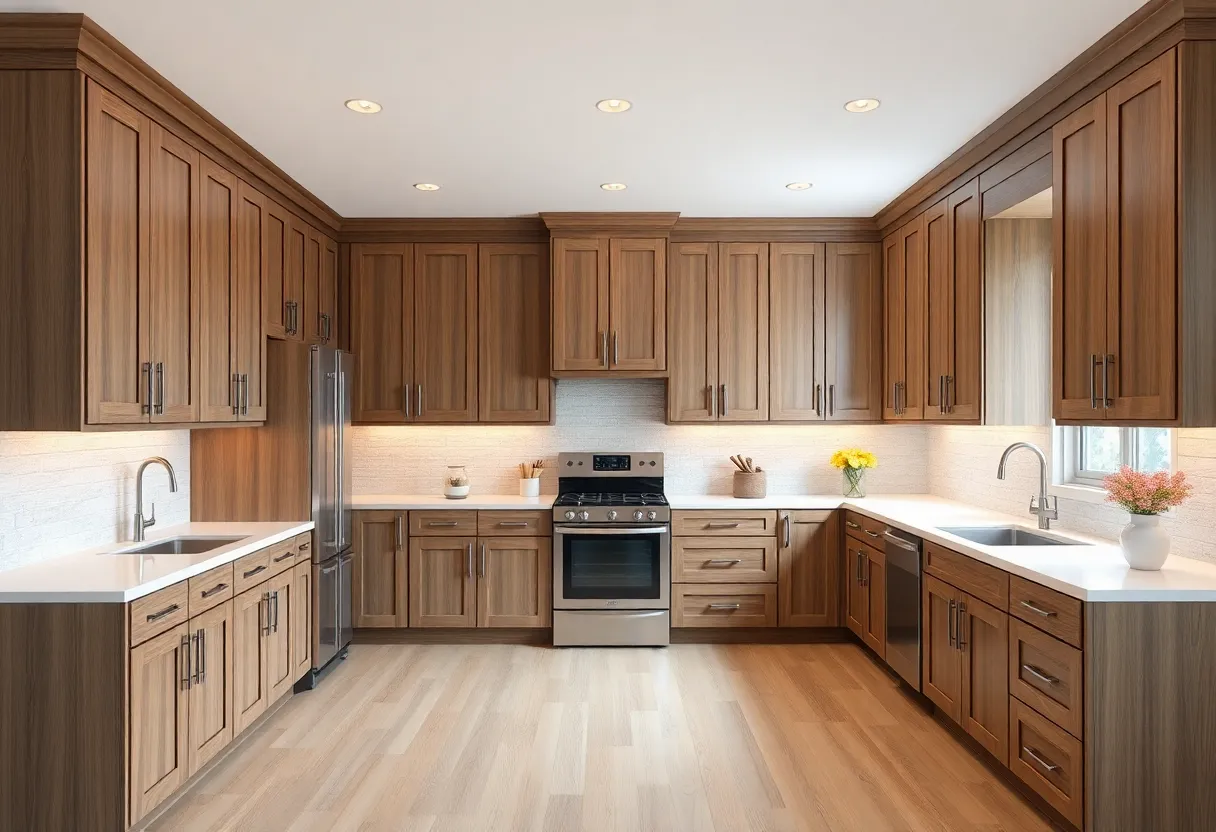
Hickory kitchen cabinets are a commitment to a specific aesthetic -- bold, rustic, and unmistakably wood. The natural heartwood-to-sapwood contrast creates a built-in pattern that makes every run unique.
- Natural finish lets the heartwood and sapwood contrast show fully
- Shaker and cathedral door profiles work well with the open grain
- Distressed and hand-scraped finishes enhance the farmhouse character
- Bathroom vanities and built-in cabinetry in matching rustic style
Most customers choose natural clear or lightly toned finishes on hickory cabinets
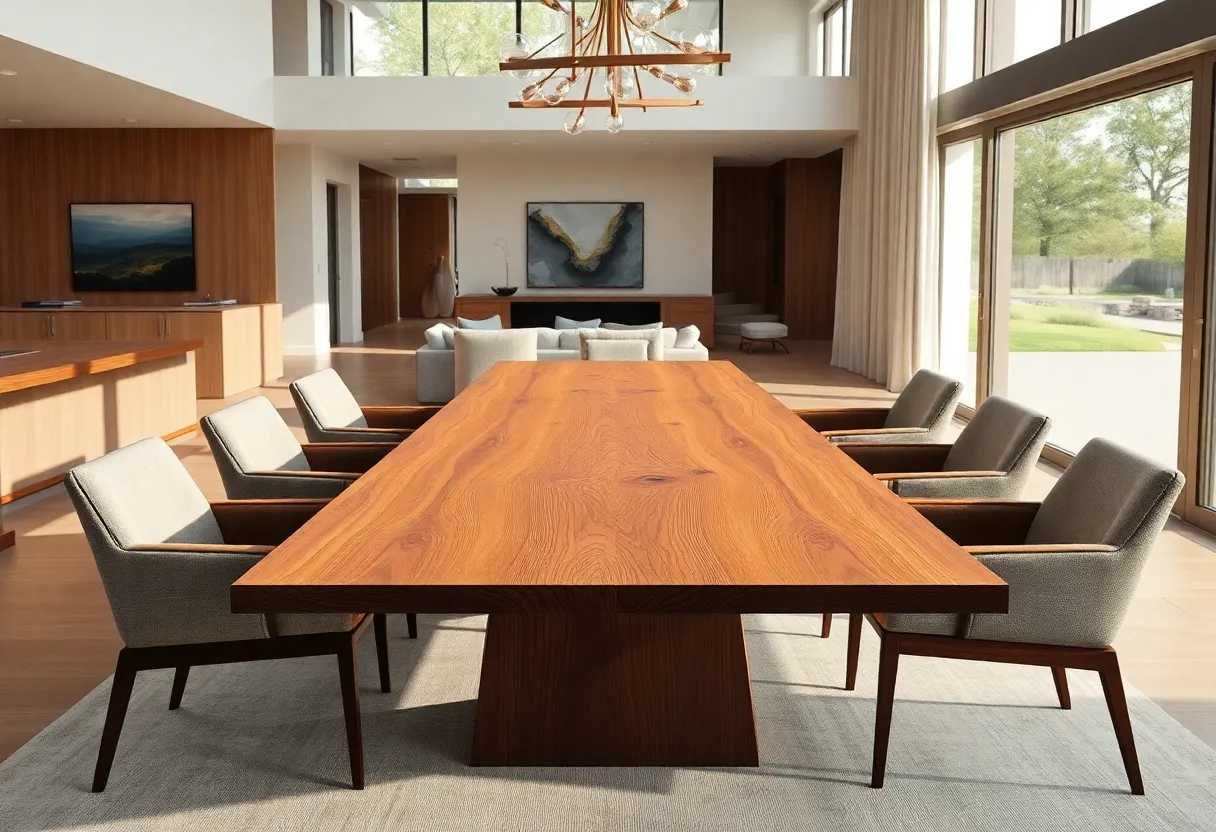
A hickory dining table is a centerpiece. The dramatic grain and natural color variation make every surface unique, and the hardness means it withstands decades of daily use.
- Solid slabs showcase natural color variation across the top
- Rustic or industrial base styles complement hickory's character
- Storage furniture, benches, and accent pieces in matching grain
Hickory dining surfaces benefit from periodic oiling to maintain warmth and protection
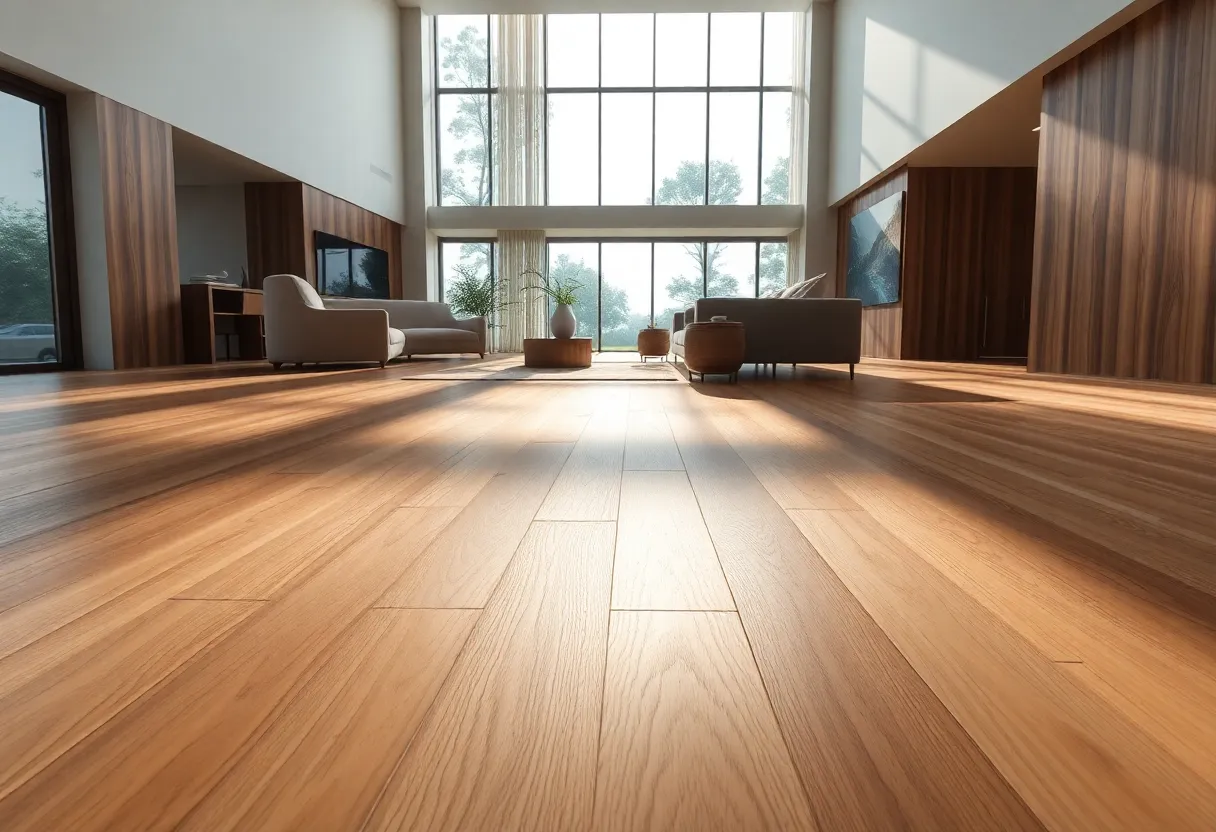
Flooring and High-Traffic Surfaces
Hickory flooring is one of the most durable options in domestic hardwood. Its hardness handles pet claws, heavy foot traffic, and furniture legs without significant surface damage.
- Strip and plank flooring in various widths
- Hand-scraped and distressed textures for rustic settings
- Engineered hickory for installations over concrete or radiant heat
Natural hickory color variation means no two sections of floor look the same
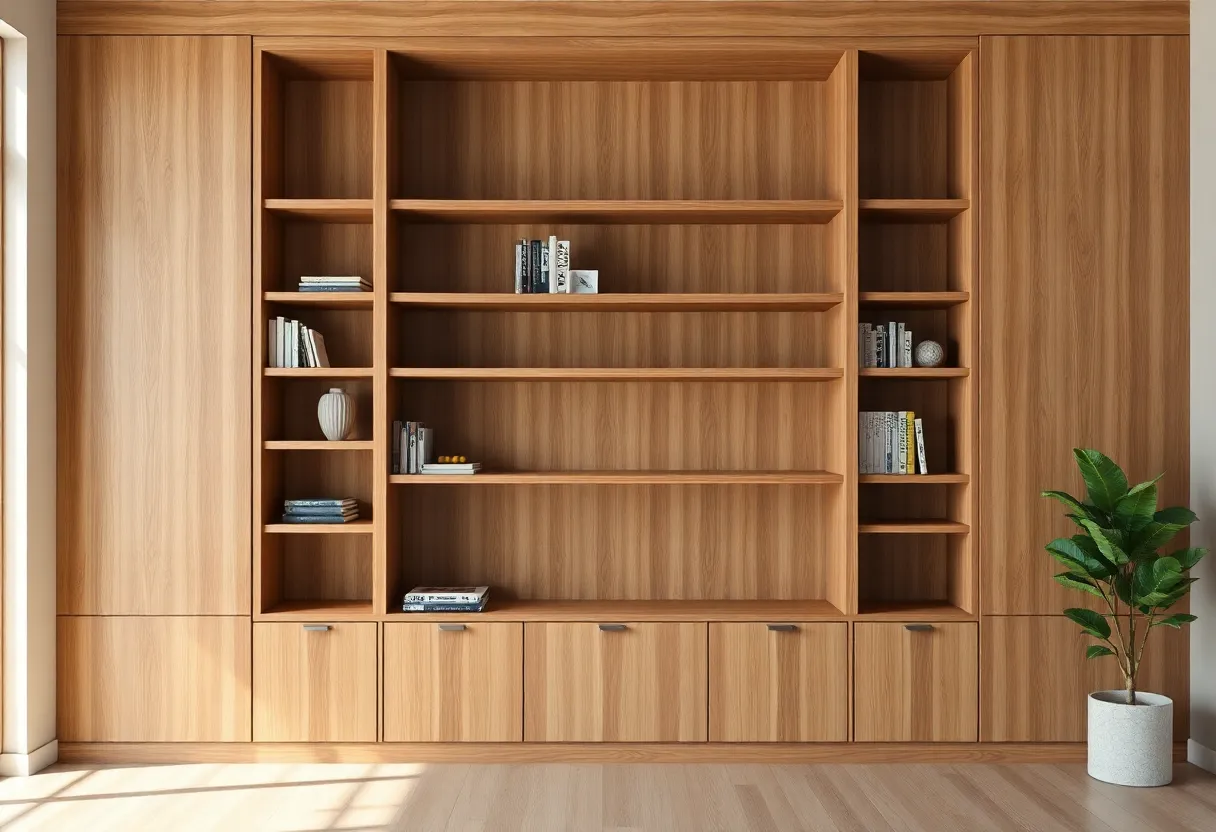
Hickory open shelving and built-ins add warmth and organic texture to rustic and transitional interiors. The wood's hardness means shelves hold heavy loads without visible sag.
- Floating shelves with live-edge or straight-cut options
- Bookcase surrounds with rustic character details
- Mixed open and closed storage combining hickory and painted elements
Hickory pairs well with black iron hardware and pipe brackets
How Hickory Cabinets and Projects Are Built
Hickory's extreme hardness influences every stage of fabrication. Solid construction is most common -- hickory veneer is available but rarely specified.
Solid Hickory
Solid hickory boards used throughout for structural and visible elements. Heavy and demanding to machine -- sharp carbide tooling and slower feed rates are required at every stage.
Best For
- Dining tables and furniture
- Face frames and door profiles
- Flooring and high-traffic surfaces
Is Hickory Good for Kitchen Cabinets?
Yes -- hickory is an excellent choice for rustic kitchen cabinets and high-durability furniture. Its extreme hardness delivers a long lifespan in high-use areas, with clear limitations for modern or paint-grade applications.
Ideal For
- ✓Extremely hard and durable -- resists denting, scratching, and wear better than oak or maple
- ✓Ideal for rustic, farmhouse, mountain, and lodge-style kitchen cabinetry
- ✓Long lifespan in high-use areas -- kitchen cabinets, dining furniture, and flooring
- ✓Spaces where dramatic grain variation is a design feature, not a defect
- ✓Clients who want a wood that looks handmade, individual, and unmistakably natural
May Not Be Ideal For
- –Not ideal for modern minimalist or contemporary interior styles -- hickory's boldness does not recede
- –Not paint-grade suitable -- hickory's grain and color variation are wasted under opaque paint
- –Heavy machining requirements -- requires sharp, regularly maintained carbide tooling
- –Projects requiring color consistency across all pieces -- hickory's variation is inherent
- –Delicate or fine decorative routing where grain reversal causes tearout
How Hickory Compares to Other Woods
Hickory is in its own category for hardness. The comparisons that matter most are around aesthetics, cabinetry suitability, and workability.
Hickory vs White Oak
- White oak (Janka 1360) is significantly softer and easier to machine for cabinetry
- White oak is more neutral in color; hickory has dramatic contrast
- White oak fits contemporary kitchens; hickory suits farmhouse and rustic settings
- Both are mid-tier in cost -- hickory may run slightly higher due to tooling demands
Choose hickory for rustic or farmhouse kitchen cabinets; choose white oak for contemporary or transitional settings.
View White Oak →Hickory vs Hard Maple
- Hickory (Janka 1820) is denser and harder than hard maple (1450)
- Hard maple is uniform in color and ideal for paint-grade cabinets; hickory is almost always natural-finish
- Hard maple machines more predictably for tight-tolerance cabinetry work
- Hickory's dramatic grain variation gives it far more visual character than maple
Choose hickory for rustic natural-finish cabinetry; choose hard maple for paint-grade or uniform-look applications.
View Hard Maple →Hickory vs Walnut
- Walnut (Janka 1010) is softer and significantly easier to machine
- Walnut's color is rich and consistent; hickory is light-to-dark with high contrast
- Walnut reads contemporary and premium; hickory reads rustic and American
- Walnut is typically 30-50% more expensive per board foot than hickory
Choose walnut for premium contemporary work; choose hickory for rustic applications where bold character is the point.
View Walnut →How Much Do Hickory Cabinets and Furniture Cost?
Hickory is commonly used in high-durability cabinetry and furniture where strength and longevity are more important than fine decorative refinement. Material cost is accessible -- labor runs higher due to machining demands.
Cost Impact by Construction Method
Material Cost
Hickory lumber runs $5-10 per board foot for select grades. Character-grade may run the same or slightly less.
Includes
- Select grade for consistent cabinetry projects
- Character grade for maximum rustic expression
- Engineered hickory for flooring applications
Best For
Hickory Kitchen Cabinets
A hickory kitchen typically runs $16,000-30,000 installed. Higher labor costs from machining demands offset the moderate material price.
Includes
- Custom fabrication with proper carbide tooling
- Natural or toned clear finish
- Standard hardware
Best For
Furniture-Grade Commission
Solid hickory furniture with hand-fit joinery and hand-rubbed oil finish is labor-intensive -- expect $35,000+ for a full dining set and cabinetry.
Includes
- Select solid hickory throughout
- Custom joinery and hand-fitting
- Oil or wax finish
Best For
What Actually Drives Hickory Cost
- ·Labor premium from machining a very hard species
- ·Tooling maintenance -- hickory requires more frequent bit replacement than oak or maple
- ·Grade selection -- character grade vs. select grade affects look and price
- ·Finish complexity -- natural oil vs. multi-step clear coat
Key Insight
Hickory's material cost is accessible, but the labor cost to work it well is not. Make sure your shop has experience with hickory -- improperly machined hickory shows tearout and burn marks that cannot be fixed after the fact.
Finishes & Design Guidance
Hickory has the most distinctive natural aesthetic of any domestic hardwood. Its dramatic light-to-dark contrast, irregular grain, and natural character marks create surfaces that look hand-selected and organic.
Natural and Clear Oil Finishes
A natural clear or hardwax oil finish lets hickory's dramatic color variation take center stage. The most common approach for hickory kitchen cabinets and dining furniture.
Toned and Amber Stains
A light amber or golden toner unifies hickory's color range slightly without hiding the grain variation -- useful when some consistency is desired across a cabinet run.
Distressed and Hand-Scraped
Mechanical or hand distressing enhances hickory's rustic quality. The finish is typically a penetrating oil or wax, keeping the tactile, lived-in character intact.
Pro Tip
Hickory's natural variation means no two boards match -- and that is a feature, not a flaw. Work with your shop to arrange boards in a balanced way, distributing the darkest heartwood and lightest sapwood across the visible faces of cabinetry and furniture.
Design Pairings
Hardware
Countertops
Design Styles
Frequently Asked Questions
What is hickory wood and why is it used in cabinetry?
How hard is hickory compared to other cabinet woods?
How much does hickory lumber cost?
What are the pros and cons of hickory cabinets?
What interior styles work best with hickory cabinets?
Does hickory finish and stain evenly?
Is hickory good for hardwood flooring?
How is hickory machined for custom cabinetry?
Ready to Get Started?
Tap our network of partner CNC woodworking shops today. Submit your project details and get a competitive, best-match quote from specialists in your area.
Get a Quote