Custom Stairs and Railings: Get a Free Quote from Partner Shops
No obligation. Get a competitive quote from 100+ partner CNC woodworking shops for custom stair treads, railings, balusters, newel posts, and complete staircase systems.
STEP · STL · IGES · DWG · DXF · PDF · and more
Uploads are secure & confidential
Project types
Specialties our network handles in this category.
Custom Stair Treads
Solid hardwood stair treads milled to exact dimensions with custom nosing profiles, species selection, and finish options.
Stair Railings
Complete railing systems including top rails, bottom rails, and mounting hardware in wood, metal, or mixed-material designs.
Balusters and Spindles
Turned, tapered, or contemporary balusters and spindles in any wood species, profile, and spacing configuration.
Newel Posts
Box newels, turned newels, and contemporary newel posts sized and styled to anchor your railing system.
Handrails
Wall-mounted and freestanding handrails in any profile, species, and finish, including ADA-compliant options.
Stair Risers
Matching or contrasting stair risers in solid wood, paint-grade MDF, or veneered panels for open or closed stringer designs.
Stair Nosing
Flush, overlap, and return nosing profiles for stair landings, open sides, and floor transitions.
Cable Railing Posts
Wood and metal posts engineered for cable railing systems, including pre-drilled and tensioning-ready options.
Estimate your project
Adjust the inputs to see a ballpark range. Get matched quotes when you're ready.
Custom stairs and railings define the character of an entryway, hallway, or multi-story living space more than almost any other architectural element. Whether you are a contractor building a new home, a remodeler upgrading a dated staircase, or a designer specifying statement-grade components, the right stair railing system sets the tone for the entire interior. Stock stair parts from big-box stores lack the profile variety, wood species selection, and dimensional precision that high-end residential and commercial projects demand.
OpenSpindle connects builders, contractors, and designers with partner CNC woodworking shops that specialize in custom stair treads, railings, balusters, newel posts, and complete staircase assemblies. Every shop in our network is evaluated for equipment capability, finishing quality, and delivery reliability before being listed.
Stair Treads and Risers Built to Spec
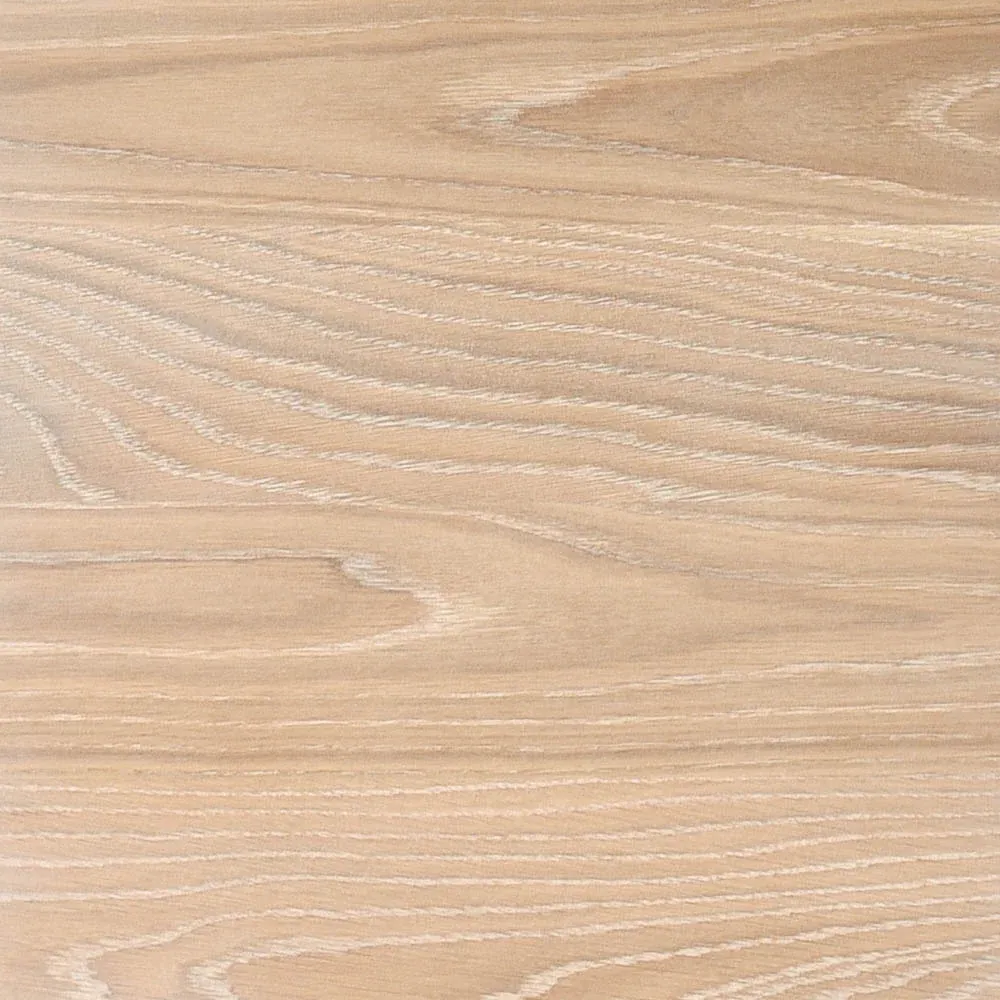
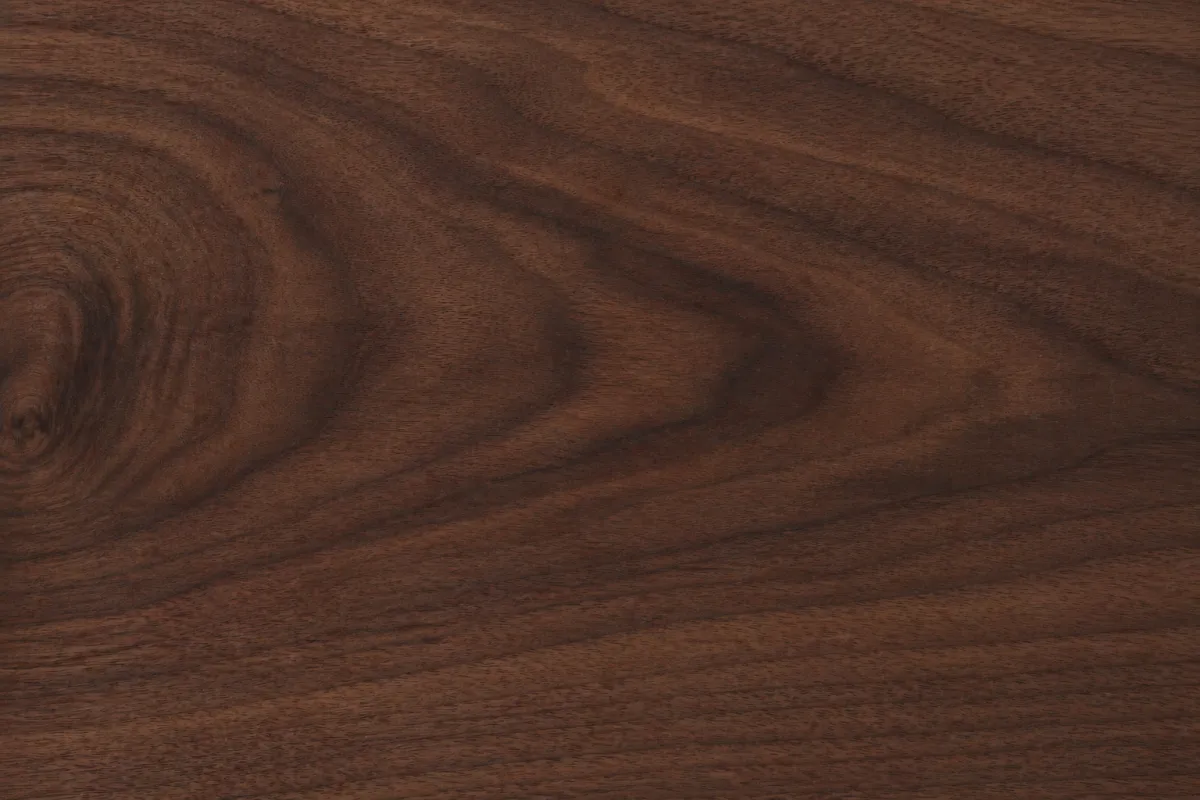
Stair treads take more abuse than any other millwork component in a home. Custom treads milled from solid hardwood, whether white oak, hickory, or walnut, deliver the durability and visual impact that prefab treads cannot match. CNC shops on OpenSpindle can produce treads in any width, depth, and nosing profile, with options for bullnose, pencil round, or square edge details. Matching risers and return nosing ensure a seamless, finished look on open-stringer staircases.
Railings, Balusters, and Newel Posts
The railing system is where design intent becomes most visible. From turned wood balusters and box newels to sleek cable railing posts and contemporary metal-and-wood combinations, our network shops handle it all. Provide your drawings or reference images, and receive quotes tailored to your exact specifications, including species, finish, and hardware.
Stair Treads: Material, Nosing, and Thickness
The stair tread is the most-touched surface in any staircase and the most visible from below. Tread thickness is typically 1 inch for a housed-stringer stair (where the tread sits in a routed groove) or 1.5 inches for a surface-applied tread on an existing rough stair. Nosing profile -- the front edge of the tread -- affects both safety and appearance. A square nosing has a clean modern look; a bullnose (half-round) or ogee nosing is more traditional. Return nosing (where the tread edge wraps around the open side of a cut stringer) is a detail that distinguishes custom from production stairs. Species selection for treads prioritizes hardness: white oak and hard maple are the standards, with walnut and cherry chosen for their appearance.
Railing Systems: Cable, Wood, and Mixed Materials
Railing systems define the safety and character of any staircase. Wood balusters in turned, square, or flat-panel profiles are the traditional choice and remain the most specified option for residential stairs. Cable railing (stainless steel horizontal or vertical cables in a wood post frame) has become a popular modern alternative that maintains sightlines while meeting code. Glass panel railings and mixed metal-and-wood systems appear in high-end architectural projects. CNC shops produce the wood components -- newel posts, top rails, balusters, and volutes -- and coordinate with metal fabricators for cable and glass systems.
Code Requirements and Structural Considerations
Custom stair fabrication must comply with the International Residential Code (IRC) or local code equivalents, which specify minimum tread depth (10 inches), maximum riser height (7.75 inches), minimum handrail height (34 to 38 inches), and maximum baluster spacing (4 inches maximum). CNC shops familiar with stair fabrication build to code dimensions by default. For renovations, the challenge is often bringing an existing stair into code compliance while preserving or improving its character. Shops can advise on which parameters are out of compliance and what changes are required.
Find Custom Stair Builders Near You
Sourcing stair components from reliable shops near you used to require trade-show connections and word-of-mouth referrals. OpenSpindle changes that. Submit a single quote request describing your project, and shops in your region, or willing to ship, respond with competitive pricing and lead times. Whether you need a single set of replacement treads or a full multi-story railing package, the process is the same.
What to Include in Your Stair Quote Request
For the most accurate quotes, include the number of treads and risers, tread dimensions, railing run lengths, baluster style preference, newel post design, wood species, and finish direction (stain-grade or paint-grade). Photos of the existing staircase or architectural drawings help shops identify structural considerations early.
Styles & construction
Our network of stair and railing shops can fabricate virtually any style, from traditional turned profiles to sleek contemporary systems, all built to your exact specifications and finish preferences.
Aesthetics
- Traditional
- Modern
- Transitional
- Craftsman
- Farmhouse
- Industrial
Construction types
Open Stringer
DurabilityCost$$$$$CustomizationStair treads extend beyond the stringer and are visible from the side, creating an airy, open look. Often paired with decorative balusters or cable railing for a statement staircase.
Best for: Modern and contemporary interiors, visible stair geometryClosed Stringer
DurabilityCost$$$$$CustomizationTreads are housed between two solid stringers, delivering a clean, finished look on both sides. Common in traditional homes and hallways where a more enclosed aesthetic is preferred.
Best for: Traditional interiors, high-traffic stairs, built to code for any applicationFloating / Cantilevered
DurabilityCost$$$$$CustomizationTreads are mounted to a concealed structural support, creating the appearance of floating steps. A bold contemporary choice that requires precise engineering and high-quality materials.
Best for: High-end modern and architectural staircases
Cost guidance
Typical project cost ranges — actual quotes vary by scope, materials, finish level, and shop.
- Budget$1,000 – $3,000Replacement stair treads, basic handrails, or paint-grade baluster sets for a single staircase. Standard profiles and species.
- Mid-Range$3,000 – $8,000Complete tread and railing package for a standard staircase, including custom newel posts, balusters, and stain-grade hardwood with professional finishing.
- Premium$8,000+Full custom staircase systems with premium species, curved or floating designs, cable railing, custom metalwork, and multi-story installations.
Typical Timeline
Total estimated time: 10 weeks
How OpenSpindle works
We tap our partner network. You get the best-match quote.
Upload your part and we tap our network of partner shops to get you a competitive, all-in quote that is the best match for the job.
One upload
A CAD file or a sketch. That is the whole ask on your end.
Your best-match quote
Sourced from the partner shops set up for your exact part.
All-in, on your timeline
Machining, finishing, and shipping detailed to your turnaround.
Frequently Asked Questions
How much do custom stairs and railings cost?
What materials are used for custom stair railings?
Do custom stair and railing fabricators handle installation?
What building code requirements apply to custom railings?
How long does it take to get custom stairs and railings fabricated?
What measurements do I need to provide for custom stair railings?
Can I get just custom stair treads without replacing the whole staircase?
What is the difference between a newel post and a baluster?
Ready to Get Started?
Tap our network of partner CNC woodworking shops today. Submit your project details and get a competitive, best-match quote from specialists in your area.
Get a QuoteRelated
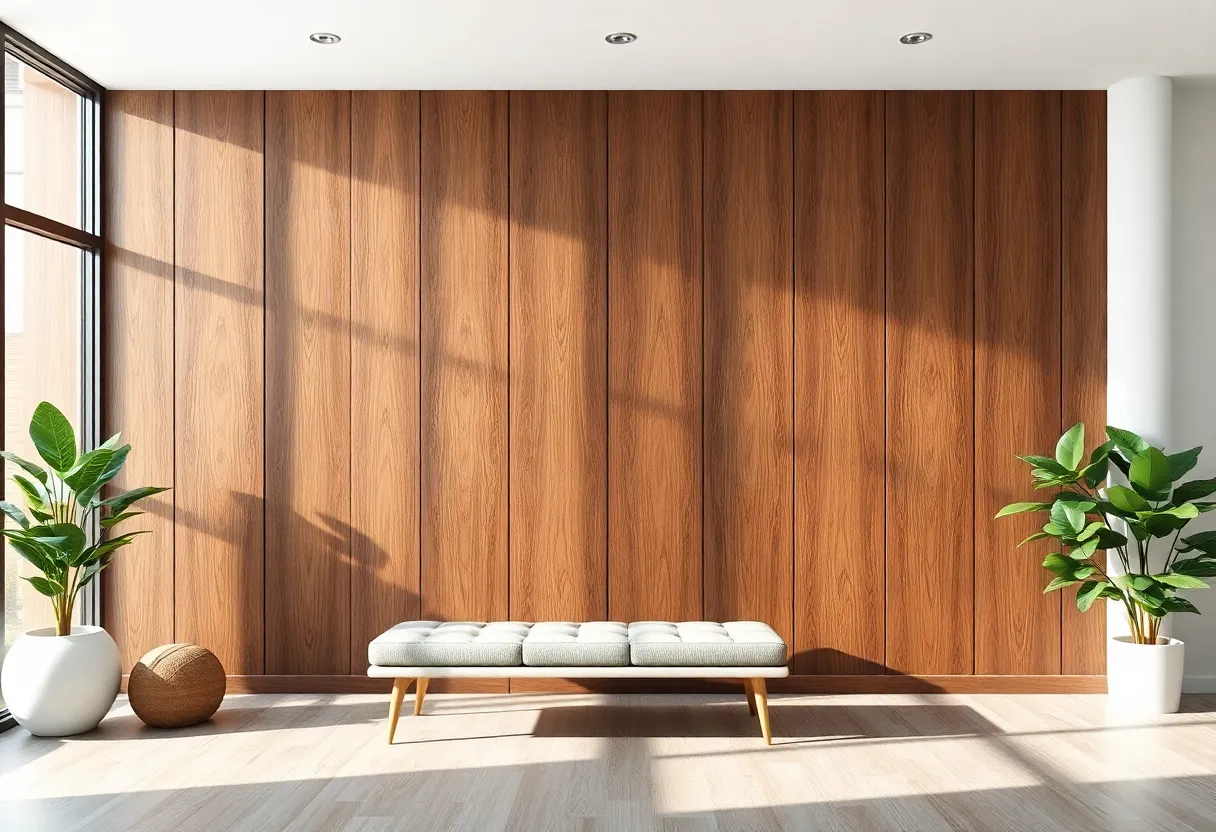
Custom Wall Panels, Wainscoting, and Slat Walls from Partner CNC Shops
Get a free quote from 100+ partner CNC shops for custom wall panels, wainscoting, shiplap, slat walls, and 3D panels. Wood accent walls built to spec.
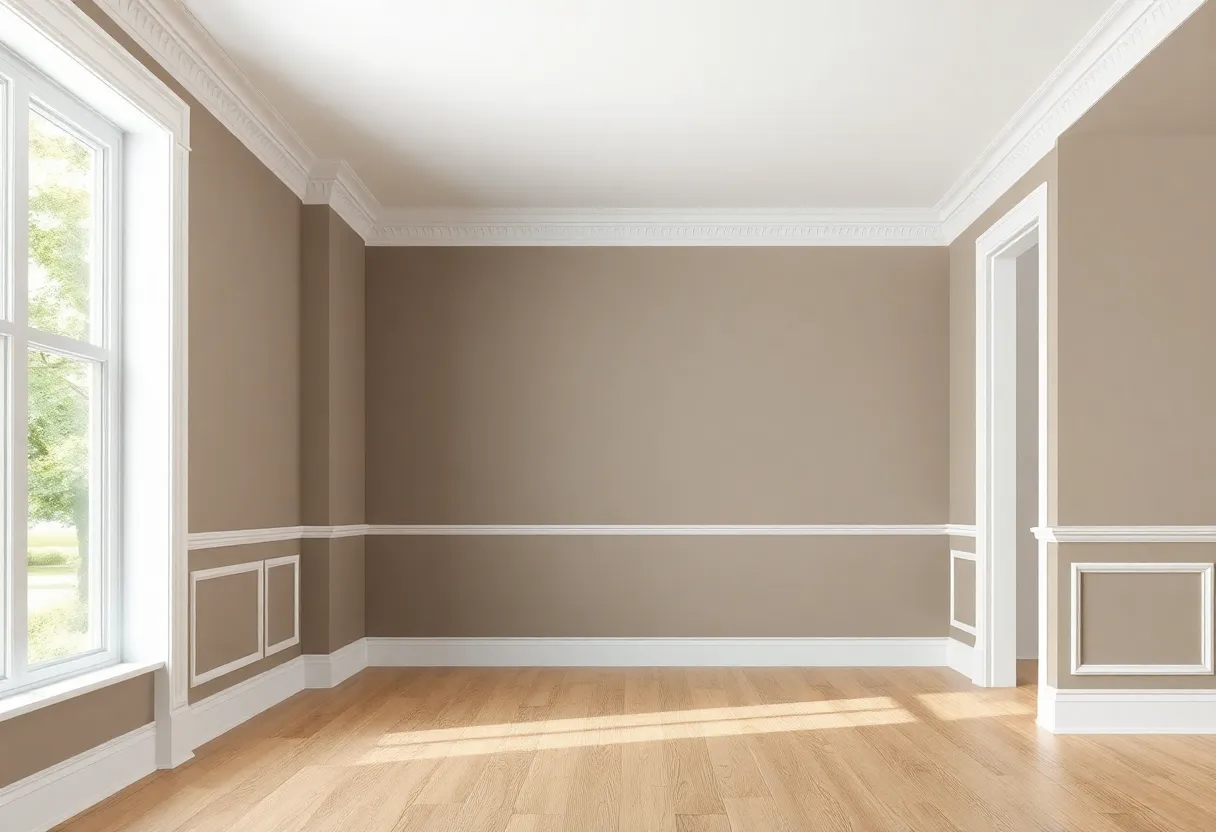
Custom Crown Molding, Baseboards, and Trim from Partner CNC Shops
Get a free quote from 100+ partner CNC shops for custom crown molding, baseboards, chair rail, casings, and decorative trim. Any species, any profile.
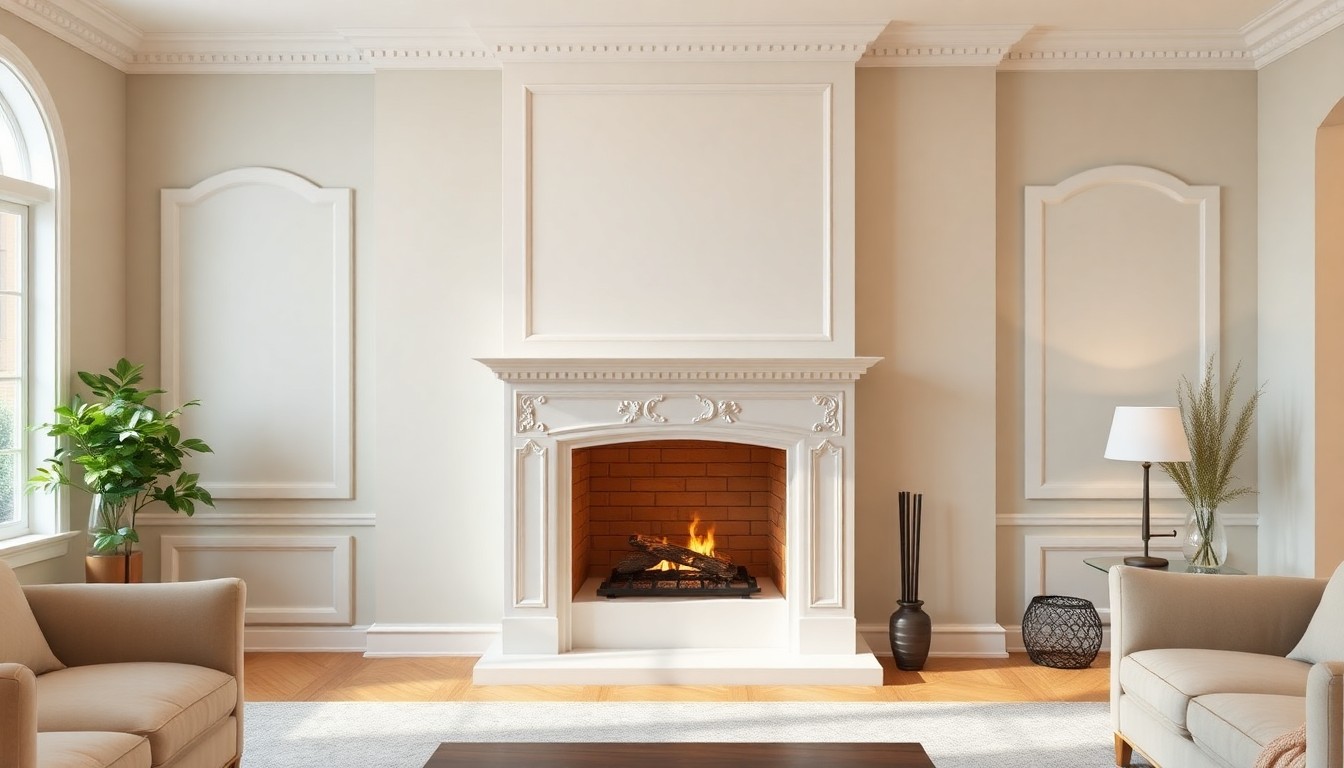
Custom Fireplace Mantels and Surrounds from Partner CNC Shops
Custom fireplace mantels and surrounds from 100+ partner CNC shops. Wood mantels, floating shelves, and full surrounds. Quotes in 48 hours, no obligation.
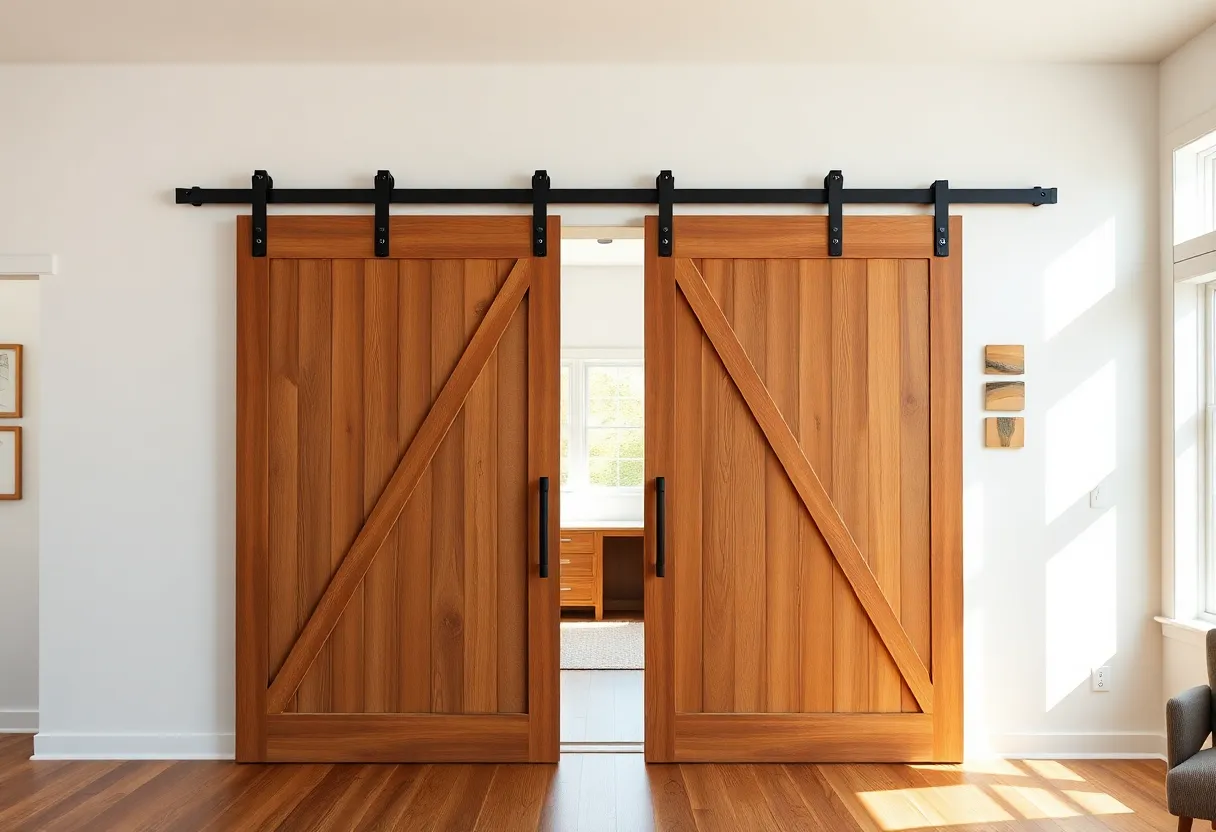
Custom Barn Doors and Interior Doors Built by Partner CNC Shops
Get a free quote from 100+ partner CNC shops for custom barn doors, sliding doors, French doors, and interior doors. Solid wood, any size, built to spec.