Custom Crown Molding, Baseboards, and Trim from Partner CNC Shops
No obligation. Get a competitive quote from 100+ partner CNC woodworking shops for custom crown molding, baseboards, chair rail, casings, and decorative trim profiles.
STEP · STL · IGES · DWG · DXF · PDF · and more
Uploads are secure & confidential
Project types
Specialties our network handles in this category.
Crown Molding
Custom crown molding profiles in any size, species, and complexity, from simple single-piece designs to elaborate multi-piece cornice assemblies.
Baseboards
Custom-profiled baseboards in any height and species, designed to coordinate with your project's overall trim package.
Chair Rail
Decorative and protective chair rail molding in traditional, transitional, and contemporary profiles for dining rooms, hallways, and wainscoting.
Window Casings
Custom window casing profiles, headers, and sill treatments that frame windows with precision and style.
Door Casings
Matching door casing sets with coordinated profiles, plinth blocks, and header treatments for interior and exterior doors.
Decorative Molding
Specialty molding profiles including dentil, egg-and-dart, rope, and acanthus leaf designs for high-end architectural detail.
Panel Molding
Wall panel molding for creating wainscoting, picture frame panels, and applied molding designs on flat walls.
Rosettes and Corner Blocks
Decorative rosettes and corner blocks that simplify casing installation while adding visual interest at door and window corners.
Plinth Blocks
Transition blocks at the base of door casings that create a clean junction between casing and baseboard profiles.
Estimate your project
Adjust the inputs to see a ballpark range. Get matched quotes when you're ready.
Custom molding and trim transform ordinary rooms into architecturally finished spaces. Crown molding, baseboards, chair rail, and window casings are the details that separate builder-grade construction from high-end residential and commercial interiors. For contractors, designers, and builders who demand profiles that stock lumber yards cannot provide, custom milled trim is the answer.
OpenSpindle connects you with partner CNC woodworking shops that specialize in custom molding and trim fabrication. From historically accurate reproduction profiles to sleek contemporary designs, our network shops have the tooling and expertise to produce any profile in any species, milled to your exact specifications.
Crown Molding That Fits the Room
Crown molding is the single most searched trim category, and for good reason. It bridges the wall-to-ceiling transition and sets the visual tone for the entire space. Stock crown profiles are limited in size, species, and detail. Custom crown molding from a CNC shop can be produced in any projection, drop, and profile complexity, from simple cove-and-ogee combinations to multi-piece built-up assemblies that create dramatic cornice effects.
Baseboards, Chair Rail, and Casings
Baseboards and chair rail are high-visibility trim elements that need to coordinate with the rest of the room's millwork. Custom baseboards allow you to specify height, profile, and material to match existing trim in a renovation or establish a new design language for new construction. Chair rail, window casings, and door casings can all be profiled to match, creating a cohesive interior that looks intentional from floor to ceiling.
Built-Up Molding Profiles: How Complexity Gets Made
Complex molding profiles -- the kind you see in traditional and formal interiors -- are rarely produced as single pieces. Instead, they are built up from multiple simpler profiles stacked and nailed together. A large crown molding cornice, for example, might combine a bed molding, a cove molding, a flat frieze board, and a cap molding, assembled in layers to create a profile that would be impossible or impractical to route in a single pass. CNC shops produce each component to exact dimensions and provide assembly instructions. Built-up molding allows shops to use standard or custom-routed stock and combine them into profiles of any complexity, scale, or period character.
Matching Existing Molding: The Renovation Challenge
One of the most common custom molding requests is replication: a homeowner is renovating a historic property and needs to match existing crown or baseboard profiles that have been discontinued. CNC shops can replicate almost any existing molding profile. The process requires either a physical sample of the existing molding (which the shop measures to create a matching router bit or CNC toolpath) or a detailed cross-section drawing. Matching profiles are important in renovations where the new work must blend seamlessly with original molding runs that are visible in adjacent rooms or along the same wall.
Exterior Molding and Trim Applications
Custom molding and trim is not limited to interior applications. Exterior trim -- corner boards, frieze boards, fascia, window and door casings -- benefits from the same CNC precision as interior work. Exterior molding is typically produced in rot-resistant species (cedar, redwood, or treated pine) or cellular PVC, which provides a painted finish alternative that is dimensionally stable in exterior conditions. Shops producing exterior trim can coordinate the profile to match interior trim for a consistent architectural language throughout the project.
Find Custom Trim Shops Near You
Sourcing custom molding profiles near you used to mean hunting for local millwork houses or settling for whatever the lumber yard stocked. OpenSpindle streamlines the process. Submit a single quote request with your profile specifications, and shops in your region, or willing to ship, respond with pricing, lead times, and capability details. Compare on your terms with no obligation.
What to Include in Your Trim Quote Request
For the most accurate quotes, provide profile drawings or reference photos, total linear footage needed, wood species and finish direction (paint-grade or stain-grade), and any special details like plinth blocks, rosettes, or corner blocks. If you are matching existing trim, include a cross-section photo or physical sample dimensions.


Styles & construction
Our network of molding and trim shops can produce virtually any profile you need, from historically accurate reproductions to clean modern designs, all milled to your exact dimensions and species preferences.
Aesthetics
- Traditional
- Colonial
- Modern
- Transitional
- Craftsman
- Victorian
Construction types
Solid Wood (Stain-Grade)
DurabilityCost$$$$$CustomizationMolding milled from solid hardwood for stain or clear-coat finishes. Showcases the natural grain and character of the species, ideal for white oak, walnut, and other premium woods.
Best for: Stained and natural finish projects, furniture-grade interiorsPaint-Grade (Poplar/MDF)
DurabilityCost$$$$$CustomizationMolding milled from poplar or MDF for painted finishes. MDF delivers a perfectly smooth surface free of grain telegraphing, while poplar offers solid-wood workability at a lower price point.
Best for: Painted interiors, high-volume production, budget-conscious projectsBuilt-Up / Multi-Piece
DurabilityCost$$$$$CustomizationLarge-scale profiles assembled from multiple individual molding pieces layered together. Used for dramatic crown cornice assemblies, mantels, and architectural headers where a single profile cannot achieve the desired scale.
Best for: Crown molding runs, complex profiles, traditional and formal interiors
Cost guidance
Typical project cost ranges — actual quotes vary by scope, materials, finish level, and shop.
- Budget$500 – $2,000Paint-grade MDF or poplar trim for a single room, including baseboard, casing, and basic crown molding. Standard profiles and straightforward installation.
- Mid-Range$2,000 – $5,000Whole-home trim packages in stain-grade hardwood or premium paint-grade, including crown, baseboard, casing, and chair rail with coordinated profiles.
- Premium$5,000+Custom reproductions, multi-piece built-up crown assemblies, decorative molding with carved details, and large-scale residential or commercial projects requiring thousands of linear feet.
Typical Timeline
Total estimated time: 8 weeks
How OpenSpindle works
We tap our partner network. You get the best-match quote.
Upload your part and we tap our network of partner shops to get you a competitive, all-in quote that is the best match for the job.
One upload
A CAD file or a sketch. That is the whole ask on your end.
Your best-match quote
Sourced from the partner shops set up for your exact part.
All-in, on your timeline
Machining, finishing, and shipping detailed to your turnaround.
Frequently Asked Questions
How much does custom molding and trim cost?
What materials are used for custom trim and molding?
Can a shop match a discontinued or existing trim profile?
What is the difference between MDF and solid wood molding?
How do I specify a custom trim profile for a quote?
How long does it take to get custom molding made?
What is the minimum order quantity for custom molding?
Can custom trim be made for curved walls?
Ready to Get Started?
Tap our network of partner CNC woodworking shops today. Submit your project details and get a competitive, best-match quote from specialists in your area.
Get a QuoteRelated

Custom Wall Panels, Wainscoting, and Slat Walls from Partner CNC Shops
Get a free quote from 100+ partner CNC shops for custom wall panels, wainscoting, shiplap, slat walls, and 3D panels. Wood accent walls built to spec.
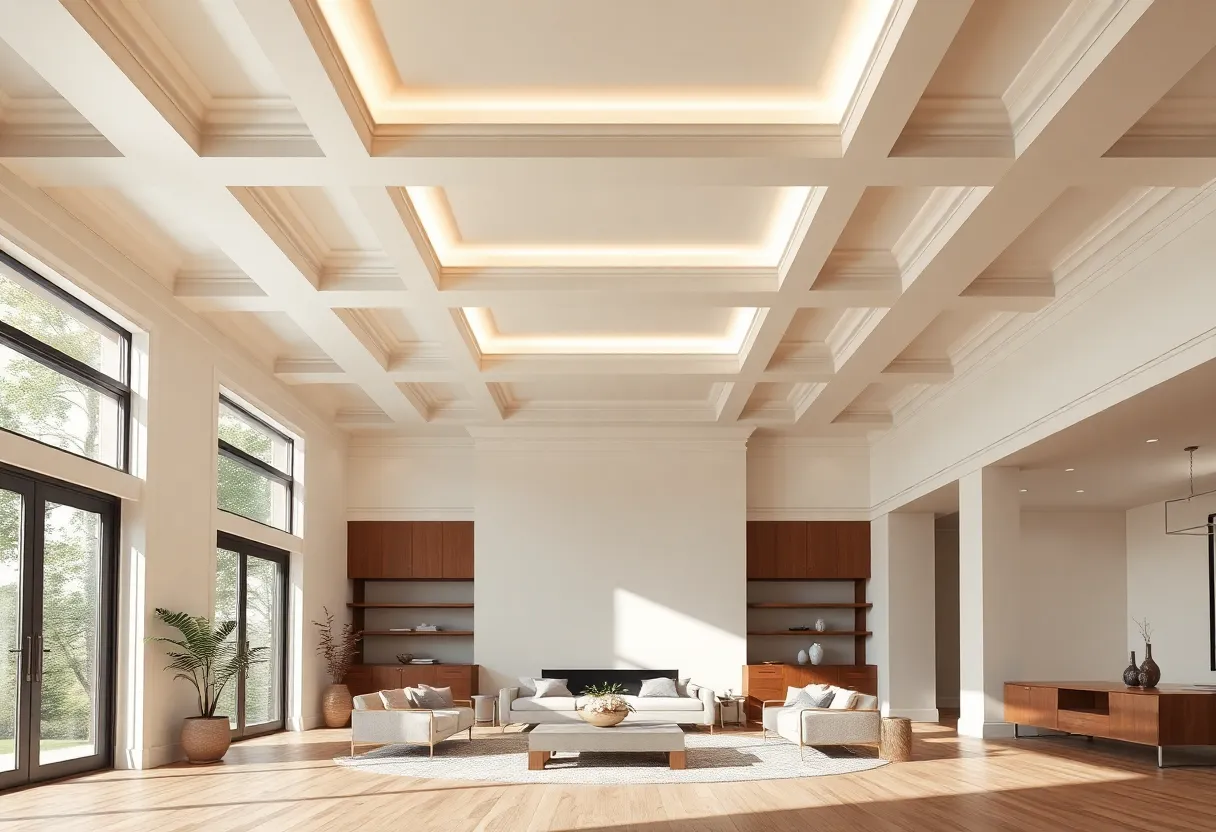
Coffered Ceilings, Faux Beams, and Shiplap Ceiling Systems
Get a free quote from 100+ partner CNC shops for coffered ceilings, faux beams, shiplap, and tongue and groove ceiling planks. Any species, any finish.
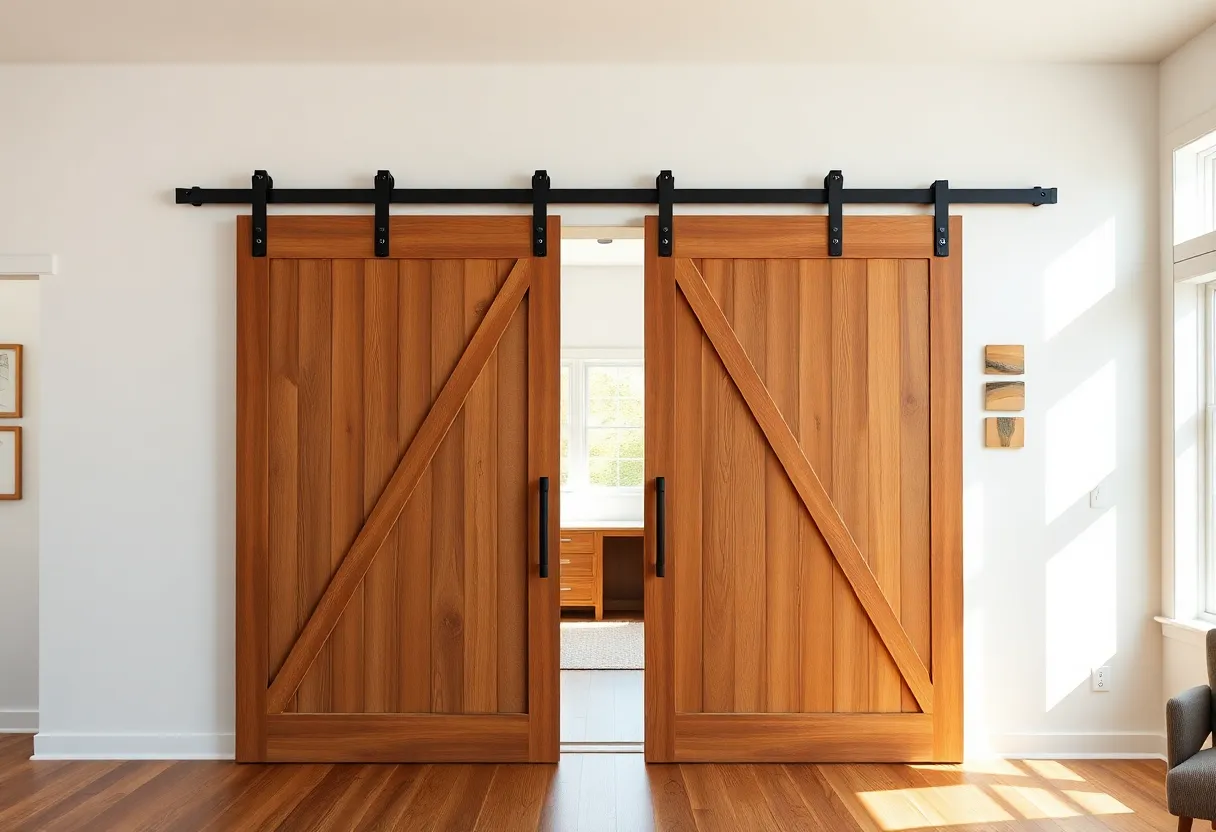
Custom Barn Doors and Interior Doors Built by Partner CNC Shops
Get a free quote from 100+ partner CNC shops for custom barn doors, sliding doors, French doors, and interior doors. Solid wood, any size, built to spec.
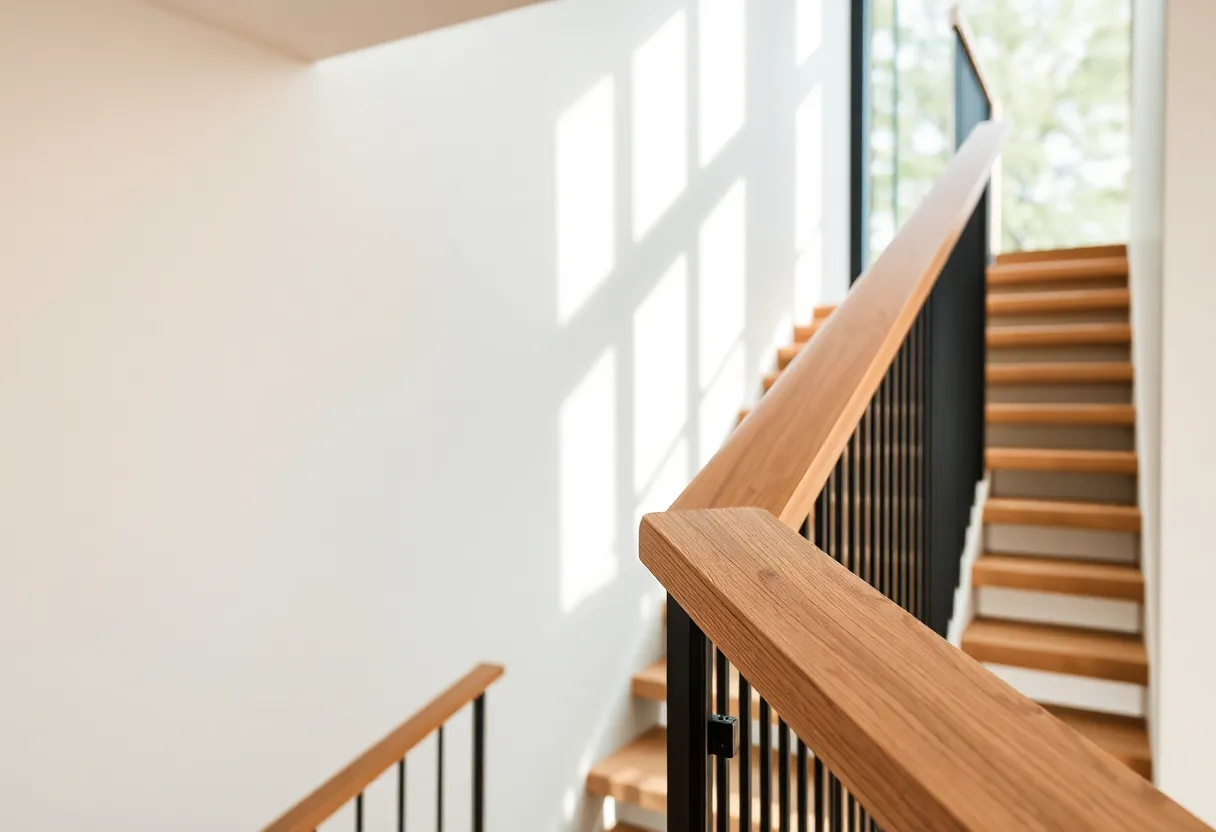
Custom Stairs and Railings: Get a Free Quote from Partner Shops
Get a free quote from 100+ partner CNC shops for custom stair treads, railings, balusters, and newel posts. Any species, any style, quotes in 48 hours.