Custom Drawer Boxes: Dovetail, Plywood, and Solid Wood Built to Spec
Compare free quotes from 100+ partner CNC shops for dovetail drawer boxes, plywood drawer boxes, melamine boxes, and solid hardwood drawer systems. Any joinery, any material, any slide spec. Built to your exact dimensions.
STEP · STL · IGES · DWG · DXF · PDF · and more
Uploads are secure & confidential
Project types
Specialties our network handles in this category.
Dovetail Drawer Boxes
Half-blind dovetail drawer boxes in solid maple, birch, or oak. The premium standard for high-end kitchen and bath cabinetry, with mechanically interlocked joints that require no corner fasteners.
Plywood Drawer Boxes
Baltic birch or maple-core plywood drawer boxes with locking-rabbet, dado, or box joint corners. The mid-range production standard: strong, moisture-resistant, and compatible with any slide system.
Solid Hardwood Drawer Boxes
Drawer boxes in solid maple, oak, birch, or beech for furniture-grade cabinetry. Ideal for dovetail and box joint construction, with superior screw-holding and impact resistance.
Melamine Drawer Boxes
Melamine-on-particleboard or MDF drawer boxes with doweled or rabbet corners. Clean wipeable interiors in white, grey, or wood-tone melamine for frameless and European-style systems.
Soft-Close Drawer Boxes
Drawer boxes built to spec for undermount soft-close slide systems, including the required rear notch, drill pattern, and precise side clearances for a clean, hardware-free appearance.
Deep and Pot Drawer Boxes
Heavy-duty deep drawer boxes for pots, pans, and pantry storage. Built with thicker sides, reinforced captured bottoms, and full-extension hardware rated for heavy loads.
Inset Drawer Boxes
Precision-built drawer boxes for inset cabinetry where the front sits flush within the face frame. Requires tighter tolerances and furniture-grade construction.
Box Joint Drawer Boxes
Finger-joint drawer boxes with interlocking square fingers that express the joinery visually at the drawer corners. Structurally excellent and popular in furniture-grade and exposed applications.
Estimate your project
Adjust the inputs to see a ballpark range. Get matched quotes when you're ready.
Custom drawer boxes are one of the most sourced cabinet components in the woodworking and cabinetry trade. Whether you are a cabinet shop looking to outsource box production, a designer specifying a full kitchen package, or a contractor sourcing replacement components for a renovation, the choices you make about joinery, material, bottom construction, and slide compatibility define the long-term performance of every drawer in the project. OpenSpindle connects you with CNC shops that specialize in custom drawer box production at any volume and specification level.
Drawer Box Joinery: Choosing the Right Corner Joint
Corner joinery is the backbone of drawer performance under daily racking loads. The right joint depends on your target price point, the material you are working with, and the desired visual quality level.
For value and utility lines, butt joints and dado/rabbet joints are the production standard. A butt joint sandwiches the front and back between the sides and fastens them with screws, nails, staples, or confirmats. It is fast, low-cost, and widely used in RTA and builder-grade cabinetry. Dado and rabbet joints introduce a shallow groove or step cut into the sides, which increases glue surface and mechanical registration significantly compared to a plain butt. This is common for plywood and melamine boxes where speed and solid strength both matter.
The locking rabbet (or lock joint) refines this further, creating interlocking shoulders between the front/back and sides that produce a self-squaring corner with more long-grain glue area. It is the most popular choice for mid-range custom shops that want meaningfully stronger drawers without the cost and cycle time of dovetails. Pocket-screw and doweled constructions offer comparable performance in their respective applications: pocket screws suit custom shops and site-built cabinets where flexibility and speed matter, and doweled joints suit melamine and MDF systems where automated boring and insertion are standard.
At the premium end, the half-blind dovetail is the recognized benchmark for high-end custom kitchens. The dovetail joins the side into the front with the angled pins concealed from the face, so the joint is only visible from the side when the drawer is open. It is mechanically interlocked, requires no fasteners at the corner, and carries significant perceived-quality value. When marketing copy says "solid wood dovetail drawers," this is the joint being referenced. The box (finger) joint is a structurally excellent alternative that expresses the joinery visually at the corner, popular in furniture-grade work where the joint itself is a design detail.
Drawer Bottom Construction
Bottom attachment strongly affects durability, usable internal depth, and repairability. There are three main approaches.
Applied bottoms are nailed or stapled to the underside of the box, usually in hardboard, melamine, or thin plywood. This method is fast and inexpensive, and it gives the full internal height because there is no groove consuming space above the lower edge. The tradeoff is that applied bottoms rely on staples and edge material quality and are more prone to sagging on wide or heavily loaded drawers.
Captured bottoms are the quality standard for mid-range and above. A groove is plowed around all four sides (or three sides, with the back notched for later replacement), and the bottom panel is slid into place before assembly. This mechanically locks and supports the bottom on all edges, dramatically improving resistance to racking and sag. You lose a small amount of internal height where the groove sits above the lower edge, but the structural and perceived quality improvement is significant, particularly with wider drawers carrying real loads.
Drawer slips are a traditional fine-furniture technique where narrow strips glued to the side walls carry the groove for the bottom, so the main side remains full thickness and more wear-resistant. This is seen in heirloom casework and reproduction furniture where long-term serviceability and traditional craft practice matter more than production speed.
Drawer Box Materials
Material choice drives cost, which joinery is practical, and long-term performance.
Solid hardwood sides (typically 1/2 to 5/8 inch thick in maple, birch, beech, or oak) with a plywood or solid bottom are the premium option. Solid hardwood offers excellent screw-holding, impact resistance, and quality perception, and it is the ideal substrate for dovetail construction. Hard maple is the most common species for drawer boxes due to its hardness, tight grain, and clean machining.
Plywood (typically 1/2 or 5/8 inch Baltic birch or maple-core for sides, 1/4 to 1/2 inch for bottoms) gives good strength, reasonable moisture resistance, and lighter weight than particleboard. It works well with rabbets, dados, locking rabbets, and box joints, and it is the standard substrate for mid-range custom cabinet production. The cross-laminated ply structure resists movement better than solid wood in high-humidity environments.
Melamine on particleboard or MDF gives a clean, wipeable interior in multiple colors and patterns at a lower cost than hardwood or plywood. It is common in frameless European-style systems that use dowels, confirmats, and groove-based bottoms rather than traditional dovetails. Edge banding is required on all exposed raw edges.
Metal drawer systems (steel or aluminum side members with proprietary backs and bottom clips, paired with matching undermount slides) allow slim side profiles, integrated soft-close, and easy depth and height adjustments. They are popular in contemporary kitchens where the hardware itself is a design element and the goal is a clean, tool-free assembly.
Drawer Fronts: Integral vs. Applied
The front is what end users see every time they open a drawer, but it also determines how the box is built and how the installation tolerances work.
Integral fronts, where the drawer front and the box front are the same piece, are typical for standalone furniture and exposed drawer boxes. The joinery (dovetails or box joints) shows at the corner as a design feature. Applied or false fronts are the production standard for kitchen and bath cabinetry: the functional box is built plain and a decorative front is screwed on from the inside after installation. This simplifies reveals, allows easy front replacement without disturbing the hardware, and is the spec you will use in virtually every production cabinetry context.
Drawer front overlay options include inset (flush within the face frame, requiring tighter tolerances and reading as furniture-grade), partial overlay (the front overlaps the frame with visible reveals, typical of framed North American cabinetry), and full overlay (the front covers most or all of the frame, standard in frameless and contemporary designs for a cleaner, grid-based appearance).
Slide Compatibility and Hardware Prep
The slide system you specify determines clearances, box width, and specific fabrication requirements that the shop needs to know before cutting.
Side-mount ball-bearing slides are the most common, cost-effective, and tolerance-forgiving option. They mount to the cabinet sides and drawer sides and are visible when the drawer is open. They accommodate a wide range of bottom constructions and are the right call for utility, rental, and mid-range applications.
Undermount soft-close slides are the standard for mid-to-high-end kitchens. They mount beneath the drawer and require a notch and drill pattern at the rear of the box, plus precise side clearances (typically 1/2 inch per side less than the opening width). The result is a clean appearance with no visible hardware and a smooth close. They pair naturally with captured-bottom construction.
Heavy-duty pantry drawers, deep pot drawers, and file drawers may call for thicker sides, thicker bottoms, or metal drawer systems to prevent sag under sustained heavy loads. Specify expected load and drawer dimensions when requesting quotes so shops can engineer accordingly.
Good / Better / Best Specification Tiers
For an efficient specification workflow, drawer boxes are typically organized into three performance tiers that combine joinery, material, bottom type, and hardware.
Value line: 1/2 inch melamine on particleboard, doweled or dado/rabbet corners, applied 1/4 inch melamine or hardboard bottom (stapled), side-mount full-extension slides. Clean interior, cost-effective, solid performance for rental and entry-level residential cabinetry.
Mid-range custom: 1/2 or 5/8 inch Baltic birch plywood, locking-rabbet or dado corner joints, 1/4 to 3/8 inch plywood bottom captured in grooves, compatible with either side-mount or undermount soft-close slides. Applied partial or full overlay fronts.
Premium and luxury: Solid hardwood sides (maple, birch, or oak) with half-blind dovetail corners, 3/8 to 1/2 inch plywood bottom captured on all sides (especially important for wider drawers), concealed undermount soft-close full-extension slides, inset or tight full-overlay fronts.
Sourcing Custom Drawer Boxes Through OpenSpindle
Submit one quote request with your box dimensions, joinery type, material preference, bottom construction method, and slide system, and qualified CNC shops in our network respond with competitive pricing, lead times, and capacity details within 48 hours. Whether you need 10 boxes for a single kitchen project or 500 boxes for a production run, OpenSpindle matches you with the right shop for your volume and spec.
Materials We Work In
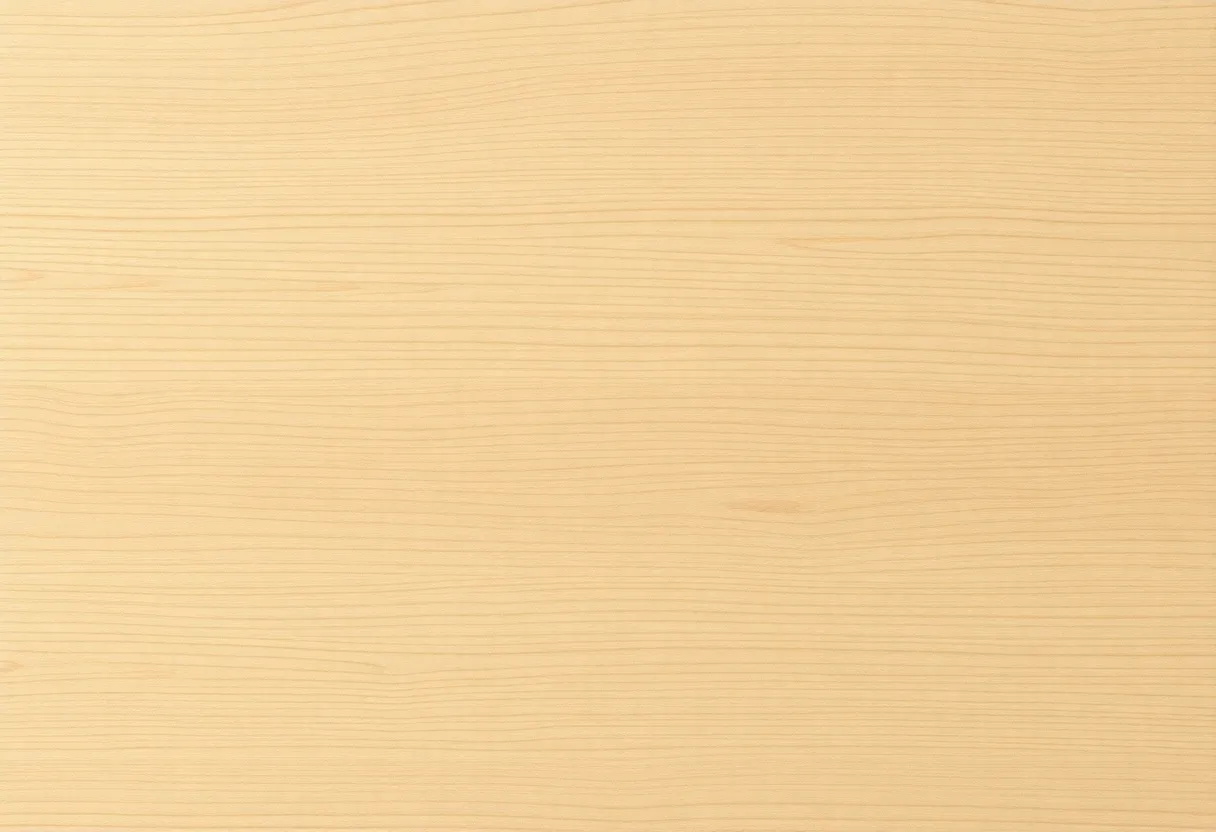
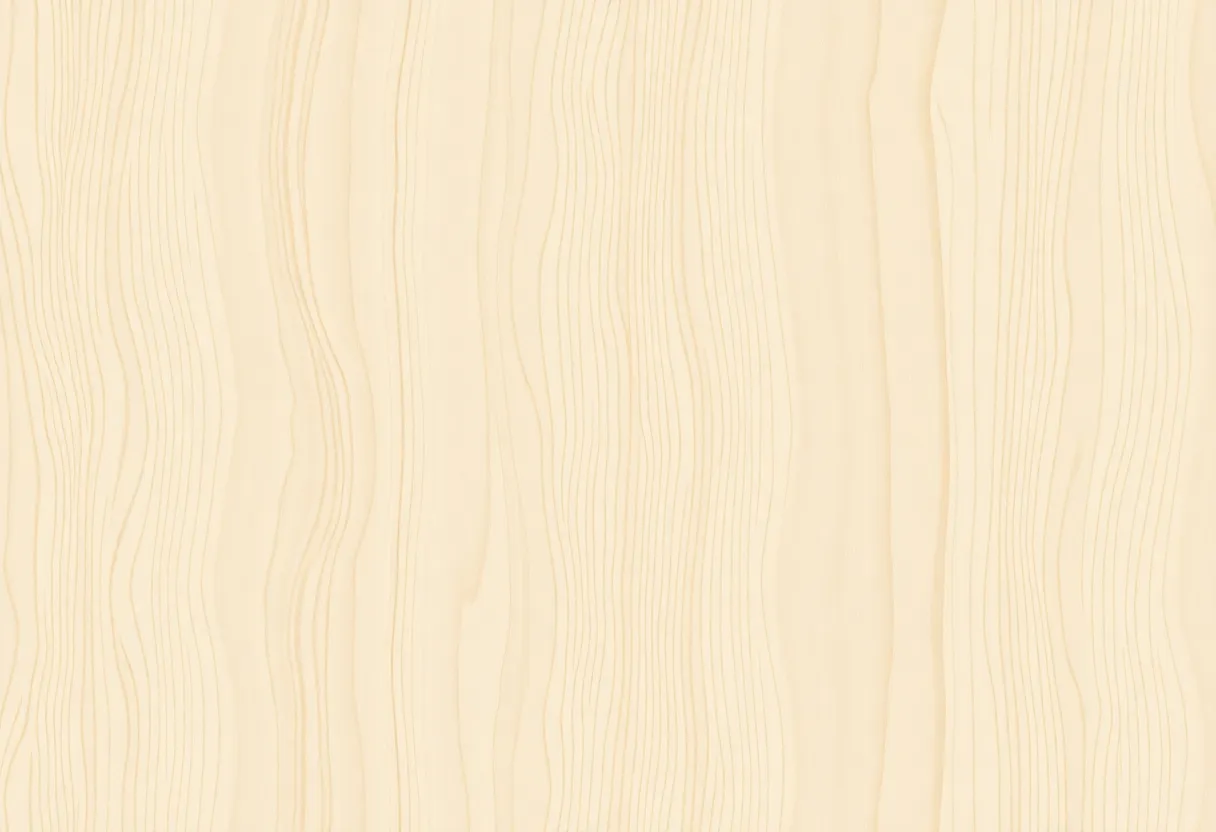


Styles & construction
Our CNC shop network builds drawer boxes across the full quality spectrum, from efficient melamine value-line boxes to solid hardwood dovetail premium boxes, all cut to your exact dimensions and engineered for your specified slide system.
Aesthetics
- Traditional
- Modern
- Transitional
- Farmhouse
- Contemporary
- Shaker
Construction types
Half-Blind Dovetail
DurabilityCost$$$$$CustomizationThe premium benchmark for kitchen and bath drawer boxes. Angled pins join the side into the front with the joint concealed from the face. Mechanically interlocked with no corner fasteners required. Standard spec for solid hardwood luxury drawer boxes.
Best for: Premium kitchen and bath cabinetryLocking Rabbet / Lock Joint
DurabilityCost$$$$$CustomizationA refined rabbet profile creates interlocking shoulders between the front/back and sides, producing a self-squaring corner with more long-grain glue area than a plain rabbet. The most popular joint for mid-range custom plywood drawer box production.
Best for: Mid-range custom plywood drawer box productionDado / Rabbet
DurabilityCost$$$$$CustomizationA shallow groove or step cut into the sides receives the front and back, increasing glue surface and mechanical registration over a plain butt joint. Common for plywood and melamine boxes where speed and good strength are both required.
Best for: Value and utility cabinet productionDoweled
DurabilityCost$$$$$CustomizationMultiple hardwood dowels pin the side to the front and back. Common in melamine and MDF frameless systems where automated boring and dowel insertion keep cycle times low and produce repeatable alignment.
Best for: Frameless European-style melamine systemsBox (Finger) Joint
DurabilityCost$$$$$CustomizationInterlocking square fingers machined on both mating faces. Structurally excellent with maximum glue area, and the joint is expressed visually at the corner. Popular in furniture-grade and exposed drawer box applications.
Best for: Furniture-grade and exposed-joinery applicationsButt Joint with Pocket Screws
DurabilityCost$$$$$CustomizationThe front and back are sandwiched between the sides and reinforced with pocket screws from the inside face. Fast to produce and flexible; suits custom shops and site-built cabinets where speed matters more than traditional joinery.
Best for: Site-built cabinets and custom quick-turn work
Cost guidance
Typical project cost ranges — actual quotes vary by scope, materials, finish level, and shop.
- Budget$12 – $35 per boxMelamine on particleboard with doweled or rabbet corners, applied hardboard bottom, side-mount slides. Typical for value kitchens, rental units, and builder-grade cabinetry. A full kitchen order of 20 to 30 boxes runs $300 to $900.
- Mid-Range$30 – $75 per boxBaltic birch plywood with locking-rabbet or dado corners, captured plywood bottom, compatible with undermount soft-close slides. A full kitchen order of 20 to 30 boxes runs $700 to $2,200.
- Premium$65 – $180 per boxSolid hardwood (maple or birch) with half-blind dovetail corners, captured bottom, and precise undermount slide spec. A full high-end kitchen order of 20 to 30 boxes runs $1,500 to $5,500.
Typical Timeline
Total estimated time: 6 weeks
How OpenSpindle works
We tap our partner network. You get the best-match quote.
Upload your part and we tap our network of partner shops to get you a competitive, all-in quote that is the best match for the job.
One upload
A CAD file or a sketch. That is the whole ask on your end.
Your best-match quote
Sourced from the partner shops set up for your exact part.
All-in, on your timeline
Machining, finishing, and shipping detailed to your turnaround.
Frequently Asked Questions
How much do custom drawer boxes cost?
What is the best material for custom drawer boxes?
What are dovetail drawer boxes and why are they the gold standard?
What dimensions do I need to provide when ordering custom drawer boxes?
Can I order replacement drawer boxes for existing kitchen or bath cabinets?
How long does it take to get custom drawer boxes made?
What slide type should I pair with custom drawer boxes?
Can custom drawer boxes be ordered with a finished or prefinished exterior?
Ready to Get Started?
Tap our network of partner CNC woodworking shops today. Submit your project details and get a competitive, best-match quote from specialists in your area.
Get a QuoteRelated
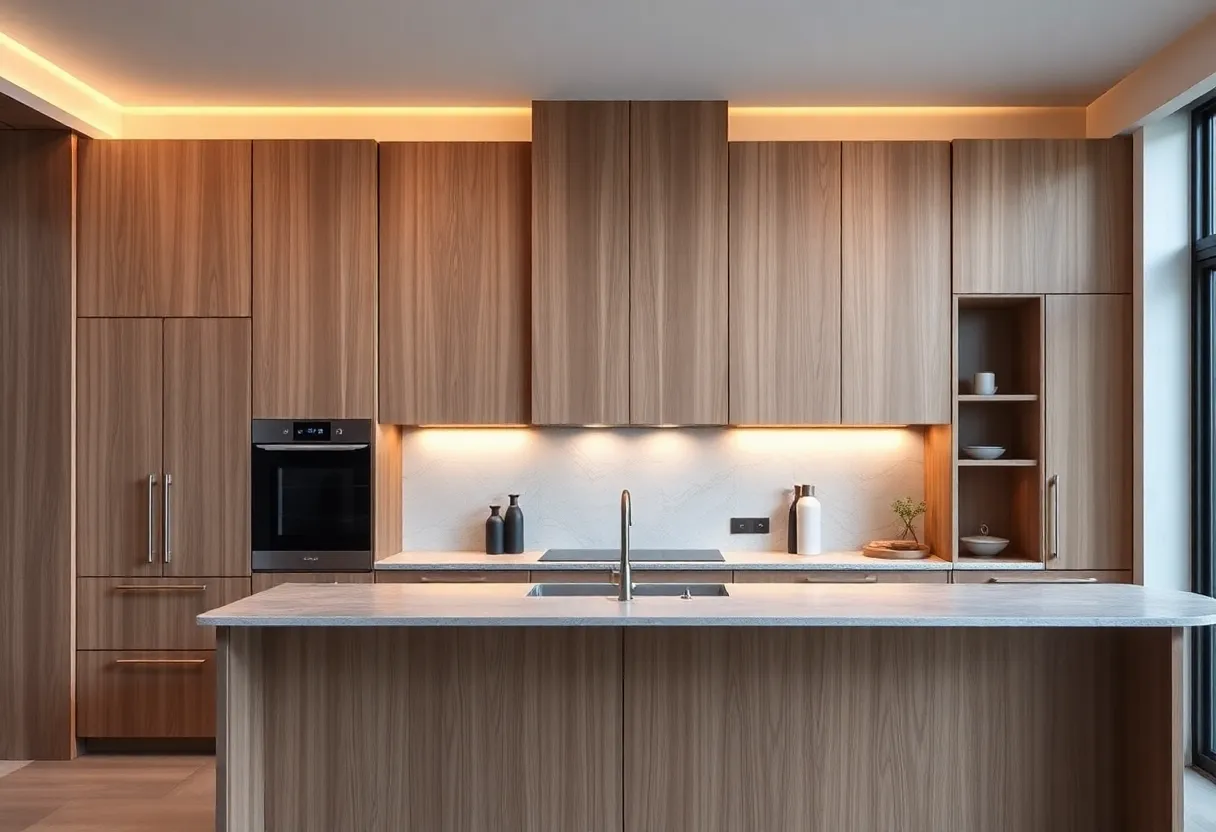
Get a Free Quote for Custom Cabinets Built to Your Exact Specs
Custom cabinet makers near you: get a free quote from partner CNC shops in 48 hours. Kitchen, bathroom, and garage cabinets built to spec
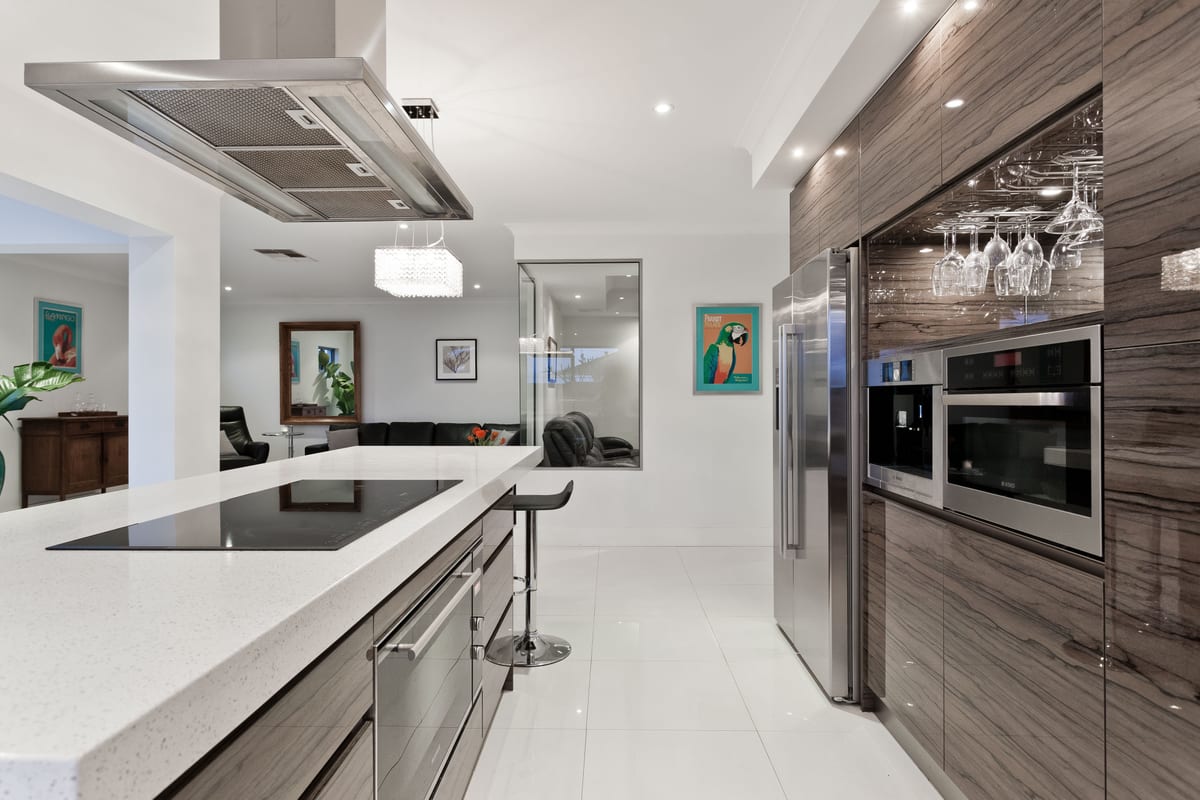
Custom Kitchen Cabinets: Get a Quote from Partner Shops
Get a free quote from partner custom kitchen cabinet makers near you. Review pricing, lead times, and portfolios.
Custom Closet Systems: Walk-In Closets, Organizers & Shelving Built to Fit
Custom closet systems from 100+ partner CNC shops. Walk-in closets, reach-in organizers, shelving, and wardrobe systems built to your exact dimensions.
Custom Entertainment Centers, Media Walls & TV Stands: Free Quote
Custom entertainment centers, built-in media walls, TV stands, and floating media consoles from 100+ partner CNC shops. Compare free quotes in 48 hours.