Solid Hardwood Cabinets, Furniture & Interior Millwork
premium material -- built to last generations
- Solid hardwood cabinets can be refinished and repaired -- engineered products cannot
- Species range from budget paint-grade (poplar, alder) to premium stain-grade (walnut, white oak)
- Properly finished hardwood cabinetry lasts 30-50 years in residential applications
STEP · STL · IGES · DWG · DXF · PDF · and more
Uploads are secure & confidential
Is Solid Hardwood Good for Cabinets?
Yes -- solid hardwood is the premium standard for custom cabinetry, furniture, and interior millwork. It is durable, refinishable, structurally sound, and ages better than any engineered alternative.
Hardwood cabinets can be sanded and refinished when the finish wears. A painted MDF cabinet that chips or swells must be replaced. A hardwood cabinet can be stripped, resanded, and refinished to look new -- this refinishability is the material's single most important long-term advantage.
The practical range of hardwoods for cabinetry spans from budget paint-grade species (poplar, alder) to premium stain-grade options (walnut, white oak, cherry). Understanding which species belongs in which project is the first decision a buyer and their shop need to make.
For kitchen islands, built-ins, and furniture where the wood will be a visible, stained feature, species selection drives the entire aesthetic. For painted cabinetry where the wood is infrastructure rather than the design, paint-grade species like poplar or soft maple deliver the same result at lower cost.
Solid hardwood produces the best results for face frames, door profiles, and millwork -- the profiled, structural, and edge-exposed elements where MDF would fail and plywood would look unfinished. For flat cabinet panels and carcass boxes, hardwood plywood or MDF is often the right co-material.
How OpenSpindle works
We tap our partner network. You get the best-match quote.
Upload your part and we tap our network of partner shops to get you a competitive, all-in quote that is the best match for the job.
One upload
A CAD file or a sketch. That is the whole ask on your end.
Your best-match quote
Sourced from the partner shops set up for your exact part.
All-in, on your timeline
Machining, finishing, and shipping detailed to your turnaround.
Best Hardwood Species for Cabinets and Furniture
The right species depends on your finish type, design aesthetic, budget, and application. Here is how the major hardwood species used in custom cabinetry and furniture compare.
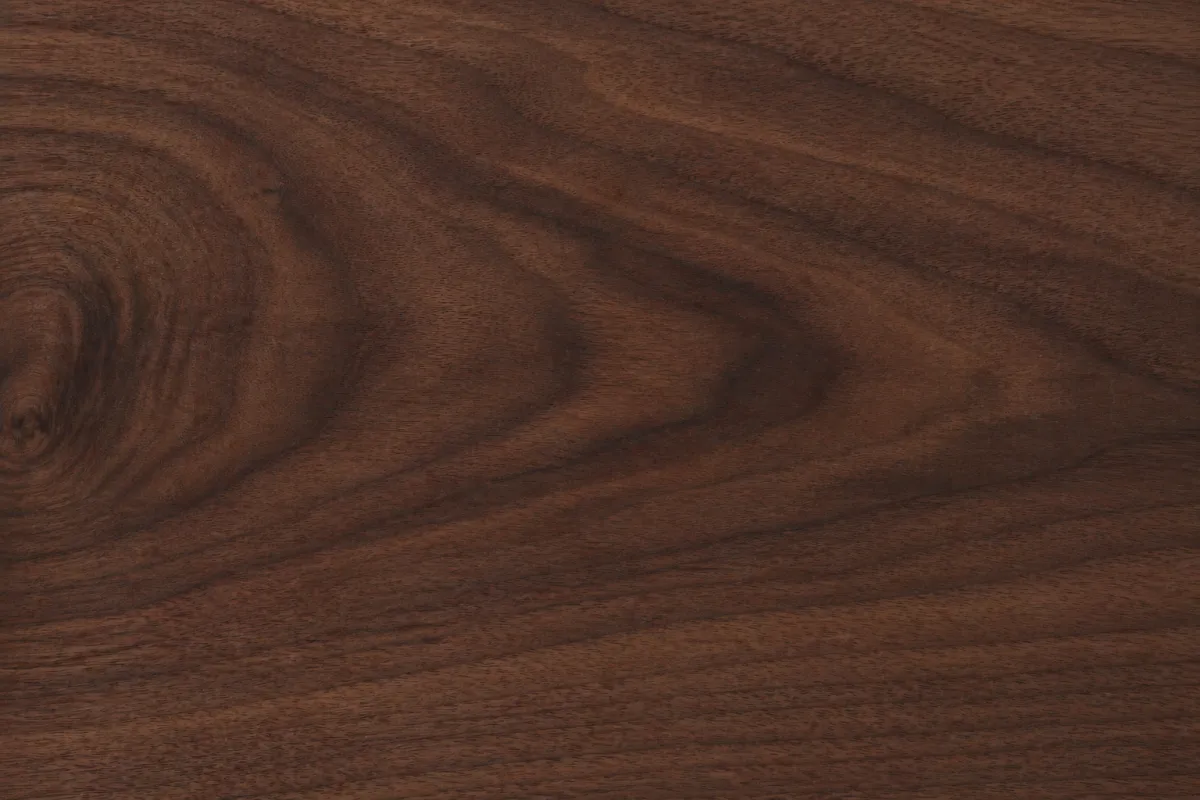
Walnut is the premium standard for stain-grade cabinetry and furniture. Its rich chocolate-brown color, straight grain, and warm undertones require no stain -- a natural oil or clear finish lets the wood speak for itself.
- Kitchen cabinets and islands where natural wood grain is the design feature
- Dining tables, desks, and high-end furniture
- Built-ins and office cabinetry in luxury interiors
Walnut is best with a natural or light oil finish -- staining it obscures the grain that justifies its cost
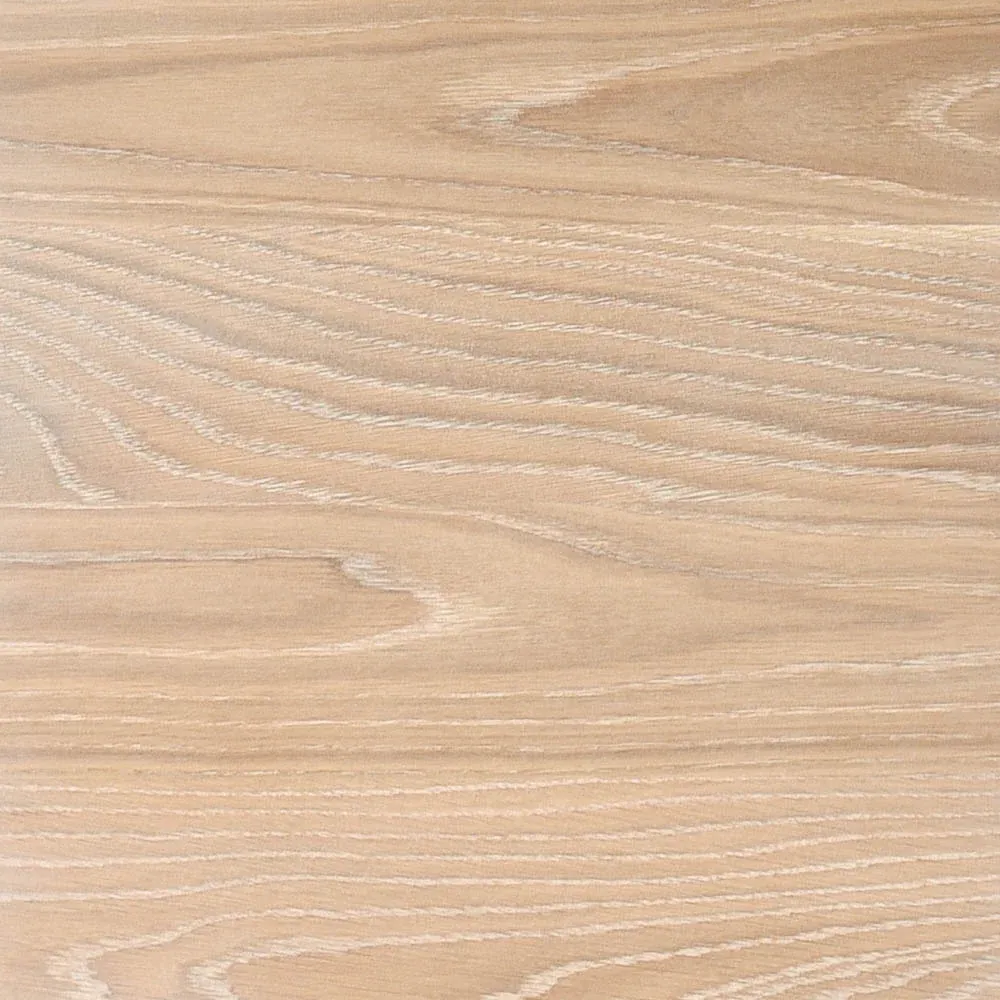
White oak is the dominant hardwood in contemporary and modern organic design. Its warm tan-to-gray tones, visible medullary rays, and versatile grain suit both natural and lightly stained finishes across a wide range of aesthetics.
- Shaker and slab cabinetry in contemporary and transitional kitchens
- Dining tables and benches in modern organic interiors
- Built-in shelving and closet systems
Rift or quartersawn white oak emphasizes the medullary ray fleck pattern -- a defining design feature in modern interiors
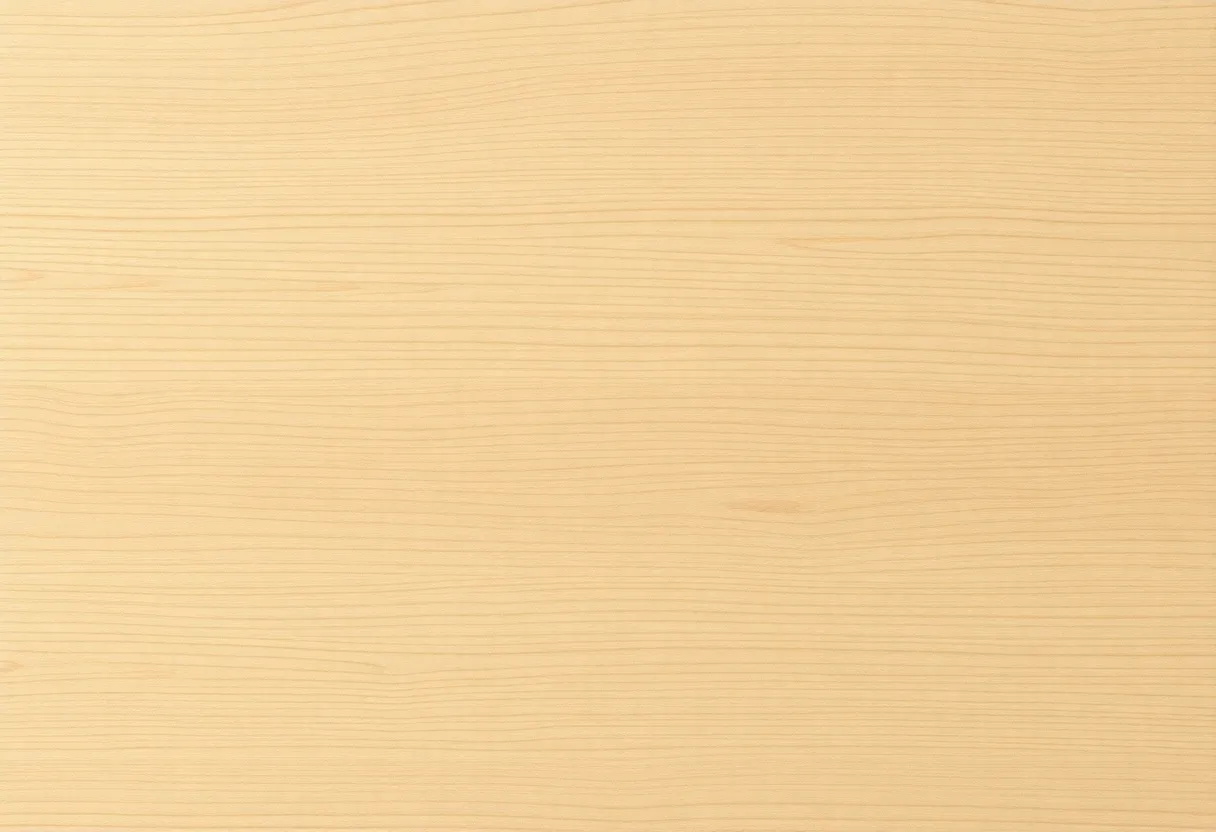
Soft maple is the standard for high-quality painted cabinetry, with a tight grain and consistent surface that takes paint better than pine or poplar. Hard maple is used for heavy-use surfaces requiring maximum hardness.
- Painted kitchen and bath cabinetry where paint quality is critical
- Built-ins and face frames requiring durability and clean lines
- Butcher block countertops and high-use surfaces (hard maple)
Use soft maple for painted work, hard maple for natural-finish surfaces that need maximum hardness
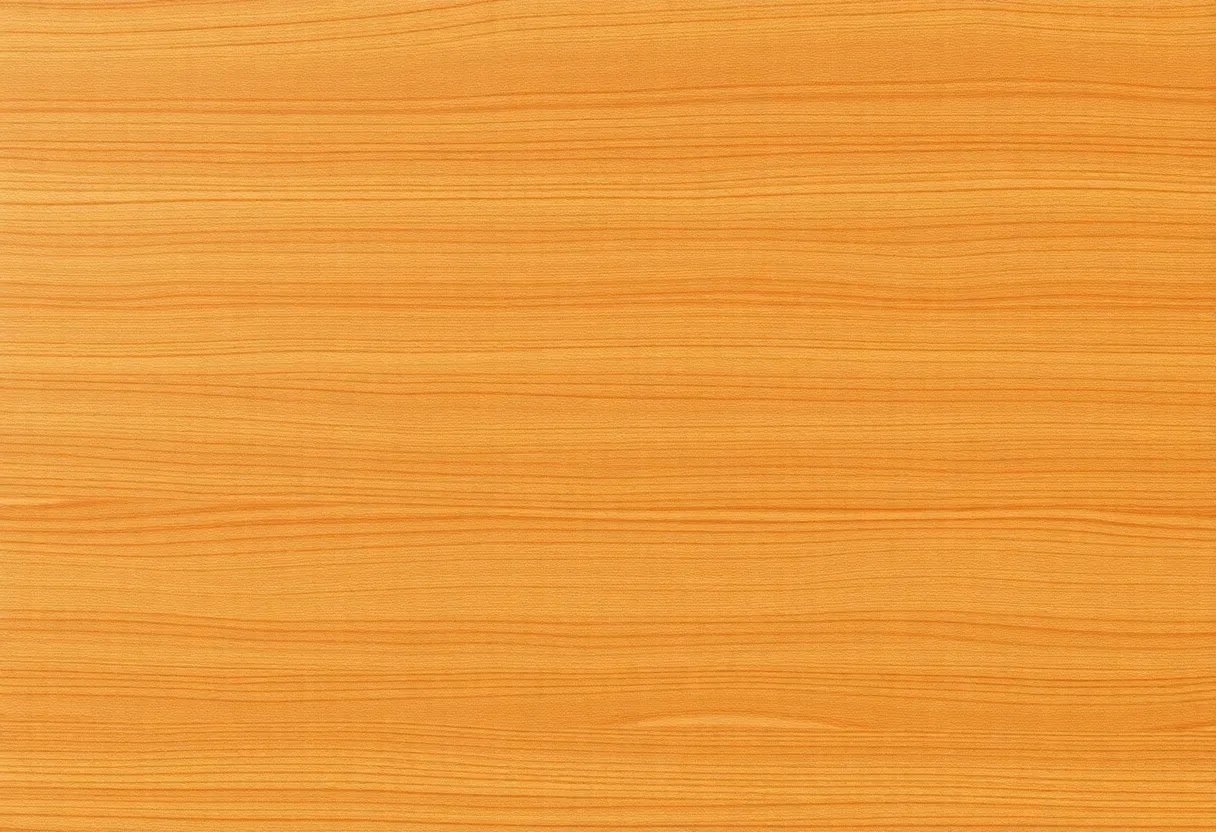
Cherry is a traditional furniture and cabinetry wood prized for its warm red-brown color and smooth, consistent grain. It darkens beautifully over time with light exposure, developing a rich patina without refinishing.
- Traditional and transitional cabinetry with stained or natural finishes
- Office furniture, shelving, and study built-ins
- Bedroom furniture where warm tone and grain character matter
Cherry's color shift with light exposure is a feature -- it deepens and warms naturally over the first few years
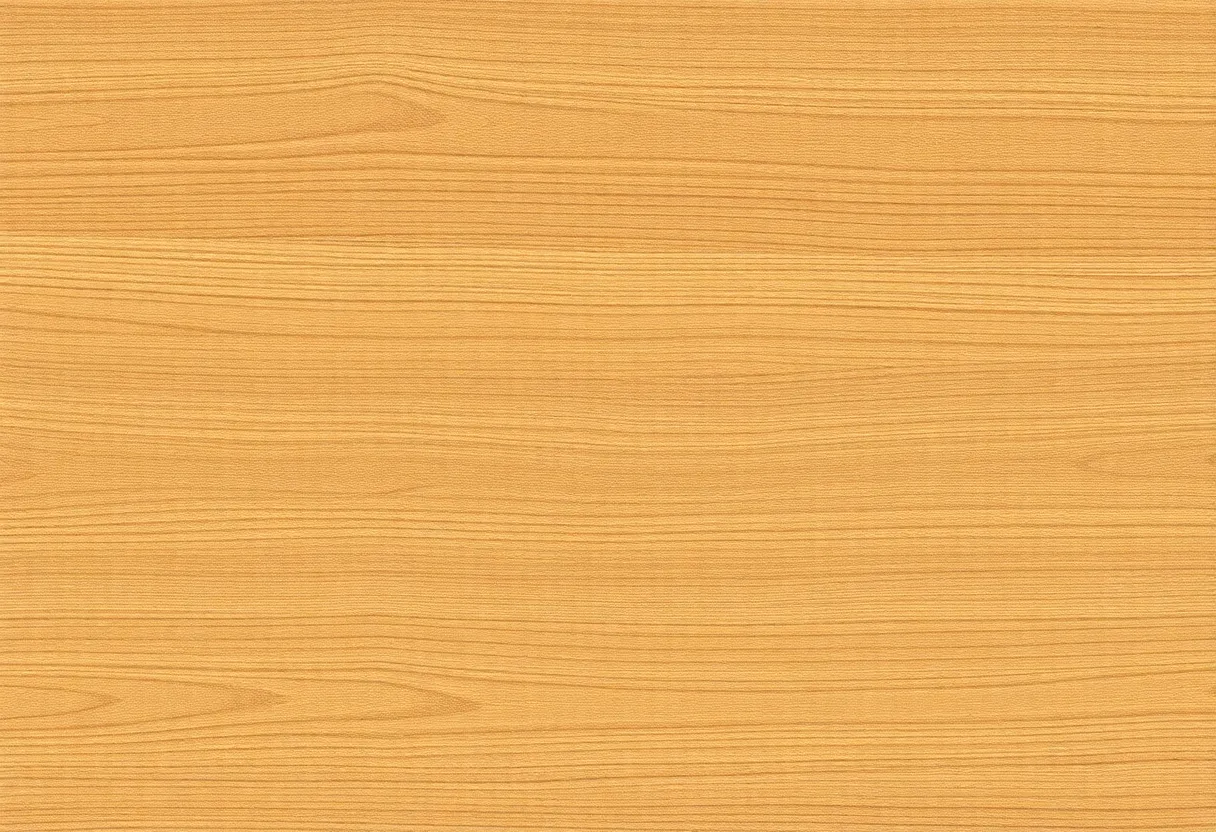
Alder is the affordable stain-grade hardwood for rustic, transitional, and craftsman cabinetry. It accepts stain evenly, machines cleanly, and is significantly less expensive than cherry, walnut, or white oak.
- Stain-grade kitchen cabinetry and bathroom vanities
- Rustic and craftsman-style furniture and built-ins
- Cabinet doors and face frames where consistent stain absorption matters
Alder is the most accessible stain-grade hardwood -- it delivers natural wood character at the most competitive price point
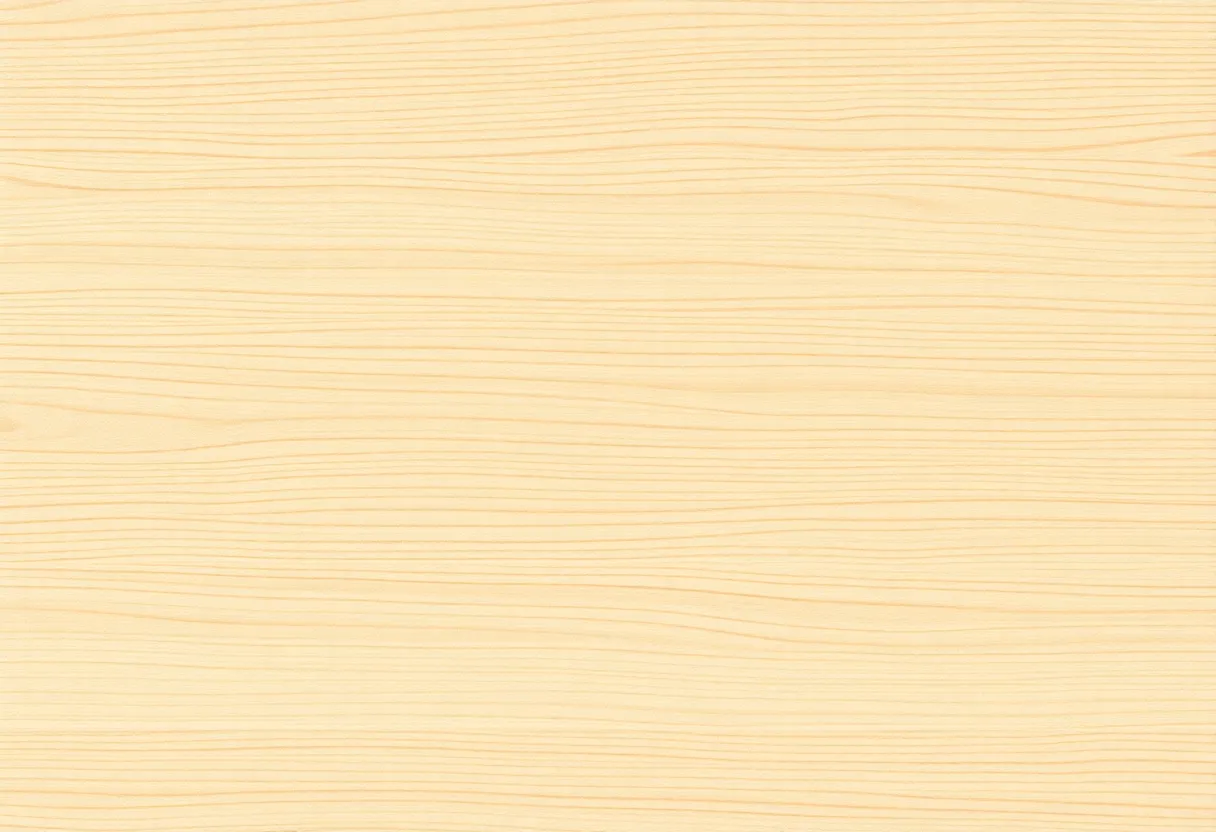
Poplar is the production standard for painted hardwood cabinetry. It machines fast, takes paint predictably, and keeps project costs low. Its mineral streaks disappear under paint, making it ideal where wood is infrastructure rather than the feature.
- Painted kitchen cabinets, bathroom vanities, and laundry cabinetry
- Interior trim, face frames, and built-in storage
- High-volume production painted work where cost efficiency is required
Never stain poplar -- its mineral streaks are visible under stain. Poplar is a paint-grade material.
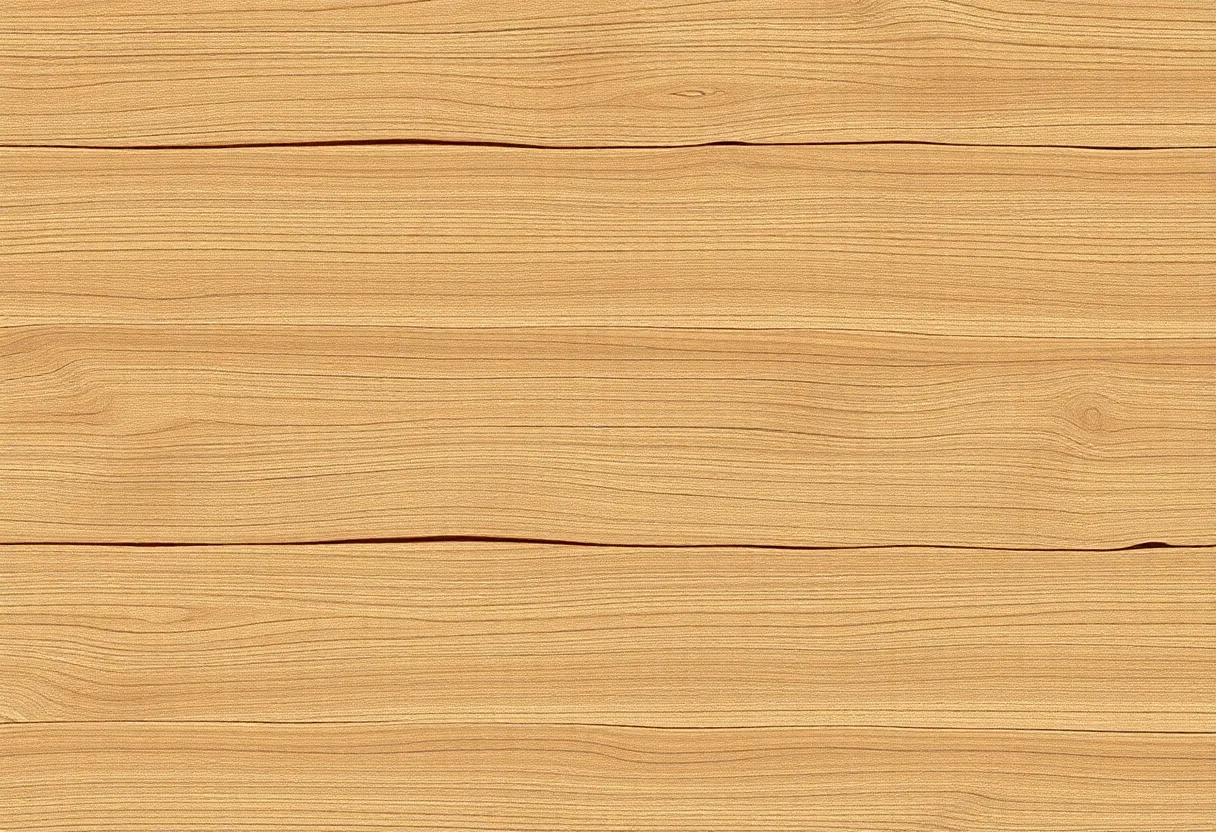
Reclaimed hardwood brings aged patina, natural character, and sustainable provenance to statement cabinetry, furniture, and architectural surfaces. Old-growth reclaimed stock is often denser than new-growth equivalents.
- Kitchen islands and accent cabinetry in rustic modern interiors
- Dining tables and furniture where material history is part of the design
- Accent walls and built-in shelving in hospitality and residential spaces
Metal detection is non-negotiable before machining reclaimed material -- a single nail destroys a CNC bit
How Hardwood Cabinets Are Constructed
Hardwood cabinet construction method determines the look, durability, and cost of the finished product. Most custom shops use one of these four approaches or a combination.
Face Frame Construction
A solid hardwood frame (typically 1.5" wide) is attached to the front of the cabinet box. Face frame cabinets are the American standard -- the frame provides rigidity, hides the box edge, and gives doors a traditional inset or overlay appearance. Poplar, maple, and alder are the most common face frame species.
Best For
- Traditional and transitional kitchens
- Inset and overlay door styles
- Full custom cabinetry with a finished interior look
Choosing the Right Hardwood for Your Project
The right hardwood depends on your finish type, design aesthetic, and budget. Here is how to think through the decision.
Ideal For
- ✓Stain-grade kitchens where natural wood grain is the design feature -- choose walnut, white oak, cherry, or alder
- ✓Paint-grade cabinetry that needs hardwood durability -- choose poplar or soft maple
- ✓High-traffic surfaces such as islands, countertops, and heavy-use furniture -- choose hard maple or white oak
- ✓Modern organic and contemporary interiors -- white oak is the current category-dominant species
- ✓Traditional and transitional interiors -- cherry, alder, and soft maple are the natural fit
- ✓Budget-conscious painted cabinetry -- poplar delivers hardwood results at the lowest price point
May Not Be Ideal For
- –Ultra-budget production cabinetry where hardwood cost is prohibitive -- consider MDF with veneer for flat panels
- –Environments with severe humidity swings -- wood movement requires careful joinery design and finishing
- –Applications requiring perfectly uniform color and grain across every panel -- no solid wood guarantees that
- –Outdoor or high-moisture applications -- most hardwoods are rated for interior use only
Alternatives to Consider
Hardwood Plywood
Dimensionally stable, consistent, the right choice for box construction and large flat panels
MDF
Flat painted surface, budget-friendly for flat panels, door centers, and painted sheet applications
Reclaimed Hardwood
Aged character and sustainable provenance for statement cabinetry and furniture
Hardwood Cabinets vs MDF vs Plywood
Solid hardwood, MDF, and plywood each have a role in custom cabinetry. Understanding which material belongs where separates good cabinet work from great cabinet work.
Solid Hardwood vs MDF
- MDF produces a flatter, smoother painted surface than any solid wood -- best substrate for high-gloss painted panels
- Solid hardwood is refinishable; MDF panels that chip, swell, or delaminate must be replaced
- MDF is less expensive per panel for flat painted applications
- Solid hardwood holds screws, nails, and hardware far better than MDF -- critical for hinges and drawer slides
- MDF has no structural load capacity; solid hardwood is appropriate for face frames, structural elements, and shelves
Use MDF for flat painted door centers and cabinet panels where surface smoothness is the priority. Use solid hardwood for face frames, door profiles, and structural elements where strength and refinishability matter.
View MDF →Solid Hardwood vs Plywood
- Hardwood plywood is the standard box material for custom cabinetry -- stable, strong, and lighter than solid wood panels
- Solid hardwood is better for visible profiled elements, face frames, and any edge-exposed component
- Plywood is more dimensionally stable than solid wood for large panels -- less movement with humidity changes
- Solid hardwood provides superior screw-holding at edges and joints
- Most high-quality custom cabinetry uses both: plywood for the structural box, solid hardwood for the frame and doors
Plywood and solid hardwood are complementary, not competing materials. The best custom cabinetry uses plywood for the structural box and solid hardwood for the visible, profiled, and edge-exposed elements.
View Plywood →How Much Do Solid Hardwood Cabinets Cost?
Solid hardwood cabinet costs vary significantly by species, construction method, and finish. The species alone can account for a 2-4x cost difference between budget and premium options.
Cost Impact by Construction Method
Paint-Grade Hardwood (Poplar / Alder)
Custom painted cabinetry in poplar or alder typically runs $9,000-18,000 for a full kitchen. These species deliver hardwood durability and refinishability at the lowest hardwood price point.
Includes
- Solid poplar or alder face frames and doors
- Hardwood plywood box construction
- Painted finish in any color
Best For
Mid-Range Hardwood (Maple / Cherry)
Soft maple and cherry cabinetry typically runs $15,000-30,000 for a full kitchen. These species support both painted and stain-grade applications and represent the most common custom cabinetry tier.
Includes
- Solid maple or cherry face frames and doors
- Hardwood plywood carcass construction
- Stained or painted finish
Best For
Premium Hardwood (Walnut / White Oak)
Walnut and white oak cabinetry typically runs $25,000-55,000+ for a full kitchen. The material cost premium reflects the species' higher lumber cost and the design environments in which it is specified.
Includes
- Solid walnut or white oak face frames and doors
- Matching hardwood veneer panels
- Natural oil or clear topcoat finish
Best For
What Actually Drives Solid Hardwood Cost
- ·Species -- poplar to walnut represents roughly a 3-4x increase in lumber cost alone
- ·Door style -- slab vs 5-piece profile affects both material yield and labor time
- ·Finish -- painted vs stained vs natural oil, and finish tier (lacquer vs conversion varnish)
- ·Construction quality -- face frame vs frameless, plywood grade, joinery method
- ·Hardware -- pulls and hinges can add $2,000-8,000 to a full kitchen scope
Key Insight
The most common mistake when budgeting hardwood cabinetry is treating all hardwoods as the same cost tier. A poplar kitchen and a walnut kitchen can differ by $20,000+ for the same layout. Species selection is a budget decision as much as it is a design decision.
Finishes & Design Guidance
Solid hardwood finishes range from natural penetrating oil on premium species to catalyzed topcoats on painted production cabinetry. The right finish depends on the species, the application, and the design environment.
Natural Oil on Stain-Grade Hardwood
A penetrating oil (Rubio Monocoat, Osmo, Danish oil) on walnut, white oak, or cherry lets the natural wood color and grain read with minimal alteration. This is the preferred finish for modern organic and Scandinavian-influenced interiors where natural material is the design language.
Stained Hardwood
Stain modifies the base color of the wood while keeping grain visible. Species that stain well -- alder, cherry, white oak -- give more control over the final appearance. Species that stain poorly (poplar, maple) should not be specified for stained applications.
Painted Hardwood
Painted hardwood cabinetry uses paint-grade species (poplar, soft maple, alder) as the substrate for any paint color. The wood provides structural performance; the paint provides the aesthetic. This is the most flexible finish in terms of color options.
Conversion Varnish and Catalyzed Lacquer
For stain-grade hardwood that needs maximum durability -- kitchen cabinets, high-traffic built-ins, furniture in family homes -- a catalyzed topcoat over stain or natural color provides a harder, more chemical-resistant surface than oil-only finishes.
Pro Tip
For the best painted result on hardwood face frames and doors, sand to 180 grit before priming and sand the primer to 220 before topcoating. Machine marks from the router or shaper will telegraph through a gloss topcoat if not sanded out. The extra time per door is the difference between a professional result and an amateurish one.
Design Pairings
Hardware
Countertop Materials
Design Styles
Frequently Asked Questions
What is solid hardwood and how does it differ from engineered wood?
How much does solid hardwood cost per board foot?
What are the best solid hardwood species for kitchen cabinets?
Does solid hardwood expand and contract seasonally?
What is the hardest solid hardwood for cabinetry?
Can solid hardwood be used in bathrooms?
How is solid hardwood machined for custom cabinetry?
What is the difference between solid hardwood and plywood for cabinet construction?
Ready to Get Started?
Tap our network of partner CNC woodworking shops today. Submit your project details and get a competitive, best-match quote from specialists in your area.
Get a Quote