Custom Wood Range Hoods Built to Your Kitchen Design
No obligation. Get a competitive quote from 100+ partner CNC shops for custom wood range hood covers, island hoods, farmhouse hoods, and decorative range hood enclosures built to fit your insert.
STEP · STL · IGES · DWG · DXF · PDF · and more
Uploads are secure & confidential
Project types
Specialties our network handles in this category.
Wood Range Hoods
Custom wood range hood covers in any species, style, and size, built to fit your ventilation insert and kitchen design.
Custom Range Hood Covers
Decorative enclosures designed to conceal mechanical inserts, including tapered, curved, and straight-sided cover styles.
Island Range Hoods
Four-sided range hood covers for kitchen islands, ceiling-mounted with finished details on every visible face.
Farmhouse Range Hoods
Shiplap, beadboard, and curved-brace hood designs that capture farmhouse warmth and pair with rustic or transitional cabinetry.
Modern Range Hoods
Clean-lined, minimal-profile hood covers in flat panels, rift-sawn wood, or painted finishes for contemporary kitchen designs.
Range Hood Inserts (Surrounds)
Trim kits and surround panels that integrate a mechanical insert into existing cabinetry or a custom hood structure.
Estimate your project
Adjust the inputs to see a ballpark range. Get matched quotes when you're ready.
Custom range hoods have become one of the most sought-after kitchen features in both new construction and renovation projects. The wood hood cover, also called a range hood enclosure or shell, is the decorative exterior that conceals a mechanical ventilation insert. CNC woodworking shops manufacture the wood cover to exact dimensions around your chosen insert, creating a statement piece that anchors the entire kitchen design.
OpenSpindle connects contractors, kitchen designers, and homeowners with partner CNC shops that specialize in range hood cover fabrication. Whether you need a tapered farmhouse hood in shiplap, a curved modern hood in rift-sawn white oak, or a carved traditional hood with corbels and crown molding, our network delivers precision-built covers ready to install over your ventilation insert.
How Custom Range Hood Covers Work
It is important to understand the two-part system. The mechanical insert (fan, blower, ductwork, lighting, and controls) is purchased separately from manufacturers like Vent-A-Hood, Broan, Zephyr, or CopperSmith. The CNC shop builds the wood cover that fits over and around that insert. When requesting a quote, you will need to specify the insert brand and model, or at minimum the insert dimensions, so the shop can build the cover to the correct interior clearances.
Farmhouse, Modern, and Traditional Hood Styles
Farmhouse-style hoods with shiplap or beadboard panels and curved braces are the most requested style in residential kitchens. Modern range hoods feature clean lines, flat panels, and minimal trim, often in rift-sawn oak or painted MDF. Traditional hoods incorporate raised panel details, fluted columns, corbels, and crown molding that match existing cabinetry. CNC routing makes all of these details repeatable and precise.
Find Custom Range Hood Builders Near You
Sourcing a quality range hood builder near you used to mean cold-calling cabinet shops and hoping they had hood experience. OpenSpindle simplifies the search. Submit your insert dimensions, kitchen measurements, style direction, and material preference, and shops experienced in hood fabrication respond with pricing and lead times. Many shops ship finished hoods nationally in protective crating.
Island Range Hoods and Specialty Configurations
Island-mounted range hoods present unique challenges because they are visible from all four sides and must be structurally supported from the ceiling. CNC shops build four-sided island hood covers with clean joints and consistent details on every face. Other specialty configurations include peninsula hoods (three-sided), corner hoods, and hoods integrated into custom cabinetry runs.
Material Selection for Range Hood Covers
Alder is the most popular wood for painted range hoods due to its tight grain and smooth machining properties. Maple offers a harder, more durable surface for painted hoods in high-use kitchens. White oak is the top choice for stain-grade hoods with visible grain. MDF is an economical option for fully painted hoods where wood grain is not desired. All of these materials machine cleanly on CNC routers, producing sharp profiles and consistent panel fits.
Hood Sizing: Matching the Range and the Ceiling Height
A range hood cover should be sized to match -- and ideally extend beyond -- the width of the range below it. The standard rule is to add 3 inches to each side of the range for hoods mounted under a cabinet or 6 inches per side for wall-mount hoods. A 36-inch range calls for a 42-inch wall-mount hood minimum. Ceiling height affects hood height: standard 9-foot ceilings typically call for a hood 18 to 24 inches tall at the opening; taller ceilings benefit from taller hoods to maintain proportion. The distance from the cooking surface to the bottom of the hood should be 24 to 30 inches for gas ranges and 20 to 24 inches for electric. Custom fabrication builds to whatever dimensions your kitchen requires rather than forcing you into a catalog size.
Hood Insert vs. Hood Cover: What Custom Shops Build
Most custom range hoods are covers, not inserts -- the wood structure conceals a separate ventilation insert that handles the actual fan, lighting, and ducting. The insert (from manufacturers like Broan, Zephyr, or Vent-A-Hood) is recessed into the hood enclosure and covered by the decorative wood shell. Custom shops build the wood shell to accept the specific insert model you specify, with cutouts for the liner, wiring access, and any pass-through for ducting. This approach allows the aesthetic to be fully custom while using proven ventilation hardware. Shops will request the insert model number to build the enclosure to exact clearances.
Commercial and Restaurant Range Hoods
Custom range hoods are also specified for commercial kitchens and restaurants. Commercial hood covers coordinate with the restaurant's interior design -- a custom wood hood above an open kitchen pass-through is a branding statement as much as a functional piece. Commercial applications typically use more durable substrate materials and commercial-grade finish systems, but the fabrication process is the same. Shops building commercial hoods should be briefed on fire suppression requirements: commercial kitchen hoods may need coordination with fire suppression installers, and the wood enclosure must be built with appropriate clearances.

Styles & construction
CNC shops in our network build range hood covers in every kitchen style, from ornate traditional hoods with carved corbels to sleek modern enclosures with flush panel construction.
Aesthetics
- Farmhouse
- Modern
- Traditional
- Transitional
- Rustic
- French Country
Construction types
Panel and Frame
DurabilityCost$$$$$CustomizationCNC-cut flat or raised panels set into a structural frame, allowing for shiplap, beadboard, or raised-panel details on the hood face and sides.
Best for: Shaker and transitional kitchens, painted or stained finishesCurved/Tapered Shell
DurabilityCost$$$$$CustomizationBent or kerfed wood panels forming a tapered or barrel-curved hood shape, creating the signature silhouette of farmhouse and European-style hoods.
Best for: Modern and contemporary kitchens, statement hood designsBox/Straight-Sided
DurabilityCost$$$$$CustomizationClean rectangular enclosure with flat panels and minimal trim, typical of modern and contemporary kitchen designs where simplicity is the goal.
Best for: Budget-conscious builds, simple modern kitchens, farmhouse styles
Cost guidance
Typical project cost ranges — actual quotes vary by scope, materials, finish level, and shop.
- Budget$800 – $2,000Simple straight-sided or tapered hood covers in MDF or alder with a paint finish. Standard wall-mount configuration for 30 to 36 inch inserts.
- Mid-Range$2,000 – $5,000Custom-shaped hoods with shiplap, beadboard, or raised panel details in alder, maple, or oak. Includes corbels, trim molding, and professional finish. Covers 36 to 48 inch inserts.
- Premium$5,000+Large island hoods, heavily carved traditional designs, curved barrel hoods, or rift-sawn white oak stain-grade builds. Includes design consultation and complex multi-component assemblies.
Typical Timeline
Total estimated time: 9 weeks
How OpenSpindle works
We tap our partner network. You get the best-match quote.
Upload your part and we tap our network of partner shops to get you a competitive, all-in quote that is the best match for the job.
One upload
A CAD file or a sketch. That is the whole ask on your end.
Your best-match quote
Sourced from the partner shops set up for your exact part.
All-in, on your timeline
Machining, finishing, and shipping detailed to your turnaround.
Frequently Asked Questions
How much does a custom range hood cost?
What materials are used for custom range hoods?
What dimensions do I need to provide for a custom range hood quote?
How long does it take to get a custom range hood made?
What is the difference between a liner insert and a custom range hood enclosure?
Can a custom range hood be made to match my existing cabinets?
Does a custom range hood need to be vented to the outside?
What finish options are available for a custom wood range hood?
Ready to Get Started?
Tap our network of partner CNC woodworking shops today. Submit your project details and get a competitive, best-match quote from specialists in your area.
Get a QuoteRelated
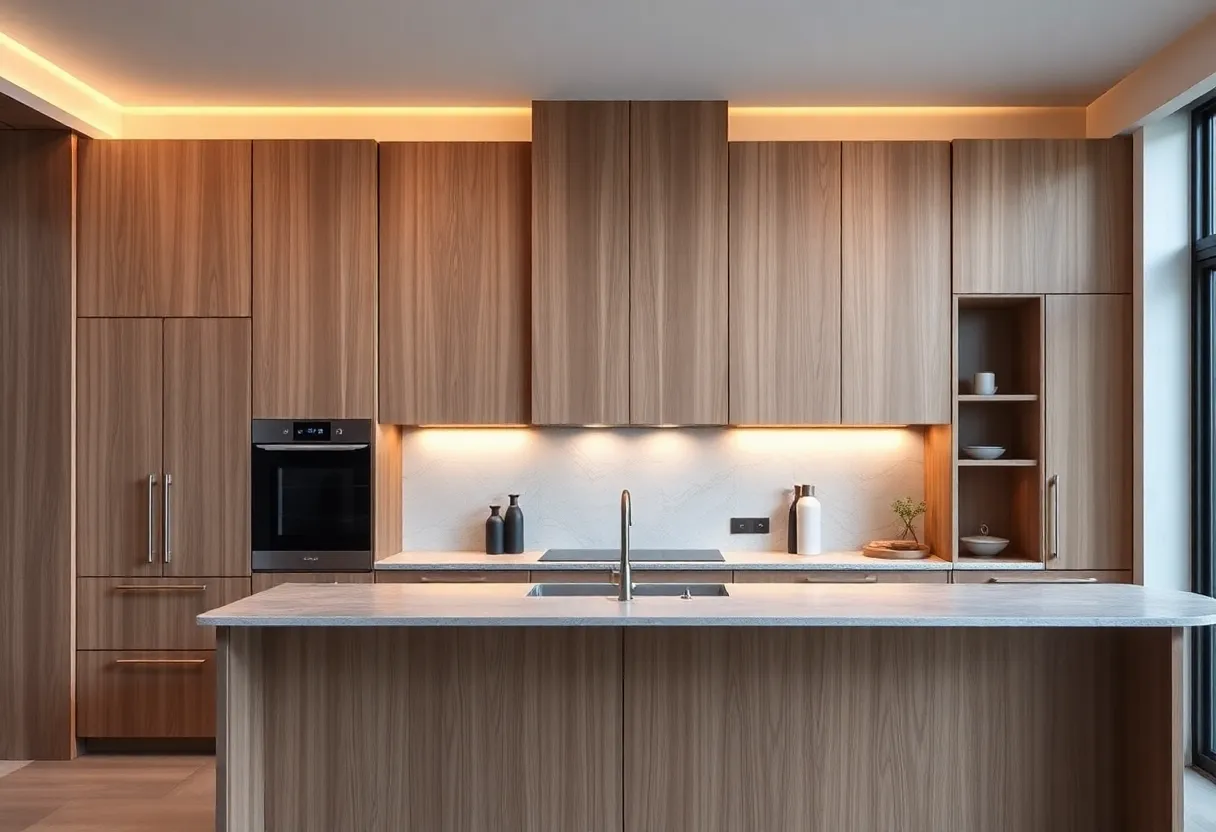
Get a Free Quote for Custom Cabinets Built to Your Exact Specs
Custom cabinet makers near you: get a free quote from partner CNC shops in 48 hours. Kitchen, bathroom, and garage cabinets built to spec
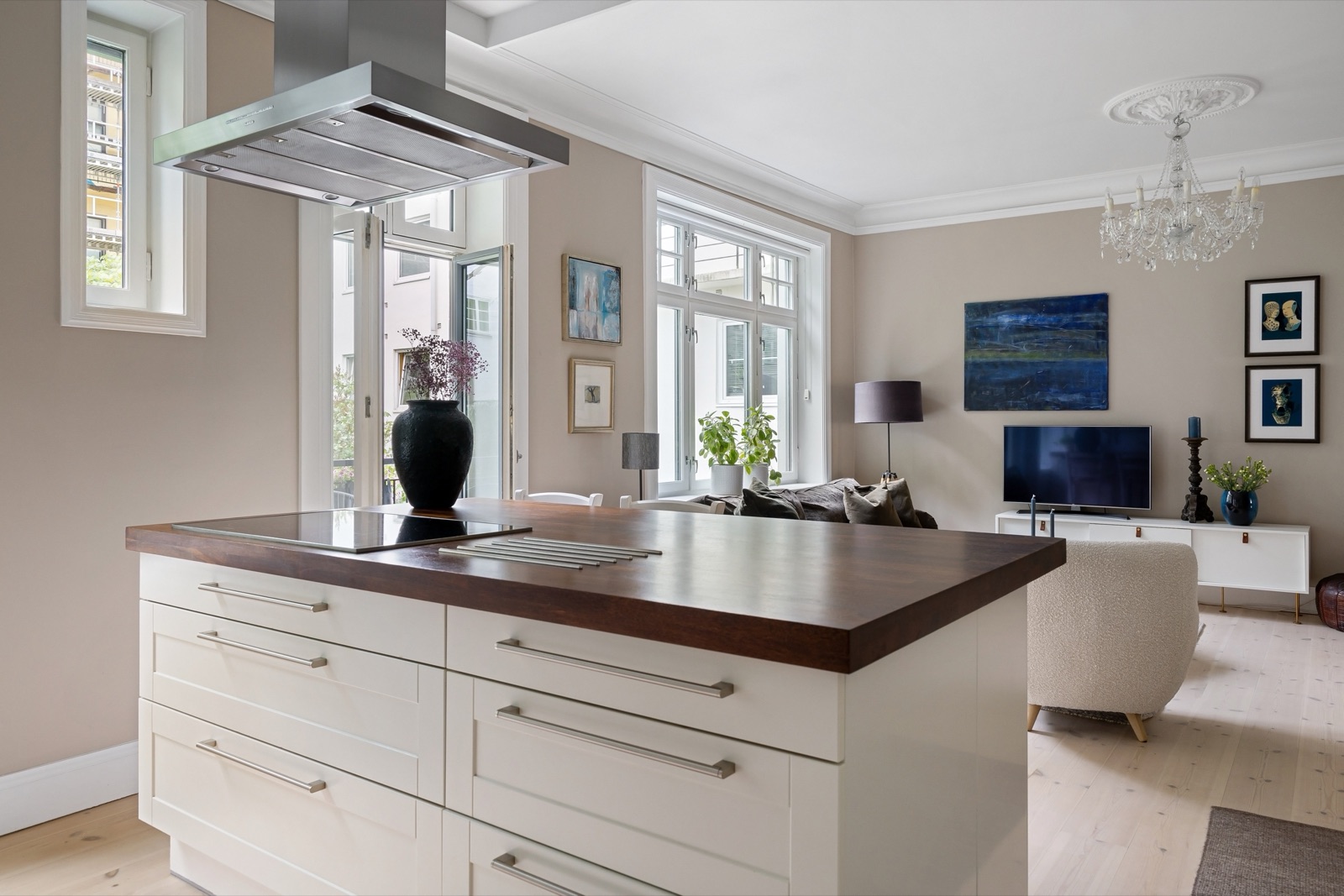
Custom Kitchen Islands with Wood, Granite, and Quartz Tops: Free Quote
Custom kitchen islands with butcher block, granite, quartz, and marble tops from 100+ partner shops. Seating, waterfall, and storage designs. Free quotes.
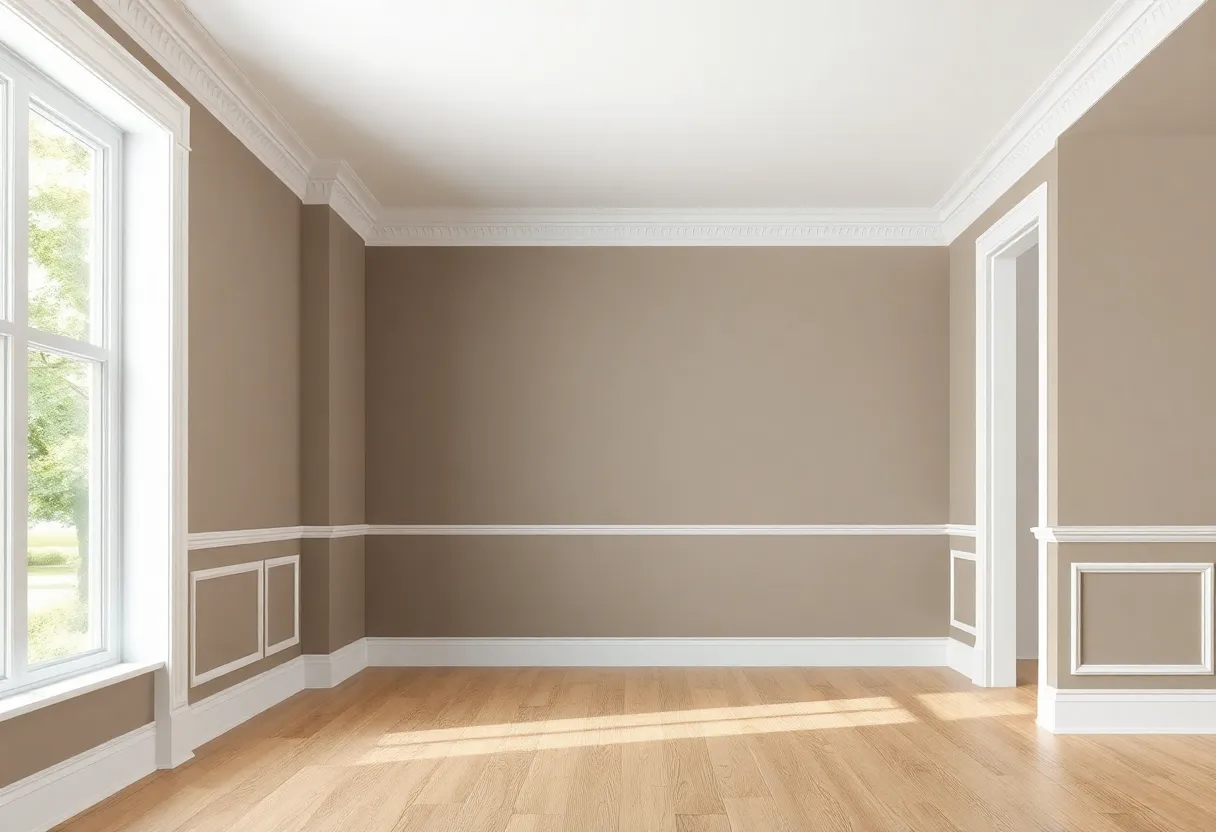
Custom Crown Molding, Baseboards, and Trim from Partner CNC Shops
Get a free quote from 100+ partner CNC shops for custom crown molding, baseboards, chair rail, casings, and decorative trim. Any species, any profile.
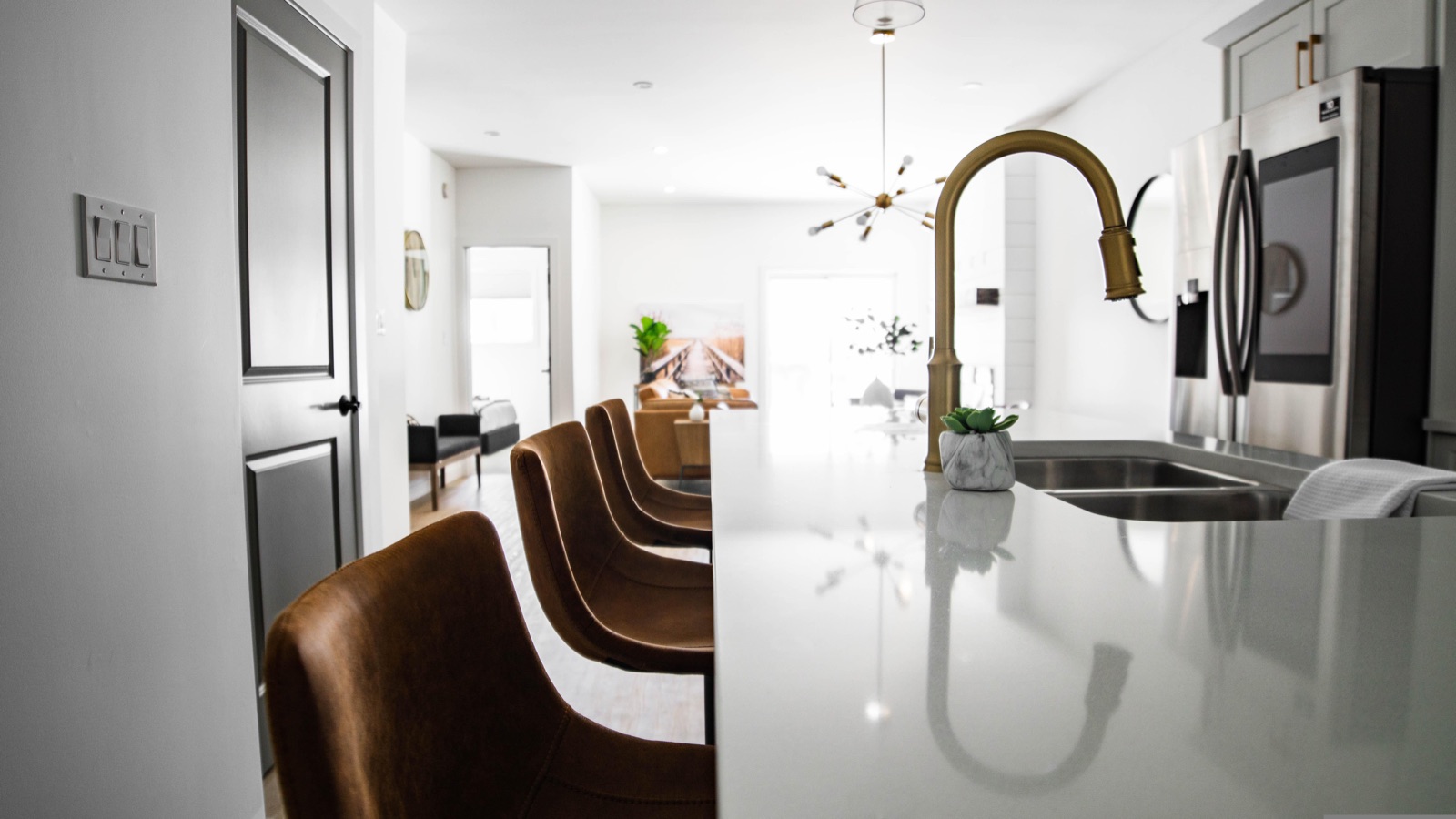
Custom Countertops in Quartz, Granite, Marble, Wood, and More: Free Quote
Custom quartz, granite, marble, quartzite, and wood countertops from 100+ partner fabrication shops. Kitchen and bathroom surfaces cut to your exact dimensions.