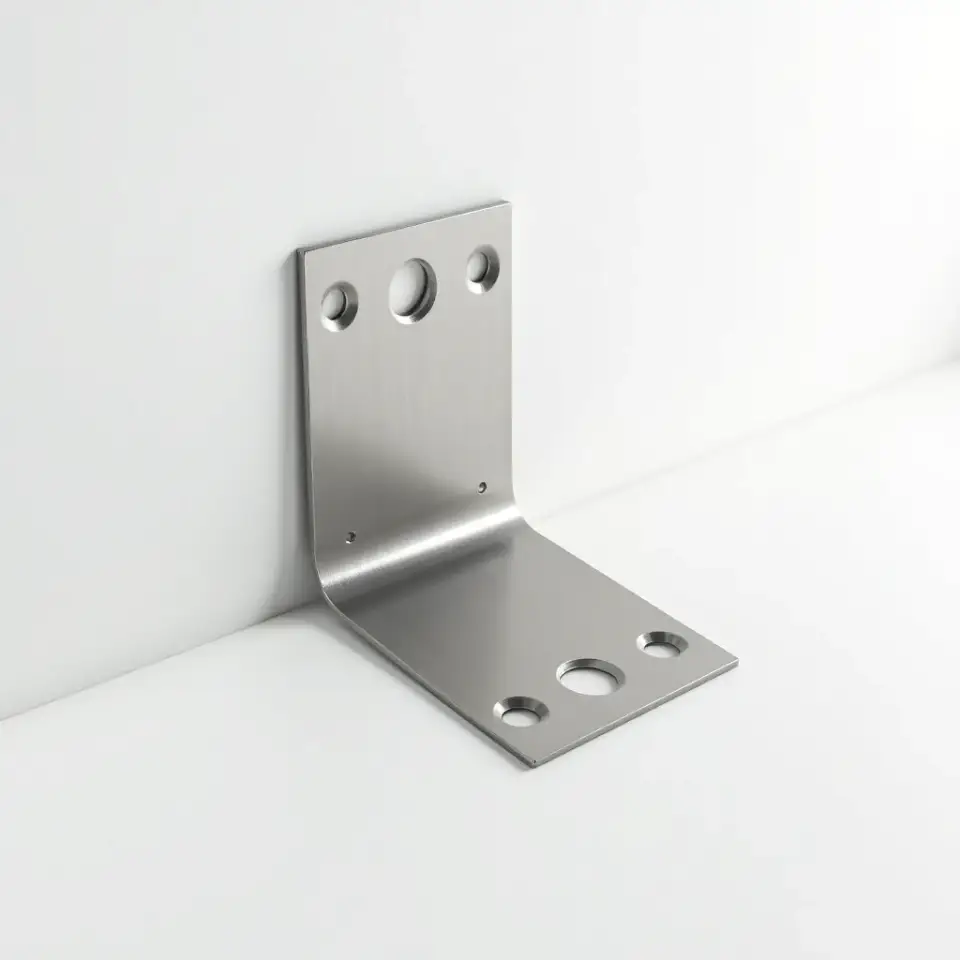
 Made on OpenSpindle
Laser Cutting partLaser Cutting
CO2 lasers cut and engrave non-metals with a clean, often flame-polished edge: acrylic, wood, MDF, plywood, paper, fabric, leather, and many plastics. Ideal for signage, enclosures, displays, packaging, and prototypes, plus engraving in the same setup. Upload your DXF and we'll send you one matched quote from a qualified manufacturing partner.
STEP · STL · IGES · DWG · DXF · SLDPRT · and more
No CAD file? Describe your project instead
Made on OpenSpindleCO2 laser cutting is a process that uses a gas laser to cut and engrave non-metal sheet such as acrylic, wood, MDF, plywood, fabric, and leather. It leaves a clean, often flame-polished edge on acrylic and can engrave in the same setup. Typical tolerance is ±0.005 to 0.01 in, on up to about 1/2 in acrylic or 3/4 in wood.
Last reviewed
Send a part and get a real price. Nothing to commit to, no cost to ask.
One lead from quote to delivery who has sourced it before.
NDA on request. Files shared only with matched shops.
A CAD file or a sketch. Free quote in about 24 hours.
The best-fit shop from our network makes it, on your timeline.
Inspected, shipped and tracked in your inbox.
CO2 laser rules depend on the material and thickness. These keep cuts clean and features intact.
| Design rule | Typical spec | Why |
|---|---|---|
| Min feature / web | ≥ material thickness | Thin webs between cuts scorch or burn away. |
| Min hole diameter | ≥ material thickness | Small holes taper and char on thicker stock. |
| Max thickness (typical) | ~1/2 in acrylic, ~3/4 in wood | Thicker stock cuts slower with more edge char. |
| Kerf | 0.004 to 0.02 in | Varies by material and power; account for it on mating parts. |
| Tolerance | ±0.005 to 0.01 in | Repeatable; wood moves more than acrylic. |
| Engraving depth | raster or vector | Same machine engraves logos, text, and artwork in one setup. |
Typical values; a shop confirms against its laser, material, and thickness.
The shop picks the method from your CAD, and the quote tells you which.
CO2 laser cutting is the default for non-metal flat parts, prototypes, and engraved products.
When another cutting process fits better than a CO2 laser.
| Process | Best for | Typical volume | Choose it over CO2 Laser Cutting when |
|---|---|---|---|
| Fiber Laser | Metal sheet and plate | Prototype to production | You are cutting metal, which a fiber laser cuts faster, and it handles reflective metals like copper and brass that are hard to cut on a CO2 laser. |
| CNC Routing | Thick wood, composites, 3D profiles | Prototype to production | The stock is thick, or you need pockets, chamfers, and 3D features, not just a flat cut. |
| Waterjet Cutting | Thick or heat-sensitive material | Prototype to production | You need thick stock or cannot accept a charred, heat-affected edge. |
| Die Cutting | High-volume flat parts (paper, fabric, gasket) | 1,000+ | You are running high volumes of a simple flat shape and can amortize a die. |
Upload a DXF and we'll source quotes from qualified manufacturing partners.
STEP · STL · IGES · DWG · DXF · SLDPRT · and more
No CAD file? Describe your project instead
CO2 laser cutting uses a gas laser to cut and engrave non-metal materials. It gives a clean, often flame-polished edge on acrylic and precise cuts in wood, MDF, paper, fabric, and leather, and it can engrave artwork and text in the same setup.
Acrylic, wood, MDF, plywood, paper, cardboard, fabric, felt, leather, foam, rubber, and many plastics such as acetal and polycarbonate (some plastics need care). It does not cut metal well; for metal use a fiber laser. Avoid PVC and vinyl, which release corrosive, toxic fumes.
Fiber lasers cut metal, including reflective alloys, at high speed. CO2 lasers are the right tool for non-metals such as acrylic, wood, MDF, fabric, and leather, and for engraving organics. Choose CO2 for non-metal parts and fiber for sheet metal.
Typical CO2 lasers cut up to about 1/2 inch of acrylic and roughly 3/4 inch of wood, depending on laser power. Thicker stock cuts more slowly with more edge char; for thick wood or composites a CNC router is often a better fit.
Yes. The same machine raster-engraves logos, text, and photos and vector-engraves fine lines, then cuts the part out in one setup. It is common for signage, awards, packaging, and product marking on wood, acrylic, and leather.
Comparing manufacturing services? See Xometry alternatives